

Have you ever wondered if possums can be a danger to your cat’s health? If your furry friend spends time outdoors, it’s important to know what risks might be lurking nearby.
Possums are common in many neighborhoods, but can they actually spread diseases to your cat? Understanding this can help you protect your beloved pet and keep them safe. Keep reading to discover the facts and learn what you need to watch out for.

Credit: www.reddit.com
Possums And Their Habits
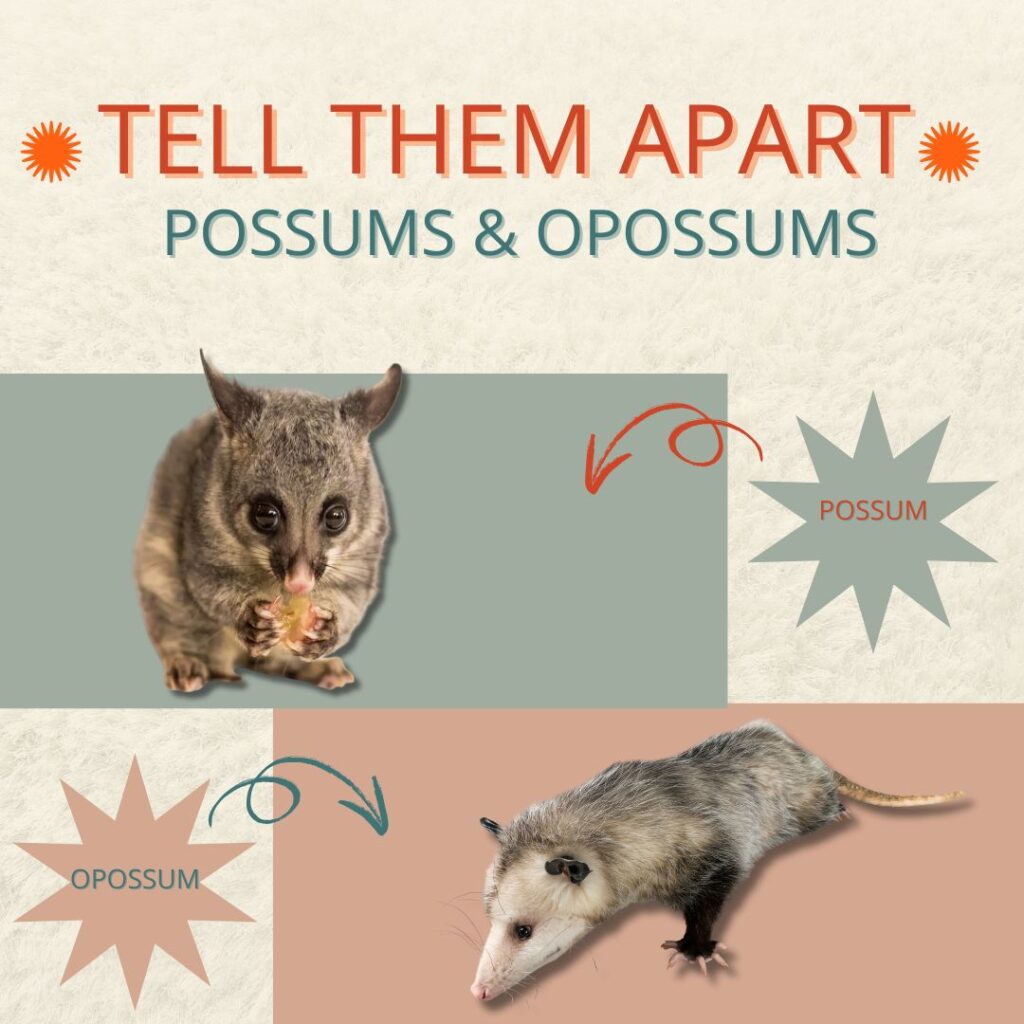
Possums are small to medium-sized marsupials found mainly in Australia and nearby regions. They are mostly nocturnal and live in trees or dense bushes.
People often wonder if possums can spread diseases to pets like cats. Learning about possums and their habits helps understand this risk.
Common Possum Species
There are several possum species, each with different sizes and habits. The most common ones include the Common Brushtail Possum and the Common Ringtail Possum.
These species have adapted well to urban areas. They often live near humans, especially where there are trees and gardens.
- Common Brushtail Possum: Larger, bushy tail, gray or brown fur
- Common Ringtail Possum: Smaller, long prehensile tail, gray fur
- Sugar Glider: Small, gliding possum with big eyes
Behavior And Habitat
Possums are mostly active at night. They sleep in tree hollows or dense nests during the day. Their diet includes leaves, fruits, and flowers.
They move quietly and use their sharp claws to climb trees. Possums do not usually enter homes but may visit gardens and roofs.
- Nocturnal and arboreal (tree-dwelling)
- Eat leaves, fruits, flowers, and sometimes insects
- Live in hollow trees, dense bushes, or roof spaces
Interaction With Pets
Possums and cats can cross paths, especially outdoors at night. Possums usually avoid cats but may defend themselves if threatened.
Possums can carry diseases, but the chance of spreading them to cats is low. Good pet care and vaccinations reduce risks.
- Possums usually do not attack cats
- Rarely spread diseases like toxoplasmosis or parasites
- Keep cats indoors at night to avoid contact
- Regular veterinary checkups help keep cats healthy
Diseases Carried By Possums
Possums can carry several diseases that might affect cats. These diseases come from bacteria, viruses, parasites, and mites. It is important to know which diseases possums can spread to keep your cat safe.
Understanding these risks helps cat owners take proper care and avoid illness. This guide explains the main disease types possums carry.
Bacterial Infections
Possums can carry bacteria that cause infections in cats. These bacteria can spread through bites, scratches, or contact with possum urine or feces.
One common bacterial infection is leptospirosis. Cats can get this from water or soil contaminated by possum urine. Another risk is salmonella, which causes stomach problems.
- Leptospirosis: affects kidneys and liver
- Salmonella: causes diarrhea and vomiting
- Bartonella (cat scratch disease): can spread if possums carry infected fleas
Viral Risks
Possums may carry viruses that can spread to cats. These viruses often spread through bites or contact with infected fluids.
Rabies is a serious viral disease possums can carry, although it is rare. If a possum bites a cat, it can pass the virus, which affects the cat’s nervous system.
- Rabies: causes paralysis and death if untreated
- Feline leukemia virus: possums can sometimes carry and spread via fleas
Parasites And Mites
Possums often host parasites and mites that can infect cats. These pests live on possums’ skin or fur and can jump to cats.
Fleas, ticks, and mites cause itching and skin problems. They may also spread diseases through bites.
- Fleas: cause itching and can carry other diseases
- Ticks: spread diseases like Lyme disease
- Mites: cause mange and skin irritation
Risks To Cats From Possums
Possums are common in many areas and sometimes come near homes. Cats may encounter possums during outdoor activities. It is important to understand if possums can spread diseases to cats.
Possums carry some germs and parasites. These can cause health problems for cats if they get infected. Knowing how these risks happen helps protect your cat.
Direct Contact Risks
Cats may fight or touch possums. Bites and scratches can pass germs directly. These wounds can get infected quickly.
Possums can carry bacteria like leptospirosis and parasites such as fleas. These can move from possums to cats through close contact.
- Bite wounds may cause infections
- Scratches can let in bacteria
- Fleas can jump from possums to cats
Indirect Exposure
Cats can get diseases without touching possums. Possums leave urine, feces, or saliva in yards. Cats may come into contact with these substances.
These materials can contain harmful germs. Cats might lick or walk over spots where possums have been. This can spread diseases slowly over time.
- Urine may carry leptospira bacteria
- Feces can contain parasites
- Saliva may have viruses or bacteria
Symptoms To Watch For
Watch your cat closely after possum encounters. Some illnesses show clear signs. Early detection helps get treatment fast.
Common symptoms include changes in behavior and health. If your cat seems sick, see a vet quickly.
- Fever or unusual tiredness
- Loss of appetite
- Vomiting or diarrhea
- Swollen or painful wounds
- Excessive scratching or fleas
Preventing Disease Transmission
Possums can carry diseases that might affect cats. It is important to take steps to stop these diseases from spreading. Understanding how to keep your cat safe helps protect their health.
Taking simple precautions in your home and yard can reduce the chance of contact between possums and cats. Regular care and checks by a vet also keep cats healthy.
Safe Interaction Practices
Do not let your cat chase or attack possums. Possums may bite or scratch if they feel threatened. These bites can spread disease to your cat.
Keep your cat indoors during the night. Possums are mostly active after dark. This reduces the chance of your cat meeting a possum outside.
- Supervise outdoor time for your cat
- Use a leash or enclosed yard
- Avoid feeding pets outside where possums gather
Home And Yard Precautions
Keep your yard clean and remove food scraps that attract possums. Secure trash cans with tight lids to avoid drawing them close. Block access to spaces under decks or porches where possums might hide.
Use outdoor lighting at night to discourage possums from entering your yard. Trim trees and bushes near your home to reduce hiding places for possums.
- Store pet food indoors
- Fix holes or gaps in fences and walls
- Clear fallen fruit and debris regularly
Veterinary Care And Vaccinations
Take your cat to the vet regularly for health checks. Vets can spot early signs of illness from possible infections. Vaccinations protect cats from common diseases they might catch from wildlife.
Keep your cat’s vaccines up to date. Ask your vet about vaccines for diseases spread by wild animals. Early treatment helps prevent serious health problems.
- Schedule annual vet visits
- Ensure rabies vaccinations are current
- Watch for unusual behavior or symptoms
Responding To Possible Exposure
Possums can carry diseases that might affect cats. If you think your cat met a possum, act quickly. Taking the right steps helps keep your cat safe and healthy.
Knowing how to respond can stop illness early. Watch your cat closely and know when to get help from a vet.
Immediate Steps To Take
After possible contact with a possum, check your cat for bites or scratches. Clean any wounds with mild soap and water. Keep your cat indoors to prevent more contact.
- Gently clean wounds and apply antiseptic
- Keep your cat calm and indoors
- Remove food or water dishes outside
- Watch for signs of illness or injury
When To See A Vet
Visit a vet if your cat shows any unusual signs. These can include fever, loss of appetite, or changes in behavior. Early care can prevent serious problems.
- Notice wounds that are red, swollen, or bleeding
- Observe if your cat is limping or painful
- Look for fever or shivering
- Seek vet help if your cat seems weak or tired
Monitoring Your Cat’s Health
| Symptom | What to Watch For | Action |
|---|---|---|
| Fever | Warm ears, lethargy | Check temperature, call vet if high |
| Wounds | Swelling, discharge | Clean and monitor, see vet if worsens |
| Behavior Changes | Hiding, aggression | Observe closely, seek vet advice |
| Loss of Appetite | Refusing food for 24+ hours | Offer water, consult vet |

Credit: www.reddit.com
Credit: insideoutpestservices.com
Frequently Asked Questions
Can Possums Transmit Diseases To Cats?
Yes, possums can carry diseases like leptospirosis and parasites. Direct transmission to cats is rare but possible through bites or contact with infected feces.
What Diseases Can Possums Carry Affecting Cats?
Possums may carry leptospirosis, salmonella, and parasites. These can cause infections or illness in cats if transmitted through bites or contaminated environments.
How Can Cats Get Diseases From Possums?
Cats may get diseases by fighting possums, ingesting contaminated feces, or contact with infected wounds. Outdoor cats are more at risk of exposure.
Are Possums Common Carriers Of Rabies To Cats?
Possums rarely carry rabies and are unlikely to transmit it to cats. Rabies is more commonly spread by bats, raccoons, or skunks.
Conclusion
Possums can carry some germs that might affect cats. Cats usually stay safe if they avoid possums and their droppings. Keep your cat’s area clean and watch for strange behavior. Regular vet visits help catch any problems early. Learning about possum risks helps protect your pet’s health.
Stay aware, stay safe.

Lily Purrington is the founder of MyKittyPicks.com, a cozy corner of the web dedicated to helping cat lovers discover the best cat products, furniture, toys, and home decor ideas.
A lifelong cat enthusiast, Lily shares trusted tips, honest product recommendations, and stylish inspiration designed to keep kitties happy and homes beautiful.
Her mission is simple: to bring together practical advice and purr-fect picks that make life better for cats and the people who love them.


