

Have you ever wondered if your cat genuinely cares about you? As a cat owner, you might have questioned whether the aloof nature of your feline friend hides a deeper bond or if it’s just a matter of food and shelter.
Unlike dogs, cats are often seen as independent creatures, leaving many to believe they might not hold the same affection for their owners. Yet, there’s something captivating about the way your cat curls up beside you, purring softly, that makes you feel special.
Could it be that your cat sees you as more than just a source of sustenance? Stick around, as we unravel the mysteries of feline affection and explore whether your cat truly cares about you in ways you might not have expected.

Credit: www.oliverpetcare.com
Cat Behavior And Affection
Cats have unique ways of showing affection and bonding with their owners. Understanding cat behavior helps reveal how they care. Their actions often express attachment and love quietly but clearly. Observing these signs can deepen your connection with your feline friend.
Signs Cats Show Attachment
- Purring loudly when near you
- Following you from room to room
- Slow blinking to show trust
- Rubbing their head or body against you
- Sleeping on or near you
- Bringing you small “gifts” like toys or caught prey
How Cats Communicate Love
Cats use body language to express their feelings. A gentle tail flick or soft meow often means affection. Kneading with their paws is a sign of comfort and happiness. They may also lick you, which is a grooming behavior that shows care. Eye contact with slow blinks means they feel safe and love you.
Differences Between Cats And Dogs
| Aspect | Cats | Dogs |
|---|---|---|
| Expression of Affection | Subtle, quiet, and slow | Obvious, loud, and energetic |
| Attachment Style | Independent but loyal | Highly social and dependent |
| Communication | Body language and soft sounds | Vocalizations and physical gestures |
Scientific Insights On Cat Emotions
Understanding cat emotions helps reveal how they feel about their owners. Science offers clues about the deep bond between cats and humans. This bond goes beyond simple pet and owner roles. It involves emotions, brain activity, and social behaviors that show affection.
Research On Cat-owner Bonds
Studies confirm cats form strong attachments to their owners. Researchers use tests to observe cat reactions when separated from their humans. Many cats show signs of stress, proving they care. These bonds are similar to those seen in dogs and even children. Cats seek comfort from their owners in new or scary situations.
Brain Chemistry Of Affection
Cats release oxytocin, the “love hormone,” during positive interactions. This hormone strengthens emotional bonds with their owners. Petting and playing increase oxytocin levels in cats and humans. This two-way chemical reaction builds trust and affection. Brain scans show cats respond emotionally to their owners’ voices and faces.
Studies On Cat Social Behavior
Cats use body language to communicate feelings toward humans. Purring, kneading, and slow blinking express trust and contentment. Cats may follow owners around, showing attachment and interest. Some cats bring “gifts” to their humans, a sign of social bonding. These behaviors prove cats are social animals that care deeply.
Factors Influencing Cat Attachment
Cats show different levels of attachment to their owners. This bond depends on many factors. Understanding these helps explain why some cats seem very close to their humans, while others keep their distance.
Several elements shape how cats form bonds. These include their early experiences, natural traits, and the world around them. Each factor plays a key role in building or limiting attachment.
Early Socialization Effects
Kittens that meet people often early in life tend to trust humans more. This period is critical for learning how to interact. Friendly handling and play during this time make cats more affectionate later.
Without enough social contact, cats may stay shy or fearful. This can reduce their desire to bond with owners. Positive early experiences create a foundation for strong attachment.
Breed Tendencies
Some cat breeds naturally enjoy human company more. For example, Siamese and Ragdolls often seek attention and show affection openly. Other breeds may be more independent by nature.
Breed traits influence a cat’s personality and how it relates to people. Knowing breed tendencies helps predict a cat’s attachment style. Still, individual cats can vary a lot within breeds.
Impact Of Environment
A calm, safe home encourages cats to relax and connect with owners. Stressful or noisy places may cause cats to hide or avoid interaction. Consistent routines also help cats feel secure.
Owner behavior matters too. Gentle care and respect for a cat’s space build trust. Cats respond well to patience and kindness, which deepen their bond.
Common Misconceptions About Cats
Cats often get a bad reputation for being cold or uncaring. Many people think cats do not form strong bonds with their owners. These ideas come from common myths about cats. Understanding the truth helps us appreciate cats more. It also shows how cats show care in their own way.
Myth: Cats Are Aloof
People often say cats are distant and do not need attention. This idea makes cats seem less loving than dogs. In truth, cats can be very affectionate. They may not always show love like dogs, but they care deeply. Cats choose when and how to express their feelings. This can look like independence but it is actually a sign of trust.
Reality Of Cat Independence
Cats like to have their own space and time alone. This is part of their nature. Being independent does not mean they do not care. Cats form close bonds by following their own pace. They show care by sitting near you, purring, or gently touching. Their independence allows them to feel safe and secure. This security helps build a strong connection with their owners.
How Media Shapes Perceptions
Movies and cartoons often show cats as sneaky or selfish. These images create false ideas about cat behavior. The media focuses on funny or odd cat actions. It rarely shows quiet moments of affection. This creates a one-sided view of cats. Learning about real cat behavior helps change these wrong beliefs. Cats are complex creatures with many ways to show love.
Ways To Strengthen Your Bond
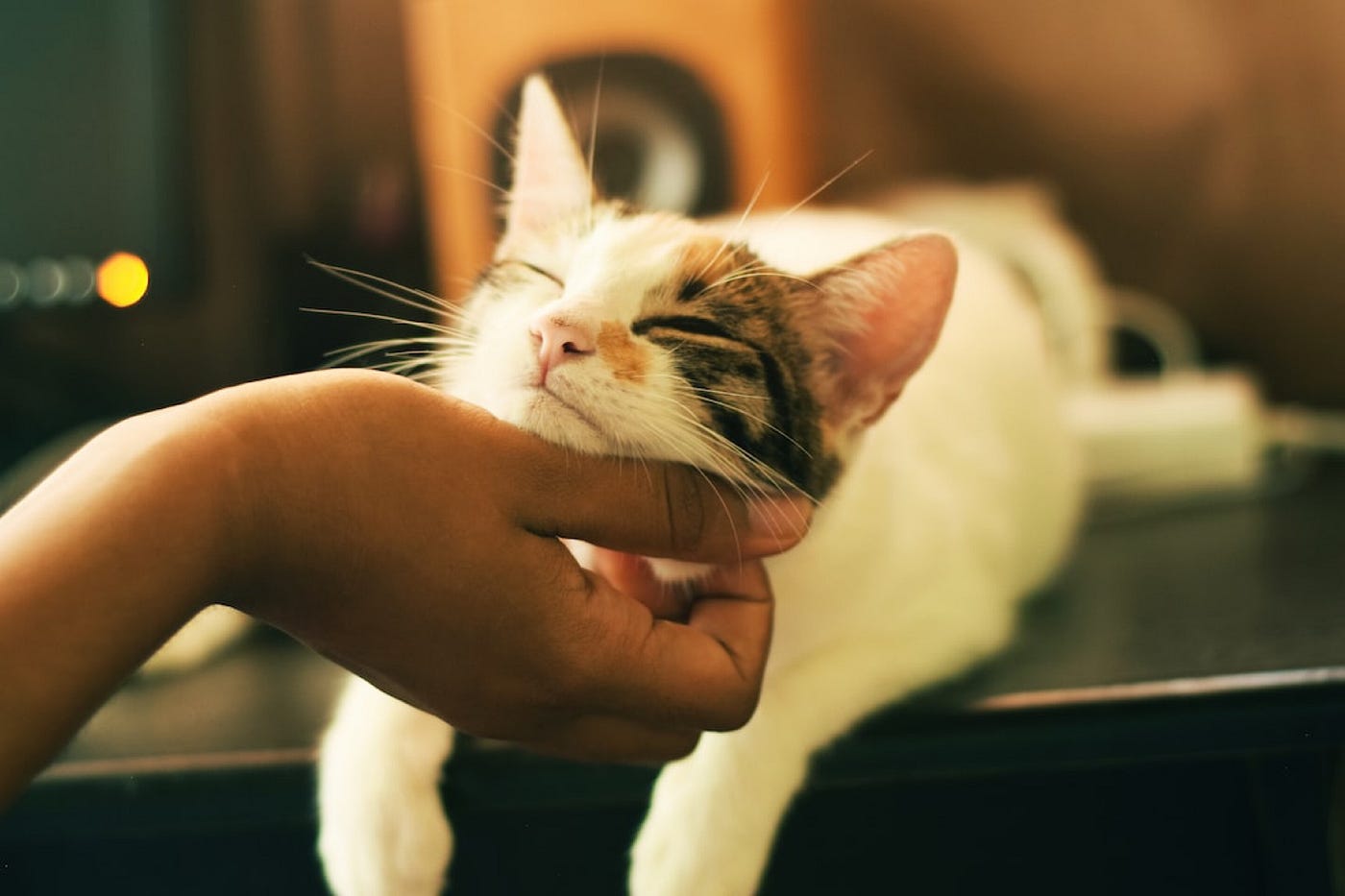
Building a strong bond with your cat takes patience and attention. Cats notice the little things you do, and those moments add up to trust and affection. Strengthen your connection by focusing on how you interact daily and understanding your cat’s unique personality.
Tips For Building Trust
Trust is the foundation of any relationship with your cat. Spend quiet time near your cat without forcing interaction. Let your cat come to you when they feel comfortable.
Offer treats and gentle petting in calm situations. Avoid sudden movements or loud noises that might startle them. Trust grows when your cat feels safe and respected in your presence.
Interactive Play And Engagement
Playtime is a powerful way to deepen your bond. Use toys that mimic prey, like feather wands or laser pointers, to engage your cat’s natural hunting instincts.
Try short, frequent play sessions to keep your cat interested and energized. Notice how your cat reacts and adjust the play style accordingly. Are they more into chasing or batting? Matching their preferences shows you understand them.
Recognizing And Respecting Boundaries
Every cat has limits on how much interaction they want at any moment. Watch for signs like tail flicking, ears turning back, or sudden movements that signal your cat needs space.
Respecting these boundaries builds respect and reduces stress. If your cat walks away, don’t follow or pick them up. Giving them control over interactions strengthens your relationship over time.
Credit: medium.com

Credit: www.reddit.com
Frequently Asked Questions
Do Cats Show Affection To Their Owners?
Yes, cats show affection by purring, kneading, and rubbing against owners. These behaviors indicate trust and bonding with humans.
Can Cats Recognize Their Owner’s Voice?
Cats can recognize their owner’s voice. Studies show they respond more to familiar voices than strangers, indicating strong auditory recognition.
How Do Cats Express Care Towards Humans?
Cats express care by staying close, grooming owners, and bringing “gifts. ” These actions demonstrate attachment and protective instincts toward their owners.
Are Cats Loyal To Their Owners?
Cats display loyalty through consistent companionship and seeking attention. Though independent, they form strong emotional bonds with their owners.
Conclusion
Cats show care in their own special ways. They may not always be loud or obvious. Small actions like purring, rubbing, or sitting nearby mean a lot. Cats build bonds slowly but deeply. Their love is quiet but real. Understanding their signals helps us feel closer.
Caring for cats brings joy and comfort. They offer companionship that is gentle and true. So yes, cats do care for their owners. It just looks different than with other pets. Their quiet affection can brighten any day.

Lily Purrington is the founder of MyKittyPicks.com, a cozy corner of the web dedicated to helping cat lovers discover the best cat products, furniture, toys, and home decor ideas.
A lifelong cat enthusiast, Lily shares trusted tips, honest product recommendations, and stylish inspiration designed to keep kitties happy and homes beautiful.
Her mission is simple: to bring together practical advice and purr-fect picks that make life better for cats and the people who love them.


