
Have you ever grabbed a hygiene wipe for yourself and wondered if it’s safe to use on your cat? You’re not alone.
When your furry friend gets a little messy, reaching for a quick wipe seems like an easy fix. But before you do, it’s important to know what’s really safe for your pet’s delicate skin. Using the wrong product could cause discomfort or even harm.
Keep reading to find out why not all wipes are created equal and how to keep your cat clean without risk. Your cat’s health and happiness depend on it.

Credit: earthbath.com
Hygiene Wipes For Humans And Cats
Hygiene wipes are common in many homes. People use them to clean hands, faces, and surfaces. Pets like cats also need cleaning sometimes. Some pet owners wonder if human hygiene wipes are safe for cats. Understanding the differences between wipes for humans and those made for cats is important. The ingredients and purpose of these wipes vary greatly.
Ingredients In Human Hygiene Wipes
Human hygiene wipes often contain chemicals not safe for cats. These include:
- Fragrances that can irritate a cat’s skin or nose
- Alcohol, which can dry or harm their skin
- Preservatives that might cause allergic reactions
- Cleansing agents designed for human skin, not sensitive cat fur
These ingredients can be toxic if cats lick their fur after using human wipes. Cats groom themselves by licking, so residue matters. Even mild scents can upset a cat’s sensitive nose. Avoiding harmful chemicals is key to their health.
Common Wipes Used For Cats
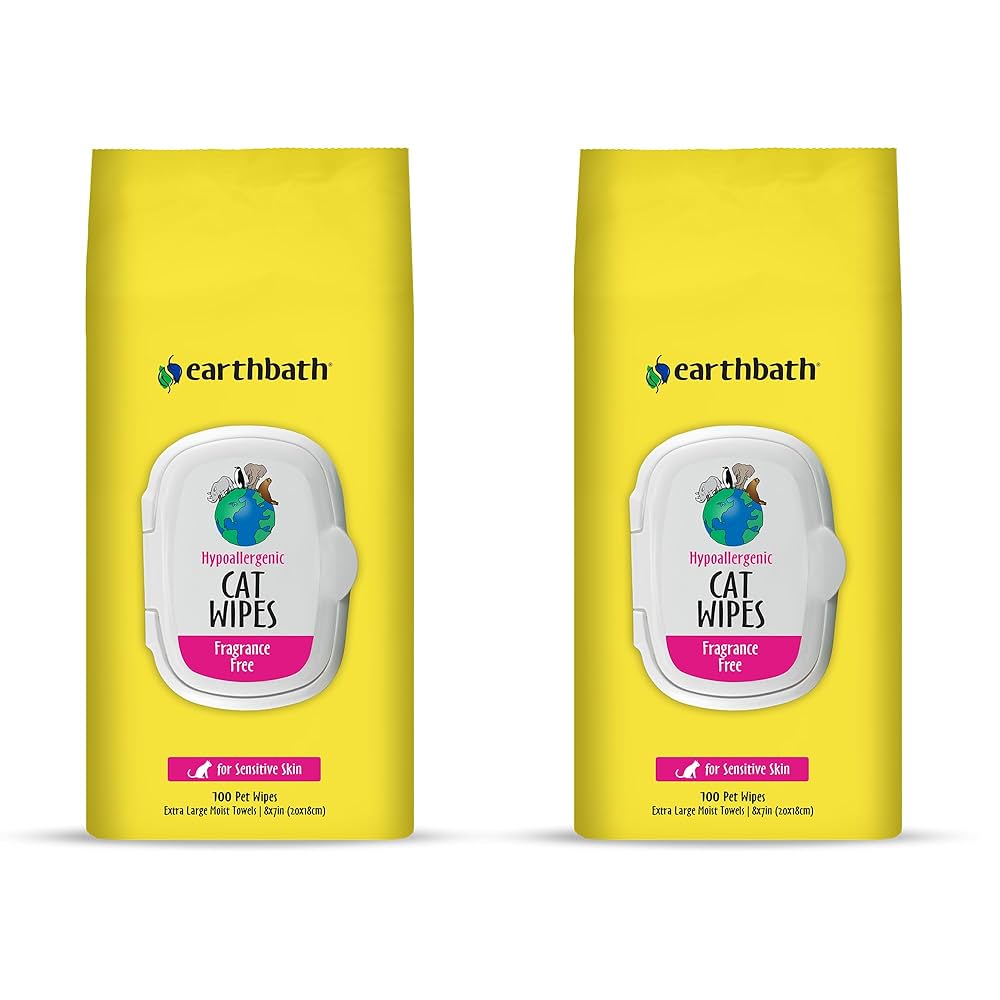
Pet stores sell wipes specially made for cats. These wipes use natural and gentle ingredients. Common features include:
- Hypoallergenic formulas safe for sensitive skin
- No alcohol or harsh chemicals
- Soothing ingredients like aloe or chamomile
- Unscented or lightly scented options
- Designed to clean fur without harming natural oils
These wipes help keep cats clean without risk. They support skin health and comfort. Choosing wipes made for cats protects their well-being. Always check the label before use. Using the right wipes makes a big difference.

Credit: justcatsclinic.com
Risks Of Using Human Wipes On Cats
Using hygiene wipes designed for humans on your cat might seem like a quick and easy cleaning solution. However, this practice carries several risks that could harm your feline friend. Understanding these dangers helps you make safer choices for your cat’s care.
Potential Harmful Chemicals
Human wipes often contain ingredients like alcohol, fragrances, and preservatives that can irritate your cat’s skin. These chemicals are not formulated with a cat’s delicate skin in mind and may cause redness, itching, or even burns.
Have you checked the label of your wipes lately? Many include substances that are toxic to cats, such as phenols or essential oils. Using wipes without knowing their contents can expose your cat to unnecessary harm.
Skin Sensitivity In Cats
Cats have much thinner and more sensitive skin compared to humans. Even mild ingredients in human wipes can disrupt their skin’s natural barrier and cause allergic reactions or dryness.
Think about how your cat reacts to different shampoos or soaps—if your cat shows discomfort, human wipes could worsen the issue. It’s better to choose products specifically made for feline skin, which are gentler and safer.
Toxicity Concerns
Cats groom themselves by licking their fur, which means any residue left by human wipes can be ingested. This can lead to poisoning, especially if the wipes contain toxic chemicals like alcohol or essential oils.
Have you ever considered how your cat’s licking habits affect their exposure to substances? Even a small amount of harmful residue can cause serious health problems, including vomiting, diarrhea, or neurological issues.
Choosing wipes designed for cats or consulting your vet before using any cleaning product can prevent these risks and keep your cat safe.
Safe Alternatives For Cat Hygiene
Keeping your cat clean is important, but using hygiene wipes made for humans can be risky. Cats have sensitive skin and different pH levels, so you need safer options tailored just for them. Let’s look at alternatives that protect your feline friend while keeping them fresh.
Cat-specific Wipes
Cat-specific wipes are designed with your pet’s delicate skin in mind. They usually contain gentle ingredients and avoid harsh chemicals, fragrances, or alcohol that can irritate your cat.
Many brands offer wipes enriched with aloe vera, chamomile, or vitamin E to soothe and moisturize your cat’s skin. These wipes are perfect for quick clean-ups after meals or outdoor adventures.
Have you noticed how some wipes leave a sticky residue? Cat wipes often leave fur feeling soft, not greasy. This small detail can make grooming easier and more pleasant for both you and your cat.
Natural Cleaning Methods
If you prefer a more hands-on approach, natural cleaning methods work wonders. A damp, soft cloth with warm water can gently clean your cat’s fur without any additives.
For odor control, a mix of water and a tiny amount of mild, unscented baby shampoo can help. Just make sure to rinse thoroughly and dry your cat well afterward to avoid any skin issues.
Regular brushing is another natural way to keep your cat clean. It removes loose fur, dirt, and prevents matting, which reduces the need for frequent wiping.
Have you tried using natural wipes or just a soft cloth on your cat? Sometimes simplicity is the best way to keep your pet comfortable and clean without any risks.
Proper Use Of Wipes On Cats
Using wipes on cats requires care and attention. Cats have delicate skin and special needs. Choosing the right wipes and using them properly keeps your cat safe and clean. Follow simple steps to wipe your cat gently and effectively.
How To Wipe Your Cat Safely
Pick wipes made for pets or sensitive skin. Avoid wipes with strong chemicals or fragrances. Test a small patch on your cat’s skin first. Use gentle strokes and avoid scrubbing. Let your cat relax during the process. Use soft, clean wipes for each session.
Avoiding Sensitive Areas
Stay away from your cat’s eyes, nose, mouth, and ears. These areas are very sensitive and can get irritated easily. Wipe only the fur and skin that need cleaning. Do not use wipes inside the ears or on broken skin. Focus on paws, belly, and back if needed.
Frequency Of Use
Limit wiping to when your cat is dirty or smelly. Over-wiping can dry out the skin and cause discomfort. Once or twice a week is usually enough. Observe your cat’s skin condition to adjust how often you wipe. Always stop if you notice redness or irritation.
When To Consult A Veterinarian
Knowing when to consult a veterinarian is crucial if you’re considering using hygiene wipes meant for humans on your cat. Cats have sensitive skin and unique needs that differ from ours, so being alert to any issues can prevent serious health problems. If you notice anything unusual after using wipes, don’t hesitate to seek professional advice.
Signs Of Irritation Or Allergic Reaction
Watch your cat closely after using any new product, especially hygiene wipes not designed for pets. Look for redness, swelling, or rashes on their skin. Excessive scratching, licking, or biting at the wiped area can also signal irritation.
Other signs include watery eyes, sneezing, or unusual behavior such as restlessness or hiding. If you spot any of these symptoms, stop using the wipes immediately and contact your vet. Early intervention can save your cat from discomfort and more severe reactions.
Professional Grooming Advice
Veterinarians and professional groomers understand your cat’s skin and coat needs best. They can recommend safe products specifically made for felines and advise on proper cleaning techniques. Sometimes, what seems like a simple wipe can upset your cat’s natural oils or cause dryness and sensitivity.
Before trying new grooming products, ask your vet for guidance. They might suggest alternatives that keep your cat clean without risking their health. Have you ever wondered why some cats avoid baths or wipes? A vet’s input can help you find a solution that works for both of you.

Credit: www.reddit.com
Tips For Maintaining Cat Hygiene
Maintaining your cat’s hygiene is key to its health and happiness. Clean cats are less likely to develop skin problems or infections. Good hygiene also helps reduce shedding and odors in your home. Simple daily habits make a big difference in keeping your cat clean and comfortable.
Regular Brushing
Brushing your cat removes dirt and loose hair. It prevents mats and tangles, especially for long-haired cats. Use a brush suited to your cat’s fur type. Brush gently to avoid hurting your pet. Regular brushing also helps you spot skin issues early.
Bathing Guidelines
Cats usually clean themselves well. Bathing is only needed occasionally or if they get very dirty. Use cat-specific shampoo to avoid skin irritation. Keep water warm and avoid getting water in their ears. Dry your cat thoroughly after the bath to prevent chills.
Environmental Cleanliness
Keep your cat’s living space clean and tidy. Wash bedding regularly to remove fur and dirt. Clean litter boxes daily to prevent odors and bacteria. Vacuum floors and furniture often to reduce hair buildup. A clean environment supports your cat’s overall hygiene.
Frequently Asked Questions
Can Human Hygiene Wipes Harm Cats?
Yes, human hygiene wipes can harm cats. They often contain chemicals that irritate feline skin and may cause allergic reactions or toxicity if ingested.
Are Cat-specific Wipes Safer Than Human Wipes?
Cat-specific wipes are safer. They are formulated without harsh chemicals and are designed to be gentle on cats’ sensitive skin and fur.
What Ingredients In Human Wipes Are Dangerous For Cats?
Ingredients like alcohol, fragrances, and essential oils in human wipes can be toxic to cats. These substances can cause skin irritation or poisoning.
Can I Use Human Wipes For Quick Cat Cleanups?
It’s best to avoid human wipes for cats. Instead, use pet-safe wipes to prevent skin irritation and ensure your cat’s safety.
Conclusion
Hygiene wipes made for people are not safe for cats. Their skin and fur need special care. Some ingredients can harm your cat’s health. Always choose wipes made just for pets. These keep your cat clean without risk. When in doubt, ask a vet for advice.
Keep your cat happy and healthy with proper products. Safe grooming matters a lot for your furry friend. Remember, what works for humans may not work for cats.

Lily Purrington is the founder of MyKittyPicks.com, a cozy corner of the web dedicated to helping cat lovers discover the best cat products, furniture, toys, and home decor ideas.
A lifelong cat enthusiast, Lily shares trusted tips, honest product recommendations, and stylish inspiration designed to keep kitties happy and homes beautiful.
Her mission is simple: to bring together practical advice and purr-fect picks that make life better for cats and the people who love them.


