

Have you ever wondered if your cat can still get pregnant after being neutered? It’s a question many cat owners ask, especially when unexpected behavior or concerns arise.
Understanding how neutering works and what it means for your cat’s ability to reproduce is important for keeping your pet healthy and happy. You’ll discover the facts behind neutering and pregnancy in cats, clear up common myths, and learn what signs to watch for to protect your furry friend.
Keep reading to get the answers you need and feel confident about your cat’s well-being.

Credit: www.reddit.com
How Neutering Works
Neutering is a common surgery to stop cats from having kittens. It changes how their bodies work, especially their ability to reproduce. Understanding how neutering works helps explain why cats usually cannot get pregnant after this procedure.
Surgical Procedure Explained
Neutering removes the organs that make eggs or sperm. For female cats, the ovaries and sometimes the uterus are taken out. For male cats, the testicles are removed. The surgery is done under anesthesia to keep the cat pain-free.
The vet makes a small cut to reach these organs. After removing them, the cut is closed with stitches. The whole process is quick, usually taking less than an hour. Cats often recover fast and go back to normal activities soon.
Effects On Reproductive System
Without ovaries or testicles, cats cannot produce eggs or sperm. This stops them from having babies. The hormones that control heat cycles and mating behaviors also drop significantly.
Neutered cats do not go into heat or show mating signs. Their bodies no longer prepare for pregnancy. This makes neutering a reliable way to prevent unwanted litters.

Credit: www.reddit.com
Myths About Post-neutering Pregnancy
Many pet owners worry about the possibility of their cats becoming pregnant after being neutered. This concern often stems from misunderstandings about what neutering actually involves. Let’s clear up the confusion by addressing some common myths surrounding post-neutering pregnancy in cats.
Common Misconceptions
One common myth is that a cat can get pregnant immediately after being neutered. In reality, neutering removes the reproductive organs, making pregnancy impossible. However, if a cat is already pregnant before the surgery, the pregnancy will continue until birth.
Another misconception is that spaying or neutering only reduces fertility rather than eliminating it. This is incorrect; the procedure is designed to prevent reproduction completely. Some owners mistakenly think that hormonal changes after surgery can trigger ovulation or mating behaviors, but these behaviors usually fade over time.
Sources Of Confusion
Confusion often arises from the timing of the surgery. If you neuter a cat during the early stages of pregnancy, you might not realize she was already pregnant. This can lead to the false belief that she got pregnant post-surgery.
Additionally, behavioral changes after neutering—such as reduced aggression or roaming—might be mistaken for ongoing fertility signals. Sometimes, cats display residual mating behaviors even after surgery, which can mislead owners into thinking pregnancy is still possible.
Have you noticed your cat acting differently after neutering but wondered if pregnancy is still an option? Understanding these myths can help you focus on proper post-operative care and enjoy a healthier, happier pet without unnecessary worries.
Cases Of Pregnancy After Neutering
Though neutering your cat usually prevents pregnancy, there are rare cases where a cat can still get pregnant after the procedure. Understanding these unusual situations helps you stay informed and spot any unexpected issues early. Let’s look at the reasons why this might happen.
Rare Medical Exceptions
Sometimes, a cat’s body reacts in unpredictable ways after neutering. There have been cases where tiny fragments of ovarian tissue remain active, a condition called ovarian remnant syndrome. This leftover tissue can still produce hormones, causing heat cycles and even pregnancy.
If your cat starts showing signs of heat or unusual behavior months after being neutered, it could be a sign of this rare condition. Have you noticed your cat acting like she’s in heat despite being spayed? This might be why.
Surgical Errors And Incomplete Procedures
Not all surgeries go perfectly every time. Occasionally, the veterinarian might miss removing all of the reproductive organs or accidentally leave part of the uterus or ovaries behind. This incomplete procedure can lead to the cat becoming fertile again.
Another possibility is a very early pregnancy at the time of surgery, which sometimes goes unnoticed. If your cat was already pregnant, neutering won’t stop the pregnancy from continuing. Always ask your vet to check thoroughly before surgery to avoid surprises.
Knowing these exceptions can help you stay alert. If your cat shows unexpected signs after neutering, don’t hesitate to consult your vet immediately. Are you prepared to recognize the signs of these rare cases?
Signs Of Pregnancy In Neutered Cats
Noticing signs of pregnancy in a neutered cat can be confusing and concerning. Although neutering typically prevents pregnancy, rare cases of residual ovarian tissue can cause hormonal changes that mimic pregnancy. Understanding the signs can help you decide if a veterinary visit is necessary.
Physical Symptoms
Look for changes in your cat’s body shape and size. A swollen or enlarged abdomen is one of the most noticeable signs. You might also see your cat’s nipples become pinker and more prominent, which is a common pregnancy indicator.
Weight gain can happen quickly, sometimes within just a few weeks. Some cats may also experience mild lactation, even if they aren’t truly pregnant. If you spot any unusual discharge or swelling, it’s wise to get professional advice.
Behavioral Changes
Pregnancy, or hormonal shifts after neutering, often lead to shifts in behavior. Your cat may become unusually affectionate, seeking more attention than usual. Conversely, some cats might hide or seem more withdrawn.
Increased restlessness or nesting behaviors, like gathering soft materials, can also signal pregnancy. Have you noticed your cat acting differently, like vocalizing more or showing signs of irritability? These subtle changes often tell a bigger story about her health.
Preventing Unwanted Pregnancies
Cats cannot get pregnant after being neutered because their reproductive organs are removed. This surgery effectively prevents unwanted pregnancies and helps control the pet population. Neutering also reduces certain health risks and behavioral issues in cats.
Preventing unwanted pregnancies in cats is crucial for pet owners. Neutering is a common method to control the feline population. Yet, some myths persist about pregnancy post-surgery. Understanding the procedure and aftercare ensures peace of mind.Ensuring Proper Surgery
Choosing a skilled vet is essential for neutering. Ensure the vet has experience with feline surgeries. Proper procedures reduce the risk of complications. Discuss the surgical process and ask questions. Knowing the details helps make informed decisions.Post-operative Care Tips
After surgery, create a calm environment for your cat. Provide a quiet space for rest and recovery. Monitor the incision site for redness or swelling. Keep your cat indoors to prevent infections. Follow the vet’s guidelines on medication and feeding. Regular check-ups ensure a smooth recovery.When To Consult A Veterinarian
Understanding when to consult a veterinarian is crucial if you suspect your neutered cat might be pregnant or showing unusual reproductive signs. Early consultation can prevent complications and ensure your cat receives the right care promptly.
Recognizing Abnormalities
Watch for unexpected physical or behavioral changes in your cat after neutering. Swelling in the abdomen, unusual nipple growth, or changes in appetite and mood can signal hormonal imbalances or rare reproductive issues.
If you notice your cat acting restless, vocalizing more than usual, or showing signs of nesting behavior, these are red flags that need immediate attention. Remember, neutered cats typically don’t display reproductive behaviors, so any such signs should not be ignored.
Diagnostic Procedures
Veterinarians use several diagnostic tools to determine if a neutered cat is pregnant or experiencing other health problems. Ultrasounds and X-rays provide clear images of the reproductive organs and can confirm pregnancy or detect abnormalities.
Blood tests may also be conducted to check hormone levels. These diagnostics help rule out false pregnancies or ovarian remnant syndrome—a condition where some ovarian tissue remains after neutering, causing hormone production.
Have you ever wondered how a simple ultrasound can reveal so much about your cat’s health? It’s a quick and painless way to get answers and guide the next steps in treatment or care.
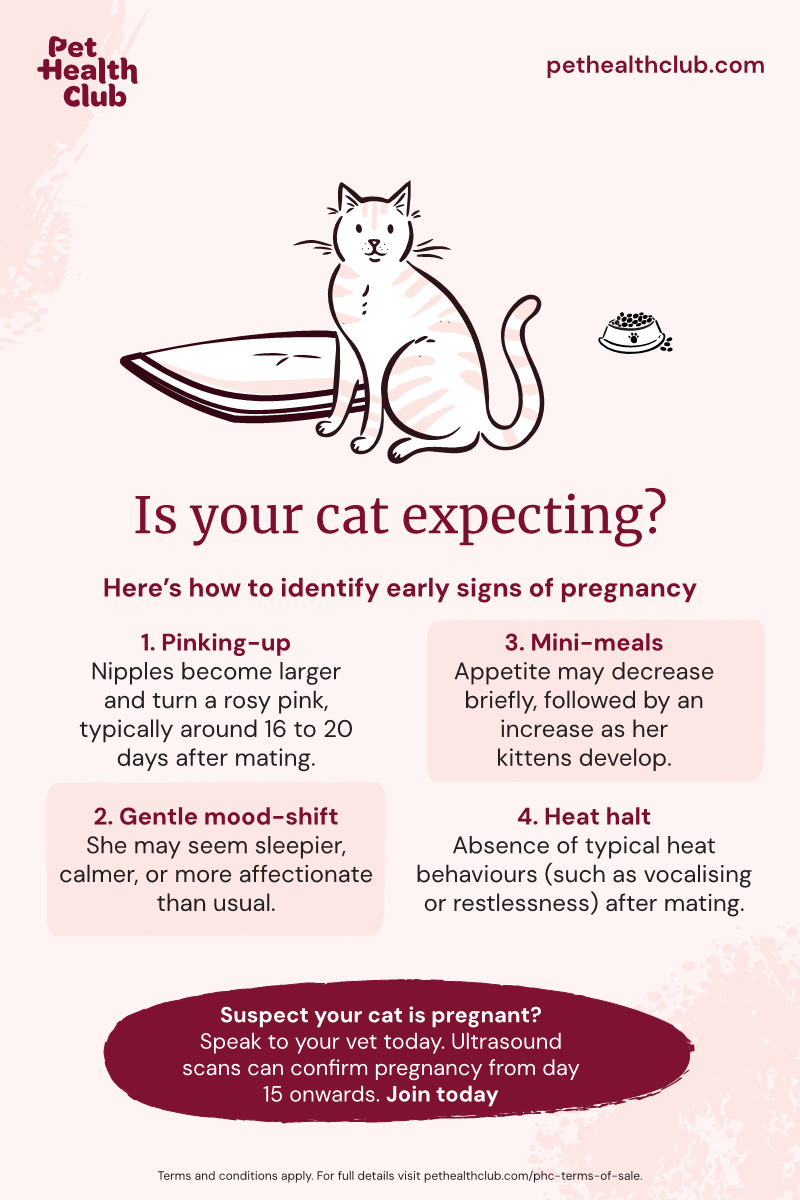
Credit: www.pethealthclub.com
Frequently Asked Questions
Can A Neutered Cat Still Get Pregnant?
No, a neutered cat cannot get pregnant. Neutering removes reproductive organs, preventing pregnancy. This is a permanent procedure that stops heat cycles and fertility.
How Soon After Neutering Can Cats Get Pregnant?
Cats cannot get pregnant after neutering at any time. Once neutered, the reproductive organs are removed, eliminating pregnancy chances immediately.
Is Pregnancy Possible If Neutering Is Incomplete?
Pregnancy is possible if neutering is incomplete or partial. Leaving any reproductive tissue may allow heat cycles and fertilization.
Can A Male Cat Father Kittens After Neutering?
No, a neutered male cat cannot father kittens. Neutering removes the testicles, stopping sperm production permanently.
Conclusion
Neutering usually stops cats from getting pregnant. Rare cases might happen soon after surgery. The cat’s body needs time to heal fully. Always talk to your vet for the best advice. Proper care helps keep your cat healthy. Knowing the facts helps you make smart choices.
Trust your vet’s guidance to avoid surprises. A neutered cat is less likely to have kittens. This helps control pet populations and health risks. Stay informed and watch your cat closely after surgery.

Lily Purrington is the founder of MyKittyPicks.com, a cozy corner of the web dedicated to helping cat lovers discover the best cat products, furniture, toys, and home decor ideas.
A lifelong cat enthusiast, Lily shares trusted tips, honest product recommendations, and stylish inspiration designed to keep kitties happy and homes beautiful.
Her mission is simple: to bring together practical advice and purr-fect picks that make life better for cats and the people who love them.


