

If you’re a cat owner, you know how important it is to keep your furry friend healthy and happy. One common problem that can cause your cat discomfort and worry you is a bladder infection.
These infections can be painful for your cat and tricky to treat if not caught early. But what if you could take simple steps right now to protect your cat from this issue? You’ll discover easy, practical ways to prevent bladder infections and keep your cat feeling their best.
Keep reading to learn how to take control and safeguard your pet’s health today.

Credit: www.amazon.ca
Causes Of Bladder Infections In Cats
Bladder infections in cats happen when bacteria enter the urinary tract. These infections cause discomfort and health problems. Understanding causes helps prevent them.
Several factors can lead to bladder infections. They include bacteria, urinary tract problems, and diet habits. Let’s look at these causes closely.
Common Bacterial Sources
Bacteria are the main cause of bladder infections in cats. They often come from the skin or environment. These bacteria travel up the urethra into the bladder.
Common bacteria that cause infections include E. coli and Staphylococcus. These bacteria grow quickly in the warm, moist bladder.
- E. coli is found in the intestines and around the anus.
- Staphylococcus lives on the skin and fur.
- Other bacteria can come from dirty litter boxes or water bowls.
Role Of Urinary Tract Issues
Urinary tract problems make cats more likely to get infections. Blockages or stones can trap bacteria in the bladder. This allows bacteria to grow and cause infection.
Other issues like inflammation or weak immune systems increase infection risk. Cats with these problems need extra care to prevent bladder infections.
- Urinary stones block urine flow and trap bacteria.
- Inflammation weakens bladder defenses.
- Weak immune systems cannot fight infections well.
Impact Of Diet And Hydration
What cats eat and drink affects bladder health. Poor diet can lead to crystals in urine. These crystals irritate the bladder and cause infections.
Not drinking enough water makes urine concentrated. Concentrated urine helps bacteria grow. Keeping cats hydrated helps flush out bacteria.
- Diets low in moisture increase infection risk.
- Dry food often leads to less water intake.
- Wet food helps keep urine dilute and healthy.
- Fresh water should always be available.
Recognizing Symptoms Early
Bladder infections in cats can cause discomfort and health issues. Catching symptoms early helps your cat get better fast.
Watch your cat closely for signs that show a problem with their bladder. Knowing what to look for can make a big difference.
Changes In Urination Habits
One of the first signs of a bladder infection is a change in how your cat urinates. This can be hard to spot but is very important.
- Urinating more often than usual
- Trying to urinate but only a small amount comes out
- Urinating outside the litter box
- Blood in the urine
- Straining or crying while urinating
Signs Of Discomfort Or Pain
Cats may show pain when they have a bladder infection. You might see clear signs that your cat feels unwell.
| Symptom | What to Watch For |
| Crying out | Sounds when urinating or moving |
| Licking | Excess licking of the genital area |
| Hunched posture | Back arched, avoiding movement |
| Restlessness | Unable to settle down or sleep |
Behavioral Indicators
Behavior changes can also hint at bladder problems. These signs may seem small but are worth noting.
Look for these behaviors:
- Hiding more than usual
- Showing irritability or aggression
- Refusing to eat or drink
- Less active or playful
Dietary Strategies For Prevention
Bladder infections in cats cause pain and discomfort. Diet plays a key role in prevention.
Choosing the right food and providing enough water help keep your cat’s bladder healthy.
Choosing The Right Food
Pick foods that support urinary health and reduce infection risk. Wet food is often better.
Special diets can control urine pH and lower crystals that cause infections.
- Wet food helps increase moisture intake
- Low magnesium and phosphorus reduce crystal formation
- Controlled protein supports bladder health
Importance Of Water Intake
Water dilutes urine and flushes out bacteria. Cats often drink too little water.
Encourage your cat to drink more by offering fresh water and using water fountains.
- Place water bowls in multiple locations
- Use ceramic or stainless steel bowls for taste
- Offer wet food to increase moisture intake
Supplements That Support Urinary Health
Certain supplements can help keep your cat’s urinary tract healthy and prevent infections.
Talk to your vet before adding supplements to your cat’s diet.
- Cranberry extract may reduce bacteria sticking to the bladder
- D-Mannose can help clear bacteria from the urinary tract
- Omega-3 fatty acids reduce inflammation

Credit: www.amazon.com
Maintaining Proper Hygiene
Keeping your cat’s environment clean helps prevent bladder infections. Focus on hygiene to keep your pet healthy.
Proper grooming and litter box care are key. These steps can reduce infection risks.
Cleaning The Litter Box
Clean the litter box regularly to prevent bacteria buildup. Cats prefer a clean space for their needs.
- Scoop the litter daily to remove waste.
- Replace litter every week to maintain freshness.
- Wash the box with mild soap monthly to disinfect.
Grooming Tips To Reduce Infection Risk
Regular grooming keeps your cat clean and healthy. It also helps you check for any signs of infection early.
Use a gentle brush to remove loose fur. This reduces hairball risks and keeps the coat healthy.
Trim your cat’s nails to avoid scratches that can lead to infections. Check ears and eyes for discharge.
Regular Veterinary Care
Regular veterinary care helps keep your cat healthy. It can prevent bladder infections before they start.
Visiting the vet often lets you catch early signs of bladder problems. This care supports your cat’s overall well-being.
Routine Check-ups
Routine check-ups help monitor your cat’s bladder health. The vet will check for signs of infection or discomfort.
- Physical exam including the abdomen and bladder area
- Urine tests to spot infections or crystals
- Blood tests to check kidney function
- Discussion about your cat’s water intake and litter box habits
When To Seek Immediate Help
Some symptoms need urgent veterinary attention. Acting fast can prevent serious bladder issues.
| Symptom | Reason to Act |
| Straining to urinate | Possible blockage or infection |
| Blood in urine | Sign of inflammation or injury |
| Frequent urination attempts | May indicate irritation or infection |
| Excessive licking of the genital area | Could mean pain or discomfort |
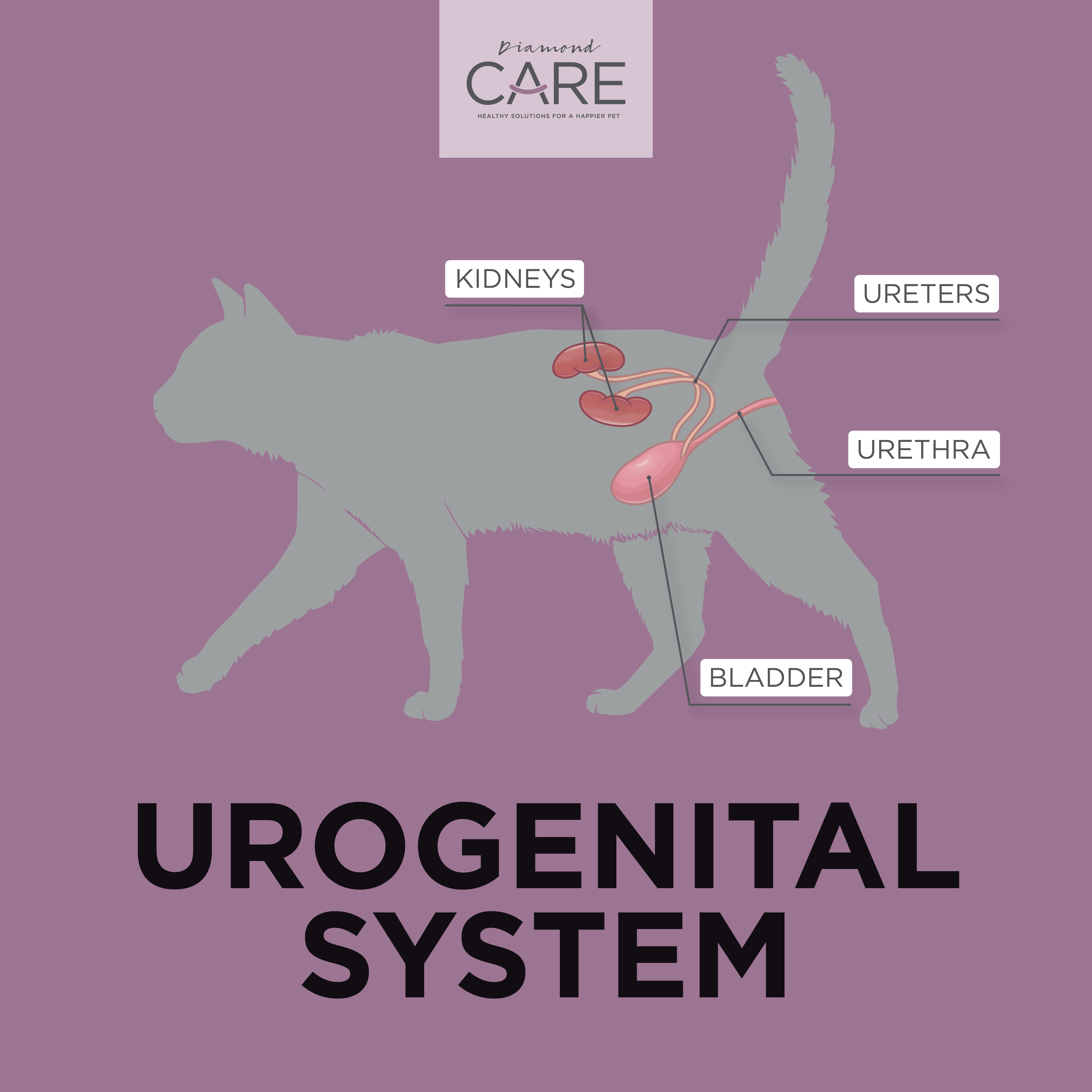
Credit: www.diamondpet.com
Environmental Factors
Bladder infections in cats can be influenced by their environment. A clean, calm space helps keep cats healthy.
Small changes at home can reduce risks and support your cat’s well-being.
Reducing Stress At Home
Stress makes cats more likely to get bladder infections. Keep noise low and avoid sudden changes.
Give your cat quiet places to relax and feel safe. Playtime helps reduce anxiety too.
- Keep a regular routine for feeding and play
- Provide hiding spots like boxes or cat trees
- Avoid loud noises and busy areas
- Use pheromone sprays to calm your cat
Safe And Comfortable Living Spaces
Clean, cozy spaces help prevent infections. Keep litter boxes tidy and easy to reach.
Make sure your cat has warm bedding and a spot away from drafts or direct sunlight.
- Clean litter boxes daily
- Place litter boxes in quiet, low-traffic areas
- Use soft bedding in a dry, warm place
- Keep food and water bowls separate from litter boxes
Frequently Asked Questions
What Are Common Signs Of Bladder Infections In Cats?
Common signs include frequent urination, straining, blood in urine, and licking the genital area. Cats may also show discomfort or hide more than usual.
How Can Diet Help Prevent Bladder Infections In Cats?
A balanced, wet-food diet helps keep cats hydrated and reduces urinary tract infections. Avoid dry food and provide fresh water daily to promote bladder health.
Are There Specific Cat Breeds Prone To Bladder Infections?
Yes, breeds like Persians and Himalayans are more prone due to genetic factors. Regular vet check-ups can help manage risks effectively.
How Often Should A Cat Visit The Vet For Urinary Health?
Cats should have veterinary check-ups at least once a year. More frequent visits are recommended for cats with previous bladder infection history.
Conclusion
Preventing bladder infections in cats takes small, steady steps. Keep their water bowl full and fresh. Feed them balanced, healthy food. Watch for any changes in their bathroom habits. Clean the litter box often to avoid bacteria buildup. Regular vet visits help catch problems early.
A happy cat drinks more and stays healthy. Simple care can stop infections before they start. Your cat will thank you with a lively, pain-free life. Easy habits make a big difference for your cat’s health.

Lily Purrington is the founder of MyKittyPicks.com, a cozy corner of the web dedicated to helping cat lovers discover the best cat products, furniture, toys, and home decor ideas.
A lifelong cat enthusiast, Lily shares trusted tips, honest product recommendations, and stylish inspiration designed to keep kitties happy and homes beautiful.
Her mission is simple: to bring together practical advice and purr-fect picks that make life better for cats and the people who love them.


