

If you have a cat with kidney disease, you might be worried about their weight. You may think that kidney problems always cause weight loss, but can cats actually gain weight with kidney disease?
Understanding this can help you take better care of your furry friend. You’ll discover the surprising facts about weight changes in cats with kidney issues and learn what signs to watch for. Keep reading to find out how you can support your cat’s health and make informed decisions about their diet and care.
Kidney Disease And Cat Weight
Kidney disease is common in older cats. It affects many parts of their body, including weight.
Some cat owners wonder if cats can gain weight when they have kidney disease. The answer depends on how the disease affects metabolism and appetite.
How Kidney Disease Affects Metabolism
Kidney disease changes how a cat’s body works. The kidneys help remove waste and balance fluids. When they fail, the body may slow down metabolism.
Slower metabolism can cause the cat to use less energy. This may lead to weight gain if the cat eats the same amount of food.
Common Weight Changes In Cats With Kidney Issues
Weight changes vary in cats with kidney disease. Most cats lose weight because they eat less or feel sick. Some cats may gain weight due to fluid buildup.
- Weight loss from low appetite or nausea
- Weight gain from fluid retention (edema)
- Muscle loss may hide actual weight changes

Credit: www.reddit.com
Factors Influencing Weight Gain
Cats with kidney disease may experience changes in their weight. Some cats gain weight, while others lose it. Understanding the factors behind weight gain helps in managing their health better.
Weight gain in cats with kidney disease can result from diet, medicine, or body changes. Each factor plays a role in how the cat’s body reacts.
Dietary Adjustments And Their Impact
Diet changes are common for cats with kidney problems. Special diets may have more calories or fats to keep cats from losing too much weight. These diets can sometimes cause weight gain.
- High-calorie foods help maintain energy levels.
- Reduced protein diets lower kidney strain but may affect muscle mass.
- Increased fat content can lead to extra weight.
- Appetite changes can cause cats to eat more or less.
Medications That May Affect Weight
Some medicines given to cats with kidney disease can change their weight. These drugs may increase appetite or cause fluid changes in the body.
| Medication | Effect on Weight |
| Appetite stimulants | Can cause weight gain by increasing food intake |
| Diuretics | May cause weight loss by reducing fluids |
| Corticosteroids | Can lead to weight gain and fluid retention |
Fluid Retention And Weight Fluctuations
Kidney disease can cause the body to hold extra fluid. This fluid buildup can make a cat’s weight go up quickly. The weight gain is not fat but water.
Signs of fluid retention include:
- Swollen belly or limbs
- Difficulty breathing
- Sudden weight increase
Signs Of Weight Gain To Watch
Cats with kidney disease usually lose weight, but some may gain weight. It is important to watch for signs of weight gain. This can help you manage your cat’s health better.
Weight gain in cats with kidney disease can show in different ways. Look for physical changes and behavior shifts that may indicate extra weight.
Physical Indicators
You may notice your cat’s body shape changing. The cat might look rounder or thicker than usual. Check if the belly appears bigger or if fat builds up around the neck or limbs.
Other signs include less visible ribs and a softer feel when you touch your cat. The cat may also move slower or have less energy due to the extra weight.
- Rounder body shape
- Bigger belly area
- Fat deposits around neck or legs
- Ribs less visible or harder to feel
- Slower movement or less energy
Behavioral Changes Linked To Weight Gain
Your cat’s behavior may change with weight gain. The cat might eat more or show less interest in playing. Sometimes, it may rest more than usual.
Weight gain can also cause your cat to avoid jumping or climbing. Watch for signs of discomfort or stiffness when moving around.
- Increased or changed eating habits
- Less play and activity
- More resting or sleeping
- Avoiding jumping or climbing
- Signs of stiffness or discomfort

Credit: drandyroark.com
Managing Weight In Cats With Kidney Disease
Cats with kidney disease often have trouble keeping a healthy weight. Weight changes can affect their health and quality of life. Managing their weight well can help them feel better and live longer.
Proper care involves feeding the right food, encouraging movement, and regular health checks. Understanding these areas helps owners support their sick cats better.
Nutritional Strategies
Feeding cats with kidney disease needs special care. Their food should support kidney health and keep their weight stable. Low protein and phosphorus diets often help slow kidney damage.
Wet food is usually better than dry food. It adds moisture and is easier to eat. Small, frequent meals can encourage eating and reduce nausea.
- Choose foods made for kidney health
- Feed wet food to increase hydration
- Offer small meals several times a day
- Avoid high phosphorus and salt content
- Consult your vet before changing diets
Exercise And Activity Tips
Exercise helps cats keep muscle and a healthy weight. Cats with kidney disease may feel weak, so gentle play is best. Short, calm activities can improve their mood and strength.
Use toys like feathers or balls to encourage movement. Let your cat rest when tired. Keep exercise consistent but avoid overexertion.
- Play for short sessions daily
- Use gentle toys to encourage activity
- Allow rest breaks as needed
- Watch for signs of tiredness or stress
- Keep a calm environment to reduce anxiety
Regular Vet Checkups And Monitoring
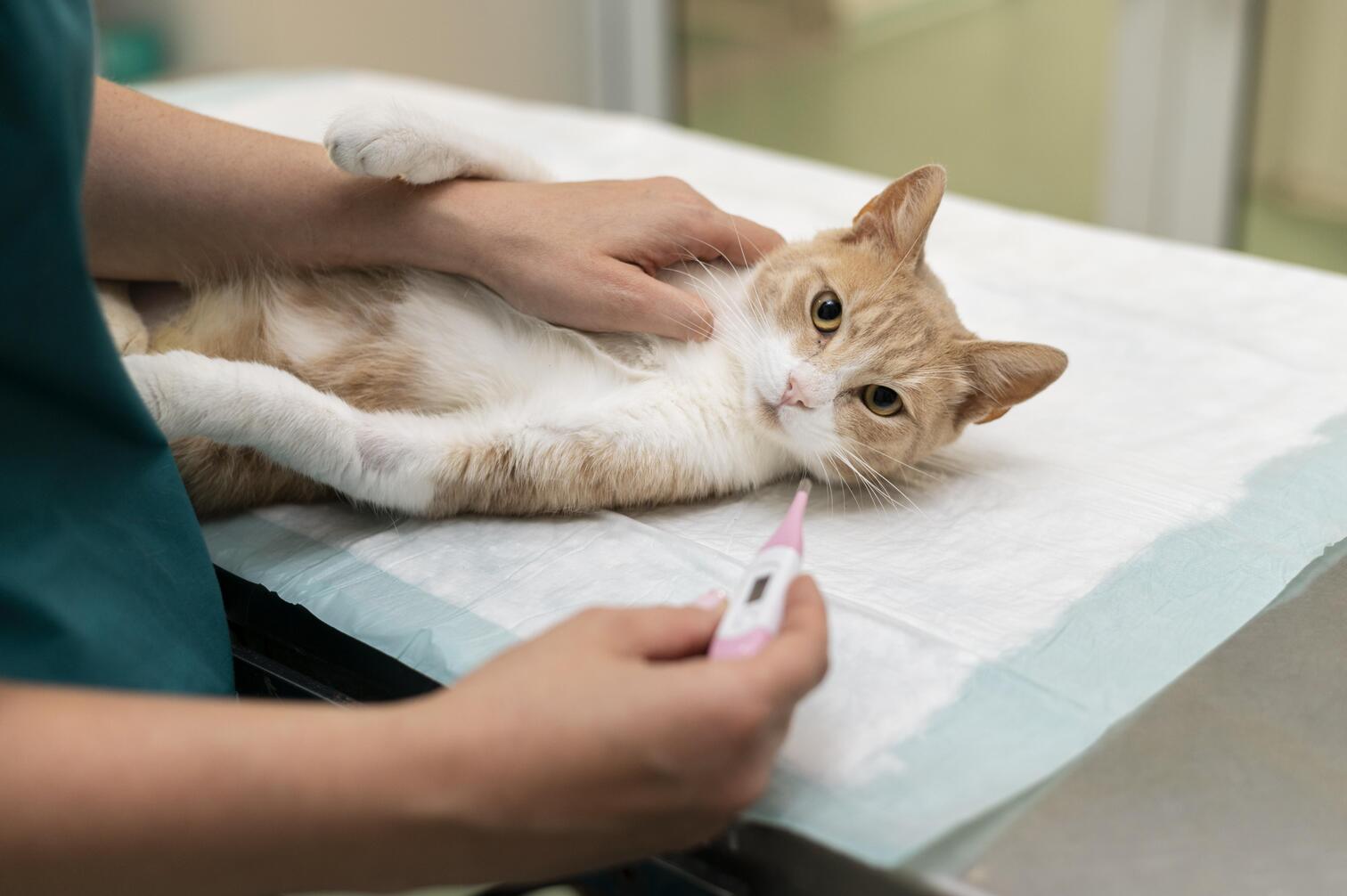
Regular vet visits are important for cats with kidney disease. The vet can check weight and kidney function. Early detection of problems helps adjust treatment quickly.
Keep track of your cat’s weight at home. Report any sudden loss or gain to the vet. Blood tests and urine checks help monitor the disease and guide care.
- Schedule vet visits every 3-6 months
- Track your cat’s weight regularly
- Report weight changes to the vet
- Follow vet advice on medications and diet
- Use tests to watch kidney health progress
When To Seek Veterinary Help
Cats with kidney disease can lose or gain weight. Watching these changes is very important. It helps you know when to get help from a vet.
Early action can improve your cat’s comfort and health. Learn signs that need a vet’s attention and how to adjust care.
Critical Symptoms Related To Weight Changes
Weight changes in cats with kidney disease can show serious problems. Look for these signs that need quick vet care.
- Sudden weight loss or gain
- Loss of appetite
- Vomiting or diarrhea
- Weakness or lethargy
- Swelling in the abdomen or limbs
- Increased thirst or urination
Adjusting Treatment Plans
Changes in weight may mean treatment needs to change. Your vet can help adjust food, fluids, or medications.
| Adjustment | Purpose | Signs to Watch |
| Diet Change | Control protein and minerals | Weight stabilizes or improves |
| Fluid Therapy | Prevent dehydration | Less vomiting, better energy |
| Medication Update | Manage symptoms and kidney function | Improved appetite and activity |
Credit: medicanimal.com
Frequently Asked Questions
Can Cats Gain Weight With Kidney Disease?
Yes, cats can gain weight with kidney disease, but it is uncommon. Weight gain may occur due to fluid retention or improper diet management. Regular vet check-ups help monitor and manage any weight changes effectively.
What Causes Weight Gain In Cats With Kidney Disease?
Weight gain in cats with kidney disease often results from fluid buildup or certain medications. Poor diet or lack of exercise can also contribute. Monitoring diet and health closely is essential to prevent unhealthy weight gain.
How Does Kidney Disease Affect A Cat’s Metabolism?
Kidney disease slows a cat’s metabolism by impairing toxin removal and nutrient absorption. This can cause muscle loss or fluid retention, affecting overall weight. Proper nutrition and veterinary care support metabolic balance.
Can Diet Help Manage Weight In Cats With Kidney Disease?
Yes, a specialized diet helps manage weight and kidney function. Prescription renal diets are low in protein and phosphorus, supporting kidney health. Always consult your vet before changing your cat’s diet.
Conclusion
Cats with kidney disease can still gain weight, but it’s not common. Weight changes depend on diet, treatment, and the disease stage. Proper care and vet guidance help manage their health better. Watch your cat’s eating habits and body changes closely.
Early action can improve comfort and quality of life. Keep feeding balanced food made for kidney health. Stay patient and supportive; small progress counts. Your cat needs love and care during this time.

Lily Purrington is the founder of MyKittyPicks.com, a cozy corner of the web dedicated to helping cat lovers discover the best cat products, furniture, toys, and home decor ideas.
A lifelong cat enthusiast, Lily shares trusted tips, honest product recommendations, and stylish inspiration designed to keep kitties happy and homes beautiful.
Her mission is simple: to bring together practical advice and purr-fect picks that make life better for cats and the people who love them.


