

If your cat has kidney disease, you’re probably worried about their health and well-being. One question that may be on your mind is: Can a cat with kidney disease gain weight?
It’s natural to want your furry friend to stay strong and healthy, but kidney problems often cause weight loss and appetite changes. Understanding whether your cat can gain weight despite this condition is crucial for managing their care and helping them feel better.
Keep reading to discover what affects your cat’s weight and how you can support them through this challenging time.
Kidney Disease Impact On Cats
Kidney disease is a common problem in older cats. It affects how their bodies work and can change their health.
One of the big concerns is how kidney disease changes a cat’s weight. Understanding this helps owners care better for their pets.
How Kidney Disease Affects Weight
Kidney disease makes it hard for cats to keep a healthy weight. Their bodies do not use food well. This can cause weight loss.
Some cats may have trouble eating or feel sick. This lowers their food intake and makes them lose weight faster.
Common Symptoms And Weight Loss
Cats with kidney disease often show signs like tiredness and poor appetite. These symptoms make weight loss common.
Other symptoms include vomiting, drinking more water, and urinating more. These signs affect their nutrition and weight.
- Low energy and weakness
- Less interest in food
- Vomiting and nausea
- Increased thirst and urination
- Noticeable weight loss
Signs Of Weight Changes
Cats with kidney disease often show changes in their weight. Watching for these changes helps in managing their health. Weight loss is common, but sometimes weight gain can occur.
Knowing the signs of weight changes can help you act quickly. This keeps your cat more comfortable and may improve their quality of life.
Detecting Weight Loss Early
Weight loss is often the first sign of kidney disease in cats. You may notice your cat looks thinner or their ribs are more visible. Early detection allows better care.
Check your cat’s weight regularly. Use a scale or feel their body for changes. Watch for less muscle and loose skin, which show weight loss.
- Look for visible ribs or spine
- Notice if your cat’s clothes or collars fit differently
- Feel for less muscle on the legs and back
- Observe changes in appetite and activity
When Weight Gain Is Possible
Weight gain can happen if your cat’s kidney disease is treated well. Some cats gain muscle or fat back after their appetite improves. This is usually a good sign.
Weight gain might also happen if your cat keeps extra fluid in their body. This swelling is called edema and needs a vet’s attention. Watch for bloated belly or swollen legs.
- Gaining muscle or fat with good appetite
- Swelling from fluid buildup (edema)
- Changes in activity or energy levels
- Consult your vet if weight gain seems unusual
Diet Adjustments For Weight Gain
Cats with kidney disease often lose weight. Adjusting their diet can help them gain weight safely.
Feeding the right foods supports kidney health and improves your cat’s strength.
Choosing Kidney-friendly Foods
Kidney-friendly foods have less protein and phosphorus. These reduce kidney stress and keep your cat healthy.
Wet food is easier to digest and helps keep your cat hydrated. Pick foods made for kidney care.
- Low protein levels
- Reduced phosphorus content
- Added omega-3 fatty acids
- High moisture content
High-calorie Food Options
High-calorie foods help cats gain weight without eating large amounts. These foods provide energy and nutrients.
Look for calorie-dense wet foods or add healthy oils to meals. Avoid foods that are hard to digest.
- Calorie-rich canned cat food
- Small, frequent meals
- Healthy oils like fish oil or flaxseed oil
- Special kidney diet treats
Supplements To Support Weight
Supplements can help your cat gain weight and support kidney function. Always check with your vet first.
Common supplements include appetite stimulants, vitamins, and digestive aids. These help improve food intake and nutrient absorption.
- Appetite stimulants to encourage eating
- Vitamin B complex for energy
- Probiotics for digestion
- Omega-3 fatty acids for kidney support
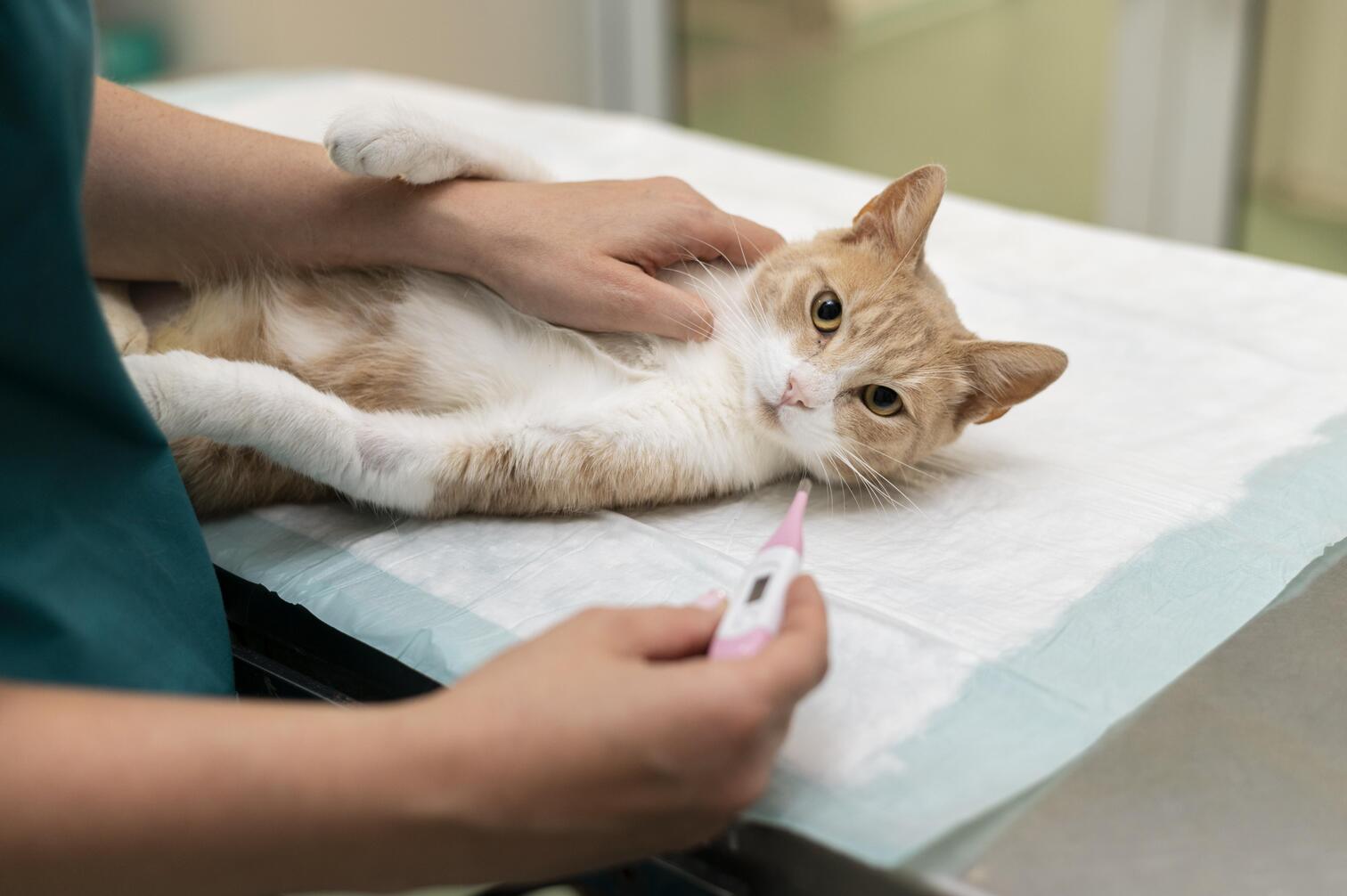
Credit: medicanimal.com
Feeding Strategies
Feeding a cat with kidney disease needs care and patience. The right feeding plan helps your cat keep weight and strength.
Focus on small meals, boosting appetite, and keeping your cat hydrated. These tips support your cat’s health.
Small, Frequent Meals
Give your cat small meals many times a day. This is easier on their kidneys and helps them eat enough calories.
- Feed 4 to 6 small portions daily
- Use soft or wet food for easy eating
- Keep feeding areas calm and quiet
- Watch for your cat’s hunger signs
Encouraging Appetite
Kidney disease can lower appetite. Use these ways to help your cat want to eat more.
| Method | Description |
| Warm the food | Heating food releases smells to attract your cat |
| Offer favorite foods | Include protein your cat likes and tolerates well |
| Hand feed | Sometimes cats eat better from your hand |
| Change textures | Try pate, chunks, or gravy to find what they prefer |
Hydration Tips
Kidney disease can cause dehydration. Keep your cat’s water intake high to help kidney function.
- Provide fresh water in multiple bowls around the house
- Use water fountains to encourage drinking
- Add water or low-sodium broth to wet food
- Offer ice cubes as a treat for extra fluid
Medical Treatments Aiding Weight
Cats with kidney disease often lose weight because they eat less. Medical treatments can help improve their appetite and nutrition. These treatments support weight gain and better health.
Understanding how to manage symptoms and use medications can make a big difference. It helps cats feel better and eat more food.
Medications That Help Appetite
Some medicines increase a cat’s desire to eat. These medications are safe when given under a vet’s care. They can help cats with kidney disease gain weight by improving their appetite.
- Mirtazapine: A drug that stimulates appetite and reduces nausea.
- Cyproheptadine: Helps increase hunger and food intake.
- Maropitant: Reduces vomiting and nausea, making eating easier.
- Omega-3 supplements: Can improve appetite and kidney health.
Managing Symptoms To Improve Nutrition
Controlling symptoms helps cats eat better. Treating nausea, mouth sores, and dehydration improves nutrition. This support can help cats gain weight despite kidney problems.
| Symptom | Treatment | Effect on Nutrition |
|---|---|---|
| Nausea | Anti-nausea medications | Reduces vomiting, encourages eating |
| Mouth sores | Oral care and pain relief | Makes eating less painful |
| Dehydration | Fluids given by vet | Improves overall health and appetite |

Credit: www.reddit.com
Lifestyle Changes
Cats with kidney disease need special care to stay healthy. Making lifestyle changes can help them feel better and gain weight.
Adjustments in daily activities can significantly impact a cat’s well-being. Let’s explore some key areas.
Stress Reduction Techniques
Reducing stress is crucial for cats with kidney issues. A calm environment can lead to better health.
- Create a quiet space for your cat to rest.
- Use pheromone diffusers to soothe your cat.
- Maintain a consistent routine for feeding and playtime.
Exercise And Activity Levels
Keeping your cat active is important. Exercise helps maintain a healthy weight and supports kidney function.
Consider these activities to keep your cat moving:
- Interactive toys can engage your cat’s interest.
- Short play sessions are beneficial and manageable.
- Climbing trees or towers provide both exercise and fun.
Monitoring Progress
Cats with kidney disease often face challenges in maintaining their weight. Monitoring their progress is key to ensuring they stay as healthy as possible.
Regular checkups and tracking can help manage their condition better. It is important to keep an eye on their health and weight changes.
Regular Vet Checkups
Visiting the vet often is crucial for cats with kidney issues. The vet can assess the cat’s overall health and provide advice.
These visits allow for early detection of any changes. It helps in adjusting diet and treatment plans effectively.
- Schedule checkups every few months
- Discuss any changes in behavior with the vet
- Follow the vet’s dietary recommendations
Tracking Weight And Health
Keeping track of a cat’s weight is important. A consistent drop in weight may indicate health issues.
Use a simple scale to weigh your cat regularly. Record the weight to notice any patterns or sudden changes.
| Month | Weight (kg) |
| January | 4.5 |
| February | 4.4 |
| March | 4.3 |
Credit: www.goodrx.com
Frequently Asked Questions
Can Cats With Kidney Disease Gain Weight Safely?
Yes, cats with kidney disease can gain weight safely with proper diet and vet care. Weight gain improves muscle mass and overall health.
What Foods Help Cats With Kidney Disease Gain Weight?
High-quality protein, low phosphorus, and calorie-rich foods help cats gain weight during kidney disease. Special vet-prescribed diets support kidney function and nutrition.
How Can I Monitor My Cat’s Weight With Kidney Disease?
Regularly weigh your cat at home and during vet visits. Track changes to adjust diet and treatment for optimal health.
Is Weight Gain A Sign Of Kidney Disease Improvement?
Weight gain often indicates better nutrition and disease management, but always consult your vet for accurate assessment.
Conclusion
Cats with kidney disease can gain weight with the right care. A proper diet and regular vet visits help support their health. Managing symptoms and feeding balanced food encourages steady weight gain. Patience and attention make a big difference in recovery.
Each cat responds differently, so watch closely and adjust as needed. Small steps can improve your cat’s comfort and strength. Keep hope alive and stay consistent with care routines. Healthy weight gain is possible, even with kidney issues.

Lily Purrington is the founder of MyKittyPicks.com, a cozy corner of the web dedicated to helping cat lovers discover the best cat products, furniture, toys, and home decor ideas.
A lifelong cat enthusiast, Lily shares trusted tips, honest product recommendations, and stylish inspiration designed to keep kitties happy and homes beautiful.
Her mission is simple: to bring together practical advice and purr-fect picks that make life better for cats and the people who love them.


