

Have you ever wondered if your cat actually chews its food or just swallows it whole? Understanding how your feline friend eats can tell you a lot about their health and habits.
If you’re curious about what’s really going on when your cat dines, this article will clear up the mystery. Keep reading to discover surprising facts about your cat’s eating behavior that every pet owner should know.
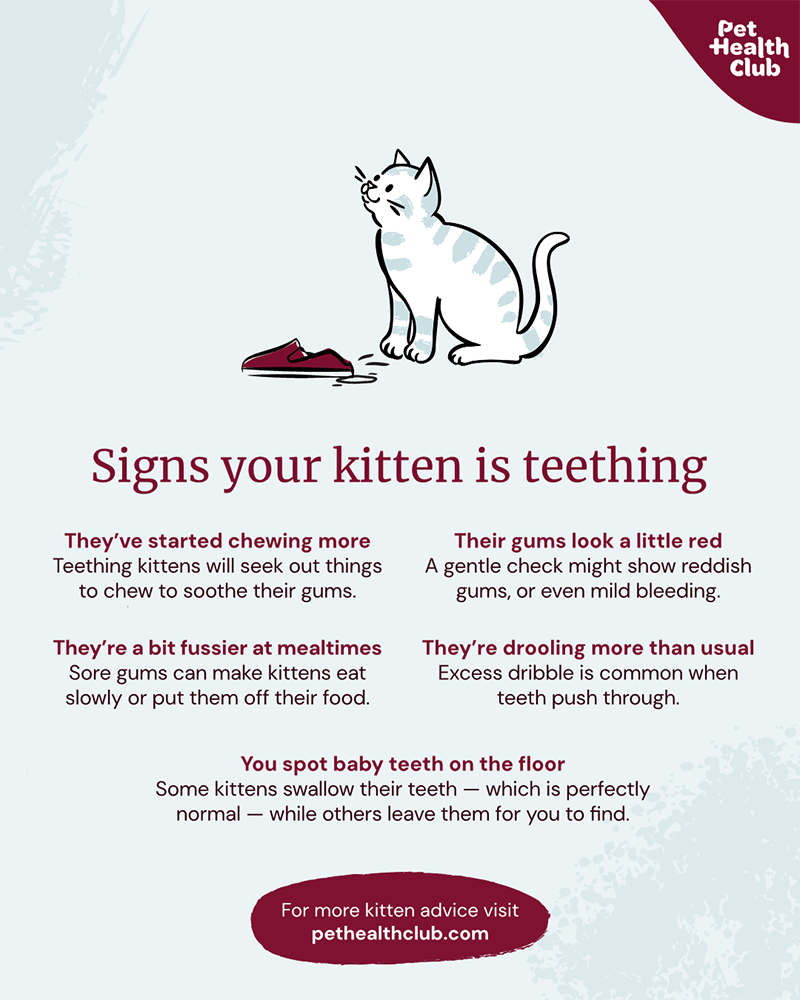
Credit: www.pethealthclub.com
Feline Teeth And Mouth Structure
Cats have a unique dental structure that shapes how they eat and interact with their food. Understanding their teeth and mouth can help you better grasp why cats chew—or sometimes barely chew—their meals. Their teeth aren’t designed like ours; they serve very specific purposes tied to their hunting and eating habits.
Types Of Cat Teeth
Your cat’s mouth holds different types of teeth, each with a role:
- Incisors:These small front teeth help cats pick up and groom.
- Canines:Long and sharp, perfect for grabbing and holding prey.
- Premolars and Molars:Located towards the back, these teeth slice through meat rather than grind it.
Notice how the molars are more blade-like than flat? This shape means cats don’t really chew food the way you do. Instead, they cut and tear their food into swallowable pieces.
How Cats Use Their Teeth
Cats rely heavily on their teeth to survive in the wild. Their sharp canines are tools for capturing prey, not for chewing. When eating, cats often bite off chunks and swallow them quickly.
Have you seen your cat nibble on their food? Usually, it’s more about tearing than chewing. This behavior reflects their instinct to eat fast before other predators arrive.
Since their back teeth don’t grind food, cats rarely chew extensively. So, if your feline friend seems to gulp down their meal, it’s normal. Their teeth and mouth are built for a different kind of eating experience than yours.

Credit: www.purina.com
Chewing Behavior In Cats
Cats have a unique way of eating that differs from many other pets. Understanding their chewing behavior helps pet owners provide better care. Cats are obligate carnivores, which means their diet mainly consists of meat. Their teeth and jaws are designed for biting and tearing rather than chewing extensively.
Do Cats Actually Chew?
Cats do chew, but not like humans or dogs. They use their sharp teeth to bite and shred food into smaller pieces. This process is quick and efficient. Cats rarely chew food thoroughly. Instead, they rely on swallowing small chunks. Their stomach acids are strong, helping digest food without much chewing.
Differences Between Cats And Other Pets
Dogs and humans chew food more to break it down before swallowing. Cats have fewer molars and flatter teeth, which are not suited for grinding. They mainly use their front teeth to grab and tear. Cats also eat smaller amounts more frequently. This eating pattern matches their hunting instincts.
- Cats bite and tear food quickly.
- Dogs chew food thoroughly.
- Cats swallow smaller pieces.
- Cats have sharp, pointed teeth.
- Cats eat multiple small meals daily.
Eating Habits And Food Preferences
Cats have unique eating habits that reflect their wild ancestors. Their food preferences show how they consume meals and interact with different textures. Understanding these habits helps explain if cats chew their food or not.
Natural Hunting And Eating Style
Cats are natural hunters. In the wild, they catch small animals like birds and mice. They use their sharp teeth to bite and tear meat into small pieces. Cats often swallow chunks without much chewing. Their teeth are built more for cutting than grinding.
This hunting style means cats rely on strong jaws and quick bites. They do not chew food like humans do. Instead, they break it into manageable parts and swallow it quickly. This behavior continues even with home-fed cats.
Wet Vs. Dry Food Choices
Wet food is softer and easier for cats to break down. It mimics the texture of fresh prey. Cats usually do not need to chew wet food much. They lap it up and swallow small pieces quickly.
Dry food requires more effort. It has a harder texture, which can encourage some chewing. Cats often crunch on kibble to break it up. This helps keep their teeth clean and strong.
Each type of food affects how cats eat. Wet food supports their natural swallowing habits. Dry food promotes some chewing, which benefits dental health.
Signs Of Healthy Eating
Recognizing signs of healthy eating in cats helps ensure their well-being. Proper eating habits show a balanced diet and good digestion. Cats that eat healthily often have bright eyes, shiny coats, and steady energy. Observing their eating behavior can reveal much about their health status.
Normal Eating Patterns
Cats usually take small bites and chew their food briefly. They often eat several small meals throughout the day. A healthy cat finishes meals without rushing or leaving food behind. They show interest in food and return eagerly at mealtime. Drinking water alongside meals supports digestion and hydration.
What To Watch For In Cat Behavior
- Consistent appetite without sudden changes
- Chewing food properly without excessive gulping
- No signs of discomfort while eating
- Steady weight and muscle tone
- Alertness and playful behavior after meals
Changes in eating habits, such as avoiding food or chewing less, may signal health issues. Watch for drooling, pawing at the mouth, or coughing during meals. Early detection of problems allows timely care and keeps cats healthy.
Common Issues Affecting Chewing
Chewing is an important part of how cats eat. Sometimes, cats may face problems that make chewing hard or painful. These issues can affect their appetite and health. Understanding common problems helps in caring for your cat better.
Dental Problems
Dental issues are a main cause of chewing trouble in cats. Cats can have tartar buildup, gum disease, or broken teeth. These problems cause pain and make chewing difficult.
Signs of dental problems include:
- Drooling more than usual
- Bad breath
- Reluctance to eat hard food
- Swelling around the mouth
Regular dental check-ups can prevent many issues. Cleaning your cat’s teeth helps avoid pain and keeps chewing normal.
Age-related Changes
Older cats often face changes that affect chewing. Teeth may wear down or fall out over time. This can make it hard for them to chew tough food.
Senior cats may also lose muscle strength in their jaws. This weakens their bite and slows chewing. They might prefer softer food to avoid discomfort.
Watching for changes in eating habits helps catch problems early. Adjusting their diet to softer options supports older cats well.

Credit: www.yahoo.com
Tips To Encourage Proper Eating
Encouraging cats to chew their food properly improves digestion and overall health. Cats naturally tend to swallow food quickly, which may cause stomach issues. Helping them eat slowly and chew more can prevent choking and aid nutrient absorption.
Small changes in feeding habits make a big difference. Observe your cat’s behavior and adjust the food type or feeding style. Patience and consistency are key to developing healthy eating habits.
Choosing The Right Food Texture
Selecting the right food texture can encourage chewing. Cats prefer different textures depending on their age and health.
- Soft wet food is easier to chew for older cats.
- Dry kibble requires more chewing and can clean teeth.
- Mixing wet and dry food can offer variety and stimulate chewing.
- Chunky or shredded food pieces promote natural chewing motions.
Observe which textures your cat enjoys and adjust accordingly to support proper chewing.
Feeding Techniques For Better Chewing
Changing how you feed your cat can promote slower eating and better chewing.
- Use slow feeder bowls to make cats work for their food.
- Spread food in shallow dishes to avoid gulping.
- Feed smaller portions multiple times a day.
- Hand-feed treats to encourage mindful eating habits.
- Place food in puzzle feeders to stimulate chewing and problem-solving.
These methods help cats take their time and chew thoroughly, improving digestion and dental health.
Frequently Asked Questions
Do Cats Chew Their Food Before Swallowing?
Cats do chew their food lightly, but not like humans. They mainly use their teeth to tear and break food into smaller pieces. Cats rely more on their sharp teeth than thorough chewing to consume their meals quickly and efficiently.
Why Don’t Cats Chew Their Food Thoroughly?
Cats have sharp teeth designed for cutting, not grinding. Their short jaw motion limits chewing ability. They swallow small chunks to aid digestion without extensive chewing. This suits their natural hunting and eating habits, where quick consumption is essential.
Can Cats Eat Without Chewing Their Food?
Yes, cats can swallow food with minimal chewing. Their digestive systems efficiently process small, torn pieces of meat. Cats naturally tear food into manageable sizes, so they don’t require thorough chewing like herbivores or omnivores.
How Does Chewing Affect A Cat’s Digestion?
Chewing helps break down food into smaller pieces, aiding digestion. However, cats’ digestive enzymes are strong enough to handle minimal chewing. While chewing is beneficial, it is not essential for cats’ effective nutrient absorption.
Conclusion
Cats usually do not chew their food like humans do. They tend to bite and swallow small pieces quickly. This behavior suits their sharp teeth and hunting style. Understanding this helps pet owners provide the right food type and size.
Always watch your cat while eating to ensure safety. Feeding softer food can make eating easier for older cats. Each cat may have different habits and needs. Knowing these facts makes caring for your cat better and safer. Simple steps help keep your cat happy and healthy.

Lily Purrington is the founder of MyKittyPicks.com, a cozy corner of the web dedicated to helping cat lovers discover the best cat products, furniture, toys, and home decor ideas.
A lifelong cat enthusiast, Lily shares trusted tips, honest product recommendations, and stylish inspiration designed to keep kitties happy and homes beautiful.
Her mission is simple: to bring together practical advice and purr-fect picks that make life better for cats and the people who love them.


