
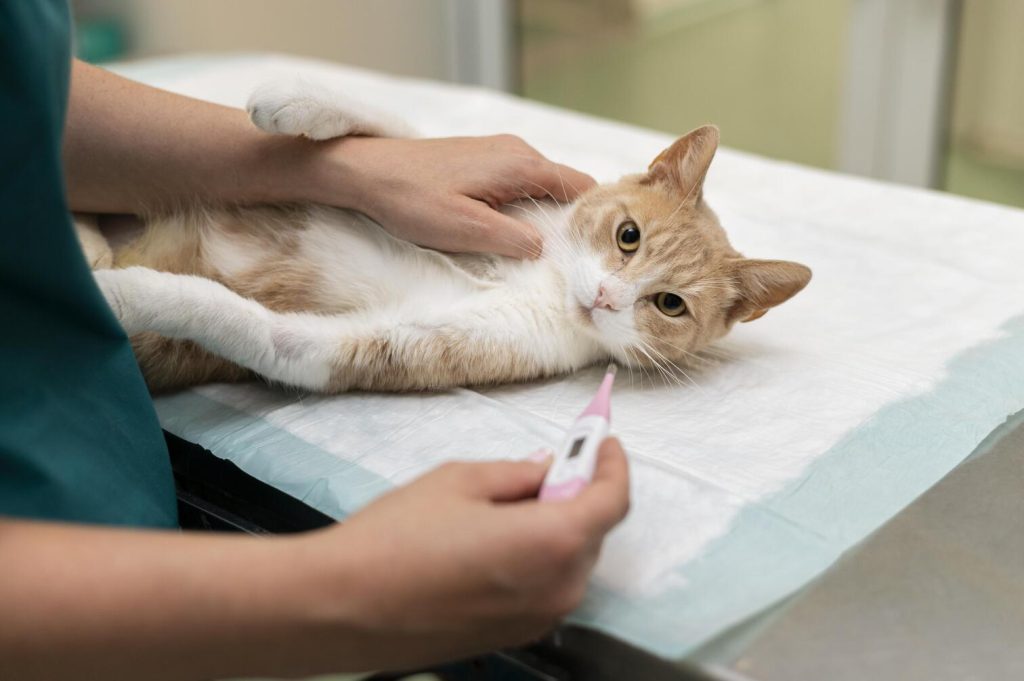
Is your cat suddenly losing weight, and you’re worried it might be more than just a passing issue? Kidney disease in cats is common, but many pet owners don’t realize how it affects their furry friend’s weight.
If you want to understand why your cat is shedding pounds and what it means for their health, you’re in the right place. Keep reading to discover the link between kidney disease and weight loss in cats—and what you can do to help your beloved companion feel better.
Kidney Disease Impact On Cats
Kidney disease is common in older cats. It affects how well their kidneys work.
This disease can change many body functions. One major change is in their weight.
How Kidney Disease Affects Weight
Kidney disease makes cats lose their appetite. They eat less food and lose weight.
The kidneys fail to remove waste well. This causes toxins to build up and harms the body.
- Less appetite lowers food intake
- Waste buildup causes discomfort
- Muscle loss happens as disease progresses
- Dehydration affects body weight
Common Symptoms Linked To Weight Loss
Weight loss in cats with kidney disease comes with other signs. These symptoms show the disease’s impact.
Owners should watch for these symptoms to help their cats get care fast.
- Increased thirst and urination
- Vomiting and nausea
- Weakness and low energy
- Poor coat condition
- Bad breath or mouth ulcers
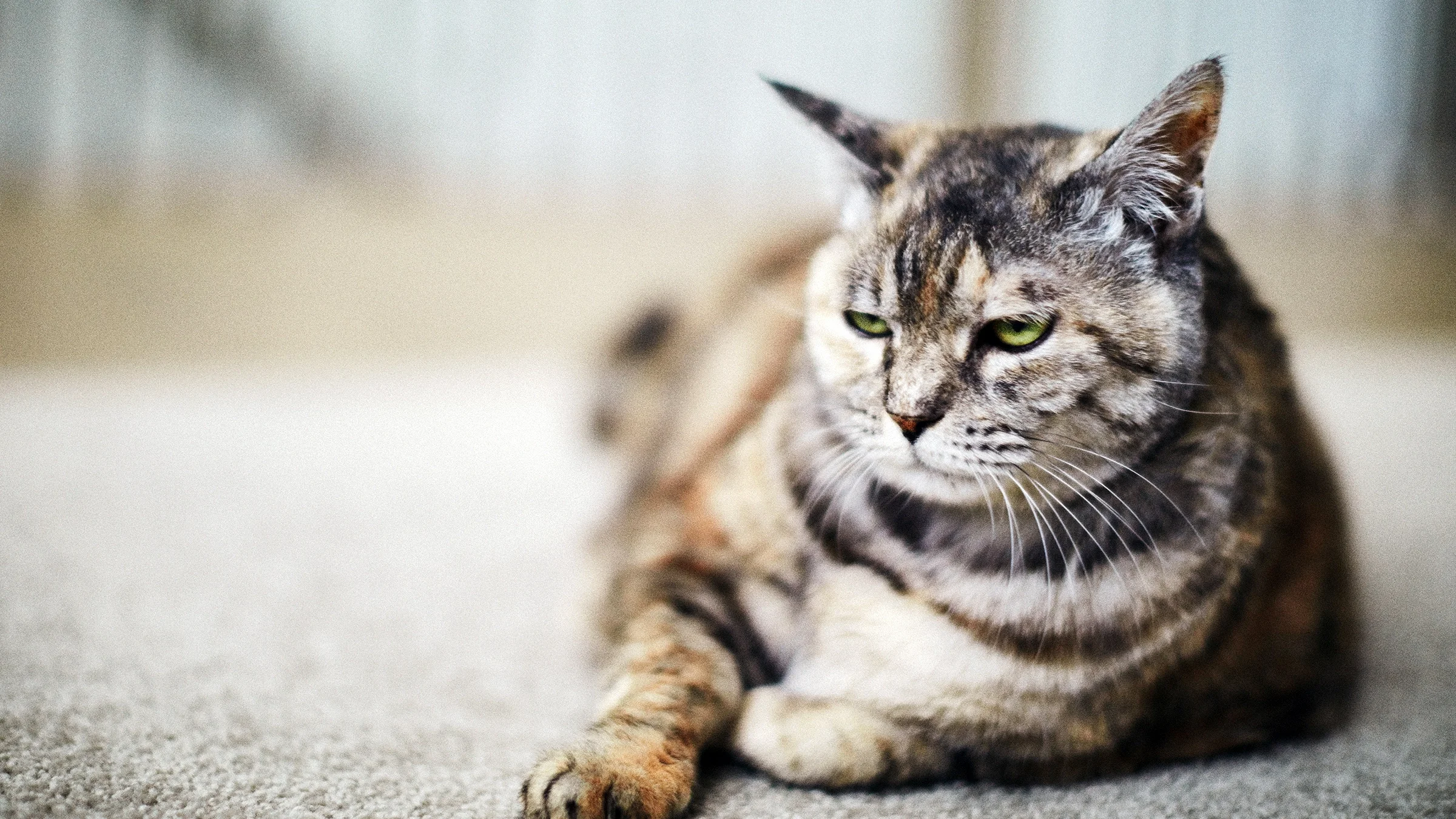
Credit: www.goodrx.com
Key Signs Of Weight Loss In Cats
Weight loss is a common issue in cats with kidney disease. It can affect their health and energy levels. Knowing the signs helps you care for your cat better.
This guide explains the key signs of weight loss to watch for in cats. You will learn about physical changes and behavior shifts.
Visible Physical Changes
One of the first signs of weight loss is a change in your cat’s body shape. You may notice bones becoming easier to feel or see.
Look for thinner legs, less muscle, and a sunken belly. The fur may also look dull or patchy due to poor nutrition.
- Ribs and spine become more noticeable
- Loss of muscle mass on legs and hips
- Visible waistline or sunken belly
- Dull or thinning fur coat
Behavioral Shifts To Watch For
Weight loss often comes with changes in how your cat acts. You might see less energy or less interest in food.
Some cats hide more or avoid playing. They may also drink more water and urinate often because of kidney problems.
- Eating less or skipping meals
- Less active or playful than usual
- Increased water drinking
- More frequent urination
- Hiding or avoiding people
Diet Adjustments For Kidney Health
Kidney disease in cats often causes weight loss. Adjusting their diet helps support kidney health and manage symptoms.
Good nutrition can slow kidney damage and improve your cat’s quality of life. Focus on foods that reduce kidney strain.
Nutritional Needs For Ailing Cats
Cats with kidney disease need diets low in protein and phosphorus. This reduces kidney workload and slows damage.
- Lower protein helps reduce kidney stress.
- Reduced phosphorus protects kidney function.
- Increased water intake prevents dehydration.
- Added omega-3 fatty acids reduce inflammation.
- Controlled sodium keeps blood pressure normal.
Best Foods To Support Kidney Function
Choose foods that follow kidney-friendly guidelines. Wet foods are often better to keep cats hydrated.
| Food Type | Benefit | Examples |
| Low Protein | Less kidney strain | Special kidney diets, boiled chicken |
| Low Phosphorus | Protects kidneys | Rice, egg whites |
| Wet Food | Increases water intake | Canned cat food, homemade broths |
| Omega-3 Rich | Reduces inflammation | Fish oil supplements, salmon |

Credit: kimvet.co.za
Medical Treatments And Care
Cats with kidney disease often lose weight due to poor appetite and nutrient loss. Proper medical care helps manage symptoms and improve their quality of life.
Veterinarians use treatments to slow kidney damage and support cat health. Monitoring is important to adjust care as the disease changes.
Medications To Manage Kidney Disease
Medications can help control symptoms and protect the kidneys. They may reduce blood pressure and lower protein loss in urine.
Some common medicines include phosphate binders, blood pressure drugs, and appetite stimulants. These help cats keep weight and stay comfortable.
- Phosphate binders reduce harmful minerals in the blood
- Blood pressure medications protect kidney function
- Appetite stimulants encourage eating and weight gain
- Anti-nausea drugs help cats feel better
Regular Vet Visits And Monitoring
Frequent vet check-ups track the cat’s kidney health. Tests measure kidney function and detect changes early.
Weight loss and blood test results guide treatment adjustments. Early action can slow disease progress and improve outcomes.
- Blood tests check kidney function
- Urine tests detect protein loss
- Weight checks monitor nutrition status
- Blood pressure measurements track heart health
Home Care Tips For Weight Management
Cats with kidney disease often lose weight. This can make them weak and sick.
Caregivers can help by managing their cat’s weight at home. Small changes help a lot.
Encouraging Appetite And Hydration
Kidney disease can make cats feel less hungry. Offer tasty, easy-to-eat foods.
Fresh water helps keep kidneys working well. Make sure your cat drinks enough.
- Feed small, frequent meals to keep appetite steady
- Warm food slightly to improve smell and taste
- Use wet food for more moisture and easier eating
- Place water bowls in quiet, easy-to-reach spots
- Try pet water fountains to encourage drinking
Creating A Comfortable Environment
Stress can reduce appetite and cause weight loss. Keep your cat calm and relaxed.
A quiet, warm area helps your cat rest and recover better.
- Provide a soft bed in a quiet corner
- Keep litter boxes clean and nearby
- Avoid loud noises and sudden changes
- Spend gentle time petting and talking to your cat
- Keep the room temperature comfortable

Credit: www.reddit.com
Preventing Severe Weight Loss
Cats with kidney disease often lose weight. It’s important to prevent severe weight loss. Keeping your cat’s weight stable helps them stay healthy and happy.
Understanding the early signs and adopting strategies for kidney health can make a big difference. Early detection and ongoing care are key to managing your cat’s weight.
Early Detection And Intervention
Spotting kidney disease early helps prevent weight loss. Watch for signs like increased thirst and frequent urination. Weight checks can alert you to problems.
Consult your vet if you notice changes. Early intervention helps manage the disease better. Regular vet visits are crucial for monitoring kidney health.
- Monitor your cat’s weight weekly
- Look for changes in eating habits
- Schedule regular vet check-ups
Long-term Kidney Health Strategies
Feeding a kidney-friendly diet supports your cat’s health. Special diets are low in phosphorus and protein. This helps reduce stress on kidneys.
Hydration is also important. Cats with kidney disease need plenty of water. Encourage drinking by providing fresh water daily.
| Strategy | Benefit |
| Special Diet | Reduces kidney stress |
| Hydration | Supports kidney function |
| Regular Vet Visits | Monitors health changes |
Frequently Asked Questions
Do Cats Commonly Lose Weight With Kidney Disease?
Yes, cats with kidney disease often lose weight due to reduced appetite and nutrient absorption. Kidney issues affect metabolism and energy balance, causing gradual weight loss.
Why Does Kidney Disease Cause Weight Loss In Cats?
Kidney disease impairs toxin removal, leading to nausea and decreased hunger. Cats eat less and lose muscle mass, resulting in noticeable weight loss.
Can Weight Loss In Cats Indicate Kidney Disease?
Unexplained weight loss in cats can signal kidney disease. Early detection is vital, so consult a vet if your cat loses weight without clear reasons.
How Can I Help My Cat Maintain Weight With Kidney Disease?
Feed a kidney-friendly diet rich in protein and moisture. Regular vet check-ups and appetite stimulants can help manage weight loss in affected cats.
Conclusion
Cats with kidney disease often lose weight due to poor appetite and muscle loss. This weight loss can affect their health and energy levels. Caring for a cat with kidney disease means watching their weight closely. Feeding special diets and giving proper care helps manage symptoms.
Regular vet visits catch changes early and improve quality of life. Understanding weight loss in kidney disease helps you support your cat better. Small steps can make a big difference in your cat’s well-being. Keep love and care at the center of your efforts.

Lily Purrington is the founder of MyKittyPicks.com, a cozy corner of the web dedicated to helping cat lovers discover the best cat products, furniture, toys, and home decor ideas.
A lifelong cat enthusiast, Lily shares trusted tips, honest product recommendations, and stylish inspiration designed to keep kitties happy and homes beautiful.
Her mission is simple: to bring together practical advice and purr-fect picks that make life better for cats and the people who love them.


