
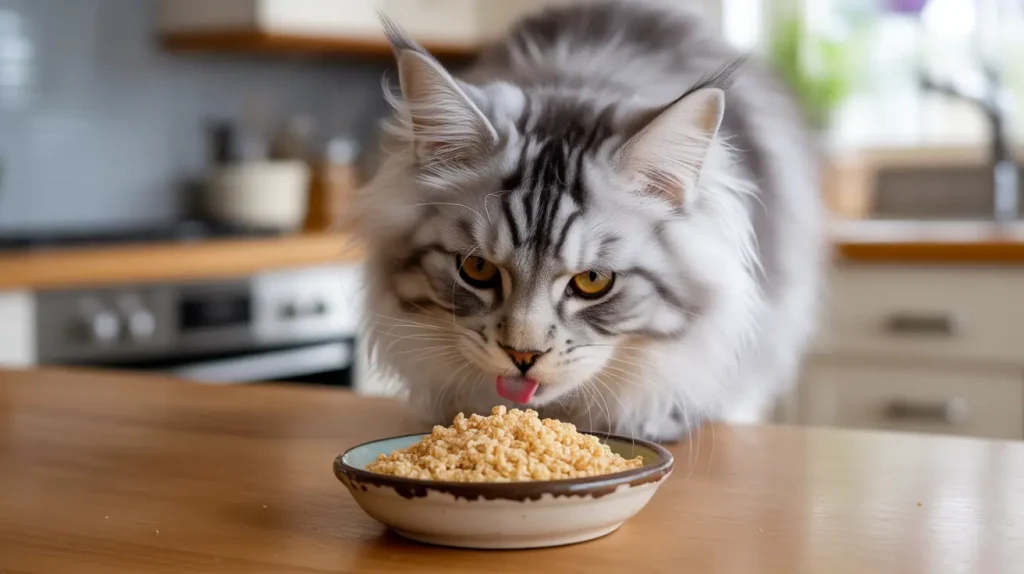
If your cat has kidney disease, you want to make sure everything they eat is safe and healthy. You might have heard about nutritional yeast as a supplement for pets.
But is nutritional yeast safe for cats with kidney problems? Before you add anything new to your cat’s diet, it’s important to know how it could affect their health. This article will help you understand what nutritional yeast is, its benefits, and the risks it may pose to cats with kidney disease.
Keep reading to find out if this popular supplement is a good choice for your furry friend.
Nutritional Yeast Basics
Nutritional yeast is a popular supplement in pet diets. It adds flavor and nutrients without many calories.
Pet owners often wonder if it is safe for cats with kidney disease. Knowing the basics helps answer this.
What Is Nutritional Yeast?
Nutritional yeast is a type of deactivated yeast. It is grown on sugar-rich mediums and then harvested.
This yeast is dried and turned into flakes or powder. It has a cheesy, nutty taste and is rich in vitamins.
- Rich source of B vitamins
- Contains protein and fiber
- Free from gluten and dairy
- Safe for most pets in small amounts
Common Uses In Pet Diets
Pet owners add nutritional yeast to food for taste and health benefits. It can enhance meals for cats and dogs.
Nutritional yeast supports skin health and boosts the immune system. It is also used to improve coat shine.
- Flavor enhancer for dry or wet food
- Source of essential B vitamins
- Supports healthy skin and coat
- May help with digestion and immune health

Credit: www.zealandiapets.com
Kidney Disease In Cats
Kidney disease is a common problem in older cats. It happens when the kidneys lose their ability to filter waste from the blood.
This condition can cause many health issues and needs careful care. Understanding kidney disease helps cat owners provide better support.
Causes And Symptoms
Kidney disease in cats can start from many causes. Some causes are age, infections, or injuries to the kidneys.
Symptoms may not show at first. As disease grows, cats may drink more water and pee a lot.
- Increased thirst and urination
- Loss of appetite
- Weight loss
- Vomiting or nausea
- Bad breath or mouth ulcers
- Lethargy or weakness
Dietary Needs For Kidney Health
Cats with kidney disease need special diets. Food should help lower waste and support kidney function.
Diets often have less protein, phosphorus, and sodium. They also add more water to keep cats hydrated.
- Reduced protein to ease kidney work
- Lower phosphorus to slow damage
- Less sodium to control blood pressure
- Increased water intake for hydration
- Added vitamins and minerals for health
Nutritional Yeast And Kidney Disease
Nutritional yeast is a popular food supplement for humans. It has a cheesy flavor and many nutrients. Some pet owners wonder if it is safe for cats with kidney disease.
Kidney disease in cats needs special care. Diet changes can help manage the condition. It is important to know if nutritional yeast fits in a kidney-friendly diet.
Potential Benefits
Nutritional yeast contains B vitamins and protein. These nutrients can support a cat’s overall health. Some cats may enjoy the taste, which can help with appetite.
B vitamins help keep the nervous system healthy. Protein is important but should be controlled in kidney disease. Nutritional yeast is low in phosphorus, which is good for kidney health.
- Rich in B vitamins like B12 and folate
- Low in phosphorus, which helps kidney health
- May improve appetite in picky eaters
- Contains antioxidants that support the immune system
Possible Risks
Some nutritional yeast products have added ingredients. These may include salt or preservatives that can harm cats with kidney disease. Always check the label for additives.
Too much protein from nutritional yeast may strain weak kidneys. Also, some cats can have allergic reactions or digestive upset. Use small amounts and watch for any changes.
- Possible added salt or preservatives
- High protein can stress damaged kidneys
- Risk of allergic reaction or upset stomach
- Not a replacement for veterinary treatment

Credit: ziggyfamily.com
Nutrient Profile Of Nutritional Yeast
Nutritional yeast is a popular supplement made from yeast cells. It contains many nutrients that could affect cats with kidney disease.
Understanding its nutrient profile helps decide if it is safe for cats with kidney problems.
Protein And Amino Acids
Nutritional yeast is a good source of protein. It contains all nine essential amino acids cats need to stay healthy.
Protein is important for muscle maintenance but too much can strain a cat’s kidneys. Use yeast carefully and in small amounts.
Vitamins And Minerals
Nutritional yeast is rich in B vitamins, especially B12, which supports energy and brain function. It also has minerals like zinc and selenium.
Some vitamins and minerals help cats with kidney disease, but excess amounts may cause issues. Monitor intake closely.
Sodium And Phosphorus Levels
Sodium and phosphorus are important to watch in kidney disease. Nutritional yeast usually contains low to moderate amounts.
- Too much sodium can increase blood pressure.
- High phosphorus can worsen kidney damage.
- Check product labels for exact amounts before use.
Safe Usage Guidelines
Nutritional yeast is sometimes given to cats for extra nutrients. Cats with kidney disease need careful feeding. It is important to use nutritional yeast safely to avoid harm.
Always check with a vet before adding new foods. This helps keep your cat’s kidneys safe and healthy.
Recommended Dosage
Use a small amount of nutritional yeast for cats with kidney disease. Start with a tiny pinch to see how your cat reacts. This helps prevent any kidney stress.
Limit the amount to no more than 1/4 teaspoon daily. Do not give large amounts because it can add extra minerals that harm kidneys.
- Start with 1/8 teaspoon per day
- Increase slowly only if vet approves
- Keep dosage under 1/4 teaspoon daily
- Mix with food for easier eating
Signs Of Adverse Reactions
Watch your cat closely after giving nutritional yeast. Some cats may have bad reactions. Early signs help you stop feeding it quickly.
Common signs include stomach upset or changes in behavior. If you see these, stop use and contact your vet.
- Vomiting or diarrhea
- Loss of appetite
- Increased thirst or urination
- Lethargy or weakness
- Swelling or discomfort
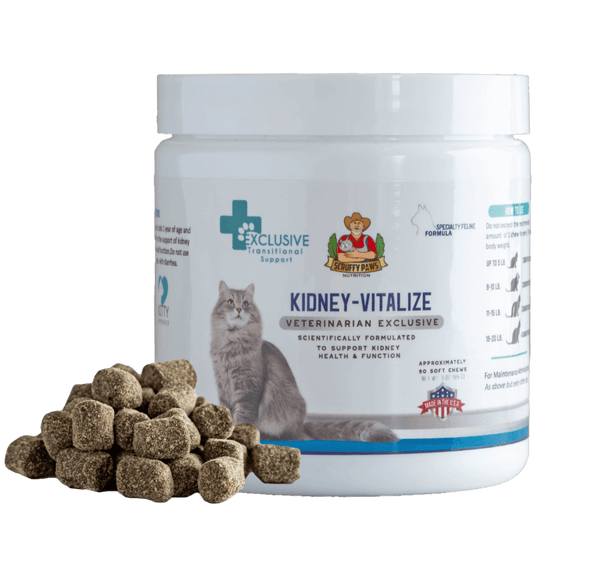
Credit: scruffypawsnutrition.com
Alternatives To Nutritional Yeast
Cats with kidney disease need special diets. Nutritional yeast might not be safe. There are other options for their health.
Consider supplements and dietary changes. These can help manage kidney issues in cats.
Other Supplements For Cats With Kidney Issues
Some supplements help cats with kidney problems. They support kidney function and overall health.
- Omega-3 fatty acids reduce inflammation
- Probiotics improve digestion and gut health
- Antioxidants protect cells from damage
Dietary Adjustments
Diet changes can support kidney health in cats. Choose foods that are easy on the kidneys.
- Low-phosphorus foods reduce kidney strain
- High-quality protein supports muscle health
- Wet food increases hydration
Consulting Your Veterinarian
Nutritional yeast is popular for its health benefits. But is it safe for cats with kidney disease? Consulting a veterinarian is crucial before making dietary changes.
Your vet can provide personalized advice based on your cat’s health. This ensures any dietary changes are safe and beneficial.
Importance Of Professional Advice
Veterinarians have the expertise to evaluate your cat’s health needs. They can guide you on whether nutritional yeast is safe for your cat with kidney disease.
- They assess your cat’s current kidney function.
- They check for any adverse reactions to new foods.
- They recommend suitable dietary supplements.
What To Ask Your Vet
Preparing questions for your vet visit helps in making informed decisions. Here are some important questions to consider.
- Is nutritional yeast safe for my cat’s kidney condition?
- What are the potential benefits and risks?
- How should I introduce nutritional yeast into my cat’s diet?
- Are there alternative supplements you recommend?
Frequently Asked Questions
Is Nutritional Yeast Safe For Cats With Kidney Disease?
Nutritional yeast can be safe in small amounts for cats with kidney disease. However, consult your vet first. It is low in phosphorus but may contain sodium, which can affect kidneys. Always monitor your cat’s health when introducing new supplements.
Can Nutritional Yeast Benefit Cats With Kidney Problems?
Nutritional yeast may provide B vitamins and protein, supporting overall health. Yet, its benefits for kidney disease are limited. Proper veterinary guidance is essential before adding it to your cat’s diet to avoid worsening kidney issues.
How Much Nutritional Yeast Is Safe For Cats With Kidney Disease?
Only small quantities of nutritional yeast are safe for cats with kidney disease. Excess intake can cause digestive upset or kidney strain. Start with minimal amounts and watch for any adverse reactions, always under vet supervision.
What Nutrients In Nutritional Yeast Affect Cat Kidney Health?
Nutritional yeast contains protein, B vitamins, and trace minerals. While B vitamins support metabolism, excess protein and minerals can stress diseased kidneys. Balance and veterinary advice are crucial to prevent nutrient overload in affected cats.
Conclusion
Nutritional yeast can offer some benefits for cats with kidney disease. Still, it is important to check with a vet first. Every cat’s health needs are different. Some ingredients in nutritional yeast might not suit all cats. Careful use and monitoring can help avoid risks.
Always watch for any changes in your cat’s health. Safe feeding practices keep your pet comfortable and healthy. Remember, your vet is the best guide for your cat’s diet.

Lily Purrington is the founder of MyKittyPicks.com, a cozy corner of the web dedicated to helping cat lovers discover the best cat products, furniture, toys, and home decor ideas.
A lifelong cat enthusiast, Lily shares trusted tips, honest product recommendations, and stylish inspiration designed to keep kitties happy and homes beautiful.
Her mission is simple: to bring together practical advice and purr-fect picks that make life better for cats and the people who love them.


