
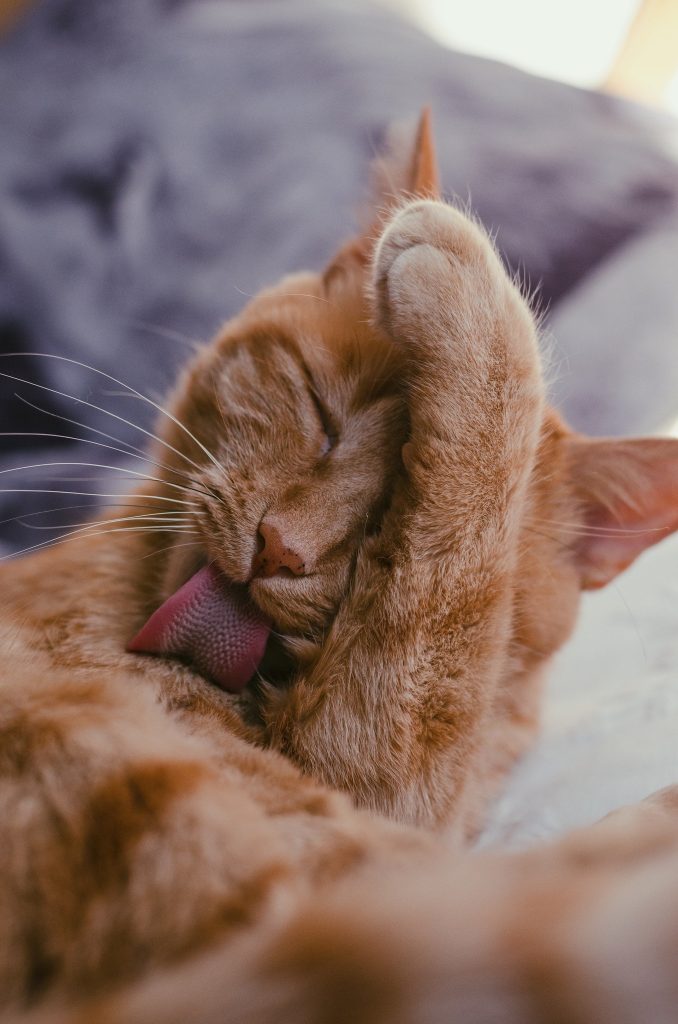
Have you ever wondered just how clean your cat really is? You might think cats are naturally hygienic, but there’s more to it than meets the eye.
Understanding your cat’s cleanliness can help you keep both your pet and home healthier. You’ll discover surprising facts about your cat’s grooming habits and learn simple tips to maintain their hygiene. Keep reading to find out how hygienic your furry friend truly is—and what you can do to support their well-being.
Cats’ Grooming Habits
Cats are known for their remarkable grooming habits. They spend a large part of their day cleaning themselves. This behavior helps them stay fresh and healthy. Grooming removes dirt, loose fur, and parasites. It also keeps their skin healthy and controls body temperature.
Frequency Of Self-cleaning
Cats groom themselves several times each day. On average, they spend about 30-50% of their waking hours grooming. This frequent cleaning keeps their fur clean and smooth. Older cats may groom less often, sometimes due to health issues. Kittens learn grooming from their mother and start early. Regular self-cleaning helps prevent infections and skin problems.
Techniques Cats Use To Stay Clean
Cats use their tongue as a natural cleaning tool. Their tongues have tiny, hook-like structures called papillae. These help remove dirt and loose hair. Cats lick their fur in a slow, methodical way. They also use their front paws to wipe their face and head. Some cats chew their claws to keep them sharp and clean. Grooming also helps cats relax and reduce stress.
Saliva And Its Role
Cat saliva plays a vital role in their hygiene. Cats use their saliva to clean their fur and keep their skin healthy. It helps remove dirt and loose hair. Saliva also aids in healing small wounds by protecting against infections. Understanding the dual nature of cat saliva can help pet owners care for their cats better.
Cleaning Properties Of Cat Saliva
Cat saliva contains enzymes that help break down dirt and oils on their fur. When cats lick themselves, the saliva acts like a natural cleanser. It removes dust and loose hair, keeping their coat neat. This grooming habit also spreads natural oils, which protect the skin and fur. Saliva helps cool cats down by evaporation, which adds to their comfort.
Potential Germs In Cat Saliva
Cat saliva can carry some germs and bacteria. These microbes are usually harmless to cats but may cause infections in humans. Cat bites or scratches can transfer bacteria like Pasteurella, which causes infections. Allergies to cat saliva proteins are common in some people. Washing hands after petting cats reduces the risk of germ transfer. Regular vet visits keep cats healthy and lower infection chances.
Litter Box Hygiene
Litter box hygiene plays a vital role in a cat’s overall cleanliness. Cats instinctively bury their waste. This behavior helps control odors and keeps their environment clean.
A clean litter box encourages cats to use it regularly. Dirty boxes can lead to accidents outside the box. Proper litter box care supports your cat’s health and comfort.
How Cats Use Litter Boxes
Cats naturally seek a quiet, private place to eliminate waste. They dig in the litter to create a small hole. After doing their business, they cover it with litter.
This burying habit helps hide their scent from predators. Cats prefer clean litter with a soft texture. They may avoid boxes that smell strongly or are too dirty.
Maintaining A Clean Litter Environment
Regular cleaning is essential to keep the litter box fresh. Scoop waste at least once a day. This reduces odor and stops bacteria growth.
Change the litter completely every one to two weeks. Wash the box with mild soap and warm water. Avoid harsh chemicals that can harm your cat.
- Place the box in a quiet, low-traffic area.
- Use unscented, clumping litter for best results.
- Keep one more box than the number of cats you have.
- Check for any signs of discomfort or avoidance.
Maintaining a clean litter box promotes your cat’s hygienic habits. It also makes your home more pleasant for everyone.

Credit: medium.com
Common Parasites And Diseases
Cats are known for their grooming habits, but they can still carry parasites and diseases. These health issues can affect both cats and humans. Understanding common parasites and diseases helps keep everyone safe.
Parasites and diseases often hide in a cat’s fur or skin. Some parasites are visible, like fleas, while others, like worms, are not. These can cause discomfort and health problems for cats. They can also spread to other pets or family members.
Parasites Cats May Carry
- Fleas: Small insects that cause itching and skin irritation.
- Ticks: Can attach to skin and transmit serious diseases.
- Ear mites: Tiny bugs that cause ear infections and discomfort.
- Roundworms and hookworms: Intestinal worms that affect digestion.
- Tapeworms: Worms that live in the intestines and shed segments.
- Feline lungworms: Parasites that affect a cat’s breathing.
Risks To Humans And Other Pets
- Fleas can bite humans, causing itching and allergic reactions.
- Ticks may transmit Lyme disease and other illnesses to people.
- Roundworms can infect humans, especially children, leading to health issues.
- Cat scratch disease spreads through bites or scratches from infected cats.
- Ringworm, a fungal infection, can spread between cats and humans.
- Parasites can transfer to other pets, causing widespread problems.
Indoor Vs. Outdoor Cats
Choosing to keep your cat indoors or let them roam outside changes a lot about their daily hygiene. Indoor cats live in a controlled environment where you can easily monitor cleanliness and health. Outdoor cats face different challenges that can impact their grooming habits and overall hygiene.
Hygiene Differences
Indoor cats usually stay cleaner because they are less exposed to dirt, parasites, and pollutants. They spend time grooming themselves, and their environment is easier to keep sanitary.
Outdoor cats encounter mud, leaves, and insects that stick to their fur. This often means they need extra grooming or baths to stay clean. However, some outdoor cats might groom more frequently to remove these elements, showing how instinct drives their hygiene habits.
Have you noticed your outdoor cat bringing home dirt or small pests? This is a common sign that their fur is exposed to more contaminants, which could affect their cleanliness.
Health Risks In Outdoor Environments
Outdoor cats face higher risks of picking up parasites like fleas and ticks. They can also come into contact with harmful bacteria or viruses from other animals or contaminated soil.
These health risks not only affect the cat but can also become a concern for your household. Regular vet check-ups and preventive treatments become essential if your cat spends time outside.
Consider how often you check your cat’s fur and skin for signs of ticks or wounds. These small actions can prevent bigger health issues down the road.
Tips For Keeping Cats Clean
Keeping cats clean is key to their health and happiness. Cats groom themselves well, but they still need care from owners. Regular cleaning helps prevent skin problems and keeps fur shiny. It also reduces hairballs and bad odors. Here are some simple tips to help maintain your cat’s cleanliness.
Regular Brushing And Bathing
Brushing removes loose hair and dirt from your cat’s coat. It stops mats and tangles, especially in long-haired breeds. Use a soft brush and be gentle. Bathing is not often needed but helps if your cat gets very dirty or has skin issues. Use cat-safe shampoo only. Warm water and calm talk make baths less stressful. Dry your cat well afterward to avoid chills.
Veterinary Hygiene Checks
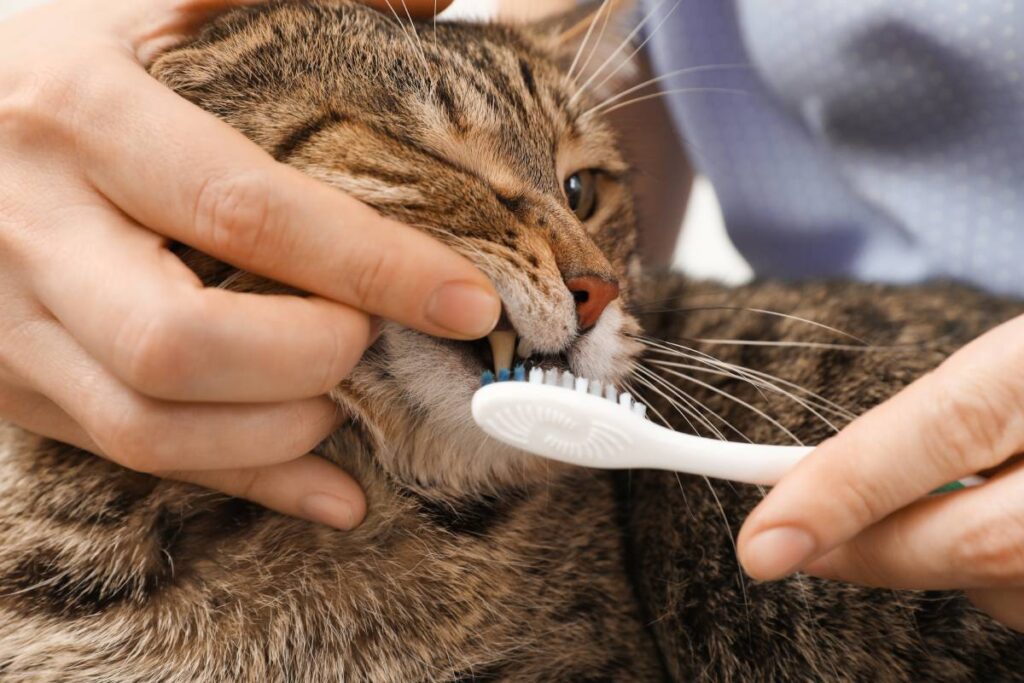
Regular vet visits check for hidden health problems affecting cleanliness. Vets inspect skin, ears, and teeth for infections or parasites. They can recommend treatments if your cat has fleas or mites. Dental hygiene is vital to prevent bad breath and tooth decay. Ask your vet about cleaning your cat’s teeth at home. These checks keep your cat clean and healthy inside and out.
Myths About Cat Cleanliness
Many people believe cats are the cleanest animals, but how much of that is true? There are plenty of myths about cat cleanliness that might surprise you. Understanding these myths can help you better care for your feline friend and keep your home fresh.
Common Misconceptions
One common myth is that cats never need a bath. While cats do groom themselves a lot, some situations—like getting into something sticky or smelly—require a gentle wash.
Another misconception is that cats’ litter boxes are always hygienic by default. If not cleaned regularly, litter boxes can become a breeding ground for bacteria and odors that affect both you and your cat.
Some people also think that cats don’t carry germs or parasites. The truth is cats can carry fleas, ticks, and even bacteria like Toxoplasma gondii, which means regular vet check-ups and hygiene are essential.
What Science Says
Scientific studies show that cats spend up to 50% of their waking hours grooming. This behavior helps them remove dirt, loose fur, and parasites. However, grooming is not a perfect cleaning system.
Research also reveals that cats’ tongues, covered with tiny barbs, help spread natural oils across their fur, keeping it waterproof and shiny. But these barbs can also trap dirt and bacteria, which is why occasional external cleaning can be necessary.
Did you know cats can transfer some germs to humans? While rare, infections like cat scratch disease highlight the importance of keeping your cat and their environment clean.
Knowing what science says about your cat’s hygiene can change how you care for them. Do you regularly check your cat’s coat and litter box? Small habits can make a big difference in your cat’s health and cleanliness.
Credit: weareallaboutcats.com

Credit: brands.live
Frequently Asked Questions
Are Cats Naturally Clean Animals?
Yes, cats are naturally clean animals. They spend a significant amount of time grooming themselves. Their grooming habits help reduce the presence of dirt and parasites. Cats’ tongues are specially designed for cleaning, featuring tiny barbs that efficiently remove loose fur and debris.
This self-cleaning ability contributes to their reputation for cleanliness.
How Often Do Cats Groom Themselves?
Cats typically groom themselves several times a day. Grooming helps them maintain cleanliness and regulate body temperature. It also stimulates blood circulation and can be a soothing activity. This self-maintenance routine is an essential part of a cat’s daily life, contributing to their overall hygiene and well-being.
Do Cats Need Regular Baths?
Generally, cats do not need regular baths. Their grooming habits usually keep them clean. However, there are exceptions. Cats may require a bath if they get into something sticky or harmful. Some breeds with less fur might need occasional bathing.
Always consult a vet for specific care needs for your cat.
Can Cats Spread Germs To Humans?
Cats can sometimes spread germs to humans through scratches or bites. Proper hygiene can reduce this risk. Regular vet check-ups and vaccinations are crucial to maintaining a cat’s health. Always wash hands after handling cats, especially before eating or touching your face, to minimize germ transmission.
Conclusion
Cats clean themselves often and keep their fur tidy. Their grooming helps remove dirt and loose hair. This habit also lowers the chance of germs spreading. Cats’ tongues have tiny hooks that clean deeply. Still, owners should brush cats sometimes to help more.
Clean water and a healthy diet support cat hygiene well. Overall, cats are naturally clean animals that stay neat daily. Taking care of their hygiene keeps them happy and healthy. Simple steps from owners can make a big difference. A clean cat is a content cat.

Lily Purrington is the founder of MyKittyPicks.com, a cozy corner of the web dedicated to helping cat lovers discover the best cat products, furniture, toys, and home decor ideas.
A lifelong cat enthusiast, Lily shares trusted tips, honest product recommendations, and stylish inspiration designed to keep kitties happy and homes beautiful.
Her mission is simple: to bring together practical advice and purr-fect picks that make life better for cats and the people who love them.


