
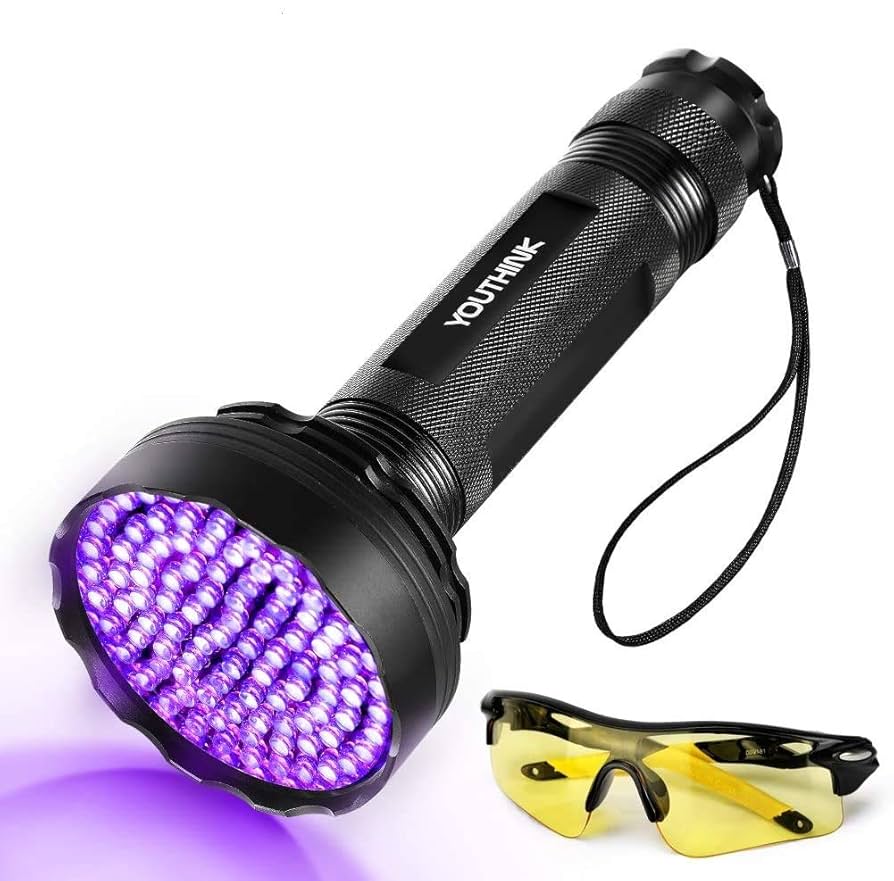
Have you ever wondered if black lights can help you find where your cat has had an accident? If you’re tired of smelling something strange but can’t see any stains, this might be the solution you’re looking for.
Black lights are often talked about as a way to reveal hidden pet messes, but do they really work on cat urine? Keep reading, because understanding how black lights interact with cat urine can save you time, frustration, and keep your home fresh and clean.
Let’s dive into what you need to know to spot those invisible stains and tackle the problem for good.
How Black Lights Work
Understanding how black lights work helps explain their use in detecting cat urine stains. Black lights emit ultraviolet (UV) light, which is invisible to the human eye. When this light shines on certain substances, they glow or fluoresce. This glow makes some materials easier to see in the dark. Cat urine contains compounds that react to UV light, causing them to stand out under a black light.
The Science Behind Uv Light
UV light is a type of electromagnetic radiation. It has a shorter wavelength than visible light. This means humans cannot see UV light naturally. When UV light hits certain materials, it excites their molecules. These excited molecules release energy as visible light. This process is called fluorescence. Different substances glow in different colors under UV light. Cat urine glows bright yellow or green because of chemicals like phosphorus and proteins.
Common Uses Of Black Lights
Black lights have many practical uses beyond finding cat urine. Here are some common examples:
- Detecting stains on carpets and furniture
- Authenticating currency and identification cards
- Highlighting minerals and rocks in geology
- Enhancing special effects in parties and theaters
- Inspecting cleanliness in hotels and restaurants
These uses rely on the same principle of fluorescence. Black lights reveal hidden details invisible to normal light. This makes them a helpful tool in many situations.
Credit: saudi.whizzcart.com
Cat Urine And Fluorescence
Cat urine has a unique quality that makes it visible under black lights. This happens because of a natural glow called fluorescence. Understanding this glow helps in detecting spots where cats have urinated. It also explains why black lights are useful for cleaning and odor removal.
What Causes Urine To Glow
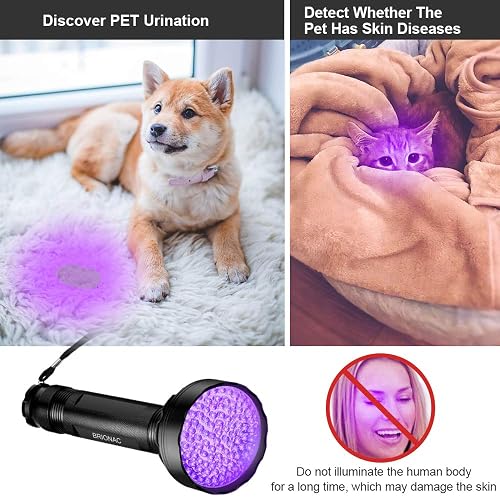
Cat urine contains chemicals that react to ultraviolet (UV) light. One key chemical is called phosphorus. When UV light hits phosphorus, it emits a faint blue-green glow. This glow is called fluorescence.
Other compounds in urine, like proteins and certain minerals, also help produce this light. Fresh urine tends to glow brighter. Older stains may lose their brightness as the chemicals break down.
Factors Affecting Visibility
Several factors change how well cat urine shows up under black lights:
- Age of the Stain:Newer stains glow stronger than old ones.
- Surface Type:Porous surfaces absorb urine, making it less visible.
- Lighting Conditions:Dark rooms make fluorescence easier to see.
- Cleaning Products:Some cleaners remove fluorescent chemicals, hiding urine spots.
- Amount of Urine:Larger spots glow more clearly than small dribbles.
Knowing these factors helps find and clean urine stains more effectively.
Effectiveness Of Black Lights On Cat Urine
Black lights are popular tools for detecting cat urine. They help find hidden stains by making them glow. This is due to the ultraviolet light interacting with compounds in the urine. Cat owners often use black lights for cleaning and odor removal. But how effective are they?
Success Stories And Limitations
Many pet owners share success stories with black lights. They find them helpful for spotting urine stains on carpets and furniture. The glowing effect makes it easier to clean specific areas. These lights are especially useful in multi-pet households. They help identify problem spots and reduce odors.
Yet, there are limitations. Black lights may not work well on all surfaces. Some fabrics and materials might not show stains clearly. Older stains can be more challenging to detect. The effectiveness often depends on the urine’s age and the surface type.
Common Misconceptions
A common misconception is that black lights clean the urine. They only reveal where the urine is located. Cleaning requires additional steps with appropriate cleaners. Another misconception is that black lights show all types of stains. This is not true. They mainly highlight biological stains like urine.
Some believe all black lights are the same. But quality varies. Not all lights offer the same brightness or wavelength. Choosing the right black light ensures better detection.

Credit: www.rd.com
Best Practices For Detecting Cat Urine
Detecting cat urine can be tricky, but using the right techniques makes the process easier and more effective. Knowing how to spot those hidden stains helps you keep your home fresh and odor-free. Let’s dive into some best practices that help you find cat urine quickly and accurately.
Tips For Using Black Lights
Black lights can reveal cat urine stains that are invisible to the naked eye. To get the best results, turn off all other lights and let your eyes adjust to the darkness first. This makes urine spots glow with a distinct yellow-green color under the black light.
Make sure to move the black light slowly over surfaces like carpets, walls, and furniture. This careful scanning helps catch even small or faint stains. Keep in mind that some household materials or detergents might also glow, so always double-check suspicious spots.
Remember, black lights only work on dried urine stains. Fresh wet spots won’t show up well. Have you noticed how some stains only show under black light after a day or two? That’s a good sign you’re dealing with old urine, not just dirt.
Alternative Detection Methods
If you don’t have a black light, there are other ways to find cat urine. One simple method is to rely on your nose—cat urine often has a strong, ammonia-like smell. Walk around your space and sniff carefully near suspected areas.
You can also use enzymatic cleaners that react with urine. These cleaners often change color or foam slightly when applied to urine spots, giving you a visual clue. This method works well if you want to clean and detect at the same time.
Another practical tip is to check for moisture using paper towels or tissues on suspect spots. Even if the stain is not visible, the moisture might transfer and help you identify recent accidents quickly.
Cleaning And Removing Cat Urine Stains
Cleaning and removing cat urine stains can be tricky. The strong smell and stubborn marks need the right approach. Quick action helps prevent lasting damage to floors and furniture. Understanding the best products and prevention tips makes cleanup easier.
Products That Work
Choose cleaners designed specifically for pet urine. Enzyme-based cleaners break down urine molecules, removing odor and stains. Avoid ammonia or bleach; they can worsen smells and harm surfaces.
- Enzyme cleaner sprays or gels
- White vinegar mixed with water
- Baking soda to absorb odors
- Hydrogen peroxide for tough stains
Test products on a small area first. Follow instructions carefully for best results.
Preventing Future Accidents
Identify why cats urinate outside their litter box. Stress, health issues, or dirty litter can cause accidents. Keep litter boxes clean and in quiet places. Provide enough boxes for multiple cats.
- Use attractive, unscented litter
- Clean boxes daily
- Reduce stress with play and attention
- Consult a vet if problems continue
Preventing accidents reduces cleaning needs and keeps your home fresh.

Credit: www.amazon.com
Frequently Asked Questions
Can Black Lights Detect Cat Urine Stains?
Yes, black lights can reveal cat urine stains. Urine contains compounds that fluoresce under UV light, making stains visible. This helps locate hidden spots for cleaning effectively.
How Effective Are Black Lights In Finding Cat Urine?
Black lights are quite effective in detecting fresh and dried cat urine. However, some older or cleaned stains may not fluoresce strongly, requiring additional cleaning methods.
What Causes Cat Urine To Glow Under Black Light?
Cat urine glows due to substances like phosphorus and proteins. These compounds emit visible light when exposed to ultraviolet rays from black lights, making stains easier to spot.
Are Black Lights Safe For Home Use On Pets?
Yes, black lights are generally safe for home use around pets. They emit low levels of UV light, which do not harm animals or humans during brief exposure.
Conclusion
Black lights can help spot cat urine stains in dark areas. The urine glows under the light, making it easier to find. Not all stains show up clearly, so check carefully. Clean the spots quickly to avoid smells and damage.
Use a good cleaner designed for pet stains. Regularly scan your home with a black light for best results. This simple tool helps keep your space fresh and clean.

Lily Purrington is the founder of MyKittyPicks.com, a cozy corner of the web dedicated to helping cat lovers discover the best cat products, furniture, toys, and home decor ideas.
A lifelong cat enthusiast, Lily shares trusted tips, honest product recommendations, and stylish inspiration designed to keep kitties happy and homes beautiful.
Her mission is simple: to bring together practical advice and purr-fect picks that make life better for cats and the people who love them.


