

Have you ever noticed a strange smell in your home but couldn’t find where it’s coming from? If you have a cat, chances are it might be cat urine hiding in places you can’t see.
Detecting these spots early is crucial to keep your home fresh and your furry friend happy. Luckily, there’s a simple tool that can help you uncover these hidden stains— a black light. You’ll learn exactly how to use a black light to find cat urine quickly and effectively, so you can clean it up before it becomes a bigger problem.
Keep reading, and say goodbye to those sneaky stains for good!
Credit: www.walmart.com
Why Use A Black Light
Detecting cat urine can be tricky because it often dries clear and leaves behind little visible evidence. This is where a black light becomes an essential tool. Using a black light helps you spot hidden stains quickly, saving you from lingering odors and potential damage to your home.
How Black Light Reveals Cat Urine
Black lights emit ultraviolet (UV) light that makes certain substances glow in the dark. Cat urine contains compounds like phosphors and proteins that fluoresce when exposed to UV light. This causes the stains to shine a bright yellow-green color, even if they are invisible to the naked eye.
When you turn off the regular lights and shine a black light over the area, you’ll see spots that would otherwise go unnoticed. This makes it easier to target cleaning efforts and prevent your cat from repeatedly soiling the same spot.
Benefits Over Other Detection Methods
- Accuracy:Black lights reveal stains that you might miss with smell or sight alone.
- Non-invasive:You don’t need to move heavy furniture or tear up carpets to find the source.
- Speed:Spotting stains takes just minutes under a black light, saving time compared to trial-and-error cleaning.
- Cost-effective:Compared to professional cleaning or specialized kits, black lights are affordable and reusable.
Have you ever cleaned the same spot repeatedly without success? Using a black light might explain why. It highlights the true problem areas, helping you clean smarter, not harder.
Preparing For The Inspection
Before you begin scanning your home for hidden cat urine spots, setting yourself up for success is crucial. Proper preparation ensures you won’t miss any stains that could cause lingering odors or damage. Taking a few simple steps beforehand can save you time and frustration.
Gathering Necessary Tools
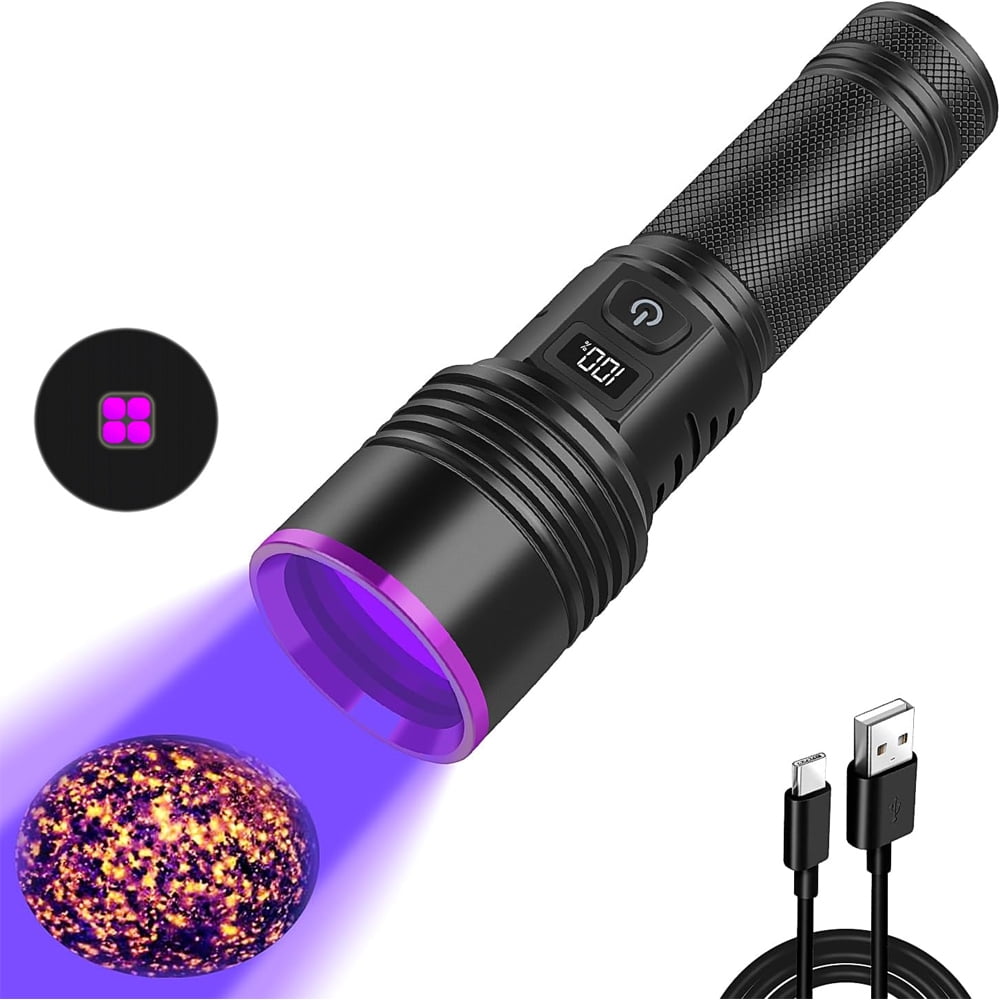
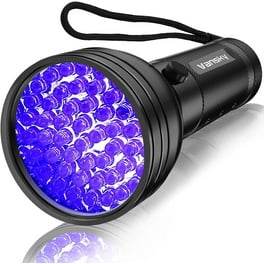
Start by assembling everything you’ll need for the inspection. The most important tool is a reliable black light that emits UV rays strong enough to reveal urine stains. Handheld UV flashlights are affordable and easy to use.
Besides the black light, have a pair of protective gloves ready. Urine can harbor bacteria, so it’s safer to avoid direct contact. Also, bring a flashlight or phone light for normal illumination when switching back and forth from UV light.
Consider having cleaning supplies on hand too. Once you spot a stain, you’ll want to treat it right away to prevent your cat from revisiting the spot. Enzyme-based cleaners work best to neutralize urine odors.
Choosing The Right Environment
Darkness is key for detecting cat urine with a black light. You need to create the perfect setting where the UV light can make stains glow clearly. Turn off all lights and block out any daylight if possible.
Try inspecting at night or in a room with no windows or heavy curtains. Avoid rooms with bright or flickering lights because they can interfere with the black light’s effectiveness. Have patience—your eyes will adjust, and the stains will start to stand out.
Think about the surfaces you want to check. Urine may be harder to spot on carpet fibers but easier on tile or hardwood floors. Do you know the spots your cat favors? Start there and let your intuition guide your search.
Step-by-step Detection Process
Finding cat urine in your home can be tricky. With a black light, it becomes easier. This method is efficient and straightforward. Follow these steps to detect cat urine effectively.
Setting Up The Black Light
First, choose a room to start. Turn off all lights in the room. Darkness is crucial for black light detection. Plug in or switch on the black light. Hold it about one foot from surfaces. Move slowly to ensure you don’t miss spots.
Scanning Common Areas
Cats often urinate in specific places. Focus on areas like carpets, rugs, and corners. Check behind furniture and near litter boxes. Pay attention to walls and baseboards too. These are common spots for urine stains.
Identifying Urine Stains
Look for glowing spots. Cat urine will appear as a bright or yellowish glow. Mark these spots with tape or a sticky note. This helps you remember where to clean. Double-check the marked areas to confirm the stains.

Credit: www.amazon.com
Tips For Accurate Detection
Detecting cat urine with a black light can be tricky if you don’t know the right way to do it. To get accurate results, you need to pay attention to timing and avoid things that can trick the light into showing false spots. These tips will help you find the real stains so you can clean them properly and keep your home fresh.
Best Time To Use The Black Light
The best time to use a black light is in a completely dark room. Turn off all lights and close the curtains to block out any outside light. This makes the urine stains glow clearly against the dark background.
Try scanning the area at night or in a room without windows. You’ll notice the glow much easier when your eyes are fully adjusted to the dark. Have you ever tried spotting a stain with a black light during the day? It’s almost impossible without turning off all the lights.
Also, use the black light after the area has dried. Fresh urine may not fluoresce as well, so give it some time before checking.
Avoiding False Positives
Not everything that glows under a black light is cat urine. Many household items like laundry detergent, certain fabrics, and even some pet food can cause false positives. This can lead to unnecessary cleaning and frustration.
To avoid this, test small areas first to see if the glow matches the typical yellow-green color of cat urine. If you find glowing spots on carpet fibers or upholstery, try cleaning a small section and then recheck with the black light.
Keep in mind that some stains from food spills or mildew also fluoresce. If you see a glow but don’t smell anything or notice dampness, it might not be urine. Have you ever cleaned a spot only to find it wasn’t urine at all? That’s why verifying with a smell test or moisture check is key before diving into deep cleaning.
Cleaning After Detection
After spotting cat urine with a black light, cleaning the area thoroughly is crucial. Simply wiping it off won’t solve the problem. The urine can soak into carpets, floors, and fabrics, leaving lingering stains and odors that invite your cat to mark the spot again.
Effective Cleaning Solutions
Choosing the right cleaning solution can make a huge difference. Enzyme-based cleaners are your best bet because they break down urine molecules at the source. Avoid ammonia or bleach, as they can smell similar to urine and confuse your cat.
You can find enzyme cleaners in most pet stores or online. Spray the affected area generously and let it sit for at least 10 to 15 minutes. Then blot or gently scrub the spot until it’s clean.
If you don’t have enzyme cleaner handy, a mix of white vinegar and water (equal parts) can help neutralize the odor temporarily. However, vinegar may not be strong enough to remove deep stains or odors on its own.
Removing Odors Completely
Odor removal is about more than just masking the smell; you need to eliminate it. After cleaning, sprinkle baking soda over the area. Let it sit for several hours or overnight to absorb any remaining odors.
Vacuum the baking soda thoroughly afterward. You might need to repeat this process a few times if the smell lingers. Have you noticed that some cleaning products don’t seem to work no matter how often you try? That’s because pet urine can be stubborn without the right approach.
For carpets or upholstery, professional steam cleaning can reach deep layers where urine hides. This extra step can save your furniture and keep your home fresh. Don’t ignore the smell; your cat’s comfort and your peace of mind depend on it.
Credit: www.walmart.com
Preventing Future Incidents
Detecting cat urine with a black light is only part of solving the problem. Preventing your cat from marking the same spots again is just as important. Taking proactive steps helps keep your home clean and your cat happy.
Training And Behavior Tips
Understanding why your cat urinates outside the litter box is key. Stress, medical issues, or changes in the environment often cause this behavior. Observing your cat closely can reveal triggers you might not expect.
Try positive reinforcement to encourage proper litter box use. Praise your cat or offer treats when they use the box correctly. Avoid punishment—it can increase anxiety and worsen the problem.
Consider adding multiple litter boxes if you have more than one cat. Cats sometimes prefer different locations or types of litter. Keeping the boxes clean and placing them in quiet, accessible areas makes a big difference.
Maintaining A Cat-friendly Space
Creating a comfortable environment reduces stress and unwanted urination. Make sure your cat has plenty of hiding spots, scratching posts, and toys to stay engaged.
Regular cleaning of areas where your cat urinates is crucial. Use enzymatic cleaners that break down urine odors; otherwise, your cat may return to the same spot. Have you noticed your cat revisiting a place despite cleaning? That scent might still be there, even if you can’t smell it.
Keep food, water, and litter boxes in separate areas. Cats dislike eating near their bathroom spots. Maintaining this separation respects their natural habits and helps prevent accidents.
Frequently Asked Questions
How Does A Black Light Detect Cat Urine?
A black light makes cat urine glow due to its fluorescent compounds. This glow helps identify hidden spots where urine stains exist, even if invisible to the naked eye. It’s an effective and quick method to locate and clean cat urine thoroughly.
What Areas Should I Check With A Black Light?
Check common spots like carpets, furniture, corners, and hidden spaces. Cats often urinate in quiet, less visible places. Use the black light in a dark room for the best detection results and to catch all urine stains accurately.
Can Black Lights Detect Old Cat Urine Stains?
Yes, black lights can reveal old urine stains if they haven’t been cleaned well. Older stains may glow dimmer but remain visible. This helps in identifying areas needing deeper cleaning to remove odors and prevent repeat marking.
Is Black Light Safe To Use Indoors?
Black lights are safe for indoor use when used properly. Avoid direct eye exposure to the ultraviolet light. It’s a non-invasive and chemical-free method, making it safe for your home and pets while detecting cat urine.
Conclusion
Using a black light helps find hidden cat urine stains easily. It reveals spots that are hard to see with normal light. Clean these areas quickly to stop bad smells and stains. Regular checks keep your home fresh and clean.
This simple tool saves time and effort in cleaning. Your cat’s accidents won’t stay a mystery anymore. Give your home the care it needs with this easy trick. Keep black lights handy for a cleaner, healthier space.

Lily Purrington is the founder of MyKittyPicks.com, a cozy corner of the web dedicated to helping cat lovers discover the best cat products, furniture, toys, and home decor ideas.
A lifelong cat enthusiast, Lily shares trusted tips, honest product recommendations, and stylish inspiration designed to keep kitties happy and homes beautiful.
Her mission is simple: to bring together practical advice and purr-fect picks that make life better for cats and the people who love them.


