
Curious about how cats mate? Whether you’re a cat owner or simply a feline enthusiast, understanding the mating behaviors of cats can be both fascinating and essential.
You might be surprised by the intricate and sometimes puzzling rituals involved in cat reproduction. By exploring this topic, you’ll gain insights that could help you manage your own pet’s behavior more effectively and ensure their well-being. Stick around, and you’ll discover everything from the unique courtship dances to the mysterious calls of the wild that make up the world of feline mating.
Prepare to be intrigued and enlightened as you dive into the captivating world of how cats mate.
Cat Reproductive Cycle
The cat reproductive cycle is a fascinating process that governs when and how cats mate. Understanding this cycle helps you recognize the signs your cat shows and better manage their mating behaviors. It’s a cycle driven by biology but influenced by environment and season, making it both predictable and surprising.
Heat Periods Explained
Female cats go through heat periods, also called estrus, several times a year. These are the times when they are fertile and ready to mate. Each heat can last from a few days up to two weeks, and if the cat doesn’t mate, the cycle will repeat every few weeks.
Heat typically happens more often in spring and summer because of longer daylight hours. But indoor cats with artificial lighting can experience heat all year round. Have you noticed your cat becoming more vocal or restless during certain times? That’s often a sign she’s in heat.
Signs Of Estrus In Female Cats
- Increased vocalization:She might yowl loudly to attract males.
- Restlessness:Your cat may pace or rub against furniture more than usual.
- Affectionate behavior:She may seek more attention and rub against you or objects frequently.
- Posture changes:You might see her assuming a mating position with her rear raised and tail to the side.
These signs are clear signals that your cat is ready to mate. Ignoring them won’t make the behavior stop; instead, it usually intensifies. Have you ever been surprised by how persistent your cat can be during her heat?
Male Cat Mating Behavior
Male cats respond strongly to females in heat. They become more territorial and may roam far from home in search of a mate. You might hear loud yowling or see fights as males compete for the female’s attention.
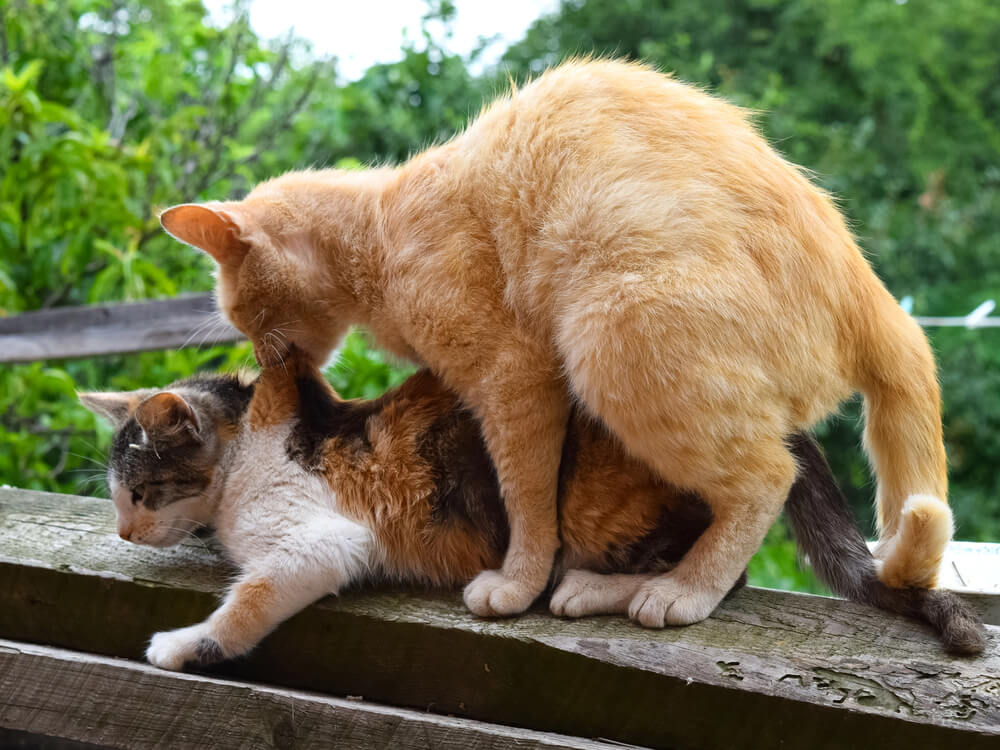
During mating, male cats bite the female’s neck to hold her in place. This might seem rough, but it’s a natural part of the process. After mating, males often leave quickly, but they may return multiple times during the female’s heat period.
Understanding these behaviors can help you keep your cats safe and healthy. How do you manage your male cat’s roaming instincts during mating season?

Credit: www.mediastorehouse.com
Mating Process
The mating process in cats involves specific behaviors and timing. It is a natural cycle driven by instincts and hormones. Understanding this process helps in knowing how cats reproduce and interact during mating.
Courtship Rituals
Courtship starts with the female in heat, signaling readiness to mate. She may rub against objects or call loudly to attract males. The male approaches cautiously, sniffing and circling her. Both cats may engage in playful chasing and gentle biting. This ritual helps them assess each other’s interest and readiness.
Mating Duration And Frequency
Cat mating sessions are brief but intense. Each mating act lasts only a few seconds. The female may mate multiple times over several days. This frequent mating increases the chance of successful fertilization. The entire mating period can last up to a week while the female is in heat.
Role Of Male And Female Cats
The female controls the timing by entering heat cycles. She signals when she is ready through vocalizations and body language. The male responds by competing with other males and seeking the female. During mating, the male mounts the female and holds her firmly. Both roles are important for successful reproduction.
Pregnancy And Birth
Understanding the pregnancy and birth phase of cats is crucial if you want to support your feline friend through this important time. Pregnancy in cats brings noticeable changes, and being prepared can make the experience smoother for both you and your cat. Let’s look at what happens during this phase and how you can help your cat stay comfortable and healthy.
Gestation Period
The gestation period for cats usually lasts between 63 and 67 days. This means from the moment your cat mates successfully, you have about nine weeks before the kittens arrive. The length can vary slightly depending on the individual cat and the number of kittens she’s carrying.
During this time, your cat’s body is working hard to develop the kittens, so she will need extra care and nutrition. Have you noticed how your cat’s appetite might increase or how she seeks out quiet places to rest? These are natural signs of pregnancy progressing.
Pregnancy Symptoms
Recognizing pregnancy symptoms early helps you provide the right care. Common signs include a swollen belly, enlarged nipples that may turn pink, and changes in behavior such as increased affection or sometimes irritability.
Your cat may also become more tired and less playful than usual. If you see your cat eating more or resting more often, it’s a good idea to check with a vet to confirm the pregnancy and discuss diet changes. Do you know that some cats even hide away to find a safe place before giving birth?
Preparing For Kitten Delivery
Setting up a cozy, quiet nesting area is essential as your cat approaches delivery. Use a box or a soft bed in a warm, private corner where she can feel safe. Add clean blankets or towels that you can change regularly.
Keep an eye on her as she nears the due date, which you can estimate based on mating time. It’s important to have the vet’s contact information handy in case of any complications. Would you feel ready to assist if your cat started showing signs of labor late at night?
By observing these changes and preparing carefully, you can help your cat have a smooth pregnancy and a safe birth experience. Your attentive care makes a big difference during this critical time.

Credit: www.mediastorehouse.com.au
Post-mating Care
After cats mate, proper care is important for their health and well-being. The female cat, especially, needs attention to stay healthy. Post-mating care ensures both cats recover well and reduces risks during pregnancy. This phase involves health checks, good nutrition, and managing the environment. It also helps prevent unwanted litters.
Health Checks For Cats
Check both cats for any signs of illness or injury after mating. Look for swelling, redness, or discharge around the genital area. Watch for changes in behavior, like lethargy or loss of appetite. A vet visit can confirm their health status. Regular check-ups help detect infections or parasites early. Early care prevents complications during pregnancy.
Nutrition And Environment
Provide a balanced diet rich in proteins and vitamins. Good nutrition supports the female cat’s body during pregnancy. Fresh water should always be available. Create a calm, safe space where the cat feels secure. Limit loud noises and disturbances to reduce stress. Keep the area clean to avoid infections. A quiet environment helps the cat rest and heal.
Preventing Unwanted Litters
Control breeding by spaying or neutering cats. This stops unplanned litters and reduces stray populations. Separate males and females if not planning to breed. Use secure enclosures to avoid accidental mating. Educate family members about responsible pet care. Preventing unwanted litters saves resources and improves cat welfare.
Common Mating Challenges
Mating can be a tricky time for cats and their owners. Many challenges arise that can affect the success and safety of the process. Understanding these common obstacles can help you manage the situation better and keep your cats healthy and stress-free.
Behavioral Issues
Cats often show unpredictable behavior during mating. Male cats may become aggressive or overly dominant, while females might reject advances or become defensive. This can lead to fights, injuries, or prolonged stress for both animals.
Sometimes, a female may not be receptive even when in heat, confusing owners who expect immediate results. Patience is key, but watching for signs like growling, hissing, or avoidance helps you know when to step in.
Health Risks
Mating carries health risks for both cats. Injuries from fights or rough mating can cause wounds or infections. There’s also the risk of transmitting diseases like feline immunodeficiency virus (FIV) or feline leukemia virus (FeLV).
Pregnancy itself can be risky if the female is too young, old, or unhealthy. You might not realize how important proper nutrition and veterinary care are until complications arise. What measures do you take to ensure your cats’ safety during this time?
When To Consult A Veterinarian
Knowing when to get professional help can save your cat’s life. Consult a vet if you notice excessive aggression, injuries, or signs of illness after mating attempts. Unusual behavior, such as lethargy or refusal to eat, also calls for immediate attention.
If you’re unsure about your cat’s reproductive health or planning to breed, a vet’s guidance is invaluable. They can provide advice on timing, health checks, and vaccinations to reduce risks. Don’t wait for problems to escalate—early intervention can make a big difference.

Credit: www.youtube.com
Frequently Asked Questions
How Do Cats Find A Mate?
Cats use scent marking and vocalizations to attract mates. Females in heat release pheromones. Males detect these scents and seek the female for mating.
When Do Cats Usually Mate?
Cats typically mate during the female’s heat cycle, which occurs several times a year. This period lasts about 5 to 9 days, signaling fertility.
What Behaviors Indicate Cats Are Ready To Mate?
Females show restlessness, vocalizing loudly and rubbing objects. Males become more territorial and aggressive during mating seasons. These behaviors indicate readiness to mate.
How Long Does The Cat Mating Process Take?
Cat mating usually lasts a few minutes. The male mounts the female, and after mating, the female may hiss or bite to end the process.
Conclusion
Cats mate through a natural, instinctive process. Male cats compete to attract females. Females signal when they are ready to mate. The mating act is quick but intense. Afterward, the female cares for her kittens. Understanding this helps pet owners manage cats better.
It also supports responsible pet care and breeding. Cats’ behavior during mating shows their wild nature. Observing it offers insight into their life cycle. This knowledge benefits anyone who loves and cares for cats.

Lily Purrington is the founder of MyKittyPicks.com, a cozy corner of the web dedicated to helping cat lovers discover the best cat products, furniture, toys, and home decor ideas.
A lifelong cat enthusiast, Lily shares trusted tips, honest product recommendations, and stylish inspiration designed to keep kitties happy and homes beautiful.
Her mission is simple: to bring together practical advice and purr-fect picks that make life better for cats and the people who love them.


