
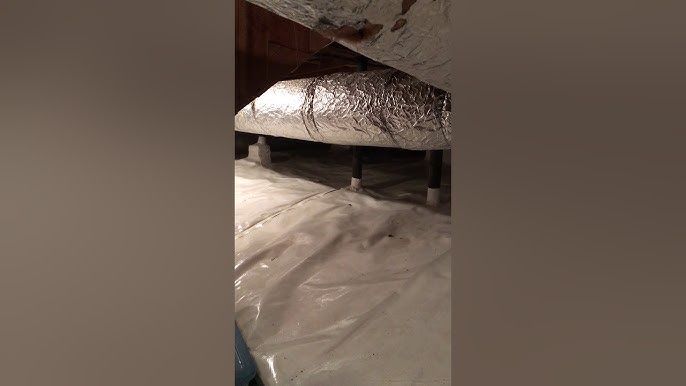
Have you ever caught a strange, unpleasant smell in your home that reminds you of cat urine? You might be quick to blame your furry friend, but what if the real culprit is something you can’t see—like mold?
Understanding whether mold can smell like cat urine is important for your health and peace of mind. You’ll discover the surprising connection between mold odors and cat urine, how to spot the difference, and what you can do to keep your living space fresh and safe.
Keep reading to uncover the truth behind that odd smell and protect your home today.
Credit: www.petscare.com
Mold Odor Characteristics
Understanding the characteristics of mold odors can help you identify hidden mold problems in your home. Mold doesn’t always look obvious, but its smell can be a clear warning sign. Recognizing these smells can save you time and prevent health issues before mold spreads.
Common Mold Smells
Mold often produces a musty or earthy odor that many people find unpleasant. This smell is similar to damp basements, wet leaves, or old books left out too long. If you notice a persistent damp smell, especially after rain or in poorly ventilated areas, mold could be the culprit.
Some molds give off more specific odors, including:
- Musty or stale smells
- Earthy or woody scents
- Sharp or chemical-like odors in some cases
These smells can vary depending on the type of mold and the materials it’s growing on. Have you ever smelled something odd in your closet or behind furniture? That could be mold quietly growing out of sight.
Why Mold Smells Like Cat Urine
It might surprise you, but some molds produce odors that closely resemble cat urine. This happens because certain molds release ammonia or similar nitrogen compounds as they grow. These compounds carry a sharp, pungent smell that many confuse with pet urine.
Another reason is that cat urine contains ammonia, and mold can produce the same chemical naturally. This similarity tricks your nose into thinking a pet accident has happened when, in fact, mold is to blame. Ever cleaned what you thought was cat urine, only to find no stains? Mold might have been the hidden source.
If you notice a urine-like smell with no obvious source, check areas prone to moisture like under sinks, around pipes, or behind appliances. Addressing mold early prevents the smell from becoming stronger and protects your home’s air quality.
Sources Of Cat Urine Smell
Cat urine has a very strong and distinct smell. Sometimes, other odors can seem like cat urine but come from different sources. Understanding what causes the smell helps identify the problem quickly.
Actual Cat Urine
Cat urine has a sharp, ammonia-like odor. It often comes from:
- Unclean litter boxes
- Accidents outside the box
- Marking territory on walls or furniture
- Hidden spots where cats feel safe to urinate
The smell is usually very intense and hard to remove. It can linger on carpets, fabrics, and wood.
Other Causes Mimicking Cat Urine
Some molds and bacteria produce smells similar to cat urine. These include:
- Certain types of mold growing in damp areas
- Bacterial growth in drains or leaks
- Decaying organic material
These smells can confuse pet owners. Mold odors often have a musty, pungent edge. They may worsen in damp places like basements or bathrooms.
Identifying Mold Vs Cat Urine
Distinguishing between mold and cat urine can be tricky. Both can produce strong, unpleasant odors in your home. Understanding the differences is crucial for addressing the problem effectively. This guide will help you identify the source of the smell and take appropriate action.
Visual Signs
Mold often appears as dark spots or patches on walls or ceilings. It can be black, green, or white. Cat urine doesn’t leave visible marks like mold. It might cause discoloration on fabrics or carpets. Look for damp areas or water damage for mold.
Smell Differences
Mold emits a musty, earthy smell. It’s often described as similar to wet socks. Cat urine, on the other hand, has a sharp, ammonia-like smell. This distinction can help pinpoint the source. Sniff around the suspected area carefully.
Testing Methods
Consider testing to confirm mold presence. Home testing kits are available for mold detection. They can provide initial insights. A professional can offer a detailed analysis. For cat urine, use a black light. It can highlight urine stains invisible to the eye.
Health Risks Of Mold And Cat Urine
Mold and cat urine both produce strong odors that can affect indoor air quality. These smells may cause discomfort and health issues for many people. Understanding the health risks linked to mold and cat urine helps keep your home safe. Both can trigger allergic reactions and respiratory problems. Recognizing these risks supports better prevention and care.
Mold Exposure Effects
Mold releases tiny spores into the air. Breathing these spores can irritate the lungs and throat. Some common effects include:
- Coughing and sneezing
- Runny or stuffy nose
- Eye irritation and redness
- Skin rashes or itching
- Worsening of asthma symptoms
Long-term exposure may cause more serious problems. People with weak immune systems or lung diseases are at higher risk. Mold can also produce mycotoxins, harmful substances that affect health.
Cat Urine Allergies And Risks
Cat urine contains strong chemicals that can cause allergic reactions. The smell comes from ammonia and proteins in the urine. Exposure can lead to:
- Respiratory issues like coughing and wheezing
- Eye and skin irritation
- Headaches and nausea
- Aggravation of asthma symptoms
Cat urine can also damage indoor surfaces, increasing mold growth risk. Keeping areas clean and well-ventilated reduces these health hazards.
Removing Mold And Cat Urine Odors
Removing mold and cat urine odors requires careful cleaning to restore freshness. Both smells can be strong and linger if not treated properly. Effective cleaning methods target the source and eliminate odors fully. Proper steps help keep your home clean and healthy.
Cleaning Techniques For Mold
Start by wearing gloves and a mask for safety. Use a mixture of water and detergent to scrub visible mold. For stubborn mold, apply a solution of white vinegar or a commercial mold remover. Allow the solution to sit for 10-15 minutes before wiping. Ensure the area is dry after cleaning to stop mold from growing again.
Eliminating Cat Urine Smell
Blot the urine spot with paper towels to absorb moisture. Apply an enzyme-based cleaner to break down urine proteins and neutralize odor. Avoid using ammonia or bleach, as these worsen the smell. Let the cleaner sit for at least 15 minutes before blotting it dry. Repeat treatment if the odor remains strong.
Preventing Recurrence
Keep rooms dry and well-ventilated to prevent mold growth. Fix leaks and control humidity levels below 60%. Clean pet areas regularly and train pets to use designated spots. Use air purifiers with HEPA filters to reduce airborne mold spores. Regular inspections help catch problems early before odors return.

Credit: 97zokonline.com
When To Call Professionals
Recognizing when to call professionals can save you time, money, and stress. If you notice a persistent smell resembling cat urine but can’t find any pet stains, it might be mold. Mold odors can be tricky, and tackling the problem without expertise can sometimes make things worse.
Mold Remediation Experts
Mold remediation experts specialize in identifying and removing mold safely. They use advanced tools to detect hidden mold behind walls, under floors, or inside ventilation systems. If the smell lingers despite your cleaning efforts, it’s a sign to get them involved.
These professionals don’t just mask the smell—they address the root cause. They also assess moisture levels and suggest ways to prevent mold from coming back. Have you noticed health symptoms like coughing or headaches around the smell? That’s another reason to call in the experts quickly.
Pet Odor Specialists
Sometimes, the smell you’re dealing with is actually from pet urine or other organic sources. Pet odor specialists have unique products and techniques that neutralize these stubborn smells. If you’re unsure whether it’s mold or pet odor, these specialists can help clarify the issue.
They often use enzymatic cleaners that break down urine molecules instead of just covering the smell. If you’ve tried regular cleaning and the odor persists, their methods might be the solution. Have you ever cleaned a spot multiple times only to find the smell returns? Pet odor pros can stop that cycle.

Credit: www.reddit.com
Frequently Asked Questions
Can Mold Smell Like Cat Urine Indoors?
Yes, some mold species emit odors similar to cat urine. This happens due to microbial volatile organic compounds (MVOCs) released during mold growth, which can mimic ammonia-like smells.
Why Does Mold Sometimes Smell Like Ammonia?
Mold produces MVOCs that include ammonia-like compounds. These compounds create a sharp, pungent smell often mistaken for cat urine or cleaning chemicals.
How To Differentiate Mold Smell From Cat Urine?
Mold odor is usually musty and persistent, while cat urine has a sharper ammonia scent. Mold smell often increases in damp areas and worsens over time.
Is Mold Smell Harmful Like Cat Urine Odor?
Yes, mold smell indicates mold spores presence, which can cause allergies and respiratory issues. Cat urine odor can also trigger asthma or allergies but originates from different sources.
Conclusion
Mold can sometimes smell like cat urine, causing confusion. This happens because both produce strong, musty odors. Identifying the source is key to fixing the problem. Mold needs quick attention to protect your health and home. Clean affected areas and improve ventilation to stop mold growth.
Remember, a strange smell is a warning sign. Act fast to keep your living space fresh and safe. Don’t ignore unusual odors; they often reveal hidden issues.

Lily Purrington is the founder of MyKittyPicks.com, a cozy corner of the web dedicated to helping cat lovers discover the best cat products, furniture, toys, and home decor ideas.
A lifelong cat enthusiast, Lily shares trusted tips, honest product recommendations, and stylish inspiration designed to keep kitties happy and homes beautiful.
Her mission is simple: to bring together practical advice and purr-fect picks that make life better for cats and the people who love them.


