
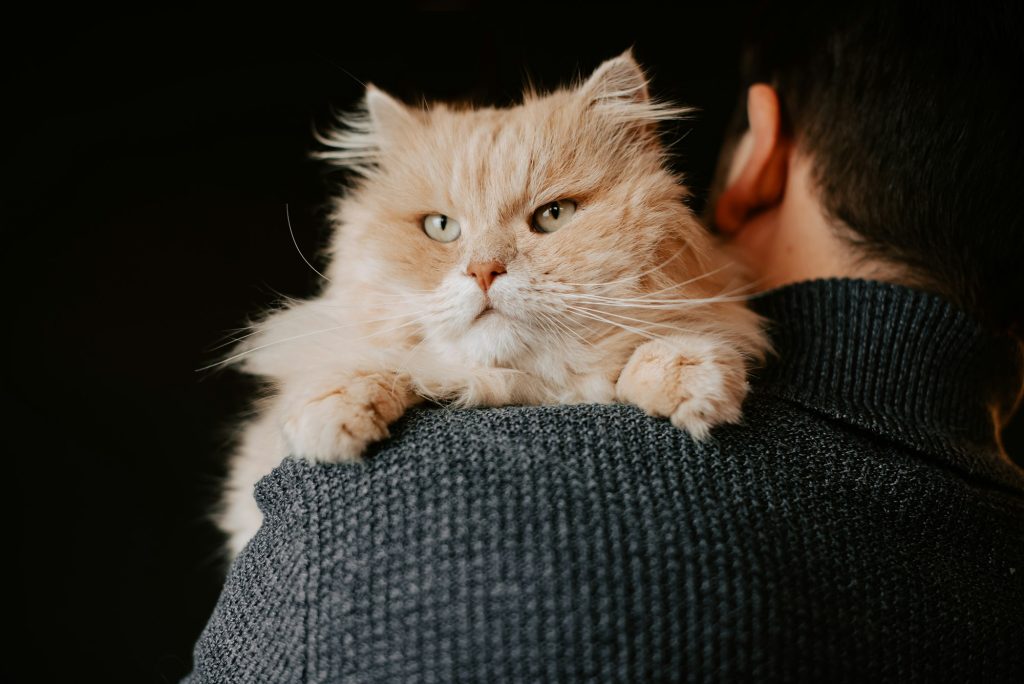
Have you ever noticed your cat acting differently when you’re feeling down or anxious? Maybe they curl up next to you more often or nudge you gently when you’re upset.
It’s almost like they understand your emotions without a single word. But can cats really sense depression and anxiety in humans? If you’ve ever wondered whether your furry friend can pick up on your mood, you’re about to discover some surprising insights.
Keep reading to learn how your cat might be more in tune with your feelings than you think—and how this connection could help you both feel better.
Cats And Human Emotions
Cats have a special connection with human emotions. They often respond to how people feel around them. This bond goes beyond simple companionship. Cats can sense moods and changes in behavior. They use their keen senses to pick up on subtle cues from their owners. This ability helps them react to feelings of sadness or stress.
Understanding how cats perceive human emotions can explain their comforting presence. Many cat owners notice their pets acting differently during tough times. Cats may become more affectionate or stay close to someone feeling down. These reactions suggest cats recognize and respond to emotional states.
How Cats Perceive Human Behavior
Cats observe body language and facial expressions carefully. They notice changes in tone of voice and movements. When a person feels anxious or depressed, their behavior often shifts. Cats pick up on slower movements, less energy, or unusual sounds. These signals help cats understand their owner’s mood.
Cats also sense changes in routine. A person who is depressed might eat less or sleep more. Cats can detect these shifts and may adjust their behavior accordingly. Their sensitive whiskers and ears help them monitor small changes. This awareness allows cats to respond with care.
Signs Cats Notice In Depressed Or Anxious Humans
- Less physical activity or movement
- Quiet or withdrawn behavior
- Changes in voice tone and pitch
- Altered daily habits like eating or sleeping
- Increased sighing or heavy breathing
These signs often trigger a cat’s protective instincts. Cats may stay close, purr, or gently nudge their owners. Some cats become more playful to lift spirits. Others prefer calm and quiet companionship. Their reactions show empathy toward human emotions.

Credit: www.youtube.com
Scientific Evidence On Cats And Mental Health
Scientific research is beginning to uncover how cats might respond to human emotions, especially mental health challenges like depression and anxiety. While cats can’t diagnose or treat these conditions, studies suggest they may provide genuine emotional support. Understanding this connection can help you better appreciate your cat’s behavior during your difficult times.
Studies Linking Cats To Emotional Support
Several studies show that cats can have a positive effect on people dealing with mental health issues. For example, research published in the Journal of Psychiatric Researchfound that pet owners often experience reduced feelings of loneliness and stress. Cats’ presence can offer comfort, which may help ease symptoms of depression and anxiety.
One study noted that people with cats reported fewer doctor visits for mental health concerns compared to those without pets. This suggests cats might play a role in emotional well-being beyond companionship. Have you noticed your cat staying close when you’re feeling down? This behavior might not be random.
Physiological Responses Of Cats To Human Mood
Cats don’t just react to your mood emotionally—they respond physically too. Research indicates cats can pick up on changes in your voice tone, body language, and even scent, which shifts when you’re anxious or depressed. These sensory cues help cats adjust their behavior to what they sense you need.
Some studies show cats may purr more or nuzzle their owners during stressful times, actions that can trigger the release of calming hormones in humans. This purring vibration is not just comforting—it can actually lower your heart rate and blood pressure. Next time your cat curls up on your lap, consider how their presence might be influencing your body’s stress response.
Behavioral Changes In Cats Around Depressed Owners
Cats are known for their mysterious nature and intuitive abilities. Many cat owners have noticed behavioral changes in their feline friends when they themselves are experiencing emotional turmoil. These changes can offer insight into the strong bond between humans and their cats, and may provide some comfort during difficult times.
Increased Affection Or Withdrawal
When you’re feeling down, you might notice your cat becoming more affectionate. They might snuggle up to you more often or sit closer than usual, almost as if they’re trying to offer support. This increased affection can be a way for your cat to sense your emotional state and provide comfort.
On the flip side, some cats may withdraw when they sense depression in their owners. They might become less interested in interaction, opting for solitude. This withdrawal could be their way of processing changes in your mood, or simply their instinctual response to unfamiliar emotional cues.
Changes In Cat Vocalizations And Body Language
Has your cat’s meowing changed when you’re feeling anxious or depressed? Some cats may become more vocal, using different sounds to communicate or provide reassurance. Others might become quieter, mirroring the subdued atmosphere they sense around them.
Pay attention to their body language as well. A cat’s tail, ears, and posture can reveal their awareness of your emotional state. You might notice your cat’s tail positioned differently or their ears perked attentively, reflecting their sensitivity to your mood shifts.
Understanding these behavioral changes can deepen your connection with your cat. It raises an intriguing question: Are our feline companions more attuned to our feelings than we realize? Recognizing and appreciating these subtle signs might just enhance the unique bond you share with your furry friend.
How Cats Help Alleviate Depression And Anxiety
Cats often provide comfort beyond simple companionship. Their presence can reduce feelings of sadness and nervousness. Many people find that spending time with cats helps lift their mood and brings calmness.
Understanding how cats help ease depression and anxiety reveals why they are such popular pets. Their natural behaviors and affectionate nature play a key role in emotional healing.
Therapeutic Effects Of Cat Companionship
Cats offer steady companionship that can ease loneliness. Their quiet presence creates a sense of safety and warmth. Petting a cat releases feel-good hormones like serotonin and oxytocin. These chemicals improve mood and reduce stress.
- Cats encourage routine, which can structure your day.
- Their playful antics distract from negative thoughts.
- Talking or caring for a cat fosters emotional connection.
This gentle interaction helps many people manage symptoms of depression and anxiety.
Purring And Its Calming Impact
A cat’s purr is more than a sign of contentment. The vibration frequency of purring can soothe and relax the human body. It lowers heart rate and eases tension in muscles.
Listening to a purring cat can create a peaceful atmosphere. This natural sound helps reduce anxiety and promote better sleep. Many find it easier to calm down and focus with a purring cat nearby.
Limitations And Misconceptions
Cats often seem sensitive to human emotions, sparking curiosity about their abilities. Many believe cats can sense depression and anxiety in their owners. Still, it is important to understand the limits of what cats can truly perceive. Misconceptions can lead to unrealistic expectations and misunderstandings of cat behavior. Recognizing these limits helps appreciate cats without overestimating their emotional insight.
What Cats Cannot Understand About Human Mental Health
Cats rely on body language, tone, and routine changes. They do not grasp complex human feelings or mental health issues. Depression and anxiety are invisible states with no clear scent or sound for cats. Their reactions come from observable changes, not deep understanding. Cats cannot diagnose or empathize with mental illnesses like humans do. They respond to stress signals, not the causes behind them.
Avoiding Overinterpretation Of Cat Behavior
Cat behaviors often have simple explanations. Seeking too much meaning in their actions can mislead owners. For example, a cat sitting close might want warmth or comfort, not to provide emotional support. Purring or nuzzling can mean contentment or seeking attention. Owners might read signs of empathy where there is only curiosity or habit. It is vital to see cat actions as natural behaviors, not mental health responses.
Credit: www.petscare.com
Tips For Strengthening Your Bond With A Cat
Building a strong connection with your cat can be a powerful way to improve both your lives. Cats often respond to your emotions, and nurturing this bond can create a comforting space for you and your furry friend. Here are some tips to help deepen your relationship and make your home a sanctuary of mutual care.
Recognizing Mutual Emotional Support
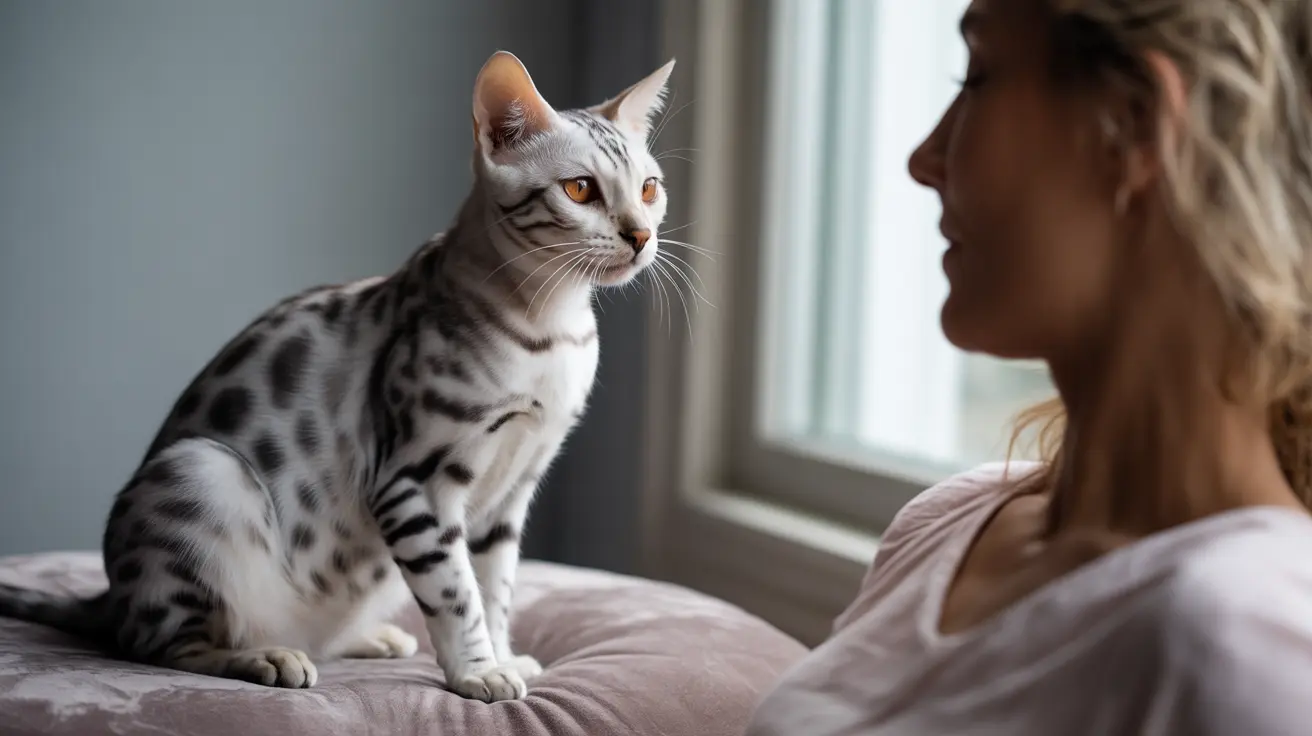
Have you noticed your cat curling up beside you when you feel down? Cats can sense shifts in your mood and often offer quiet companionship. Paying attention to these moments helps you understand their way of showing support.
Return that care by spending time together in calm activities like gentle petting or quiet play. Notice how your cat reacts to different interactions—this feedback guides you in meeting their emotional needs. Building this two-way support strengthens trust and comfort for both of you.
Creating A Supportive Environment For Both
Think about your home setup. Is it calming for you and inviting for your cat? Creating a space where both feel safe can reduce anxiety and improve your bond.
- Provide cozy spots for your cat to retreat and relax, like soft beds or quiet corners.
- Keep a routine for feeding and playtime to give a sense of stability.
- Use soothing sounds or dim lighting to create a peaceful atmosphere, especially during stressful times.
Have you considered how your own habits affect your cat’s comfort? Simple changes like lowering your voice or moving slowly can make a big difference. Try observing your daily routine from your cat’s perspective—what small adjustments could enhance their well-being?

Credit: petcube.com
Frequently Asked Questions
Can Cats Really Sense Human Depression?
Cats can detect changes in human behavior and mood. They often respond to signs like sadness or low energy. Their keen senses help them notice subtle emotional shifts, making them sensitive companions to people experiencing depression.
How Do Cats React To Anxiety In Humans?
Cats may become more affectionate or stay close when sensing anxiety. They might also show curiosity or restlessness. These reactions are their way of offering comfort or responding to the owner’s unease.
Why Do Cats Seem To Comfort Depressed Owners?
Cats provide companionship and warmth, which can ease feelings of loneliness. Their presence releases calming hormones in humans. This natural bond helps reduce stress and improves emotional well-being in depressed individuals.
Can Owning A Cat Reduce Anxiety Symptoms?
Yes, owning a cat can lower anxiety by providing emotional support. Interacting with cats releases oxytocin, a stress-relief hormone. This connection helps calm the nervous system and promotes relaxation.
Conclusion
Cats often notice changes in their owner’s moods and actions. They may respond with comfort or closeness. This shows a special bond between cats and humans. While cats cannot cure depression or anxiety, their presence can help ease feelings. Paying attention to a cat's behavior can offer clues about your emotions.
This connection is natural and comforting. Trust your cat’s quiet support during tough times. It’s a gentle reminder that you are not alone.

Lily Purrington is the founder of MyKittyPicks.com, a cozy corner of the web dedicated to helping cat lovers discover the best cat products, furniture, toys, and home decor ideas.
A lifelong cat enthusiast, Lily shares trusted tips, honest product recommendations, and stylish inspiration designed to keep kitties happy and homes beautiful.
Her mission is simple: to bring together practical advice and purr-fect picks that make life better for cats and the people who love them.


