
Are you frustrated with your cat’s naughty habits? Maybe your furry friend scratches the furniture, ignores your calls, or acts out in ways that leave you puzzled.
You’re not alone, and the good news is that you can change this behavior. Understanding why your cat acts the way it does is the first step to making things better. You’ll discover simple, effective ways to guide your cat toward better behavior—without stress or confusion.
Keep reading, because your cat’s best behavior is closer than you think.

Credit: www.seemour.ai
Common Cat Behavior Issues
Dealing with common cat behavior issues can be frustrating, but understanding why your cat acts a certain way is the first step toward correction. Cats express their needs and emotions through behavior, and sometimes those behaviors clash with your household rules or comfort. Let’s look at some typical challenges cat owners face and how you can address them effectively.
Scratching Furniture
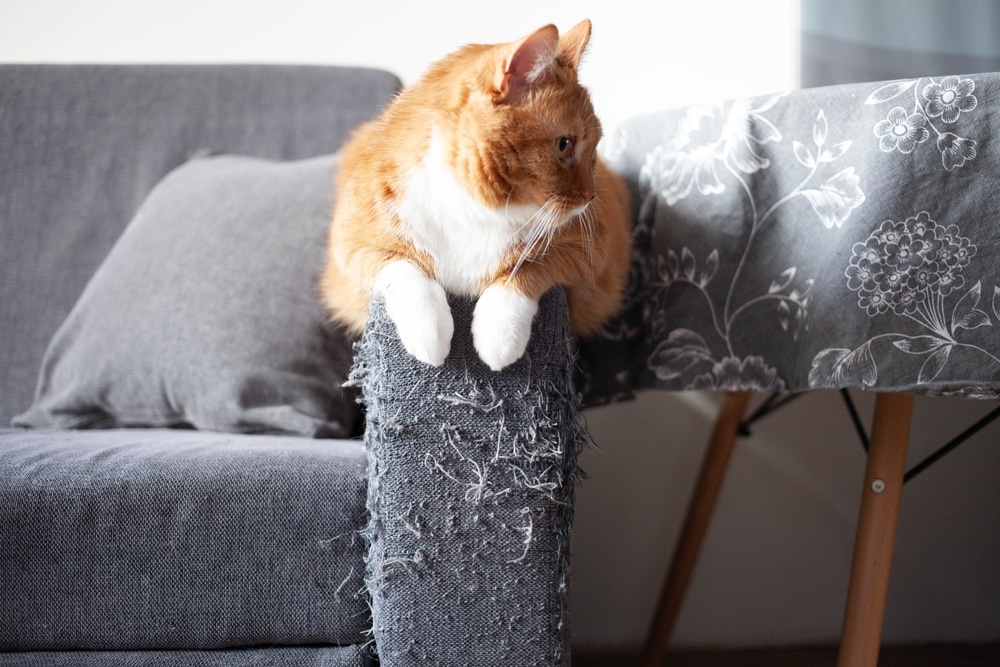
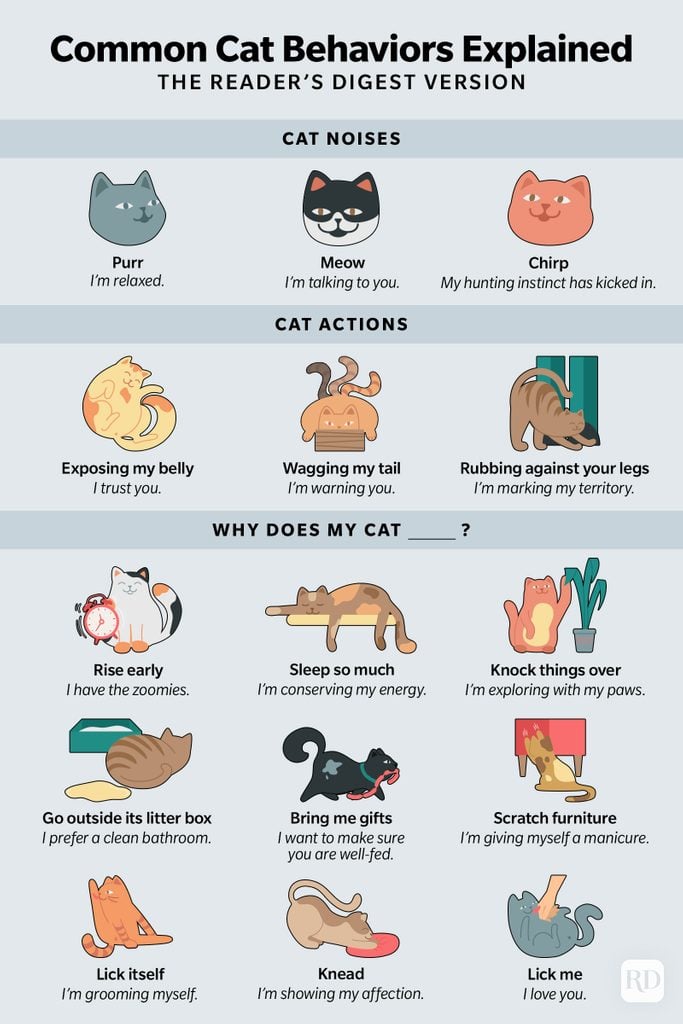
Scratching is a natural and necessary activity for cats. It helps them keep their claws sharp, stretch their muscles, and mark territory. However, when your favorite couch becomes the target, it’s a problem.
To protect your furniture, provide appealing alternatives like scratching posts or pads. Place these near the spots your cat prefers to scratch. Using catnip or toys on the posts can make them more attractive.
Have you noticed if your cat scratches more when stressed or bored? Addressing these emotional needs often reduces unwanted scratching.
Litter Box Problems
When a cat refuses to use the litter box, it’s often a sign of discomfort or dissatisfaction. Common reasons include a dirty box, the wrong type of litter, or the box’s location.
Keep the litter box clean by scooping daily and washing it regularly. Try different types of litter to find your cat’s preference, and ensure the box is placed in a quiet, accessible spot.
Sometimes, medical issues like urinary tract infections cause litter box avoidance. If your cat suddenly stops using the box, consult your vet promptly.
Aggression And Biting
Aggressive behavior or biting can start suddenly and alarm any pet owner. This behavior often signals fear, pain, or overstimulation.
Watch for triggers such as loud noises, unfamiliar people, or rough play. When your cat becomes aggressive, stop interaction immediately and give them space.
Redirect your cat’s energy with toys instead of your hands. If aggression persists, a vet or behaviorist can help identify underlying causes.
Excessive Meowing
While cats meow to communicate, too much vocalizing can be exhausting. Excessive meowing often means your cat wants attention, food, or is feeling unwell.
Try to identify patterns in when your cat meows the most. Responding selectively helps teach your cat that constant meowing won’t always get a reward.
If your cat’s meowing spikes suddenly, rule out health problems with a vet visit. Sometimes, changes in the environment or routine cause increased vocalization.
Credit: caticles.com
Reasons Behind Bad Behavior
Understanding why your cat acts out is the first step toward changing unwanted behavior. Cats don’t misbehave just to annoy you; their actions often signal deeper issues that need your attention. Identifying these reasons helps you respond in ways that truly improve your cat’s well-being and your relationship.
Stress And Anxiety
Stress is a major trigger for many behavioral problems in cats. Changes in the household, like new pets, visitors, or moving, can unsettle your cat and lead to scratching, hiding, or aggression.
Have you noticed your cat acting differently after a stressful event? These signs often mean your cat is overwhelmed and needs a calm space or routine to feel safe again.
Health Problems
Sometimes bad behavior is a cry for help. Pain or discomfort from health issues like urinary tract infections or dental problems can cause sudden aggression or litter box avoidance.
Pay attention to any sudden changes in behavior and schedule a vet visit if you suspect illness. Your cat’s health directly affects its mood and actions.
Lack Of Stimulation
Boredom can turn a playful cat into a destructive one. Without enough toys, playtime, or interaction, your cat might resort to scratching furniture or excessive meowing.
Think about your cat’s daily routine—are you providing enough mental and physical exercise? Adding interactive toys or puzzle feeders can keep your cat engaged and reduce problem behaviors.
Territorial Instincts
Cats are naturally territorial, and this instinct can cause conflict. Introducing a new pet or even seeing a cat outside the window might trigger marking or aggressive behavior.
Have you noticed your cat spraying or growling near doors or windows? These actions are ways your cat defends its territory and needs to be managed with patience and gradual introductions.
Positive Reinforcement Techniques
Reward good behavior with treats or praise to encourage your cat to repeat it. Ignore unwanted actions to reduce their occurrence. Consistency and patience help your cat learn positive habits faster.
Positive reinforcement techniques are a powerful way to shape your cat’s behavior. By rewarding your furry friend for good behavior, you encourage them to repeat these actions. This approach not only strengthens your bond but also makes training an enjoyable experience for both of you.Using Treats Effectively
Using treats can be a game-changer in cat training. Choose small, tasty treats that your cat loves and reserve them exclusively for training sessions. This creates a special connection between the treat and the desired behavior. Be mindful of the quantity you give. Treats should be tiny, no larger than a pea, to keep your cat healthy while still being effective. Remember, the goal is to reward, not to fill them up.Rewarding Good Behavior
Catch your cat in the act of doing something good and reward them immediately. This might be using the scratching post instead of the couch or coming when called. Immediate rewards help your cat understand exactly what behavior you are praising. Consider using verbal praise along with treats. A cheerful “Good job!” can go a long way in reinforcing positive actions. Over time, you might find that praise alone becomes a sufficient reward.Timing And Consistency
Timing is everything in training. Reward your cat within seconds of the behavior to establish a clear connection. If there’s a delay, your cat might not link the reward to their action. Consistency is just as crucial. Ensure everyone in the household is on the same page about which behaviors to reward. Mixed signals can confuse your cat and slow down progress. Think about it: If your cat receives mixed messages, how can they know what’s expected of them? Stay consistent and patient, and you’ll likely see great results.Deterring Unwanted Actions
Deterring unwanted actions in your cat requires patience and smart strategies. You want to guide your feline friend away from behaviors that cause trouble without causing stress or fear. The goal is to create a home where your cat feels comfortable but understands the boundaries clearly.
Safe Deterrents
Using safe deterrents helps you discourage bad habits without harming your cat. Items like double-sided tape on furniture or citrus sprays can be effective because cats dislike sticky surfaces and strong smells.
Try placing aluminum foil on areas where your cat scratches or jumps. Most cats avoid the noisy texture, keeping them away from off-limit spots. Always choose deterrents that won’t cause physical or emotional harm.
Redirecting Attention
When your cat starts an unwanted behavior, gently redirect their attention to something more appropriate. For example, if your cat scratches the sofa, offer a scratching post nearby instead.
Use toys, treats, or playtime to shift their focus. This approach helps your cat learn what they can do rather than just what they can’t. Have you noticed which toys your cat responds to best?
Environmental Adjustments
Sometimes, changing your cat’s environment can prevent problems before they start. Make sure your cat has plenty of mental and physical stimulation to reduce boredom-related mischief.
Adding climbing shelves, puzzle feeders, or cozy resting spots can keep your cat engaged. Also, removing tempting objects like plants or loose wires reduces opportunities for unwanted behavior.
Training Tools And Aids
Training a cat requires patience and the right tools. Using proper aids can help change unwanted behaviors effectively. These tools keep your cat engaged and motivated to learn. They also make the training process more enjoyable for both of you. Here are some useful training aids to consider.
Clicker Training
Clicker training uses a small device that makes a clicking sound. It marks the exact moment your cat does something right. This helps your cat understand which behavior earns a reward. Clicker training works well for teaching tricks and good habits. It is gentle and clear, reducing confusion during training.
Interactive Toys
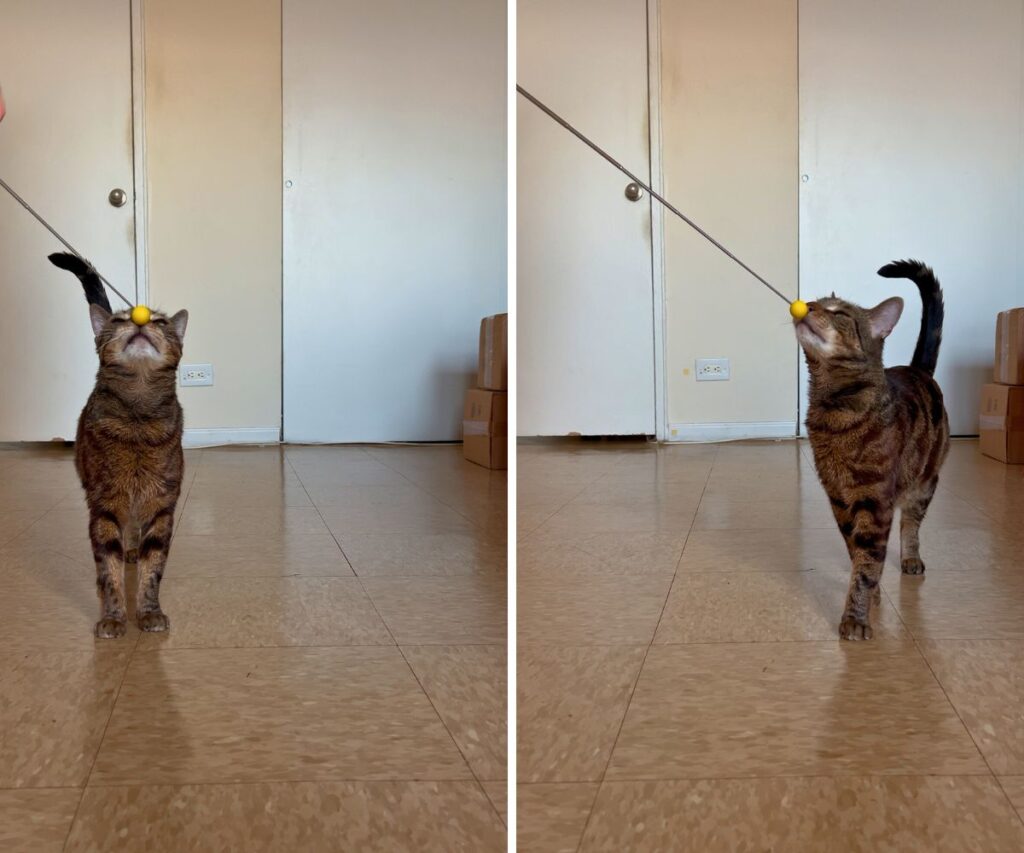
Interactive toys keep your cat active and focused. They stimulate your cat’s mind and body. Toys like feather wands or laser pointers encourage play and exercise. Using these toys can redirect bad behavior like scratching furniture. They also build a stronger bond between you and your cat.
Calming Products
Calming products help reduce stress and anxiety in cats. These include pheromone sprays, diffusers, and calming collars. A calm cat is easier to train and less likely to act out. These products create a peaceful environment for learning new behaviors. Try them if your cat seems nervous or restless during training.
Creating A Cat-friendly Environment
Creating a cat-friendly environment plays a crucial role in correcting your cat’s behavior. Cats act out when they feel bored, stressed, or uncomfortable in their space. Adjusting their surroundings can prevent many unwanted behaviors and help your furry friend feel secure and happy.
Providing Scratching Posts
Scratching is a natural instinct for cats. Without an appropriate outlet, they may target your furniture instead. Adding sturdy scratching posts around your home gives your cat a proper place to sharpen their claws.
Try placing scratching posts near windows or favorite resting spots. Cats like to stretch and scratch after waking up or when observing outside. If your cat ignores the posts, sprinkle some catnip or hang toys on them to attract attention.
Designing Play Areas
Play keeps your cat mentally and physically active, reducing destructive behavior. Create dedicated play zones with a variety of toys like feather wands, balls, and puzzle feeders. Rotate toys regularly to keep your cat interested.
Consider vertical space too. Cats love climbing and perching on shelves or cat trees. Have you noticed how your cat reacts to a new climbing spot? This can provide both exercise and a safe retreat.
Establishing Routines
Cats thrive on predictability. Feeding, playtime, and rest should happen around the same time every day. This helps your cat feel secure and reduces anxiety-driven behaviors like excessive meowing or aggression.
Try to observe your cat’s natural rhythm and adapt your routine accordingly. Have you ever noticed how your cat expects dinner or play at certain times? Sticking to these patterns encourages good behavior and trust.
When To Seek Professional Help
Sometimes, a cat’s behavior can be hard to change alone. Some issues need expert help. Knowing when to ask for help is key to your cat’s happiness. Persistent problems or sudden changes in behavior may signal deeper issues. Professional guidance can save time and stress for both you and your cat.
Behavioral Specialists
Behavioral specialists understand cat psychology. They find the root cause of bad habits. Specialists use safe, effective techniques tailored to your cat’s needs. They help with aggression, anxiety, or litter box problems. Their advice can improve your cat’s life and your bond.
Veterinary Advice
Health issues often cause behavior changes. A vet can check for pain or illness. Some medical conditions mimic bad behavior. Vets may suggest medication or treatments. Early veterinary help can prevent worsening problems.
Training Classes
Training classes teach you how to guide your cat. Professionals show positive methods that work. Classes offer hands-on help and advice. They also provide socialization for shy or aggressive cats. Regular sessions build trust and good habits.
Credit: www.rd.com
Frequently Asked Questions
How Can I Stop My Cat From Scratching Furniture?
Provide scratching posts near furniture to redirect behavior. Use deterrents like double-sided tape on furniture. Reward your cat for using posts. Regular nail trimming also helps reduce damage.
Why Does My Cat Suddenly Bite Or Scratch Me?
Cats may bite due to fear, overstimulation, or play aggression. Learn to read their body language. Avoid rough play and provide toys to redirect biting.
How Do I Train My Cat To Use The Litter Box?
Place the litter box in a quiet, accessible spot. Keep it clean and scoop daily. Reward your cat for using it. Avoid moving the box frequently.
What Are Effective Ways To Discourage Unwanted Cat Behaviors?
Use positive reinforcement to reward good behavior. Avoid punishment, as it can cause fear. Provide enrichment with toys and playtime. Consistency is key in training.
Conclusion
Correcting a cat’s behavior takes time and patience. Stay calm and consistent every day. Reward good actions and gently discourage bad ones. Understand your cat’s needs and feelings. This helps build trust and respect. Small steps lead to big changes over time.
Enjoy the process of learning together. Your cat will grow happier and well-behaved. Keep trying, and don’t give up. Success comes with love and care.

Lily Purrington is the founder of MyKittyPicks.com, a cozy corner of the web dedicated to helping cat lovers discover the best cat products, furniture, toys, and home decor ideas.
A lifelong cat enthusiast, Lily shares trusted tips, honest product recommendations, and stylish inspiration designed to keep kitties happy and homes beautiful.
Her mission is simple: to bring together practical advice and purr-fect picks that make life better for cats and the people who love them.


