

Are you a cat lover who also enjoys having beautiful tulips in your home or garden? You might be wondering, “Are cats safe around tulips?”
It’s a question that matters because your furry friend’s health is important to you. Tulips are stunning flowers, but could they pose a hidden danger to your curious kitty? Keep reading to discover what you need to know to keep your cat safe and your home blooming with beauty.
This simple knowledge could protect your pet from harm—don’t miss it!

Credit: www.journeysmobilevet.com
Tulips And Cat Toxicity
Tulips are popular spring flowers that brighten many homes and gardens. Pet owners often wonder if these beautiful plants are safe for their cats. Understanding the risks tulips pose to cats helps keep them safe and healthy.
Tulips contain substances that can harm cats if ingested. Knowing the toxic parts and symptoms of poisoning is essential for every cat owner.
Toxic Compounds In Tulips
Tulips contain chemicals called tulipalin A and tulipalin B. These compounds are mainly in the bulbs but also exist in leaves and petals. Tulipalin compounds can cause irritation and more serious problems if a cat chews on or eats any part of the plant.
The toxins affect the cat’s digestive system first. They can also cause skin irritation if the cat touches the plant. The risk is higher with bulbs because they hold the most toxins.
Symptoms Of Tulip Poisoning In Cats
Signs of tulip poisoning vary but often appear soon after contact or ingestion. Watch for:
- Drooling or excessive licking
- Vomiting or diarrhea
- Loss of appetite
- Weakness or lethargy
- Swelling or redness in the mouth or paws
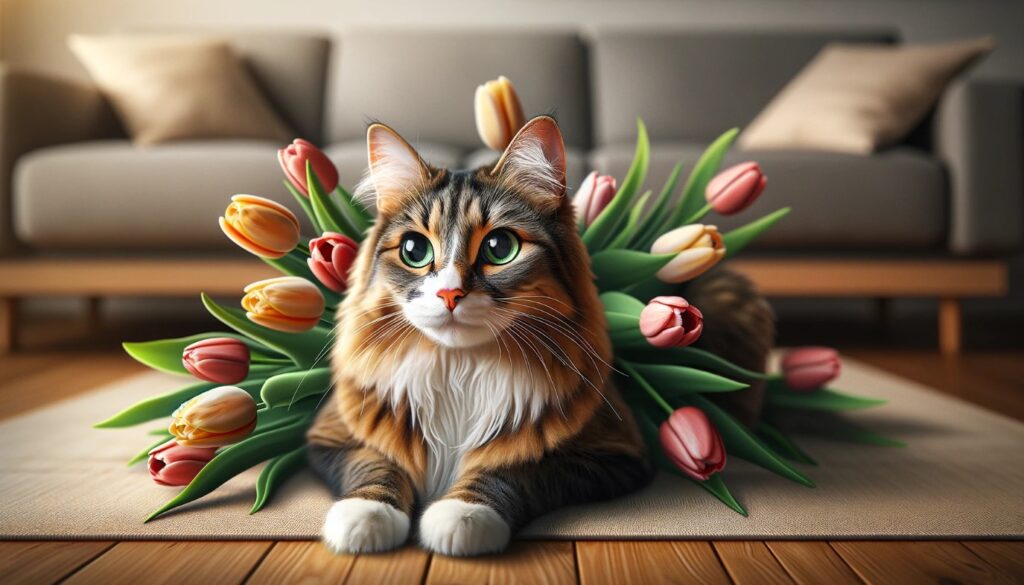
If a cat shows these symptoms, quick veterinary help is important. Early treatment reduces the risk of serious illness.
Credit: www.journeysmobilevet.com
Common Cat Behaviors Around Plants
Cats often show curiosity about plants in their surroundings. They explore by sniffing, pawing, or even chewing on leaves. This behavior is natural but can cause concern for pet owners. Understanding why cats interact with plants helps keep them safe, especially around potentially harmful flowers like tulips.
Why Cats Chew On Plants
Cats chew plants for several reasons. Some do it to relieve boredom or stress. Others might be attracted by the texture or taste. Chewing also helps with digestion by making them vomit hairballs or clear their stomach.
Young cats and kittens often chew plants more. They use this as a way to explore their environment. Some cats may simply like the crunch or smell of certain leaves.
Risks Of Indoor And Outdoor Exposure
Plants indoors and outdoors can pose risks to cats. Tulips contain toxins that can harm cats if ingested. Symptoms include drooling, vomiting, and difficulty breathing.
Outdoor plants also carry dangers like pesticides or parasites. Even safe plants can cause stomach upset or allergic reactions. Monitoring your cat’s behavior near plants is important. Removing toxic plants and offering safe alternatives protects your pet.
Preventing Tulip Poisoning
Preventing tulip poisoning is vital for cat owners who want to keep their pets safe. Tulips contain toxins that can harm cats if ingested. Even small bites can cause vomiting, drooling, and more serious symptoms. Taking simple steps can lower the risk of poisoning and protect your feline friends.
Safe Placement Of Tulips
Keep tulips out of your cat’s reach. Place them on high shelves or inside rooms where cats cannot enter. Avoid placing tulips near windows or doors where cats might jump or play. Use sturdy pots that cats cannot easily tip over. Check for fallen petals or leaves on the floor and remove them quickly.
Alternatives To Tulips For Cat Owners
Choose plants that are safe for cats and still add beauty to your home. Some great options include:
- Spider plants
- Boston ferns
- Areca palms
- Bamboo palms
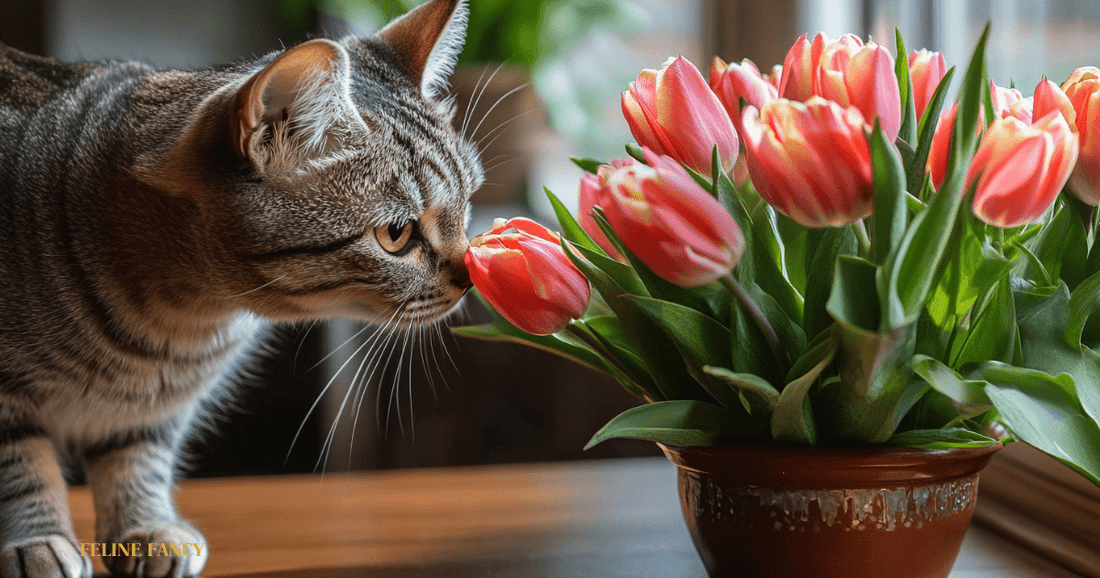
These plants do not contain harmful toxins and are less likely to cause health issues. Always research any new plant before bringing it home to ensure it is safe for pets.
Credit: felinefancy.co.uk
First Aid For Tulip Exposure
Knowing what to do if your cat comes into contact with tulips can make all the difference in their safety. Tulips contain toxins that can irritate or harm your furry friend, so quick and calm action is essential. Here’s how you can help your cat immediately and when to reach out to a professional.
Immediate Steps To Take
If you notice your cat chewing on or near tulips, gently remove them from the area to prevent further exposure. Check their mouth for any plant material and try to wipe it away with a damp cloth if possible.
Rinse your cat’s mouth with small amounts of water to help reduce irritation, but avoid forcing water down their throat. Keep an eye on their behavior—signs like drooling, vomiting, or difficulty breathing mean the toxins might be affecting them.
Make a note of how much and which part of the plant your cat was exposed to. This information will be very helpful if you need to contact a veterinarian.
When To Contact A Veterinarian
Contact your vet immediately if your cat shows any unusual symptoms such as vomiting, diarrhea, excessive drooling, or trouble breathing. Even if symptoms seem mild, it’s better to be safe—some effects can worsen quickly.
Have the plant or a clear photo ready to show the vet. This helps them identify the toxin and decide the best treatment.
Don’t wait for symptoms to worsen before calling. Early intervention can prevent serious complications and save your cat’s life.
Creating A Pet-safe Home Garden
Creating a pet-safe home garden is essential if you share your space with curious cats. Tulips, while beautiful, can be harmful to your feline friends. Making thoughtful choices about plants and gardening habits can protect your pets without sacrificing your garden’s charm.
Choosing Non-toxic Plants
Start by selecting plants that are safe for cats. Some popular pet-friendly options include spider plants, Boston ferns, and cat grass. These plants not only add greenery but also keep your cats safe from toxic reactions.
Before bringing any new plant home, research its toxicity. The ASPCA website is a reliable resource for checking which plants are safe. Avoid tulips and other bulbs like daffodils and lilies, as they contain substances that can cause vomiting, drooling, or more severe symptoms in cats.
Safe Gardening Practices
Keep your garden safe by creating physical barriers around toxic plants. Using fencing or placing plants on high shelves can prevent your cat from nibbling on harmful leaves or bulbs.
Another useful tip is to use pet-safe pest control and fertilizers. Chemicals often contain ingredients that can harm your pets if ingested or absorbed through their paws. Regularly clean your garden area to remove fallen leaves or petals that might tempt your cat.
Have you noticed your cat’s favorite spots in your garden? Try planting cat-friendly herbs like catnip or valerian nearby to draw their attention away from dangerous plants. This simple change can make a big difference in keeping your garden a safe place for your furry companion.
Frequently Asked Questions
Are Tulips Toxic To Cats If Ingested?
Yes, tulips contain toxins harmful to cats. Ingesting tulip bulbs or petals can cause vomiting, diarrhea, and drooling. Immediate veterinary care is recommended if your cat eats any part of a tulip plant.
Can Tulip Pollen Harm My Cat?
Tulip pollen is less toxic than bulbs but can still cause mild irritation. Cats with allergies may experience sneezing or watery eyes. Avoid letting your cat play directly with tulip flowers to prevent any reaction.
What Symptoms Indicate Tulip Poisoning In Cats?
Symptoms include drooling, vomiting, diarrhea, lethargy, and difficulty breathing. If your cat shows these signs after exposure to tulips, seek veterinary help immediately. Early treatment improves recovery chances.
How Can I Keep My Cat Safe Around Tulips?
Place tulips out of your cat’s reach or use cat-safe plants instead. Monitor your cat when near flowers. Consider using barriers or hanging arrangements to prevent access to tulips.
Conclusion
Cats and tulips can be a risky mix. Tulips contain toxins that harm cats. Keep tulips out of their reach. Consider safer plants instead. Always monitor your cat around flowers. Consult a vet if you suspect poisoning. Knowledge keeps your pet safe.
Prioritize their health and safety. Enjoy a beautiful home without risk. Stay informed for your cat’s wellbeing.

Lily Purrington is the founder of MyKittyPicks.com, a cozy corner of the web dedicated to helping cat lovers discover the best cat products, furniture, toys, and home decor ideas.
A lifelong cat enthusiast, Lily shares trusted tips, honest product recommendations, and stylish inspiration designed to keep kitties happy and homes beautiful.
Her mission is simple: to bring together practical advice and purr-fect picks that make life better for cats and the people who love them.


