
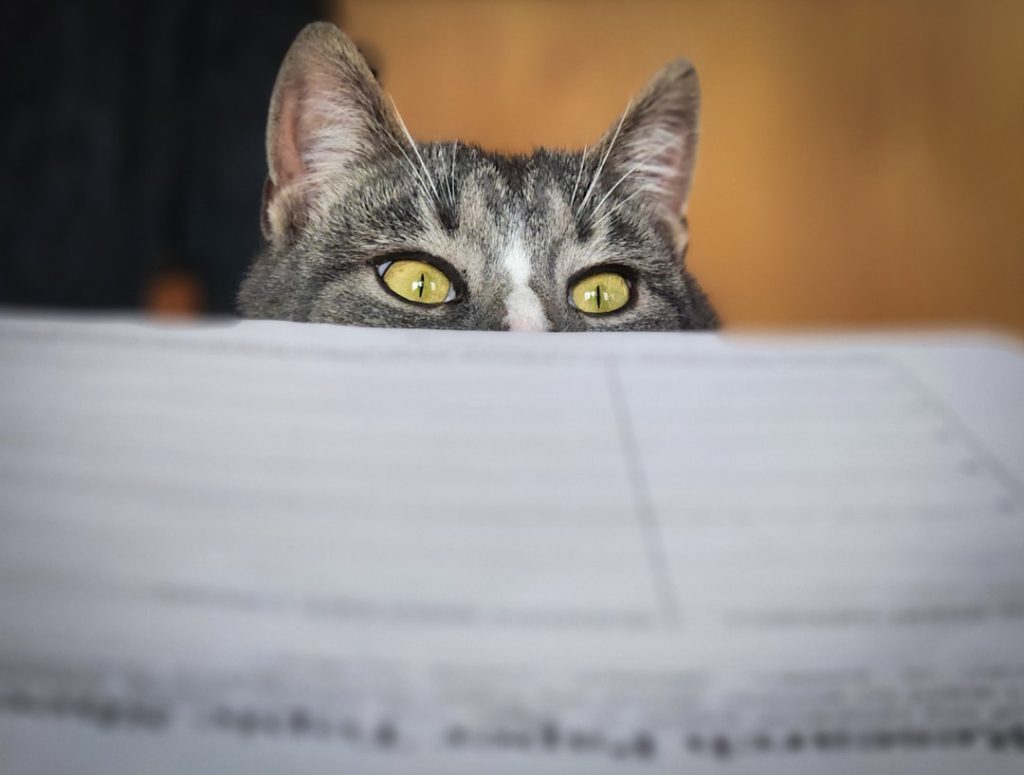
Is your cat acting differently lately? Maybe they hide more, scratch furniture, or seem restless.
You might be wondering, “Does my cat have anxiety? ” Understanding your furry friend’s feelings can be tricky, but you don’t have to guess. This simple quiz will help you spot the signs of anxiety in your cat. By answering a few easy questions, you’ll learn what your cat might be going through—and what you can do to help.
Keep reading to discover if your cat needs extra care and how to make their life calmer and happier.

Credit: us.feliway.com
Signs Of Cat Anxiety
Recognizing the signs of anxiety in your cat is key to helping them feel safe and comfortable. Cats can’t tell us when they’re stressed, so it’s up to you to spot the clues in their behavior and appearance. Noticing these signs early can prevent anxiety from worsening and improve your cat’s quality of life.
Behavioral Changes
Have you noticed your cat suddenly hiding more than usual or avoiding interaction? Anxiety often shows up as changes in how your cat behaves.
- Withdrawal from social activities or family members
- Increased aggression or irritability
- Excessive grooming or scratching
- Loss of interest in play or usual activities
Think about the last time your cat seemed different—did they start pacing or acting restless? These shifts can signal that something is bothering them deeply.
Physical Symptoms
Your cat’s body language and physical health can reveal anxiety too. Watch for signs that might seem unrelated at first.
- Changes in eating or drinking habits
- Sudden weight loss or gain
- Excessive shedding or dull fur
- Frequent vomiting or diarrhea
Could these symptoms be more than just a minor health issue? Anxiety can weaken your cat’s immune system, making physical signs more pronounced.
Vocalization Patterns
Does your cat meow more loudly or frequently than usual? Changes in vocal behavior can be a direct cry for help.
- Increased meowing or yowling, especially at night
- Sudden silence or reduced vocalizations
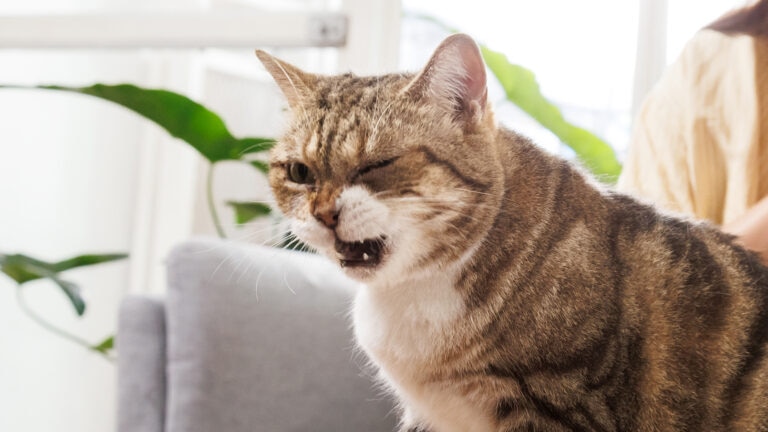
- Hissing or growling without clear cause
Try listening closely—does the tone or frequency of their sounds feel different? Your cat’s voice can reveal anxiety even when their body language doesn’t.
Common Anxiety Triggers
Recognizing what triggers anxiety in cats helps manage their stress better. Cats are sensitive creatures. Their anxiety can stem from different sources. Understanding common triggers is key to spotting anxious behavior early.
Environmental Stressors
Sudden loud noises can scare cats easily. Construction sounds, fireworks, or thunder may cause distress. Crowded or cluttered spaces also increase anxiety. Strange smells or new objects disrupt their calm. Cats prefer quiet and familiar surroundings.
Changes In Routine
Cats thrive on routine and predictability. Shifts in feeding times or play schedules confuse them. Moving to a new home or rearranging furniture upsets their sense of security. Even a new pet or visitor can disturb their normal day.
Social Interactions
Not all cats enjoy social contact. Forced interaction with other pets or strangers can stress them out. Overhandling or rough play makes some cats anxious. They need time to adjust and feel safe around others.
Quick Quiz To Spot Anxiety
Is your cat acting differently lately? Cats can experience anxiety just like humans. Observing their behavior is key. Taking a quick quiz may help you identify signs of anxiety in your feline friend.
Questionnaire Format
This quiz uses simple questions to assess your cat’s behavior. Answer honestly to get the best results. Consider recent changes in your cat’s habits. Here are some questions you might encounter:
- Is your cat hiding more often?
- Has your cat become less playful?
- Is your cat eating less than usual?
- Does your cat seem more aggressive?
- Is your cat grooming excessively?
Interpreting Results
After answering the questions, review your responses. A pattern may emerge. If you answered “yes” to many questions, your cat might be anxious. Look for consistency in behavior changes. This can indicate a deeper issue.
When To Seek Help
If your cat shows signs of anxiety, consider professional help. Persistent anxiety can affect your cat’s health. A veterinarian can offer guidance and support. They may suggest lifestyle changes or treatments. Early intervention can improve your cat’s well-being.

Credit: us.feliway.com
Managing Feline Anxiety
Managing anxiety in cats requires patience and attention. Recognizing signs early helps create a plan to ease their stress. A calm home supports a happier, healthier pet. Small changes can make a big difference in your cat’s mood and behavior.
Creating A Calm Environment
Keep your cat’s space quiet and safe. Limit loud noises and sudden movements around them. Provide cozy spots where your cat can hide and relax. Use soft lighting and keep the room at a comfortable temperature. Make sure fresh water and food are always available. Regular routines help your cat feel secure each day.
Behavioral Techniques
Use gentle play to build trust and reduce anxiety. Spend time petting and talking softly to your cat. Avoid forcing interactions; let your cat come to you. Reward calm behavior with treats or affection. Try puzzle feeders to keep their mind active and distracted. Gradually introduce new people or pets to prevent fear.
Medical Options
Consult a veterinarian if anxiety continues or worsens. They may suggest calming supplements or medications. Prescription options can help balance your cat’s mood. Always follow professional advice and dosage instructions. Regular check-ups ensure your cat stays healthy while managing anxiety.
Preventing Future Stress
Preventing future stress in your cat is key to helping them live a happy, calm life. Anxiety doesn’t just appear out of nowhere; it often builds up when your cat feels uncertain or overwhelmed. You can reduce these feelings by creating a safe, predictable environment and offering plenty of ways for your cat to stay engaged and healthy.
Consistent Routines
Cats thrive on routine. Feeding, playtime, and quiet moments at the same times every day help your cat feel secure. Have you noticed how your cat reacts when you suddenly change their schedule? Keeping things predictable reduces surprises that might cause stress.
Try to stick to regular meal times and avoid sudden loud noises or disruptions. Even small changes, like moving their bed or litter box, can unsettle them. Your cat will thank you for a steady, calm daily rhythm.
Enrichment Activities
Providing activities that stimulate your cat’s mind and body can prevent boredom, a common cause of anxiety. Simple toys, puzzle feeders, and scratching posts keep them busy and satisfied.
Think about the last time your cat chased a feather toy or explored a new box—did you see their mood brighten? These moments of fun and challenge help them release nervous energy and build confidence.
Rotate toys regularly and introduce new smells or textures. You might even try training your cat with treats to learn simple tricks, which can boost their mental sharpness and reduce stress.
Regular Vet Checkups
Health problems often hide behind anxious behavior. Regular vet visits catch issues before they become serious. Has your cat ever acted out of character because they were in pain or discomfort?
Keeping up with vaccinations, dental care, and parasite prevention supports your cat’s overall well-being. Discuss any behavioral changes with your vet—they can suggest treatments or adjustments to help ease your cat’s anxiety.
By combining these habits, you create a foundation that keeps your cat feeling safe and content, reducing the chance of stress creeping back into their life.
Credit: www.chewy.com
Frequently Asked Questions
What Are Common Signs Of Cat Anxiety?
Common signs include excessive grooming, hiding, aggression, vocalization, and changes in appetite. Notice if your cat suddenly acts fearful or restless. Recognizing these signs helps address anxiety early and improves your cat’s well-being.
How Can I Test If My Cat Has Anxiety?
Observe behavior changes like avoidance, trembling, or destructive habits. Use quizzes designed by vets to evaluate anxiety levels. These tools help identify if your cat needs professional help or calming strategies.
Can Environmental Changes Cause Cat Anxiety?
Yes, changes like moving, new pets, or loud noises often trigger anxiety. Cats thrive on routine, so disruptions can stress them. Minimizing sudden changes helps reduce anxiety and keeps your cat calm.
When Should I Consult A Vet For Cat Anxiety?
Consult a vet if anxiety affects eating, sleeping, or causes self-harm. Persistent anxiety needs professional diagnosis and treatment. Early vet intervention ensures proper care and improves your cat’s quality of life.
Conclusion
Understanding your cat’s anxiety helps you care better. This quiz gives clues about their feelings. Notice changes in behavior and mood. Small signs can mean stress or fear. Act early to help your pet feel safe. Talk to a vet for more advice.
Keep watching your cat’s comfort every day. Caring for their well-being shows your love. Anxiety is manageable with patience and care. Your cat deserves peace and happiness at home.

Lily Purrington is the founder of MyKittyPicks.com, a cozy corner of the web dedicated to helping cat lovers discover the best cat products, furniture, toys, and home decor ideas.
A lifelong cat enthusiast, Lily shares trusted tips, honest product recommendations, and stylish inspiration designed to keep kitties happy and homes beautiful.
Her mission is simple: to bring together practical advice and purr-fect picks that make life better for cats and the people who love them.


