
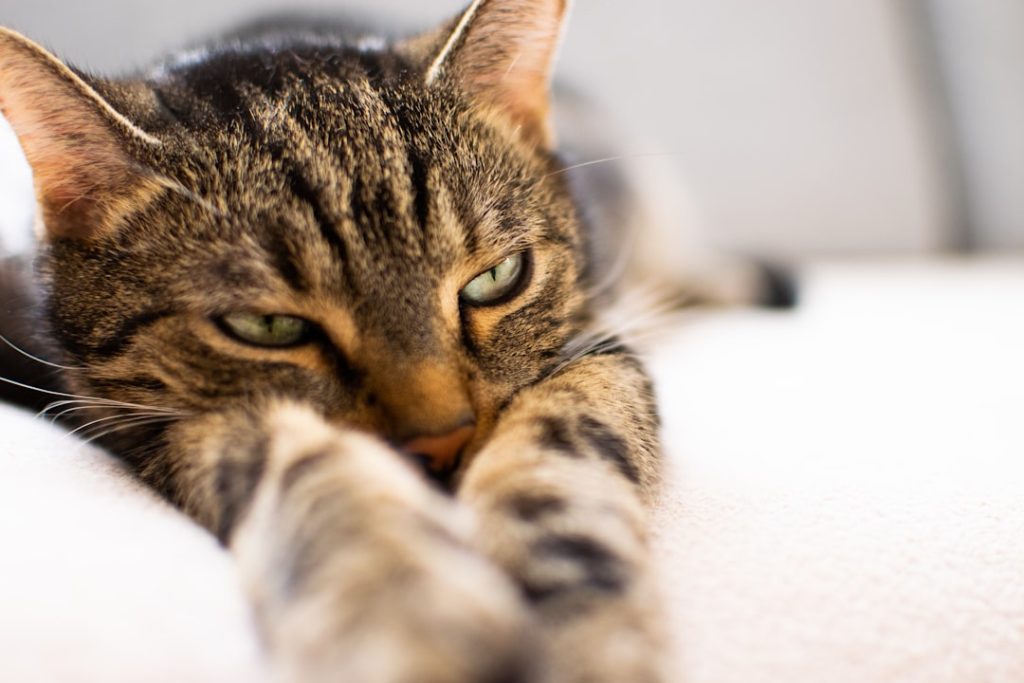
Have you ever noticed your cat acting restless, hiding more than usual, or suddenly becoming clingy? You might be wondering, “Can a cat have anxiety?” Just like people, cats can experience stress and anxiety, and it can affect their health and happiness.
Understanding what causes anxiety in your furry friend and how to spot the signs can help you support your cat better. Keep reading to discover how you can recognize anxiety in your cat and what steps you can take to ease their worries.
Cat Anxiety Symptoms
Recognizing anxiety symptoms in your cat can be tricky because they often hide their stress well. Yet, subtle changes in behavior, physical condition, and habits can reveal how your feline friend is feeling inside. Paying close attention to these signs can help you take timely action and improve your cat’s well-being.
Behavioral Changes
One of the most noticeable signs of anxiety is a shift in your cat’s behavior. You might see your cat suddenly become withdrawn or hide more often than usual. On the other hand, some cats may become clingy or overly aggressive.
Does your cat avoid interaction or seem restless? These changes can signal that something is off. Watch for pacing, excessive grooming, or destructive scratching as well—they often stem from stress.
Physical Signs
Physical symptoms can back up behavioral clues. A cat with anxiety might show signs like a shaky body, dilated pupils, or flattened ears. Weight loss or changes in appetite are also common.
If your cat is scratching or biting itself excessively, this might not just be a skin problem but a sign of anxiety-induced discomfort. These physical signals are your cat’s way of communicating distress without words.
Vocalization Patterns
Changes in vocalization can be a clear indicator of anxiety. If your cat suddenly meows more loudly or frequently, it could be seeking reassurance. Conversely, some cats become unusually quiet when stressed.
Have you noticed your cat’s meows becoming higher-pitched or more urgent? These vocal cues often reflect unease. Pay attention to the timing—are these sounds happening during thunderstorms or when visitors arrive?
Litter Box Issues
Anxiety can disrupt your cat’s bathroom habits. Cats may start urinating or defecating outside the litter box, which is often a cry for help. This behavior can stem from stress or fear of using the box if it’s near a noisy area.
Is your cat avoiding the litter box suddenly? Look for any changes in the box’s cleanliness or location, as these factors can increase anxiety. Addressing this issue quickly can prevent long-term litter box avoidance.

Credit: weareallaboutcats.com
Common Anxiety Triggers
Cats can feel anxious due to many reasons. Recognizing what triggers their anxiety helps in managing it better. Common triggers often come from changes in their surroundings or routine. Understanding these can keep your cat calm and happy.
Environmental Changes
Cats like stable environments. New furniture or rearranged rooms can stress them. Moving to a new home is also unsettling. Even small changes, like new smells, can cause worry. They need time to adjust to new settings.
Loud Noises
Sudden loud sounds scare many cats. Thunderstorms, fireworks, or vacuum cleaners are common triggers. Noise makes them hide or act nervous. Quiet spaces help cats feel safe during noisy times.
New People Or Pets
Introducing new people or animals can cause anxiety. Cats may hide or act aggressive. They need slow and gentle introductions. Familiar scents and quiet meetings ease the process.
Separation And Isolation
Cats can feel lonely if left alone for long. They might meow more or become restless. Regular interaction and playtime reduce stress. Leaving toys or a piece of your clothing comforts them.
Health Conditions Linked To Anxiety
Cats can experience anxiety, which may link to health problems like digestive issues and skin conditions. Stress often worsens these symptoms, affecting a cat’s overall well-being. Recognizing anxiety signs helps provide better care and comfort for your pet.
Cats, like humans, can experience anxiety, which can be linked to various health conditions. Understanding these conditions can help you manage your cat’s anxiety more effectively. Let’s explore some health issues that could be contributing to your feline friend’s stress.Pain And Discomfort
Cats are masters at hiding pain, making it difficult for you to spot any discomfort. Chronic pain from arthritis, dental issues, or injuries can lead to anxiety. Imagine how you’d feel if you were constantly in pain with no way to communicate it—your cat feels the same. You might notice changes in their behavior, such as withdrawal or aggression. Regular vet check-ups can help diagnose and manage pain early, alleviating anxiety.Neurological Disorders
Neurological disorders can also play a significant role in feline anxiety. Conditions such as epilepsy or brain tumors might not only affect their physical health but also their mental state. Watch for signs like seizures, disorientation, or unusual behaviors. Early intervention is crucial, so consult your vet if you notice anything unusual.Hormonal Imbalances
Hormonal imbalances, like hyperthyroidism, can significantly impact your cat’s mood. These imbalances can cause restlessness, weight loss, and increased vocalization. Have you ever felt on edge due to a hormonal imbalance? Your cat might be experiencing something similar. Blood tests can help diagnose these issues, allowing for appropriate treatment and anxiety relief. Addressing these health conditions can make a big difference in your cat’s anxiety levels. Are you observing any of these signs in your pet? Taking proactive steps can help improve their quality of life and reduce their anxiety.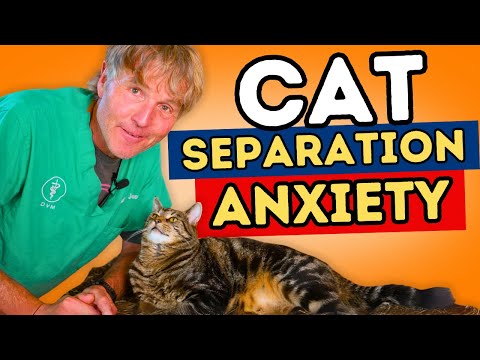
Credit: www.youtube.com
Expert Tips To Ease Cat Anxiety
Helping your cat manage anxiety can improve their quality of life and your bond with them. It’s important to recognize signs of stress and take steps to create a calm environment. Let’s look at practical ways to ease your cat’s anxiety effectively.
Creating A Safe Space
Your cat needs a quiet, comfortable spot where they feel secure. This could be a cozy corner with their favorite blanket or a secluded area away from loud noises and high traffic. Adding hiding places like boxes or cat trees gives them a sense of control over their environment.
Have you noticed your cat retreating to one particular spot when stressed? That’s a clue to make that area more inviting with familiar scents or soft bedding. Consistency in this safe space helps your cat relax faster during anxious moments.
Behavioral Training
Positive reinforcement can reduce anxiety by encouraging confident behavior. Use treats and praise when your cat explores new areas or interacts calmly with people and pets. Avoid punishing fearful behavior, as it can increase stress.
Try interactive play sessions to build trust and distract your cat from anxious thoughts. Toys that mimic hunting can engage their mind and body, releasing nervous energy. What small changes can you make to your daily routine to boost your cat’s confidence?
Calming Products And Supplements
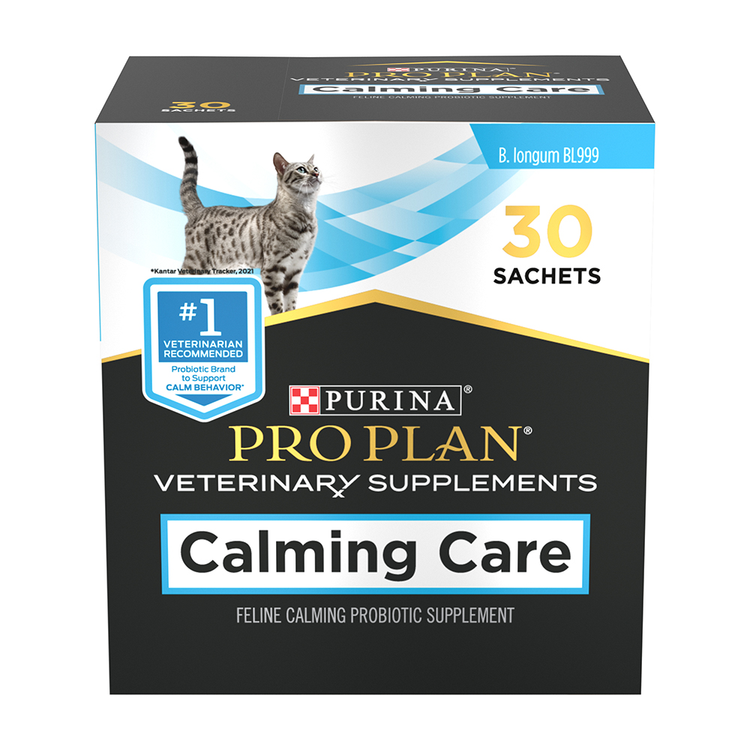
There are many products designed to help calm anxious cats, including pheromone diffusers, calming collars, and herbal supplements. These options can soothe your cat without sedating them, supporting a natural sense of calm.
Always check the ingredients and consult with a vet before introducing new supplements. You might find that combining a pheromone diffuser with a cozy safe space creates a noticeable difference. Have you tried any calming products with your cat?
When To Consult A Vet
If your cat’s anxiety persists or worsens despite your efforts, professional advice is crucial. A vet can rule out medical issues and may suggest behavior therapy or medication. Early intervention often prevents more serious problems down the line.
Don’t hesitate to seek help if your cat’s anxiety affects their eating, grooming, or social behavior. What signs have you noticed that made you consider consulting a professional? Your cat’s well-being depends on timely support.
Preventing Anxiety In Cats
Preventing anxiety in cats is key to ensuring they lead happy, healthy lives. Anxiety can sneak in quietly, affecting their behavior and well-being. You have the power to create a calm environment that helps your cat feel safe and secure every day.
Routine And Consistency
Cats thrive on routine. Feeding, playtime, and sleeping schedules that stay consistent reduce uncertainty and stress. Think about your own life—how do unexpected changes make you feel?
Try to keep daily activities predictable. If you must change something, introduce it gradually to give your cat time to adjust. This steady rhythm helps your cat feel in control and less anxious.
Socialization Strategies
Not all cats enjoy socializing the same way. Some cats prefer quiet one-on-one interactions, while others may benefit from gentle exposure to new people or pets.
Start socialization early and keep experiences positive. Use treats and praise to build trust, and watch your cat’s body language closely. Does your cat seem overwhelmed or curious?
Respect your cat’s limits and avoid forcing interactions. Gradually expanding their comfort zone can make a big difference in reducing anxiety.
Environmental Enrichment
Imagine living in a bare room with nothing to do. Boredom can lead to anxiety in cats just like in humans. Adding toys, scratching posts, and climbing spaces gives your cat mental and physical stimulation.
Rotate toys regularly to keep things fresh and engaging. Window perches let your cat watch the outside world safely, offering natural entertainment.
Consider puzzle feeders to make mealtime more interactive. These small changes can transform your cat’s environment from stressful to stimulating.
Credit: www.purina.com
Frequently Asked Questions
Can Cats Experience Anxiety Like Humans?
Yes, cats can experience anxiety similar to humans. They show signs through behavior changes and stress responses.
What Are Common Signs Of Anxiety In Cats?
Signs include excessive grooming, hiding, aggression, vocalization, and loss of appetite. These behaviors indicate stress or fear.
How Can I Help My Anxious Cat Calm Down?
Provide a safe space, use calming sprays, maintain routine, and consult a vet for advice or medication if needed.
What Triggers Anxiety In Cats?
Triggers include loud noises, new environments, changes in routine, unfamiliar people, and other pets. Identifying triggers helps manage anxiety.
Conclusion
Cats can feel anxiety just like people do. Watch for signs like hiding, meowing, or changes in eating. Helping your cat stay calm improves their health and happiness. Creating a safe space and keeping routines steady can ease their stress.
Talk to a vet if anxiety lasts or worsens. Understanding your cat’s feelings builds a stronger bond. Small steps make a big difference in managing anxiety. Caring for your furry friend shows how much you love them.

Lily Purrington is the founder of MyKittyPicks.com, a cozy corner of the web dedicated to helping cat lovers discover the best cat products, furniture, toys, and home decor ideas.
A lifelong cat enthusiast, Lily shares trusted tips, honest product recommendations, and stylish inspiration designed to keep kitties happy and homes beautiful.
Her mission is simple: to bring together practical advice and purr-fect picks that make life better for cats and the people who love them.


