

Are you worried that your beloved cat might be bringing unwanted guests into your home? Bed bugs are a nightmare for any household, but can these tiny pests actually hitch a ride on your furry friend?
If you’ve ever caught yourself wondering whether your cat could be the reason behind those mysterious bites or itchy nights, you’re not alone. Understanding how bed bugs spread and whether your pet plays a role is the first step to protecting your home and your family.
Keep reading to uncover the truth about bed bugs and cats—what you need to know might surprise you.
Bed Bugs And Their Habits
Understanding bed bugs and their habits helps in controlling their spread. These tiny insects hide well and feed at night. Their behavior makes them hard to detect early. Learning where they live and how they feed is key.
Where Bed Bugs Live
Bed bugs prefer warm places close to humans. They hide in cracks, crevices, and furniture. Common spots include:
- Mattress seams and bed frames
- Behind baseboards and wallpaper
- Inside electrical outlets and picture frames
- Furniture joints and upholstery
They gather in groups and stay hidden during the day. At night, they come out to find food.
How Bed Bugs Feed
Bed bugs feed on blood to survive and reproduce. They use their mouthparts to pierce skin. They inject saliva that stops blood clotting. Feeding usually takes 3 to 10 minutes. The bite is painless, so it often goes unnoticed. After feeding, they return to hiding places to digest.

Credit: pethelpful.com
Cats And Pest Interaction
Cats often interact with various pests during their daily activities. Their curious nature and outdoor habits expose them to different parasites and insects. Understanding this interaction helps pet owners protect their cats and homes from unwanted pests.
Cats As Carriers Of Parasites
Cats can carry parasites on their fur and skin. Fleas are the most common parasites found on cats. These tiny insects feed on the cat’s blood and cause itching and discomfort. Ticks are another pest that attaches to cats, feeding on their blood and potentially spreading diseases.
Parasites like mites can live on cats and cause skin infections. Though cats carry many parasites, they rarely carry bed bugs. Bed bugs prefer hiding in furniture and bedding, not on animals.
Common Pests On Cats
- Fleas:Small, wingless insects that jump on cats and bite.
- Ticks:Larger parasites that latch onto skin and feed on blood.
- Mites:Tiny organisms causing itching and hair loss.
- lice:Small insects living in cat fur and feeding on skin.
These pests can cause discomfort and health problems. Regular grooming and vet visits help keep cats pest-free. Knowing which pests affect cats helps manage risks effectively.
Bed Bugs On Cats: Possibility
Bed bugs are a common household pest known for feeding on human blood. People often worry about their pets, especially cats, being carriers or victims of these bugs. Understanding whether bed bugs can live on cats or use them to move around is important for pet owners. This section explores the possibility of bed bugs on cats and what that means for your furry friend.
Can Bed Bugs Infest Cats?
Bed bugs do not infest cats like fleas or ticks. They prefer human hosts and rarely feed on animals. Cats are not a suitable environment for bed bugs to live or breed. Bed bugs need to stay close to where humans sleep to find food regularly. This makes cats an unlikely primary host.
Still, bed bugs may bite cats if they are desperate for food. But these bites are rare and usually harmless. Cats do not show the same reaction to bed bug bites as humans do. Infestation on cats is not a common problem.
How Bed Bugs Might Attach To Cats
Bed bugs can accidentally hitch a ride on cats. This might happen if a cat spends time in an infested area. Bugs can cling to the cat’s fur briefly. They use this to move from one place to another.
- Bed bugs hide in bedding or furniture, waiting for hosts.
- Cats brushing against infested areas might pick up bugs.
- Bed bugs do not stay on cats long due to lack of food.
- They usually drop off when the cat moves to a new place.
Although cats can carry bed bugs, they are not a major source of infestation. Regular cleaning of your home and pet bedding helps prevent bed bugs. Watching your cat for unusual bites or itching is also helpful.
Risks Of Bed Bugs Spreading Through Cats
Bed bugs pose concerns for homes and families. Many wonder if cats can spread these pests. Understanding the risks helps protect your living space and pets. Cats roam outside and indoors, possibly picking up unwanted hitchhikers. Knowing how bed bugs interact with cats is important.
Potential For Transporting Bed Bugs
Cats can carry bed bugs on their fur or bedding. Bed bugs do not live on cats like fleas do. They hide in cracks, furniture, and mattresses. Bed bugs may latch onto a cat briefly while resting near infested areas. Then, they drop off when the cat moves away.
This means cats can transport bed bugs from one place to another. The bugs do not feed on cats but use them as a ride. This risk is higher if your cat visits places with bed bug problems. Checking your cat’s bedding and resting spots helps catch infestations early.
Difference Between Bed Bugs And Fleas
Bed bugs and fleas are different pests with unique habits. Fleas live on pets and feed on their blood. They jump and move quickly through fur. Bed bugs prefer hiding in furniture and bite humans mostly at night.
Fleas cause itching and discomfort to cats. Bed bugs rarely bite or stay on cats. Fleas spread easily through direct contact between animals. Bed bugs rely on hiding and moving short distances. Understanding this helps in proper pest control.
Preventing Bed Bug Transmission Via Pets
Pets, especially cats, can sometimes unknowingly carry bed bugs into your home. Preventing bed bug transmission via pets is crucial to keep your living space safe and comfortable. Taking proactive steps in pet care and home maintenance can significantly reduce this risk.
Pet Hygiene Tips
Regular grooming is your first line of defense against bed bugs hitching a ride on your cat. Brush your cat frequently and check for any unusual bites or tiny insects.
Bathing your cat occasionally can also help, but be gentle and use pet-safe shampoos. Pay extra attention to places where bed bugs like to hide, such as behind the ears and under the collar.
Consider using vet-recommended flea and tick treatments that might also help repel bed bugs. Always inspect your cat’s bedding and toys for signs of infestation.
Home Treatment Strategies
Wash your pet’s bedding and blankets in hot water weekly to kill any hidden bed bugs or eggs. Dry items on the highest heat setting your fabrics can tolerate.
Vacuum areas where your cat spends most of its time, including carpets, furniture, and corners. Dispose of the vacuum bag or empty the canister outside immediately to prevent bed bugs from returning.
If you suspect bed bugs, use mattress and furniture encasements designed to trap and starve these pests. This keeps your home protected without exposing your pet to harmful chemicals.
Have you checked your cat’s favorite resting spots for bugs lately? Taking these small steps can stop bed bugs before they settle in your home.
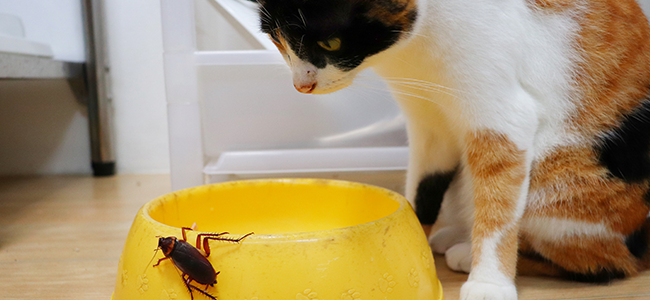
Credit: americanpest.net
When To Consult A Professional
Worried about bed bugs on your cat? Professional help is essential if bites appear on your pet. Experts can identify and address infestations, ensuring your home remains pest-free.
When bed bugs invade your space, their presence is unsettling. They can hide in the smallest corners, making them difficult to detect. Cats, being curious creatures, may accidentally carry them indoors. Identifying the right time to seek professional help is crucial. This ensures the well-being of your household and pets.Signs Of Bed Bug Infestation
Bed bugs leave distinct signs. Check for small, rust-colored spots on bedding. These are bed bug droppings. Look for tiny, white eggs in mattress seams. Bed bugs also shed skins as they grow. You might find these near sleeping areas. Bites on your skin are another clue. They often appear in clusters or lines. These bites are itchy and can be irritating.Pest Control Options
Professional pest control offers reliable solutions. They use special tools and techniques. Heat treatment is effective against bed bugs. It reaches every corner and crevice. Chemical treatments are another option. Professionals know the right products to use. Always ensure they are safe for pets. Integrated pest management combines several methods. It targets bed bugs comprehensively. Consulting a professional provides peace of mind. They offer expert advice and lasting solutions. Safeguard your home and beloved pets today.
Credit: www.petscare.com
Frequently Asked Questions
Can Cats Carry Bed Bugs On Their Fur?
Cats can carry bed bugs temporarily on their fur. However, bed bugs do not live or breed on cats. They prefer hiding in furniture or bedding near sleeping areas.
Do Bed Bugs Bite Cats And Cause Harm?
Yes, bed bugs can bite cats, causing itching and irritation. They do not transmit diseases but can cause discomfort and allergic reactions in some cats.
How To Prevent Bed Bugs From Infesting Cats?
Regularly inspect your cat’s bedding and surroundings. Keep your home clean, vacuum often, and treat any infestations promptly to protect your cat and home.
Can Bed Bugs Travel Through Cats To Infest Homes?
Bed bugs may hitch a ride on cats but rarely infest homes this way. They prefer to hide in cracks, mattresses, and furniture near humans.
Conclusion
Cats do not usually carry bed bugs on their fur. Bed bugs prefer to stay near human beds and furniture. They hide in cracks and crevices, not on animals. Still, keep your home clean to avoid any pests. Check your bedding and furniture regularly for signs.
Treat any infestation quickly to stop it from spreading. Protect your pets by keeping their sleeping areas clean. Knowing the facts helps you stay calm and prepared. Bed bugs are annoying but manageable with the right steps.

Lily Purrington is the founder of MyKittyPicks.com, a cozy corner of the web dedicated to helping cat lovers discover the best cat products, furniture, toys, and home decor ideas.
A lifelong cat enthusiast, Lily shares trusted tips, honest product recommendations, and stylish inspiration designed to keep kitties happy and homes beautiful.
Her mission is simple: to bring together practical advice and purr-fect picks that make life better for cats and the people who love them.


