

Have you ever wondered if your cat could help with a bed bug problem? If you’re dealing with these tiny pests, you might be curious whether your furry friend will eat bed bugs and keep your home bug-free.
Understanding how cats react to bed bugs can save you time and give you peace of mind. Keep reading to discover the surprising truth about cats and bed bugs—and what you should really do to protect your home.
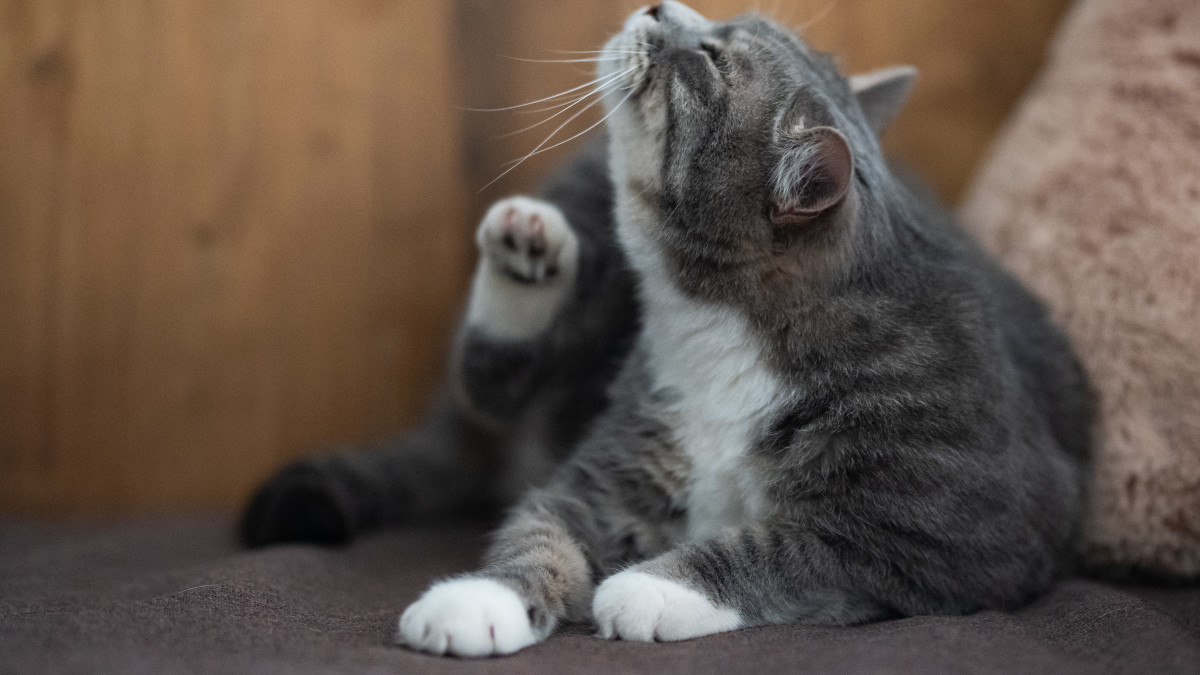
Credit: pethelpful.com
Cats And Bed Bugs
Cats are natural hunters with sharp senses and quick reflexes. Their hunting skills often help control pests like mice and insects. But bed bugs are a different story. These tiny pests hide deep in mattresses and cracks. This makes it hard for cats to find or catch them. Understanding how cats react to bed bugs helps clarify if they eat or ignore these bugs.
Do Cats Naturally Hunt Bed Bugs
Cats hunt moving prey. Bed bugs usually stay hidden and move at night. This behavior makes bed bugs less visible to cats. Cats may notice bed bugs only if they crawl on surfaces in daylight. Even then, cats might not recognize them as prey. Bed bugs are small and slow compared to other insects cats chase.
Some cats might paw at bed bugs out of curiosity. Few cats actively try to catch them. Cats prefer larger, more active insects or small animals to hunt. Bed bugs do not trigger strong hunting instincts in most cats.
Reasons Cats Might Ignore Bed Bugs
- Bed bugs do not move much during the day.
- They hide in places cats cannot reach.
- Bed bugs have no strong scent to attract cats.
- Cats prefer prey that moves quickly or flies.
- Eating bed bugs may not appeal to cats’ taste.
Because of these reasons, cats often overlook bed bugs. They show little interest or ignore them completely. Bed bugs do not provide enough stimulus for cats to hunt or eat them.
Behavioral Traits Of Cats
Cats have distinct behavioral traits that influence their eating habits. Their actions are driven by instincts shaped over thousands of years. Understanding these traits helps explain whether cats eat bed bugs or not. Cats are natural hunters. Their behavior often includes stalking, chasing, and capturing small creatures. These traits show their deep connection to the wild, even in domestic settings.
Cats’ Hunting Instincts
Cats possess strong hunting instincts. They watch, stalk, and pounce on moving objects. This behavior is not only for food but also for play and exercise. Cats often target small animals like insects, birds, and rodents. These instincts help keep their senses sharp. Bed bugs, being small and fast, can trigger a cat’s chase reflex. However, the tiny bugs might not always be appealing as prey.
Preferences In Prey
Cats prefer prey that moves quickly and is easy to catch. They often choose animals that resemble their natural diet. This includes small mammals, birds, and insects like flies or moths. Bed bugs do not move much and are usually hidden. Cats may ignore bed bugs because they lack strong smell or movement. Taste and texture also matter to cats. They tend to avoid prey that feels unpleasant or unfamiliar.
Bed Bugs As A Food Source
Bed bugs are small insects that feed on blood. Some pets, like cats, may come across these bugs during play or exploration. Understanding bed bugs as a potential food source helps pet owners know what to expect. Cats are natural hunters and might catch bed bugs. But can bed bugs provide any real nutrition? Are they safe for cats to eat? Let’s explore these questions.
Nutritional Value Of Bed Bugs
Bed bugs mainly feed on human blood. Their bodies contain proteins and fats from their meals. These nutrients might offer some energy to a cat that eats them. But bed bugs are tiny. A cat would need many to gain significant nutrition.
Here is a simple look at bed bugs’ nutritional content:
| Nutrient | Estimated Amount |
|---|---|
| Protein | Moderate |
| Fat | Low to Moderate |
| Carbohydrates | Minimal |
Although bed bugs have some nutrients, they are not a balanced food source for cats. Cats require a diet rich in specific proteins and nutrients to stay healthy.
Are Bed Bugs Safe For Cats
Eating bed bugs rarely causes harm to cats. But bed bugs can carry bacteria or parasites. These could affect a cat’s health. Also, bed bugs might cause mild stomach upset if eaten in large numbers.
Watch for signs like vomiting or diarrhea after your cat catches bugs. Contact a vet if symptoms persist. Preventing bed bug infestations at home is key to keeping pets safe. Regular cleaning and pest control help reduce risks.
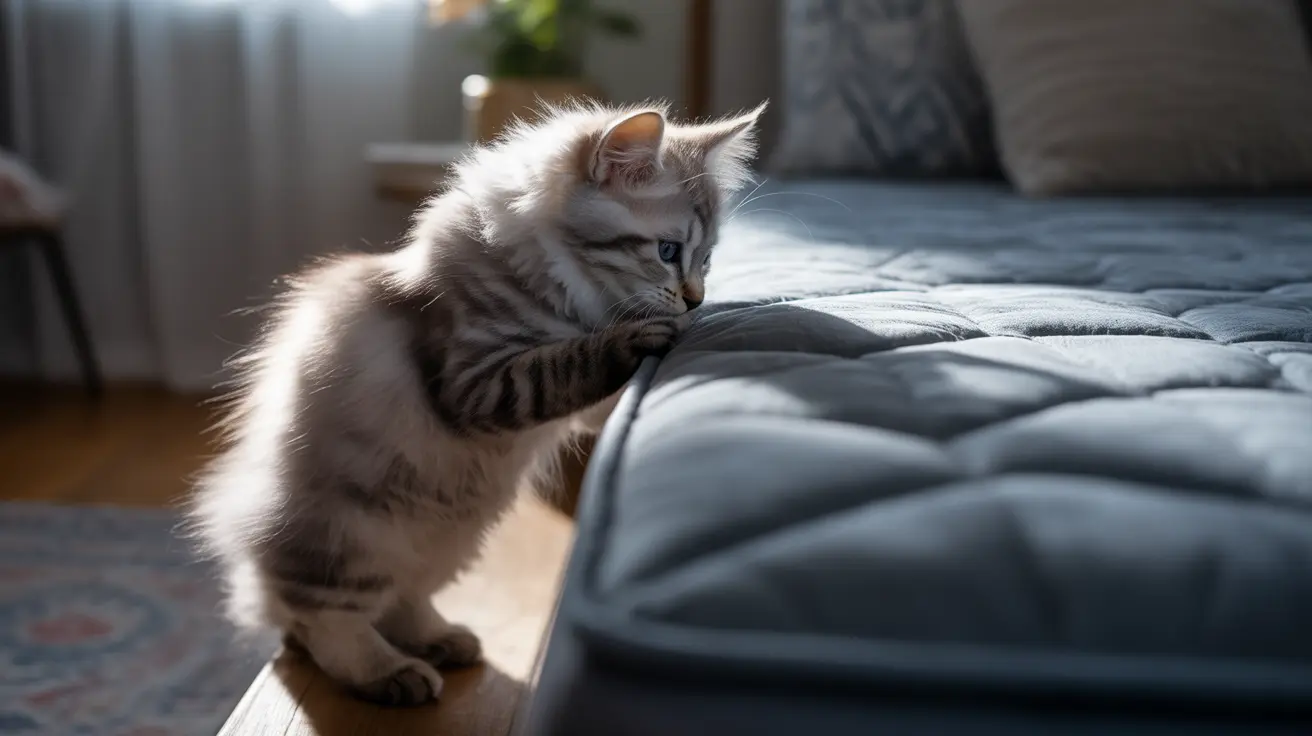
Credit: www.petscare.com
Risks Of Bed Bug Exposure
Bed bugs pose hidden dangers for both humans and pets. These tiny insects feed on blood and can cause many problems. Exposure to bed bugs may lead to discomfort and health risks for cats. Understanding these risks helps pet owners keep their homes safe and their pets healthy.
Potential Health Concerns
Bed bug bites can irritate your cat’s skin. Cats may scratch and bite the affected areas, causing wounds. Allergic reactions can happen, leading to swelling and redness. In rare cases, infections may develop from excessive scratching. Stress and anxiety may increase if your cat senses these pests around.
Signs Of Bed Bug Infestation In Pets
- Frequent scratching or grooming
- Red or swollen spots on the skin
- Restlessness or changes in behavior
- Visible bugs or small dark spots on bedding
- Hair loss in certain areas
Noticing these signs early helps stop the infestation. Quick action protects your cat and your home from further harm.
How To Protect Your Cat
Protecting your cat from bed bugs is important. These tiny pests can bite and irritate your pet. Preventing infestations and using safe pest control methods keeps your cat healthy and happy. Understanding how to guard your home and pet helps avoid risks from chemicals and pests.
Preventing Bed Bug Infestations At Home
Keep your home clean and clutter-free. Bed bugs hide in dark, tight spaces. Vacuum floors, furniture, and pet bedding regularly. Wash your cat’s bedding in hot water often. Inspect secondhand furniture before bringing it inside. Seal cracks and crevices around walls and baseboards. These steps reduce places where bed bugs can live.
Safe Pest Control Methods Around Pets
Use pet-safe pest control products only. Avoid sprays and powders with harsh chemicals. Try natural options like diatomaceous earth, which is safe for cats. Call a professional pest control service experienced with pets. Always keep your cat away from treated areas until safe. Read labels carefully and follow all instructions for use.

Credit: www.reddit.com
When To Consult A Veterinarian
Knowing when to consult a veterinarian is crucial if you suspect your cat has come into contact with bed bugs. While some cats might handle minor exposure without issues, others can develop skin irritations or allergic reactions that need professional care. Paying close attention to your cat’s behavior and physical signs can help you decide the right time to seek expert advice.
Symptoms Related To Bed Bug Contact
Watch for redness, swelling, or small bumps on your cat’s skin, especially around the face, neck, and paws. Excessive scratching, licking, or biting at certain spots can also indicate irritation from bed bug bites.
Some cats may become restless or show signs of discomfort like hiding or reduced appetite. If you notice unusual lethargy or breathing difficulties, these could be signs of a more serious allergic reaction requiring immediate veterinary care.
Treatment Options For Affected Cats
Veterinarians may recommend topical treatments to soothe itching and inflammation. In some cases, oral medications such as antihistamines or steroids might be necessary to control allergic reactions.
They can also provide guidance on safe pest control measures to protect your home without harming your pet. Remember, never use over-the-counter insecticides on your cat without veterinary approval, as many can be toxic to animals.
Have you noticed your cat scratching more than usual? Don’t wait for symptoms to worsen—early intervention can prevent unnecessary discomfort and complications.
Frequently Asked Questions
Do Cats Naturally Eat Bed Bugs?
Cats do not naturally eat bed bugs as part of their diet. They may catch bugs out of curiosity, but bed bugs are not a preferred or safe food source.
Can Cats Help Control Bed Bug Infestations?
Cats are not effective in controlling bed bug infestations. Bed bugs hide in places cats cannot reach, so professional treatment is necessary.
Is It Safe For Cats To Eat Bed Bugs?
Eating bed bugs is generally not safe for cats. Bed bugs can carry bacteria or pesticides that might harm your pet if ingested.
Why Do Cats Chase Small Insects Like Bed Bugs?
Cats chase small insects due to their hunting instincts. Bed bugs may attract them, but this behavior is more playful than dietary.
Conclusion
Cats may eat bed bugs, but not always. They hunt for fun. Bed bugs don’t offer much nutrition. Cats might catch them by mistake. Still, relying on cats to control bed bugs isn’t wise. Effective pest control methods work better.
Keep your home clean to prevent infestations. Use professional services if needed. Protect your cat from potential health risks. Remember, a healthy environment benefits both you and your pet. Stay informed about pest prevention strategies. Your cat’s safety comes first.

Lily Purrington is the founder of MyKittyPicks.com, a cozy corner of the web dedicated to helping cat lovers discover the best cat products, furniture, toys, and home decor ideas.
A lifelong cat enthusiast, Lily shares trusted tips, honest product recommendations, and stylish inspiration designed to keep kitties happy and homes beautiful.
Her mission is simple: to bring together practical advice and purr-fect picks that make life better for cats and the people who love them.


