

Imagine this: you’ve just finished cleaning your home, thinking it’s spotless and free from pests. But then, a nagging question pops into your mind: “Can bed bugs live in cat litter?”
You might think it sounds far-fetched, but understanding where these pesky critters can hide is crucial for keeping your home and your beloved pets safe. Bed bugs are notorious for their resilience and ability to thrive in various environments, but could your cat’s litter box really be one of their hiding spots?
We’ll unravel the truth behind this unsettling question and explore how you can protect your feline friend and your home from unwanted guests. Keep reading to discover the surprising facts and gain peace of mind.
Bed Bug Basics
Understanding bed bugs is key to knowing where they might live. These tiny pests cause trouble worldwide. They feed on blood and hide in tight spaces. Learning their basics helps protect homes and pets from infestations.
What Are Bed Bugs?
Bed bugs are small, flat insects about the size of an apple seed. They are reddish-brown and have oval bodies. Bed bugs feed on warm-blooded animals, mostly humans. They come out at night to bite and suck blood. Their bites cause itching and red marks on the skin. Bed bugs do not fly or jump but crawl fast.
Common Bed Bug Habitats
Bed bugs like dark, quiet places close to their food source. They hide in mattress seams, bed frames, and headboards. Cracks in walls and furniture also serve as shelters. Bed bugs can live in luggage, clothes, and bags. They avoid light and stay hidden during the day. Pets’ bedding is less common for bed bugs but still possible.
Credit: www.petmd.com
Cat Litter Environment
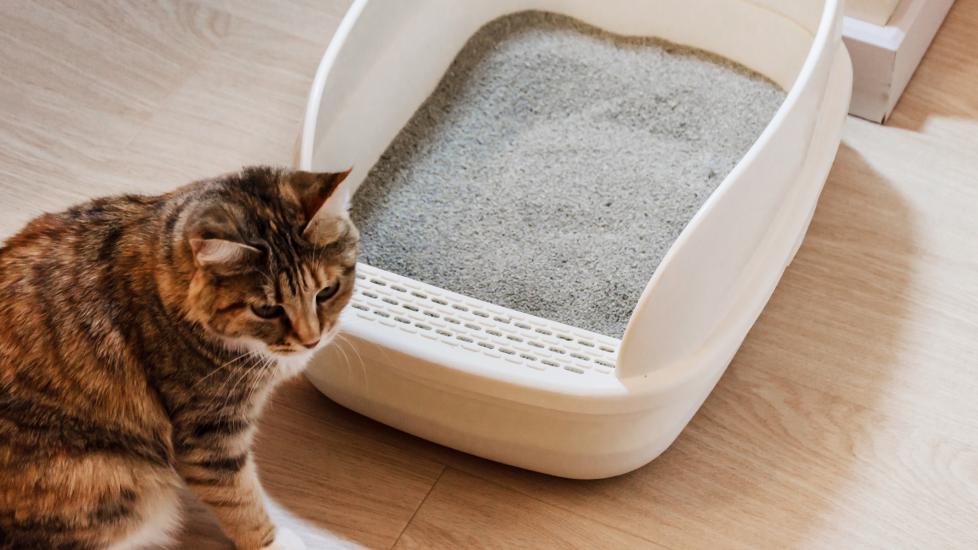
The environment inside a cat litter box creates a unique setting that influences whether pests like bed bugs can survive there. Understanding this environment helps you assess the risks and take steps to keep your home pest-free. Let’s break down what makes up the cat litter environment and the conditions within the box itself.
Typical Composition Of Cat Litter
Most cat litters are made from one or more of the following materials:
- Clay:The most common type, often bentonite clay, which clumps when wet.
- Silica gel crystals:These absorb moisture and control odor effectively.
- Natural materials:Such as wood, corn, wheat, or paper, offering biodegradable options.
Each material creates a different texture and moisture level inside the box. For example, clay litter tends to be denser and more compact, while natural litters may be lighter and less absorbent.
Conditions Inside Cat Litter Boxes
The cat litter box environment is typically dry on the surface but can have pockets of moisture from urine. This mix of dry and moist spots creates a challenging habitat for many insects. Bed bugs, which prefer hiding in cracks and fabric folds, find it difficult to thrive in a litter box because:
- The litter particles shift constantly, disrupting stable hiding spots.
- The moisture levels vary, often too low or inconsistent for bed bug survival.
- Exposure to cleaning chemicals and frequent litter changes disturbs their environment.
Have you noticed how quickly your cat’s litter box is cleaned or changed? This regular disturbance makes it even less likely for bed bugs to establish themselves. So, while the litter box may seem like a potential hiding place, the conditions inside generally work against bed bug survival.
Bed Bugs And Cat Litter
Bed bugs are a common pest concern for many households. Understanding their habits helps in effective prevention. One question often asked is whether bed bugs can live in cat litter. This section explores the relationship between bed bugs and cat litter, offering clear insights.
Can Bed Bugs Survive In Cat Litter?
Bed bugs need blood to survive. They feed on humans or animals, usually at night. Cat litter does not provide any food source for bed bugs. The environment in cat litter is also very dry and abrasive. These conditions make it hard for bed bugs to live or hide there.
Bed bugs prefer warm, dark places close to where people sleep. Cat litter boxes are usually in open areas and cleaned often. This reduces the chance for bed bugs to settle or breed in cat litter.
Why Cat Litter Is Unlikely To Harbor Bed Bugs
Cat litter has several features that keep bed bugs away:
- Absorbs moisture, creating a dry environment
- Contains materials that can irritate or harm bugs
- Is disturbed frequently during cleaning
- Does not offer shelter or warmth needed by bed bugs
Bed bugs look for quiet places like mattress seams or furniture cracks. Cat litter boxes do not provide these hiding spots. Pets also do not carry bed bugs like fleas or ticks might.
Overall, cat litter is not a safe or suitable home for bed bugs. It is unlikely they can survive or reproduce there.
Signs Of Bed Bug Infestation
Bed bugs are small pests that hide well and feed on blood. Detecting their presence early helps stop an infestation. Knowing the signs of bed bug infestation is key. These signs appear in different places around your home. Understanding them helps you identify a problem fast.
Common Indicators In The Home
- Small reddish or brown stains on sheets and mattresses
- Dark spots that look like pepper, which are bed bug droppings
- A sweet, musty odor in rooms with heavy infestation
- Itchy, red bite marks on skin, often in a line or cluster
- Bed bug shells or shed skins near sleeping areas
- Live bed bugs hiding in mattress seams, cracks, or furniture crevices
These signs often appear near beds, sofas, or chairs where people rest.
Misidentifying Other Pests
Not all small bugs cause the same problems. Fleas, ticks, and carpet beetles can be confused with bed bugs.
- Fleas jump and bite pets, unlike bed bugs which crawl and bite humans.
- Ticks attach to skin and swell after feeding, bed bugs do not.
- Carpet beetles are round and don’t bite people.
Careful inspection helps avoid wrong treatment. Knowing the right pest saves time and money.
Preventing Bed Bugs Around Pets
Preventing bed bugs around pets is essential for a healthy home. These pests do not live in cat litter but can hide in pet bedding or near food bowls. Pets can carry bed bugs on their fur, spreading them throughout the house. Taking care of pets and their surroundings helps reduce this risk. Clean habits and regular checks protect pets and family members from infestations.
Pet Care And Hygiene Tips
- Brush your pet often to spot any bugs early.
- Bathe pets regularly using vet-approved shampoos.
- Inspect pet bedding weekly for signs of bed bugs.
- Keep pet sleeping areas away from human beds.
- Use flea and tick prevention treatments recommended by a vet.
Maintaining A Clean Environment
- Vacuum floors and furniture frequently to remove bugs and eggs.
- Wash pet bedding in hot water every week.
- Keep food areas clean and dry to avoid attracting pests.
- Seal cracks and crevices where bugs can hide.
- Declutter rooms to reduce hiding spots for bed bugs.

Credit: www.chewy.com
Dealing With Bed Bugs Effectively
Dealing with bed bugs requires quick and careful action. These pests hide well and multiply fast. Using the right methods stops them from spreading further. Both professional help and home care have roles in removing bed bugs. Understanding your options helps you choose the best plan for your situation.
Professional Pest Control Options
Experts use strong treatments that kill bed bugs effectively. They inspect your home thoroughly to find all hiding spots. Treatments may include heat, sprays, or fumigation. Professionals also give advice on how to prevent future infestations. Their work often leads to faster and more complete results.
- Heat treatment kills bugs at all life stages.
- Insecticides target bugs in cracks and crevices.
- Fumigation removes pests from entire rooms or buildings.
- Follow-up visits ensure bugs do not return.
Home Remedies And Precautions
Some home methods can help reduce bed bug numbers. Cleaning bedding and vacuuming floors remove bugs and eggs. Washing fabrics in hot water kills bugs instantly. Sealing cracks blocks bug hiding places. Using mattress covers traps bugs inside, stopping bites.
- Laundry items at high temperatures (above 120°F).
- Vacuum regularly around beds and furniture.
- Seal gaps in walls, floors, and furniture.
- Use bed bug-proof mattress and pillow covers.
- Reduce clutter to limit hiding spots.
Persistence is key. Repeat treatments and cleaning several times. Monitor the situation closely for signs of bugs returning.

Credit: www.chewy.com
Frequently Asked Questions
Can Bed Bugs Survive In Cat Litter?
No, bed bugs cannot live in cat litter. Cat litter lacks the warmth and food source bed bugs need. Bed bugs prefer hiding in fabrics and cracks near humans, not in loose, dry materials like cat litter.
Do Bed Bugs Infest Pet Areas Like Cat Litter Boxes?
Bed bugs rarely infest pet areas such as cat litter boxes. They seek human blood and warm hiding spots, which litter boxes do not provide. Pet areas are not typical environments for bed bug infestations.
Can Cat Litter Prevent Bed Bug Infestations?
Cat litter does not prevent bed bug infestations. Effective prevention includes cleaning, sealing cracks, and using mattress covers. Cat litter has no properties to repel or kill bed bugs.
How Do Bed Bugs Spread If Not Through Cat Litter?
Bed bugs spread mainly through human belongings like luggage and clothing. They hitchhike on items moved between infested locations. Cat litter is not a vector for bed bug transmission.
Conclusion
Bed bugs do not live in cat litter. They prefer warm places near humans. Cat litter does not offer food or shelter for them. Keeping your home clean helps prevent bed bugs. Check your bedding and furniture often. Act fast if you see any signs.
Protect your pets with regular care. Staying informed helps keep bed bugs away. Simple steps can stop an infestation early. Stay calm and act smart to keep bugs out.

Lily Purrington is the founder of MyKittyPicks.com, a cozy corner of the web dedicated to helping cat lovers discover the best cat products, furniture, toys, and home decor ideas.
A lifelong cat enthusiast, Lily shares trusted tips, honest product recommendations, and stylish inspiration designed to keep kitties happy and homes beautiful.
Her mission is simple: to bring together practical advice and purr-fect picks that make life better for cats and the people who love them.


