
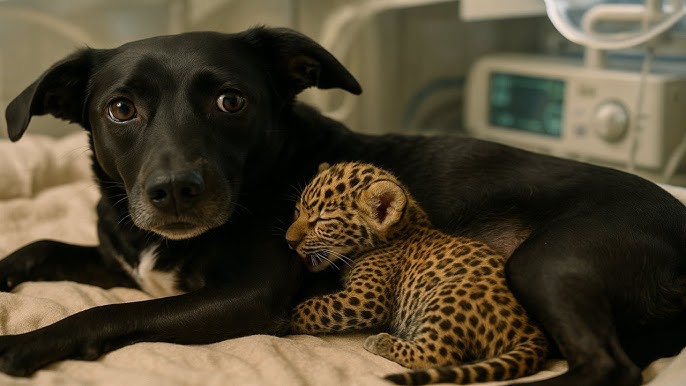
If you have both a dog and a cat at home, you know how tricky it can be to keep them peaceful around each other. You want your dog to respect your cat’s space, but sometimes that’s easier said than done.
Imagine coming home to a calm house where your dog leaves your cat alone—no chasing, no barking, just harmony. Sounds great, right? In this guide, you’ll discover simple, effective steps to train your dog to coexist peacefully with your cat.
By the end, you’ll have the tools to create a calmer, happier home for both your furry friends. Keep reading to find out how.
Assessing Dog And Cat Behavior
Understanding how your dog and cat behave around each other is key to training success. Assessing their behavior helps identify what causes tension or curiosity. This step sets the foundation for peaceful interactions.
Careful observation lets you spot signs before any conflict starts. Recognizing these details improves communication between pets. You can then guide your dog to respect the cat’s space.
Identifying Triggers
Watch what makes your dog focus on the cat. Common triggers include movement, sounds, or smells. A sudden cat dash might excite a dog. Noisy meows or hisses can also provoke interest or chase instincts.
Note when your dog becomes alert or fixated. Triggers vary by dog personality and past experience. Knowing these helps you control situations better.
Observing Body Language
Both animals use body language to communicate feelings. Look for signs like tail position, ear angle, and posture. A stiff dog or raised hackles may signal tension or aggression. A cat with arched back and puffed tail shows fear or defense.
Calm and relaxed postures usually mean peace. Understanding these clues guides your training steps.
Recognizing Stress Signals
Stress can cause unwanted behaviors in dogs and cats. Dogs may pant, drool, or pace when uneasy. Cats might hide, flatten ears, or swish their tail rapidly. These signals warn you to intervene early.
Helping pets feel safe reduces stress and improves their bond. Identifying stress signs is essential for smooth training progress.
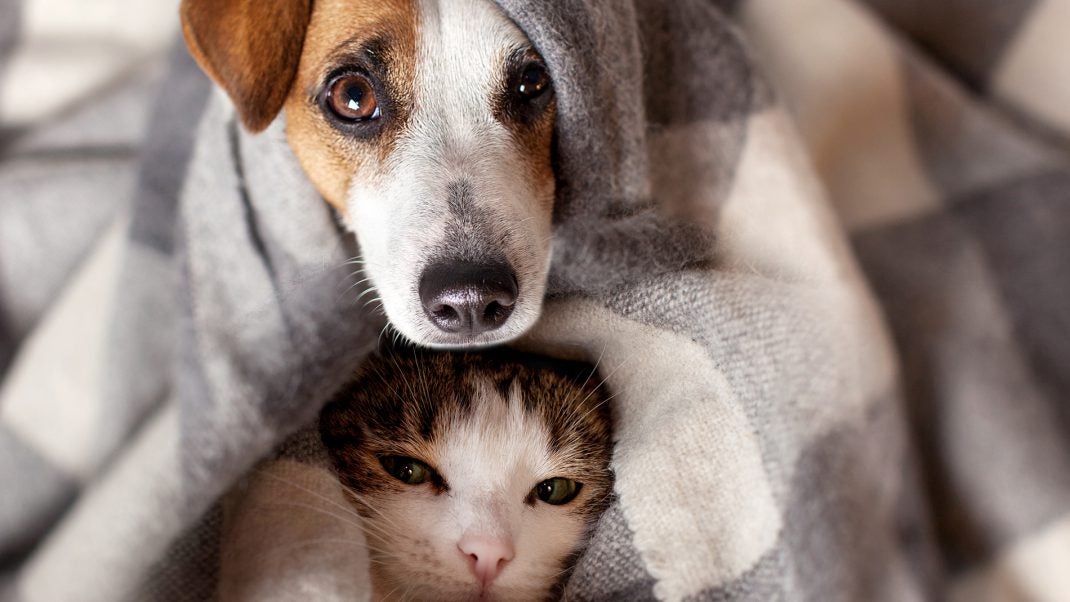
Credit: www.allivet.com
Creating A Safe Environment
Creating a safe environment is key to teaching a dog to leave a cat alone. It reduces stress for both pets and prevents unwanted chases. A calm space helps pets feel secure and lowers tension.
Clear boundaries between the dog and cat can stop many problems. A peaceful home lets both animals relax and trust each other over time.
Designating Separate Spaces
Give each pet its own area to rest and eat. Dogs and cats need personal spots to feel safe. Separate spaces stop animals from competing over territory. Use cozy beds, toys, and food bowls in different rooms. This helps pets stay calm and avoid conflicts.
Using Barriers And Gates
Use baby gates or pet barriers to block access between pets. These tools create clear physical limits without isolating pets completely. Barriers let pets see each other but keep distance. This lowers stress and stops sudden chases. Choose sturdy gates that your dog cannot knock down.
Providing Escape Routes For Cats
Cats need places to escape and hide if they feel scared. Offer high shelves, cat trees, or small hiding spots. These safe zones help cats feel in control. A cat with escape routes stays calm and avoids stress. Make sure escape paths are easy to reach and never blocked by the dog.
Basic Obedience Training
Basic obedience training builds a strong foundation for your dog’s behavior. It teaches your dog to listen and respond to important commands. This training helps your dog understand limits and respect the cat’s space. Consistent practice makes your dog more manageable around the cat.
Teaching Commands Like Stay And Leave It
Start with simple commands such as “Stay” and “Leave It.” These commands help control your dog’s actions near the cat. Use clear, firm voices when giving commands. Practice in quiet areas before trying in the presence of the cat. Reward your dog with treats or praise when it obeys. This encourages good behavior and focus.
Reinforcing Recall Skills
Recall skills ensure your dog returns to you promptly. Use a cheerful voice and a favorite treat or toy. Practice recall in safe, enclosed spaces. Call your dog often to build trust in the command. A strong recall helps prevent chasing or bothering the cat. It keeps your dog safe and calm.
Consistent Reward Systems
Rewards motivate your dog to repeat good behavior. Use treats, petting, or verbal praise as rewards. Be consistent with rewards to avoid confusion. Reward immediately after the desired action. Avoid punishment, which can cause fear or aggression. Positive reinforcement creates a happy and obedient dog.
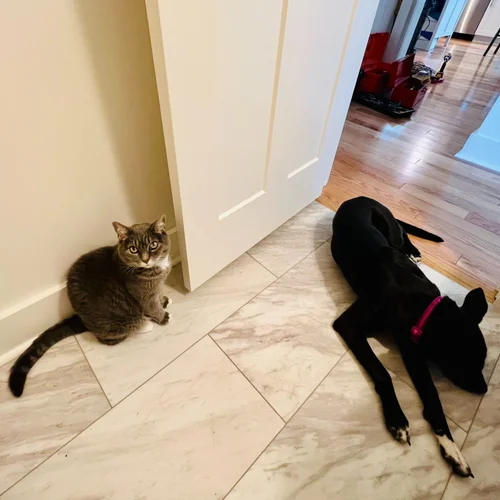
Credit: www.praiseworthypets.com
Introducing Controlled Interactions
Introducing controlled interactions is essential to help your dog learn to respect your cat’s space. It sets clear boundaries while allowing them to get used to each other safely. This careful approach reduces stress for both pets and helps prevent unwanted behavior.
Leashed Meetings
Start by keeping your dog on a leash during initial introductions. This gives you control and prevents sudden lunges or chasing. You can gently correct your dog’s behavior immediately if they show too much interest or excitement.
Let your cat move freely but be ready to intervene if needed. This lets your cat feel safe and choose how close to get. Have treats ready to reward calm behavior from both pets.
Short And Supervised Sessions
Keep early interactions brief, around 5 to 10 minutes max. Short sessions prevent overwhelming either animal and keep things positive. Always stay close and watch their body language carefully.
If your dog starts fixating or your cat seems stressed, end the session calmly. You want to build positive memories, not anxiety. Think about how you feel when meeting new people—would you want a long, intense introduction right away?
Gradual Increase Of Interaction Time
Slowly extend the time your dog and cat spend together as they get more comfortable. Add a few minutes each day or every few sessions depending on their reactions. This helps build trust without rushing.
Keep praise and treats flowing for calm behavior. You might notice your dog learning to ignore the cat or your cat becoming less wary. This steady progress leads to peaceful coexistence.
Redirecting Dog’s Attention
Redirecting a dog’s attention is key to teaching them to leave a cat alone. Dogs naturally focus on what moves or makes noise. Training helps change this focus to something else. This reduces stress for both pets. It also builds better behavior in the dog.
Redirecting attention takes patience and consistency. Using toys, play, and mental challenges keeps the dog busy. A busy dog is less likely to bother the cat. This section explains ways to shift your dog’s focus in positive ways.
Using Toys And Chews
Toys and chews help keep a dog’s mouth and mind busy. Choose toys that your dog likes and can chew safely. Offer these when the dog looks at the cat. This gives the dog a better choice to focus on.
- Use chew toys for long-lasting distraction.
- Offer puzzle toys that release treats.
- Rotate toys to keep interest high.
Chews reduce boredom and calm the dog. This lowers the chance of chasing or barking at the cat.
Engaging In Play And Exercise
Active play tires the dog’s body and mind. A tired dog has less energy to chase or stress the cat. Play also strengthens your bond with your dog.
- Take the dog for daily walks or runs.
- Use fetch or tug-of-war to burn energy.
- Play in safe areas away from the cat.
Regular exercise makes the dog calmer at home. This helps the dog ignore the cat more easily.
Implementing Mental Stimulation
Mental challenges use the dog’s brain and focus. This reduces the need to chase or bother the cat. Mental work can tire a dog as much as physical play.
- Teach new tricks or commands.
- Use food puzzles or treat-dispensing toys.
- Practice obedience training in short sessions.
Stimulating the dog’s mind builds good habits. It redirects energy into learning, not chasing the cat.

Credit: www.caninejournal.com
Managing Problem Behaviors
Training a dog to ignore a cat takes patience and clear rules. Use treats and praise to reward calm behavior around the cat. Redirect your dog’s attention when it shows interest in chasing or bothering the cat.
Managing Problem Behaviors Training your dog to leave the cat alone can be a challenging task, but it’s essential for maintaining a peaceful household. Dogs and cats can have vastly different ways of interacting, which sometimes leads to problem behaviors. Tackling these behaviors head-on with patience and consistency is key to fostering harmony between your furry friends.Handling Chasing And Barking
Chasing and barking can be driven by your dog’s natural instincts, but that doesn’t mean you can’t manage it. Start by teaching your dog the “leave it” command, rewarding them with treats when they obey. Consistently practice this in various settings to make sure they understand the command in different contexts. Create a controlled environment where your dog is on a leash during initial interactions with the cat. Gradually increase the time they spend together as your dog learns to stay calm. Regular exercise can also help reduce excess energy that might lead to chasing or barking.Addressing Aggression
Aggression can be more serious and requires immediate attention. Observe if there are specific triggers that cause your dog to become aggressive toward the cat. Once identified, work on desensitizing your dog to those triggers through positive reinforcement techniques. Use calming techniques such as soft music or scents to help relax your dog during encounters with the cat. Ensure your dog has a safe space where they can retreat if they feel overwhelmed. It’s crucial to remain calm yourself, as dogs often pick up on their owner’s energy and emotions.When To Seek Professional Help
Sometimes, despite your best efforts, problem behaviors persist. If your dog’s behavior becomes unmanageable or poses a risk to the cat, it might be time to seek professional help. A certified dog trainer or an animal behaviorist can provide tailored advice and strategies. Consider if the issue could be health-related; a visit to the vet can rule out any underlying medical conditions. Remember, seeking help is a proactive step toward ensuring the safety and well-being of both your dog and cat. Is your household’s peace worth the investment in professional guidance?Maintaining Long-term Harmony
Building trust between pets helps keep peace at home. Teaching your dog to respect the cat’s space prevents conflict. Gentle, consistent training encourages calm behavior around each other.
Maintaining a peaceful environment between your dog and cat is an ongoing journey. Building this harmony requires commitment, patience, and consistency. It’s not just a one-time effort; it’s about creating a sustainable relationship where both pets feel secure and respected.Ongoing Training And Reinforcement
Consistency is key. Regular training sessions help reinforce positive behaviors. Consider setting aside a few minutes each day to practice commands with your dog. This can be as simple as using the “leave it” command when your dog shows too much interest in the cat. Reward compliance with treats or praise to encourage repetition of good behavior. Even if your dog seems to have mastered the basics, continual reinforcement is necessary. Dogs thrive on structure and routine. Think of it like brushing your teeth—just because you’ve done it once doesn’t mean you stop.Monitoring Interactions Regularly
Keeping an eye on how your dog and cat interact is crucial. This doesn’t mean hovering over them constantly but being attentive to changes in behavior. Subtle shifts might indicate discomfort or tension. Set up safe spaces for your cat where the dog can’t reach. This gives the cat a retreat if things become overwhelming. Observe patterns—is your dog more excitable at certain times? Adjust their interactions accordingly to ensure both pets are comfortable.Celebrating Positive Behavior
Don’t underestimate the power of positive reinforcement. When your dog ignores the cat or behaves calmly around them, celebrate it. Use treats, extra playtime, or verbal praise to make these moments special. Positive reinforcement builds trust and confidence. It tells your dog that staying calm and respectful is rewarding. Over time, these celebrated moments become the norm, fostering a peaceful coexistence. What steps will you take today to encourage harmony in your home?Frequently Asked Questions
How Can I Stop My Dog From Chasing My Cat?
Use positive reinforcement to reward calm behavior near the cat. Supervise their interactions closely. Redirect your dog’s attention with commands or toys when it shows interest in the cat. Consistent training helps your dog learn boundaries and reduces chasing instincts.
What Commands Help Train A Dog To Ignore Cats?
Basic commands like “leave it,” “stay,” and “come” are effective. Teach your dog to focus on you rather than the cat. Reward your dog for obeying these commands near the cat to reinforce good behavior.
How Long Does It Take To Train A Dog To Leave Cats Alone?
Training duration varies by dog, but consistent daily sessions help. Most dogs show improvement within 4 to 6 weeks. Patience and repetition are key to successful training and long-term behavior change.
Can I Use Treats To Train My Dog To Ignore My Cat?
Yes, treats work well as positive reinforcement. Offer treats when your dog stays calm around the cat. This encourages your dog to associate the cat’s presence with rewards, promoting peaceful coexistence.
Conclusion
Training your dog to leave the cat alone takes time and patience. Start with small steps and reward good behavior. Keep training sessions short and fun. Watch your dog closely and redirect unwanted attention. Consistency helps your dog learn better.
Stay calm and positive throughout the process. Soon, your dog and cat can live peacefully together. This creates a happy home for everyone. Remember, gentle training works best. Keep trying, and you will see progress.

Lily Purrington is the founder of MyKittyPicks.com, a cozy corner of the web dedicated to helping cat lovers discover the best cat products, furniture, toys, and home decor ideas.
A lifelong cat enthusiast, Lily shares trusted tips, honest product recommendations, and stylish inspiration designed to keep kitties happy and homes beautiful.
Her mission is simple: to bring together practical advice and purr-fect picks that make life better for cats and the people who love them.


