

Thinking about adopting a cat? You’re about to welcome a new friend into your life, but before you do, there are some important things you need to know.
From preparing your home to understanding the adoption process, getting ready can make all the difference. This guide will help you feel confident and ready to give a cat the loving home it deserves. Keep reading to discover what you truly need to adopt a cat and make this experience smooth and joyful for both you and your new furry companion.
Preparing Your Home
Getting your home ready for a new cat is more than just tidying up. It’s about creating an environment where your feline friend feels secure and loved from day one. Taking time to prepare can ease your cat’s transition and help build a strong bond.
Creating A Safe Space
Start by choosing a quiet, low-traffic area for your cat’s first safe zone. This space should feel calm and offer hiding spots, like a cozy box or a small covered bed. Cats often need time to adjust, and having a retreat helps reduce their stress.
Think about any potential hazards: loose wires, toxic plants, or open windows. Securing these will prevent accidents and give you peace of mind. Have you checked every corner from your cat’s eye level?
Keep this area stocked with familiar items if possible, like a blanket or toy from the shelter. It can provide comfort through familiar scents. Imagine how reassuring a familiar smell can be when everything else is new.
Gathering Necessary Supplies
Before bringing your cat home, gather essential supplies to meet their basic needs right away. At minimum, you’ll want a litter box, food and water bowls, cat food, and a scratching post. Having these ready shows your cat you care about their comfort.
- Litter box:Choose one that’s easy to access but offers privacy. Clumping litter is often preferred for easy cleaning.
- Food and water bowls:Opt for ceramic or stainless steel to avoid bacteria buildup.
- Cat food:Select high-quality food suited to your cat’s age and health needs.
- Scratching post:This helps protect your furniture and lets your cat stretch and play.
Consider adding a few toys and grooming tools. These not only entertain but help you bond through play and care. What favorite toy do you think your new cat will enjoy the most?
Choosing The Right Cat
Adopting a cat requires a safe home, time for care, and basic supplies like food and a litter box. Understanding your lifestyle helps find a cat that fits well. Patience and love create a strong bond with your new pet.
Choosing the right cat is a crucial step in adoption. Each cat has unique needs and personalities. Understanding these can lead to a happy life together. A good match ensures both you and the cat are content. Below are key factors to consider.Considering Age And Temperament
Age impacts a cat’s care requirements. Kittens are playful and need more attention. They explore and require training. Adult cats may be calmer and independent. Senior cats often prefer a quieter environment. Temperament varies widely among cats. Some love cuddles, others value their space. Visit shelters to observe different behaviors. Ask staff for insights on each cat’s personality.Matching Lifestyle And Cat Needs
Your lifestyle affects which cat suits you best. Active households might enjoy a playful cat. Busy individuals may prefer a low-maintenance companion. Consider the cat's energy levels and grooming needs. Long-haired cats require more grooming. Some breeds are more vocal and social. Ensure the cat’s needs align with your daily routine. A good match enhances your bond and promotes well-being.Adoption Process Steps
Adopting a cat involves several important steps. Each step helps ensure you find the right cat and provide a safe, loving home. The process also protects the cat’s well-being and matches you with a pet that fits your lifestyle.
Finding A Reputable Shelter
Start by choosing a shelter or rescue group with good reviews. Check their website or visit in person to learn about their cats. A trustworthy shelter will have clean spaces and caring staff. They often provide health information and behavior details for each cat.
Meeting And Interacting With Cats
Spend time with different cats to see their personalities. Observe how they respond to you and other people. Gently pet and play to build a connection. Notice if the cat’s energy and needs match your home and schedule.
Completing Adoption Paperwork
The shelter will ask you to fill out forms about your lifestyle and home. This helps them ensure the cat’s safety and comfort. You may need to provide ID and pay an adoption fee. Review the contract carefully before signing to understand your responsibilities.
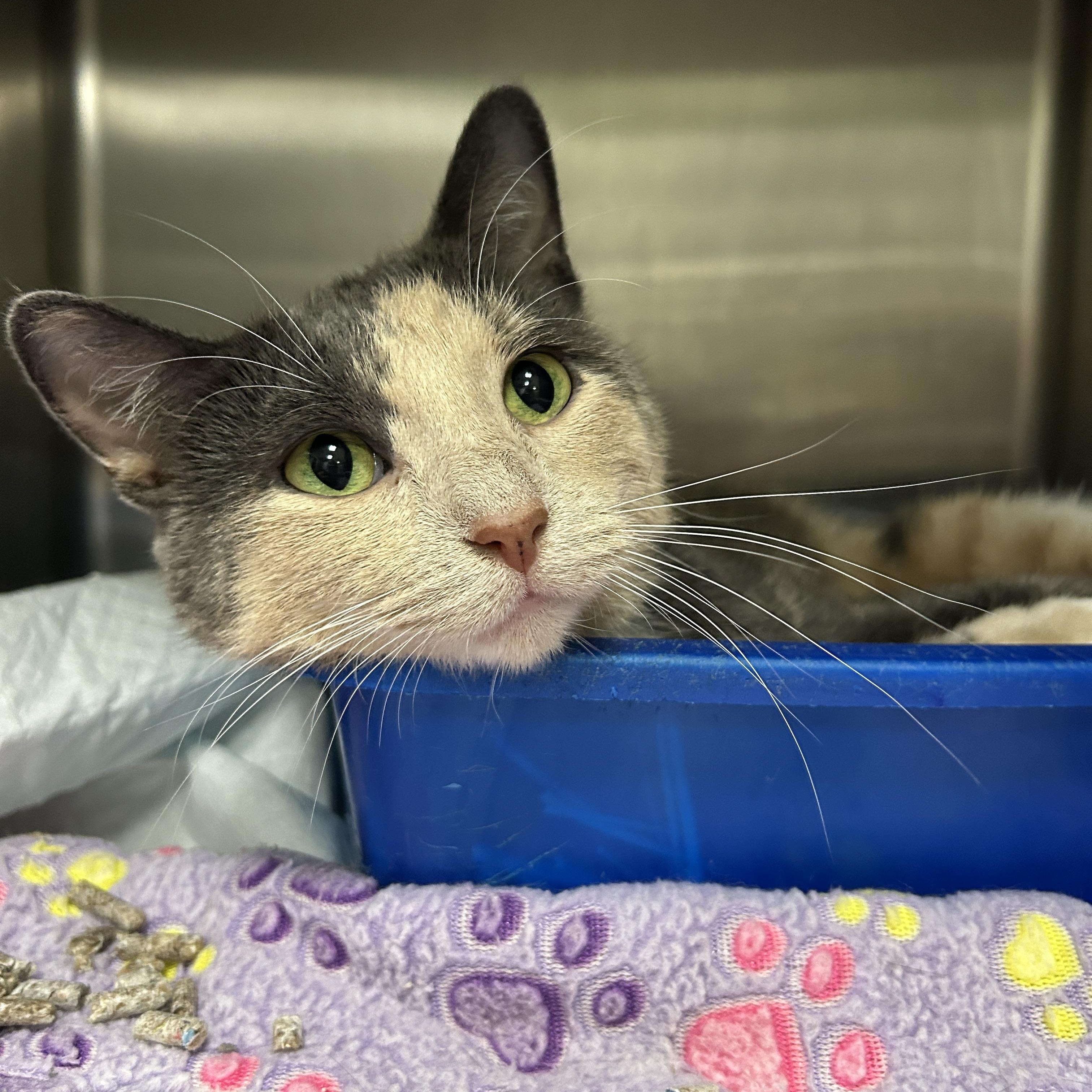
Credit: www.petfinder.com
Initial Cat Care
Getting your home ready for a new cat means focusing on initial care that makes your furry friend feel safe and loved. This stage sets the foundation for a happy and healthy relationship. Let’s look at two essential parts of this process that you can prepare ahead of time.
Setting Up Feeding And Litter Areas
Choose quiet, low-traffic spots for your cat’s food and litter box. Cats need privacy while eating and using the litter to feel comfortable and stress-free.
Place food and water bowls together but away from the litter box. This separation helps keep your cat’s eating area clean and inviting.
For the litter box, pick one that fits your cat’s size and is easy to access. Keep it in a well-ventilated area to reduce odors.
- Use unscented, clumping litter to make cleaning easier and more appealing to your cat.
- Consider having one more litter box than the number of cats in your home.
Have you noticed how a messy litter area can upset your cat? Keeping these spots clean is key to preventing accidents and behavioral issues.
First Vet Visit And Vaccinations
Your cat’s first vet visit is more than a checkup—it’s a chance to build trust with your vet and set up a health plan. Schedule this visit soon after bringing your cat home.
The vet will check your cat’s overall health, test for parasites, and discuss vaccinations needed based on your cat’s age and lifestyle.
Vaccinations protect your cat from common diseases like rabies and feline distemper. Your vet will also talk about spaying or neutering if it hasn’t been done yet.
- Bring any medical records you have from shelters or previous owners.
- Ask about flea, tick, and worm prevention options.
How prepared do you feel to handle your cat’s medical needs? Keeping a record of vet visits and treatments will help you stay on top of your cat’s health journey.
Building A Bond
Building a strong bond with your new cat is essential for a happy and trusting relationship. It takes patience and care, but the rewards are worth every effort. The connection you create will shape your cat’s comfort and happiness in their new home.
Introducing Family Members
Introduce your cat to family members slowly. Let your cat approach each person at their own pace instead of forcing interactions.
Encourage gentle behavior by asking everyone to use a soft voice and slow movements. This helps your cat feel safe and reduces stress.
Watch your cat’s body language closely. If they seem scared or tense, give them space before trying again. Have you noticed how some cats prefer certain people right away? Observing these preferences helps you support their comfort.
Establishing Routine And Playtime
Cats thrive on routine. Feeding, playtime, and quiet moments at consistent times build trust and security.
Set aside daily play sessions using toys like feather wands or laser pointers. Play is not only fun but also a way to bond and burn off energy.
Try different types of play to see what your cat enjoys most. Do they chase, pounce, or prefer gentle batting? Matching their play style strengthens your connection and keeps them engaged.

Credit: www.petfinder.com
Common Challenges
Adopting a cat brings joy, but also some challenges. Cats need time and care to adjust to new homes. Understanding common problems helps you prepare better. Patience and kindness make the transition smoother for both of you.
Dealing With Shyness Or Fear
Many cats feel shy or scared in new places. They may hide or avoid people at first. Give them quiet spaces to feel safe. Speak softly and move slowly around them. Let the cat come to you on its own time. Offer treats and gentle petting to build trust. Avoid forcing interaction, which can increase fear.
Managing Litter Box Issues
Some cats have trouble using the litter box at first. This can cause accidents and frustration. Keep the box clean and in a quiet spot. Use litter the cat likes, as some are picky. If accidents happen, clean areas well to remove odors. Watch for signs of illness if problems continue. Patience helps your cat learn proper habits.

Credit: all4pawssc.org
Frequently Asked Questions
What Documents Are Required To Adopt A Cat?
You typically need a valid ID, proof of residence, and an adoption application. Some shelters may ask for references or veterinary records. These documents help verify your identity and ensure a safe home for the cat. Always check specific shelter requirements before visiting.
How Much Does It Cost To Adopt A Cat?
Adoption fees usually range from $50 to $150. Fees cover vaccinations, spaying/neutering, and microchipping. Some shelters offer discounts during special events. The cost varies by location and the cat’s age or health status.
What Supplies Do I Need Before Adopting A Cat?
You should have a litter box, cat food, water bowls, and a scratching post. Also, prepare a comfortable bed, toys, and grooming tools. These supplies help your new cat settle in and stay healthy.
Can I Adopt A Cat If I Rent My Home?
Many landlords allow cats but require pet deposits or permission. Check your lease and speak with your landlord before adopting. Providing proof of responsible pet ownership may help get approval.
Conclusion
Adopting a cat brings joy and responsibility. Prepare your home with food, toys, and a safe space. Have patience and love ready for your new friend. Know about vet visits and daily care needs. Meet the cat’s personality and habits before deciding.
Each step helps build a strong bond. Taking time to get ready ensures a happy life together. A cat needs more than just supplies—it needs your heart. Your effort makes a big difference in their new life.

Lily Purrington is the founder of MyKittyPicks.com, a cozy corner of the web dedicated to helping cat lovers discover the best cat products, furniture, toys, and home decor ideas.
A lifelong cat enthusiast, Lily shares trusted tips, honest product recommendations, and stylish inspiration designed to keep kitties happy and homes beautiful.
Her mission is simple: to bring together practical advice and purr-fect picks that make life better for cats and the people who love them.


