
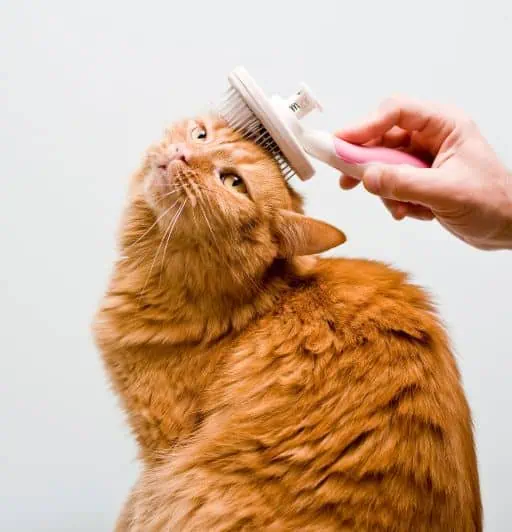
If you have a cat, you know how soft and beautiful their fur can be—until mats start to form. Mats are not just an eyesore; they can cause your cat discomfort and even skin problems.
You want your furry friend to stay happy and healthy, right? That’s why it’s important to learn how to prevent mats in cats before they become a painful issue. You’ll discover simple, effective tips that make grooming easy for both you and your cat.
Keep reading to protect your pet’s coat and keep them feeling their best every day.

Credit: www.amazon.com
Causes Of Mats In Cats
Mats are tangled clumps of fur that can cause discomfort to cats. Understanding what causes mats helps keep your cat healthy and happy.
Several reasons lead to the formation of mats. Some relate to grooming habits, while others involve skin or environmental issues.
Lack Of Grooming
Cats groom themselves by licking their fur. If they do not groom enough, loose fur can tangle and form mats. Older cats or those with health problems may struggle to groom properly.
Shedding And Loose Fur
Shedding is a natural process where cats lose old fur. Loose fur can get trapped in the coat, causing knots and mats. Long-haired cats shed more and need extra care.
- Seasonal shedding increases loose fur
- Thick undercoats trap shed hair
- Loose fur sticks to damp or dirty fur
- Regular brushing removes loose fur
Skin Conditions
Skin problems like dryness, allergies, or infections make cats scratch or lick more. This can damage the fur, causing it to mat. Treating skin issues reduces matting risks.
Environmental Factors
Dirty or wet environments cause fur to clump together. Outdoor cats face more risks from dirt, debris, and moisture. Indoor cats can also get mats if their bedding is not clean.
| Environmental Factor | How It Causes Mats |
| Damp Fur | Clumps fur together quickly |
| Dirt and Debris | Sticks to fur, causing tangles |
| Outdoor Elements | Increases exposure to matting materials |
| Dirty Bedding | Transfers dirt and oils to fur |

Credit: www.reddit.com
Signs Of Matting
Mats in a cat’s fur can cause pain and skin problems. It is important to spot mats early to keep your cat comfortable.
Look for signs like knots, changes in behavior, or irritation to know if your cat has mats.
Visible Tangles And Clumps
One clear sign of matting is seeing tangles or clumps of fur. These knots can feel tight and hard to touch. They often form in areas where fur rubs together.
- Behind the ears
- Under the legs
- Around the neck
- Near the tail
Discomfort And Irritation
Mats pull on the skin and cause discomfort. Your cat may scratch or bite the matted areas more often. The skin below mats can become red or sore.
| Symptom | What to Watch For |
|---|---|
| Scratching | Frequent scratching or biting at certain spots |
| Redness | Skin looks red or inflamed under mats |
| Hair Loss | Fur falling out near matted areas |
Changes In Behavior
A cat in pain may act differently. It might hide more or stop grooming. Your cat could also seem restless or avoid being touched.
- Hiding from family members
- Less active than usual
- Refusing to eat or play
- Avoiding petting or grooming
Daily Grooming Techniques
Preventing mats in cats needs daily care. Regular grooming keeps their coat smooth.
Daily grooming helps catch tangles early. It also reduces hair loss and skin problems.
Brushing Tools For Different Coats
Choose the right brush for your cat’s coat type. Different coats need different tools.
- Short-haired cats do well with a rubber brush.
- Long-haired cats need a slicker brush to remove tangles.
- Fine-toothed combs help with sensitive or thin areas.
- Dematting combs can gently remove small mats.
Brushing Frequency
Brush your cat daily to stop mats from forming. This keeps the fur healthy.
If your cat has a thick coat, brush twice a day. Short-haired cats need brushing three times a week.
- Daily brushing for long-haired cats.
- Every other day for medium coats.
- Several times a week for short hair.
Handling Sensitive Areas
Be gentle on sensitive spots like the belly and behind ears. Use a soft brush or comb.
Stop if your cat feels pain or stress. Try brushing these areas last or in short sessions.
- Use light strokes on sensitive areas.
- Give your cat breaks if needed.
- Reward your cat with praise or treats.
- Check for skin problems during grooming.
Bathing Tips To Reduce Mats
Mats in cats happen when fur tangles and knots form. Bathing your cat the right way helps keep the coat clean and smooth. This reduces mats and keeps your cat comfortable.
Use gentle products and careful techniques. This guide shows how to choose shampoo, bathe, dry, and brush your cat to prevent mats.
Choosing The Right Shampoo
Pick a shampoo made for cats. It should be mild and free of harsh chemicals. Avoid shampoos with strong scents or dyes. These can irritate your cat’s skin and cause more matting.
- Use a hypoallergenic formula for sensitive skin.
- Look for products that add moisture to the fur.
- Avoid human shampoos or dog shampoos.
- Check if the shampoo helps detangle fur.
Proper Bathing Steps
Follow these steps for a safe and effective bath:
- Brush your cat gently to remove loose fur and small mats.
- Use lukewarm water to wet your cat’s fur slowly.
- Apply a small amount of shampoo and work it into a lather.
- Rinse thoroughly to remove all soap.
- Keep your cat calm and speak softly during the bath.
Drying And Brushing Post-bath
Dry your cat carefully to stop mats from forming after the bath. Use a soft towel or a low heat hair dryer if your cat allows it. Then brush the fur to keep it smooth.
| Drying Method | Tips |
| Towel Dry | Use a soft, absorbent towel; pat gently |
| Hair Dryer | Use low heat and low speed; keep distance |
| Brushing | Use a wide-tooth comb first, then a fine brush |
Diet And Hydration Effects
Proper diet and good hydration help keep your cat’s fur healthy. They reduce the chance of mats forming.
Feeding the right nutrients and making sure your cat drinks enough water supports smooth, tangle-free fur.
Nutrients For Healthy Fur
Your cat needs specific nutrients to keep fur soft and shiny. These nutrients help prevent mats.
- Omega-3 and Omega-6 fatty acids improve skin and coat health.
- Protein supports hair growth and strength.
- Vitamins A and E protect skin and fur from damage.
- Zinc promotes healthy skin and helps stop shedding.
- Biotin aids in fur repair and shine.
Importance Of Water Intake
Water keeps your cat’s skin hydrated and fur soft. Dehydration can make fur dry and tangled.
| Water Source | Benefits |
| Fresh tap water | Easy access encourages drinking |
| Water fountains | Keeps water fresh and appealing |
| Wet cat food | Adds moisture to diet |
| Broth (no salt) | Hydrates and adds flavor |
Professional Grooming Options
Mats in cats cause discomfort and skin problems. Professional grooming helps prevent mats and keeps cats healthy.
Groomers use special tools and skills to remove mats safely. They also teach owners how to care for their cats’ fur.
When To Visit A Groomer
Visit a groomer if your cat has mats that you cannot remove. Groomers handle tough mats without hurting your cat.
Regular visits can prevent mats from forming. Cats with long hair or health issues need more frequent grooming.
Types Of Grooming Services
Groomers offer many services to keep your cat’s coat smooth and clean. Choose what fits your cat’s needs.
- Mat removal using special combs and scissors
- Bathing to clean fur and skin
- Brushing to prevent new mats
- Hair trimming or shaving for very matted areas
- Nail trimming and ear cleaning
Cost Considerations
Grooming costs vary by service, cat size, and fur condition. Longer hair or severe mats usually cost more.
| Service | Typical Cost Range |
|---|---|
| Basic brushing and nail trim | $30 – $50 |
| Mat removal and trimming | $50 – $100+ |
| Full grooming with bath and haircut | $70 – $120+ |
Ask groomers about prices before booking. Some offer package deals for regular visits.
Preventing Mats In Long-haired Cats
Long-haired cats need extra care to prevent mats in their fur. Mats can cause discomfort and skin problems. Regular grooming is key to keeping your cat healthy and happy.
Understanding how to care for your cat’s coat is important. Let’s explore some special care tips and methods to keep your cat’s fur tangle-free.
Special Care Tips
Special care is necessary for long-haired cats. This includes regular grooming and attention to their daily needs.
- Brush your cat daily to remove loose hair.
- Use a detangling spray to make brushing easier.
- Check for mats especially behind ears and under the legs.
Regular Trimming
Trimming your cat’s fur helps prevent mats. It also keeps your cat looking neat and tidy.
- Use pet-safe scissors to trim long hair.
- Focus on areas prone to matting like the belly and hind legs.
- Consider professional grooming for a precise cut.
Protective Clothing
Protective clothing can help keep your cat’s fur clean and mat-free. It’s useful in preventing tangles during playtime and outdoor activities.
Consider using cat clothing designed for long-haired breeds. These garments help protect the coat from dirt and tangles.
| Clothing Type | Benefit |
| Full-body suits | Prevents dirt accumulation |
| Cozy sweaters | Keeps fur smooth |
| Lightweight vests | Reduces tangles |

Credit: freshlybailey.com
Handling Severe Mats Safely
Mats in cats can cause discomfort and lead to skin problems. Handling them safely is crucial for your cat’s well-being.
Use the right tools and techniques to remove mats without causing harm. Learn when to seek help and how to prevent pain.
Tools For Removing Mats
Removing mats requires gentle handling and the right tools to avoid injuring your cat.
- Use a wide-toothed comb to gently tease out smaller mats.
- Invest in a mat splitter for larger, more stubborn mats.
- Consider using a pair of blunt-end scissors for safety.
When To Seek Veterinary Help
Sometimes, mats can be severe and need professional help. Know when to consult a vet.
| Condition | Action |
| Skin redness or irritation | See a vet immediately |
| Mats close to the skin | Consult a professional groomer |
| Cat in pain or distress | Seek veterinary advice |
Avoiding Pain And Injury
Preventing pain and injury is key when dealing with mats. Handle your cat gently and patiently.
Keep sessions short to minimize stress and reward your cat with treats for calm behavior.
Frequently Asked Questions
How Often Should I Groom My Cat To Prevent Mats?
Regular grooming is essential. Brush your cat daily, especially if it has long fur. This removes loose hair and prevents tangles from forming into mats.
What Tools Work Best To Prevent Cat Mats?
Use a slicker brush and a wide-tooth comb. These tools gently detangle fur and reduce matting. Choose grooming tools suited for your cat’s fur type.
Can Diet Affect My Cat’s Fur Matting?
Yes, a balanced diet improves coat health. Nutrient-rich food supports shiny, strong fur that resists mats. Consult your vet for diet advice tailored to your cat.
When Should I Seek Professional Help For Mats?
If mats are tight, close to skin, or painful, see a groomer or vet. They can safely remove mats without hurting your cat.
Conclusion
Preventing mats in cats keeps their fur soft and healthy. Regular brushing stops tangles from forming. Use the right comb and brush for your cat’s fur type. Check your cat’s coat often, especially in trouble spots. Cutting mats carefully can avoid pain and skin issues.
A clean, mat-free coat helps cats feel comfortable and happy. Taking small daily steps protects your cat’s fur easily. Healthy grooming habits build a strong bond between you and your cat. Simple care makes a big difference in your cat’s life.

Lily Purrington is the founder of MyKittyPicks.com, a cozy corner of the web dedicated to helping cat lovers discover the best cat products, furniture, toys, and home decor ideas.
A lifelong cat enthusiast, Lily shares trusted tips, honest product recommendations, and stylish inspiration designed to keep kitties happy and homes beautiful.
Her mission is simple: to bring together practical advice and purr-fect picks that make life better for cats and the people who love them.


