
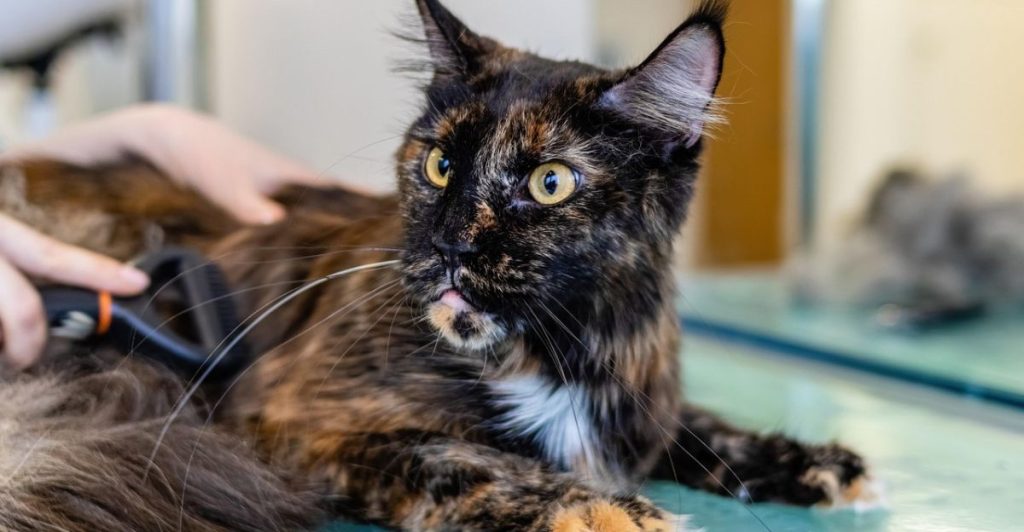
If you have a long-haired cat, you know how important grooming is to keep their coat healthy and beautiful. But grooming a fluffy feline can sometimes feel tricky and time-consuming.
What if you could make the process easier, faster, and even enjoyable for both you and your cat? You’ll discover simple, effective steps to groom your long-haired cat like a pro. Whether you’re dealing with tangles, shedding, or just want to keep your kitty looking their best, these tips will transform your grooming routine.
Keep reading to make grooming a stress-free experience for you and your furry friend.
Credit: www.diamondpet.com
Choosing The Right Tools
Choosing the right tools makes grooming a long-haired cat easier and safer. Cats with long hair need special care to keep their fur healthy. Using proper tools helps remove tangles and prevents hair mats. It also reduces stress for both you and your cat during grooming. Let’s explore the best brushes, combs, and other supplies for long-haired cats.
Brush Types For Long Hair
- Slicker Brush:Perfect for removing loose hair and small mats.
- Pin Brush:Good for daily brushing and gentle detangling.
- Undercoat Rake:Helps remove dead undercoat hair to prevent matting.
Combs And Clippers
- Wide-Tooth Comb:Ideal for gently detangling knots without pulling.
- Fine-Tooth Comb:Useful for checking smaller tangles and smoothing fur.
- Electric Clippers:Best for trimming mats or thick fur areas safely.
Additional Grooming Supplies
- Detangling Spray:Makes brushing easier and reduces hair breakage.
- Grooming Scissors:Useful for careful trimming of stubborn mats.
- Soft Towels:Help clean and dry fur after grooming sessions.
- Cat Treats:Encourage calm behavior and reward good grooming.

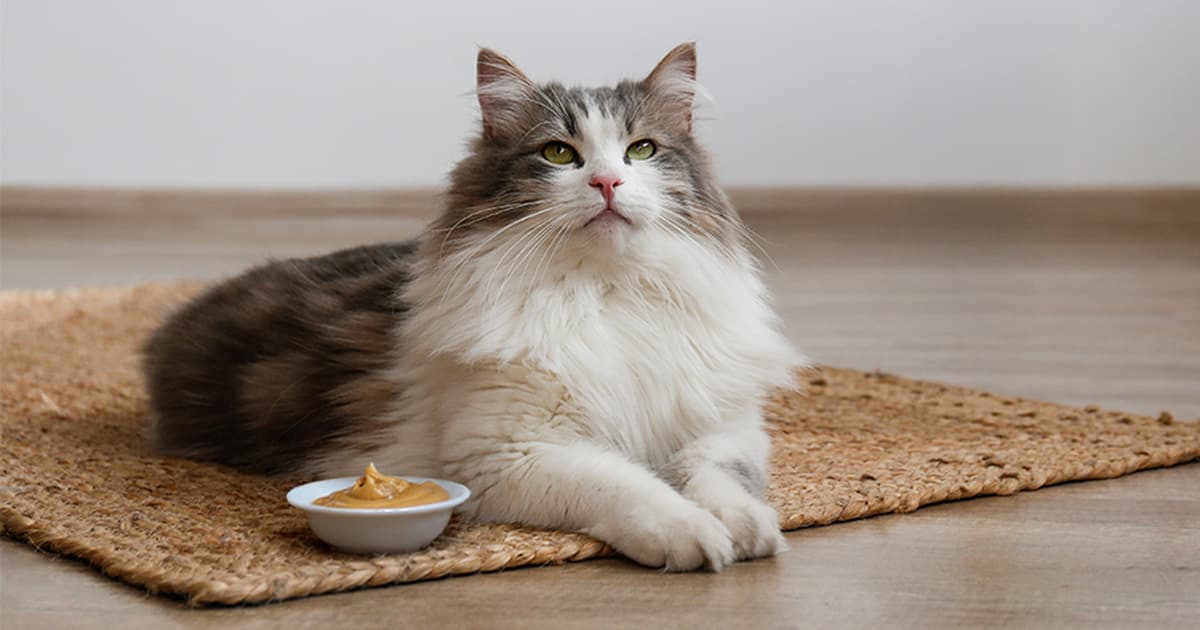
Credit: www.downtowntabbycattery.com
Preparing Your Cat
Preparing your long-haired cat for grooming is key to making the experience smooth and stress-free. Cats with long fur need extra care, and how you start can shape their entire grooming session. Taking time to prepare your cat well reduces anxiety and makes grooming easier for both of you.
Creating A Calm Environment
Choose a quiet room with minimal distractions to groom your cat. Soft lighting and gentle background sounds, like calm music, can help soothe your pet. Avoid loud noises and sudden movements that might startle your cat before or during grooming.
Think about your cat’s favorite resting spots and try grooming near those areas. This makes the environment familiar and less intimidating. Have all your grooming tools ready beforehand so you don’t have to leave your cat alone mid-session.
Getting Your Cat Comfortable
Spend a few minutes petting and talking softly to your cat before you begin grooming. This helps your cat relax and associate grooming with positive attention. If your cat enjoys treats, offer small rewards to create a pleasant connection with the process.
Watch your cat’s body language closely. If your cat seems tense or tries to leave, pause and give them time to settle. Gradually increase grooming time in short sessions so your cat gets used to the sensation without feeling overwhelmed.
Handling Techniques
Support your cat gently but firmly during grooming to prevent sudden movements. Holding your cat’s body securely while brushing will make the process safer and more effective. Use slow, smooth strokes to avoid pulling on tangles or mats in the fur.
If your cat resists, try breaking the grooming into small steps. Let your cat sniff the brush or comb before using it, and start with less sensitive areas like the back. Have you noticed how your cat reacts to different touch? Adjust your handling based on those cues to keep grooming stress low.
Brushing Techniques
Use gentle, slow strokes to avoid pulling your cat’s fur. Brush in the direction of hair growth to prevent tangles and mats. Regular brushing keeps long hair smooth and healthy.
Brushing Techniques Grooming a cat with long hair can be a rewarding experience for both you and your feline friend. Proper brushing techniques are crucial to maintain their silky coat and prevent tangles. Let’s dive into some effective methods to keep your long-haired cat looking and feeling their best.Detangling Knots And Mats
Dealing with knots and mats can be challenging, but with patience, they can be managed effectively. Start by gently working through the tangles with your fingers. This helps loosen them up before using a brush. Use a wide-toothed comb to gently tease apart any stubborn knots. Remember, pulling too hard can hurt your cat and damage their fur. A detangling spray can also be a helpful tool in making the process smoother.Brushing Frequency
Regular brushing is key to preventing mats and keeping your cat's coat in top condition. Aim to brush your long-haired cat at least three to four times a week. This routine will help distribute natural oils and reduce shedding. Consider increasing the frequency during shedding seasons. This proactive approach can help minimize hairballs and keep your home a little less furry.Avoiding Common Mistakes
It’s easy to make mistakes when grooming, but a few simple tips can make a big difference. Avoid using brushes with stiff bristles that can irritate your cat’s skin. Opt for a softer brush designed specifically for long-haired cats. Be mindful of your cat’s body language. If they seem uncomfortable or stressed, take a break and try again later. This ensures the grooming process remains a positive experience for your pet. Have you ever noticed how a small change in technique can make a huge difference? By refining your brushing approach, you’re not only improving your cat’s appearance but also strengthening the bond between you two. Keep these tips in mind, and enjoy the quality time with your feline companion!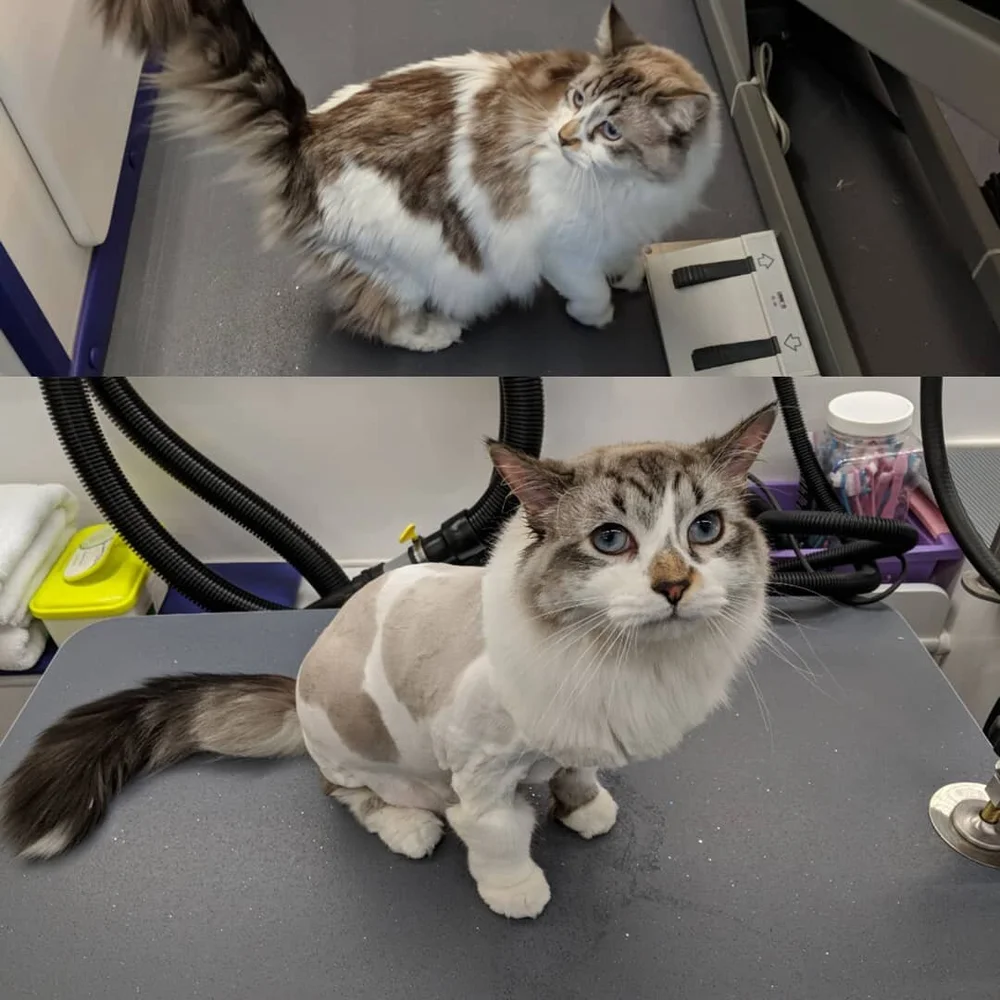
Credit: www.squeakycleangrooming.com
Bathing Long-haired Cats
Bathing a long-haired cat requires gentle care and patience. Cats with long fur can develop mats and tangles if their coats are not kept clean. A proper bath helps remove dirt, loose hair, and oil buildup. It also keeps the coat soft and shiny. Bathing should be done carefully to avoid stressing your cat.
When To Bathe
Bathe your long-haired cat only when necessary. Frequent baths can dry out their skin. Consider a bath if:
- The cat is very dirty or smells bad.
- There are sticky substances on the fur.
- The cat has skin issues requiring cleaning.
- You cannot remove dirt with brushing alone.
Routine baths are not needed. Most cats groom themselves well.
Safe Bathing Steps
- Use lukewarm water to avoid discomfort.
- Choose a cat-specific shampoo that is gentle and fragrance-free.
- Brush your cat thoroughly before the bath to remove tangles.
- Place a rubber mat in the sink or tub for grip.
- Wet your cat slowly, starting from the neck down.
- Apply shampoo and lather gently, avoiding eyes and ears.
- Rinse well with clean water to remove all soap.
- Stay calm and speak softly to reassure your cat.
Drying Tips
- Wrap your cat in a large, soft towel immediately after the bath.
- Gently pat the fur to absorb water; avoid rubbing.
- Use a low-heat hairdryer only if your cat tolerates it.
- Keep the room warm until the cat is fully dry.
- Brush the fur again to prevent new tangles from forming.
Trimming And Clipping
Trimming and clipping your long-haired cat is essential to keep their coat healthy and manageable. It helps prevent painful mats and reduces shedding around your home. However, trimming requires careful attention to where and how you cut to avoid discomfort or injury.
Areas To Trim
Focus on trimming the fur around your cat’s paws, rear end, and belly. These spots often collect dirt and litter, leading to mats and hygiene issues.
Pay special attention to the fur between the paw pads—it can get tangled or trap debris. Also, trimming around the rear helps keep your cat clean, especially if they have trouble grooming themselves.
Be cautious around sensitive areas like the face and ears. Instead of trimming there yourself, consider professional help if needed, since these spots are delicate.
Tools And Safety
Use sharp, rounded-tip scissors or electric clippers designed for pets. Dull tools can pull hair and cause pain, making your cat anxious.
Keep a styptic powder or cornstarch nearby in case of accidental nicks. Always trim in a quiet, well-lit space to keep your cat calm and focused.
Secure your cat gently but firmly. If they struggle, stop and try again later—forcing the trim can lead to stress or injury.
Professional Grooming
Sometimes, the safest way to trim your cat is by visiting a professional groomer. They have experience handling anxious cats and know how to work around tricky areas.
Regular professional trims can prevent severe matting that’s difficult to manage at home. Plus, groomers can spot skin issues or parasites early, giving you peace of mind.
Have you ever tried trimming your cat only to have them squirm away? A groomer’s calm, skilled approach might be just what your furry friend needs.
Maintaining Healthy Fur
Maintaining healthy fur on a long-haired cat requires consistent care and attention. Their thick coats can easily mat and trap dirt. Regular maintenance keeps their fur soft and shiny. It also prevents discomfort and skin problems. Healthy fur reflects good overall health and happiness in your cat.
Diet And Hydration
A balanced diet supports fur health and growth. High-quality cat food with essential fatty acids improves coat shine. Omega-3 and omega-6 oils reduce dryness and flaking. Fresh water keeps the skin hydrated and fur smooth. Dehydration can cause dull and brittle hair. Offer clean water daily and consider wet food for extra moisture.
Regular Grooming Schedule
Long-haired cats need grooming often to avoid tangles. Brush your cat’s fur gently at least three times a week. Use a wide-toothed comb or a soft brush designed for long hair. Regular grooming removes loose hair and dirt. It also stimulates natural oils that keep fur glossy. Pay special attention to behind the ears and under the legs where mats form easily.
Detecting Skin Issues
Check your cat’s skin during grooming sessions. Look for redness, bumps, or patches without fur. Scratching or licking a lot can signal irritation or allergies. Early detection of skin problems prevents infections. Consult a vet if you notice any unusual spots or wounds. Healthy skin is the base for a healthy, beautiful coat.
Frequently Asked Questions
How Often Should I Groom A Long-haired Cat?
Groom your long-haired cat at least 3-4 times a week. Regular grooming prevents mats, reduces shedding, and keeps fur healthy. Daily brushing is ideal for very long or thick coats. Consistency helps maintain your cat’s comfort and appearance.
What Tools Are Best For Grooming Long-haired Cats?
Use a slicker brush, wide-tooth comb, and grooming scissors. A slicker brush removes loose fur and tangles. The comb helps with delicate areas and mats. Scissors are for trimming problem spots. Choose gentle, cat-specific tools for safety.
How Do I Prevent Mats In Long Cat Fur?
Brush your cat’s fur regularly, focusing on problem areas like behind ears. Use detangling sprays if needed. Check for mats daily and gently remove them with a comb. Regular grooming and attention prevent painful mats and skin issues.
Can Grooming Reduce Shedding In Long-haired Cats?
Yes, regular grooming removes loose fur before it sheds around your home. Brushing stimulates skin oils, promoting a healthy coat. It reduces hairballs and shedding significantly. Grooming also keeps your cat comfortable and clean.
Conclusion
Grooming a long-haired cat takes patience and care. Regular brushing keeps their coat clean and tangle-free. It also helps reduce shedding and hairballs. Choose the right tools and be gentle with your cat. Make grooming a calm and positive time together.
This builds trust and keeps your cat happy. Keep up with grooming to enjoy a healthy, beautiful cat. Small efforts every day make a big difference. Your cat will thank you with soft fur and purrs.

Lily Purrington is the founder of MyKittyPicks.com, a cozy corner of the web dedicated to helping cat lovers discover the best cat products, furniture, toys, and home decor ideas.
A lifelong cat enthusiast, Lily shares trusted tips, honest product recommendations, and stylish inspiration designed to keep kitties happy and homes beautiful.
Her mission is simple: to bring together practical advice and purr-fect picks that make life better for cats and the people who love them.


