
Are you wondering why your pregnant cat is still trying to mate? It can be confusing and even worrying to see this behavior when you expect her to be focused on her kittens.
Understanding why this happens is important for your cat’s health and your peace of mind. You’ll discover the surprising reasons behind this behavior and what you can do to help your furry friend stay comfortable and safe. Keep reading to learn the facts every cat owner should know.
Credit: www.pethealthclub.com
Pregnancy In Cats
Pregnancy in cats is a fascinating process that can sometimes confuse even experienced pet owners. You might notice your cat still showing mating behaviors, which can seem puzzling when you know she’s expecting. Understanding the stages and signs of feline pregnancy helps you care for her better and address any unusual behaviors with confidence.
Signs Of Cat Pregnancy
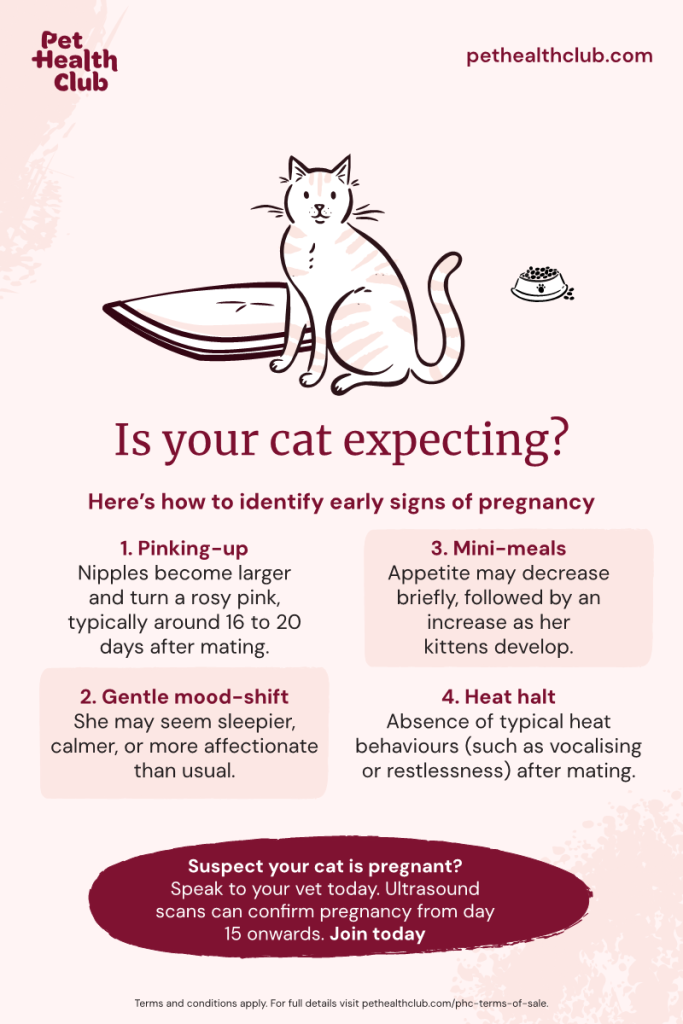
Recognizing pregnancy in your cat early can make a big difference. Some common signs include:
- Change in appetite:Your cat may start eating more or occasionally less.
- Behavioral shifts:She might become more affectionate or seek solitude.
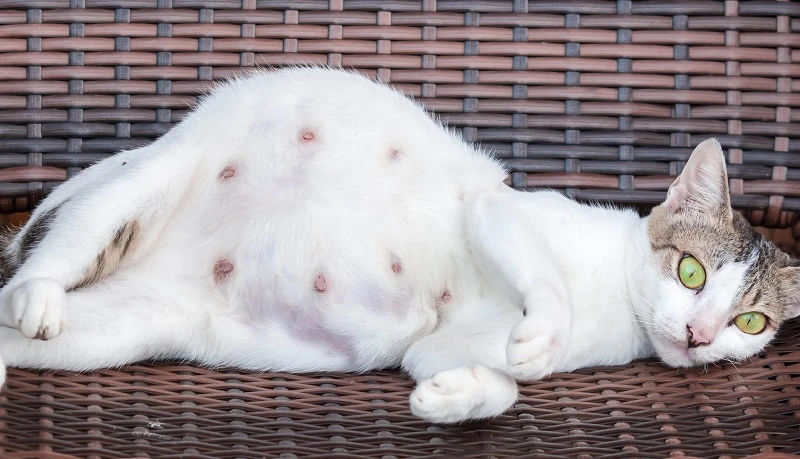
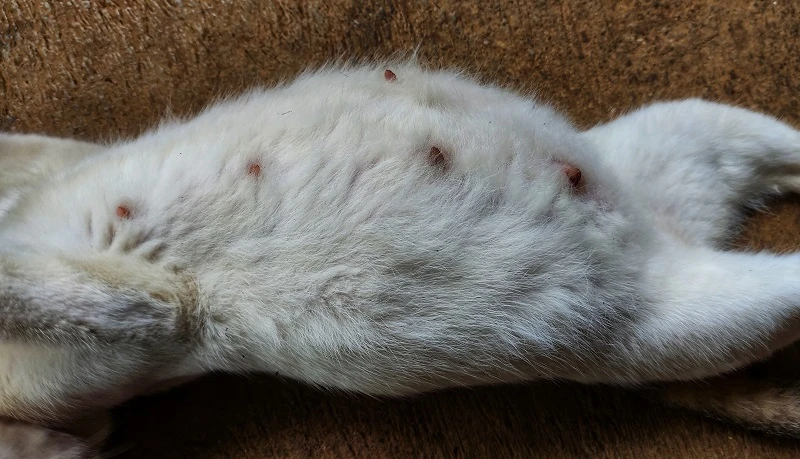
- Physical changes:Look for swollen nipples that turn pink, often called “pinking up.”
- Weight gain:As the kittens grow, your cat’s belly will noticeably expand.
Have you noticed any of these signs in your cat? Sometimes these clues help explain why she might still act like she’s in heat or wanting to mate.
Duration Of Cat Gestation
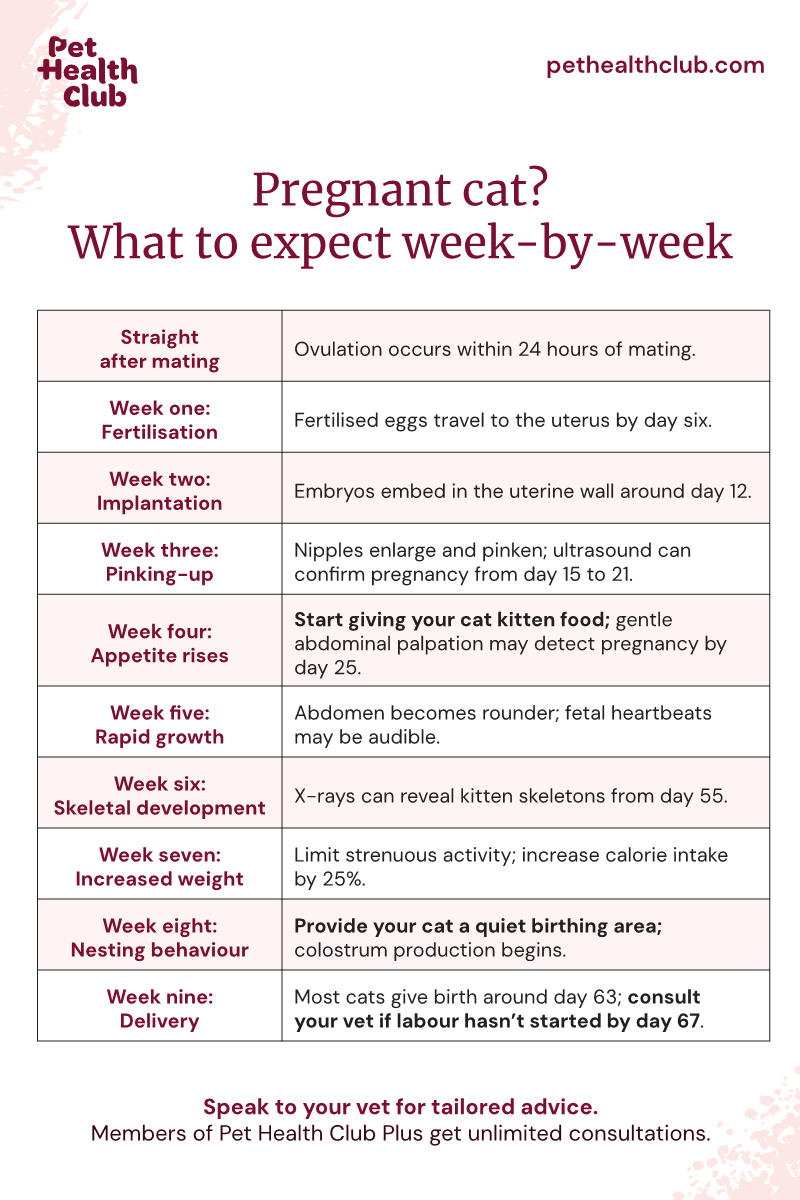
The gestation period for cats typically lasts between 58 to 67 days, roughly two months. This window can vary depending on the individual cat and the number of kittens she’s carrying.
It’s important to keep track of when you first saw mating behavior, as this helps estimate her due date. During this time, your cat may continue to show mating behaviors, which is normal because hormone levels fluctuate throughout pregnancy.
Are you wondering if your cat’s continued mating is a sign of multiple pregnancies or hormonal imbalance? Consulting your vet can provide clarity and ensure your cat stays healthy through this exciting time.
Credit: www.pethealthclub.com
Mating Behavior During Pregnancy
Noticing your pregnant cat still mating can be confusing and even concerning. Understanding the mating behavior during pregnancy helps you make sense of what’s happening and how to manage it. Let’s look at why this occurs and what hormonal changes drive this behavior.
Why Cats Mate While Pregnant
Cats can continue to mate even after becoming pregnant because of their unique reproductive cycle. Unlike many animals, a female cat may go into heat multiple times during a single pregnancy. This means she can attract male cats and display mating behaviors despite already carrying kittens.
It’s common for cats to mate in early pregnancy, especially if the pregnancy is not yet obvious. This can sometimes lead to superfetation, where new embryos fertilize alongside existing ones. Have you noticed your cat’s mood or behavior shifting in ways that seem linked to mating?
Hormonal Influences On Behavior
Hormones play a big role in your cat’s mating behavior during pregnancy. The hormone progesterone rises after fertilization, supporting the pregnancy, but it doesn’t always stop the heat cycles immediately. Low levels of estrogen can still trigger mating instincts.
Additionally, some cats respond to the presence of male cats around them, which can stimulate their behavior regardless of pregnancy. If your cat is still mating, it might be her hormones reacting to external stimuli rather than a sign of fertility.
- Pregnancy hormones don’t always suppress heat cycles right away.
- Exposure to males can trigger mating behavior despite pregnancy.
- Behavior varies depending on individual cats and breed.
Physical And Behavioral Changes
Pregnancy brings noticeable physical and behavioral changes in your cat, and understanding these shifts can help you care for her better. Sometimes, despite being pregnant, a cat might continue mating, which can seem confusing. Observing her symptoms and behavior closely will give you clues about what’s happening inside and why she might still be acting like she’s in heat.
Common Pregnancy Symptoms
Pregnant cats often show clear physical signs within the first few weeks. You might notice her nipples become pinker and more prominent, a change that signals pregnancy. Her belly will start to swell as the kittens grow, although this can be subtle at first.
Other symptoms include:
- Increased appetite to support growing babies
- More frequent naps or a noticeable drop in energy
- Occasional morning sickness or vomiting
If your cat is still mating, check whether these pregnancy signs are present. Sometimes cats can experience a false pregnancy or hormonal fluctuations that mimic pregnancy symptoms but don’t stop mating behavior.
Behavioral Shifts In Pregnant Cats
Behavior changes are often more noticeable than physical ones. Pregnant cats might become more affectionate, seeking extra attention and comfort from you. Others may become more withdrawn, hiding away to feel safe and secure.
Curiously, some pregnant cats continue mating due to hormonal cycles that haven’t fully shifted. This can confuse owners because the usual “in heat” behavior, like vocalizing and rubbing, might persist. Your cat’s instincts can sometimes override her pregnancy signals, especially early on.
Have you noticed your cat suddenly acting playful or restless despite being pregnant? This could mean her body is still cycling through hormones that encourage mating. Keeping a close eye on her and consulting your vet can help you understand whether this behavior is normal or a sign of a health issue.
Health Implications
Health implications are important when a pregnant cat continues to mate. This behavior can affect her well-being and the health of her unborn kittens. Understanding the risks helps in providing proper care.
Risks Of Mating During Pregnancy
Mating during pregnancy can cause stress and physical harm to the cat. The act may lead to infections or injuries in the reproductive tract. It also increases the chance of miscarriage or premature birth.
Repeated mating can weaken the mother’s immune system. This makes her more vulnerable to diseases. Stress from mating might reduce the quality of care she gives to her kittens.
When To Consult A Veterinarian
Seek veterinary advice if the cat shows unusual behavior or health issues. Signs like bleeding, discharge, or lethargy need immediate attention. A vet can check for infections or complications.
Regular check-ups during pregnancy help monitor the cat’s health. The vet can suggest ways to reduce mating behavior safely. Early intervention prevents serious health problems for mother and kittens.
Myths And Facts
When you notice your pregnant cat still mating, it’s natural to feel confused or concerned. There are many myths surrounding this behavior that can lead to unnecessary worry. Let’s clear up the confusion by separating what’s true from what’s not.
Common Misconceptions
One popular myth is that a pregnant cat can get “more pregnant” if she mates again. This isn’t true because cats are induced ovulators, meaning the act of mating triggers ovulation. Once she’s pregnant, additional mating won’t change the number of kittens already developing.
Another misconception is that continuous mating during pregnancy harms the mother or kittens. While it might seem risky, the female’s body usually protects the developing kittens, and mating during early pregnancy doesn’t cause miscarriages. However, too much stress can be harmful, so it’s important to monitor your cat’s behavior.
Scientific Insights
Scientifically, cats can enter a state called superfetation, where a second litter of kittens develops during an existing pregnancy. This is very rare, but it explains why some cats may mate while pregnant. However, superfetation happens only under specific biological conditions and is not common in most domestic cats.
Experts also explain that a pregnant cat may mate because her hormones still trigger mating behavior early in pregnancy. This doesn’t mean she’s fertile again; it’s just part of her natural cycle. If you’ve seen your cat continue to show interest in mating, it could be a sign her pregnancy is still in the early stages.
Have you noticed your cat’s behavior changing as she progresses through pregnancy? Watching for these subtle signs can help you understand her needs better and reduce any worries you have about her mating habits.
Credit: www.pethealthclub.com
Managing Your Pregnant Cat
Managing your pregnant cat requires extra attention and care to ensure both her safety and comfort during this delicate time. You might notice unusual behaviors, such as continued mating attempts, but understanding her needs can help you handle these situations calmly and effectively. Providing the right environment and keeping a close eye on her health will make a big difference for her well-being and the kittens she’s carrying.
Creating A Safe Environment
Your pregnant cat needs a quiet, warm, and secure space where she feels comfortable and protected. Choose a cozy spot away from loud noises, busy areas, and other pets that might stress her out.
Set up a nesting box with soft blankets or towels where she can rest and prepare for delivery. Keep this area clean and check it regularly to make sure it stays inviting.
Have you noticed how much calmer your cat becomes with just a small, dedicated space? Giving her this safe zone can reduce anxiety and discourage mating behaviors that might arise from stress or confusion.
Monitoring Health And Behavior
Keep a close watch on your cat’s eating habits, energy levels, and physical changes. A sudden drop in appetite or unusual lethargy could be signs of complications.
Track her behavior daily, noting any attempts to mate despite pregnancy. This can indicate hormonal fluctuations or stress, which your vet should evaluate.
Don’t hesitate to contact your veterinarian if you see signs like excessive restlessness, aggression, or discharge, as these may require immediate attention. Regular check-ups help you catch problems early and keep your cat comfortable.
Frequently Asked Questions
Why Does My Pregnant Cat Keep Mating?
Pregnant cats may continue mating due to their induced ovulation cycle. This means they can conceive again even while pregnant. It’s a natural behavior, but frequent mating during pregnancy can stress the cat. Monitor her health and consult a vet if concerned.
Can A Pregnant Cat Have Multiple Litters?
Yes, cats can have overlapping pregnancies due to induced ovulation. This means a pregnant cat might conceive a second litter before the first is born. This is rare but possible, so keep her environment calm and provide proper care throughout pregnancy.
Is It Normal For Pregnant Cats To Show Mating Behavior?
Yes, some pregnant cats display mating behaviors due to hormonal changes. It doesn’t always mean they want to mate again. This behavior can be confusing but is generally harmless unless it causes stress or injury.
Should I Separate My Pregnant Cat From Males?
It’s best to separate a pregnant cat from males to prevent stress and further mating attempts. This helps ensure a healthy pregnancy and reduces risks of complications. Provide a quiet, safe space for her to rest comfortably.
Conclusion
Understanding your pregnant cat’s behavior is crucial. Mating signs can be confusing. Always consult a vet for guidance. Your cat’s health is important. Proper care ensures a safe pregnancy. Knowledge helps you make informed decisions. Never hesitate to seek expert advice.
Observe her actions closely. It aids in identifying any issues early. A healthy environment benefits both mother and kittens. Stay informed and attentive. Your cat depends on you. Always prioritize her well-being. A little attention goes a long way. Your feline friend deserves the best care.

Lily Purrington is the founder of MyKittyPicks.com, a cozy corner of the web dedicated to helping cat lovers discover the best cat products, furniture, toys, and home decor ideas.
A lifelong cat enthusiast, Lily shares trusted tips, honest product recommendations, and stylish inspiration designed to keep kitties happy and homes beautiful.
Her mission is simple: to bring together practical advice and purr-fect picks that make life better for cats and the people who love them.


