
Have you ever wondered how long it takes for your cat to become pregnant after mating? Understanding the timeline of feline pregnancy can be crucial for any cat owner or breeder.
Whether you’re planning for a litter of adorable kittens or simply curious about your feline friend’s reproductive health, knowing what to expect can ease your mind and help you prepare. We’ll unravel the mystery of cat pregnancy and provide you with the information you need to care for your expecting kitty.
Stick around, and you might just learn some surprising facts that could change how you view your furry friend’s journey into motherhood.
Cat Mating Basics
Understanding the basics of cat mating helps in knowing how soon a cat can get pregnant. Cats have unique reproductive behaviors. These behaviors affect when and how they mate. Knowing these details helps cat owners provide better care and timing.
Heat Cycle In Cats
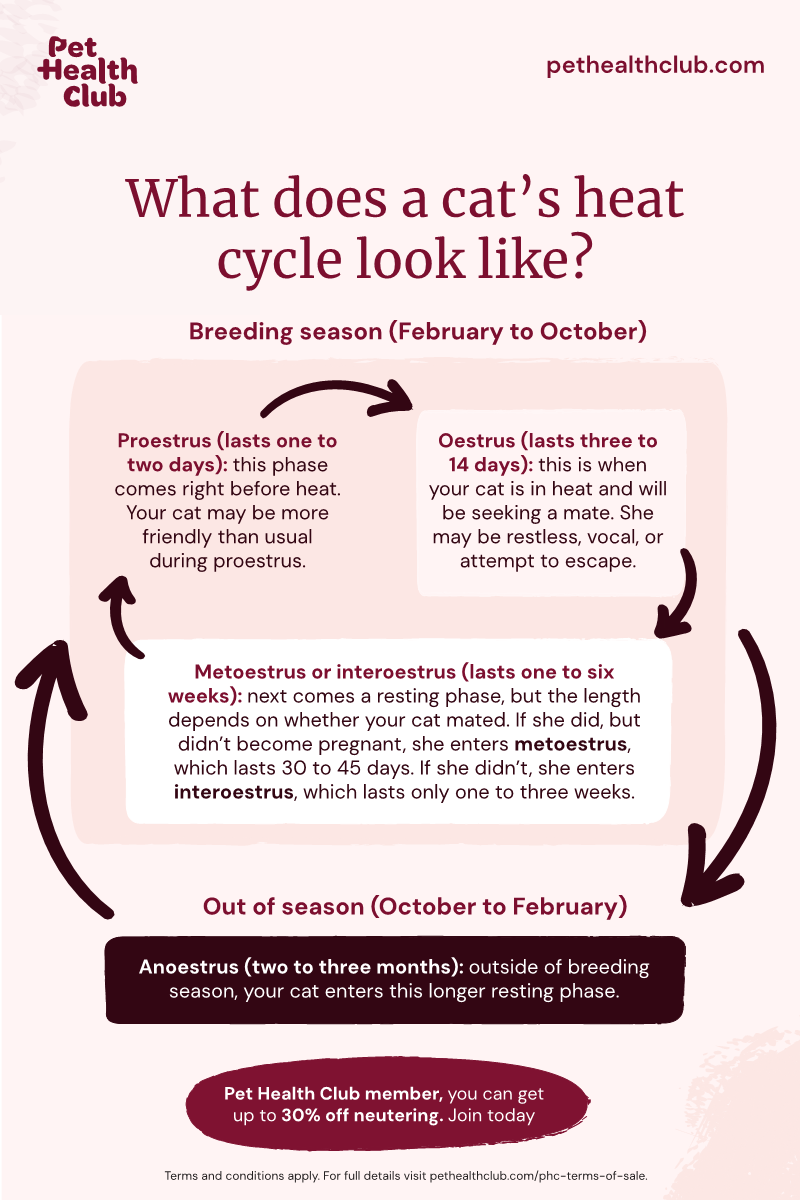
A female cat’s heat cycle is when she is ready to mate. This cycle happens several times a year. Each cycle lasts about 7 days but can vary. During heat, the cat shows behaviors to attract males.
The heat cycle has different stages:
- Proestrus:The cat is restless and affectionate but not ready to mate.
- Estrus:The cat is fertile and accepts males.
- Interestrus:The period between heat cycles if no mating occurs.
- Diestrus:After mating, the cat may be pregnant or not.
Signs Of Cat Mating
When cats mate, they show clear signs. The female will raise her hindquarters and move her tail to the side. She may also vocalize loudly and rub against objects or the male.
The male cat becomes more aggressive and vocal. He will bite the female’s neck gently to hold her during mating. Mating usually lasts a few minutes but may happen several times.
Credit: www.petscare.com
Timeline To Pregnancy
The timeline to pregnancy in cats is brief but precise. After mating, the process of conception begins quickly. Understanding the stages helps cat owners recognize early signs and care for the expecting cat. Pregnancy in cats usually starts within a few days after mating, but the exact timing can vary.
Fertilization Process
Fertilization happens when sperm meets the egg inside the female cat. This usually occurs within 24 to 48 hours after mating. The eggs are released from the ovaries during ovulation, which is triggered by the act of mating itself. Once fertilized, the eggs travel to the uterus to start developing. This stage is crucial for a successful pregnancy.
Early Pregnancy Signs
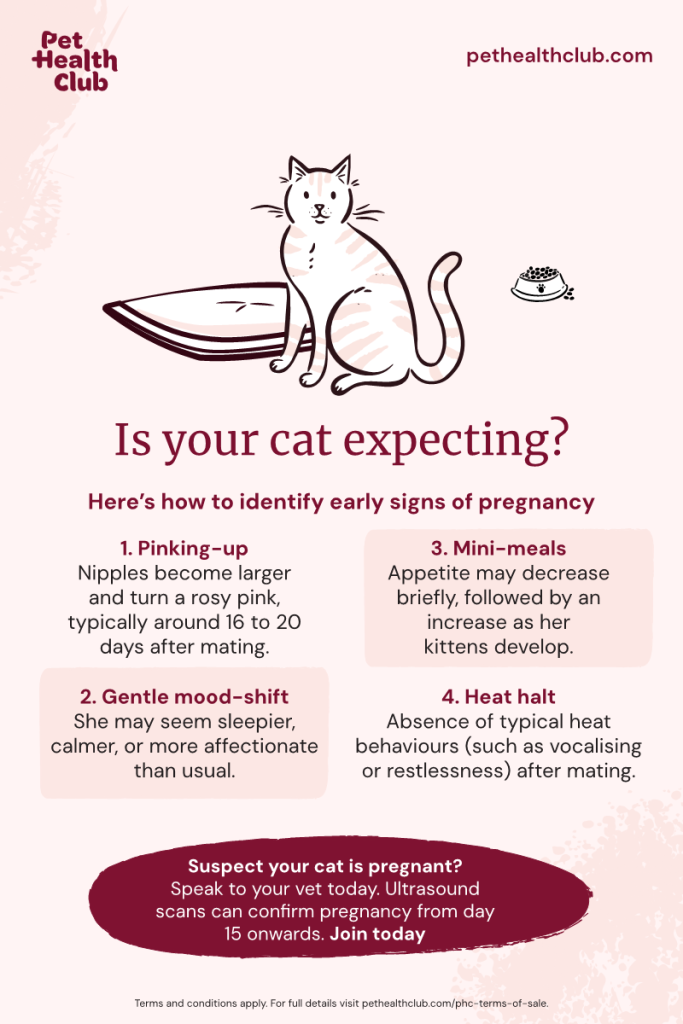
Signs of pregnancy in cats appear within the first week. The cat’s nipples may become pinker and more noticeable. Appetite changes are common; some cats eat more while others eat less. You may notice increased sleep or slight mood changes. These subtle signs indicate that the cat’s body is adjusting to pregnancy.
Pregnancy Duration In Cats
Understanding the pregnancy duration in cats is essential if you want to care well for a pregnant feline. Knowing how long a cat carries her kittens helps you prepare for their arrival and ensures you provide the right support throughout the pregnancy. Let’s break down what you need to know about the typical gestation period and the factors that can affect it.
Typical Gestation Period
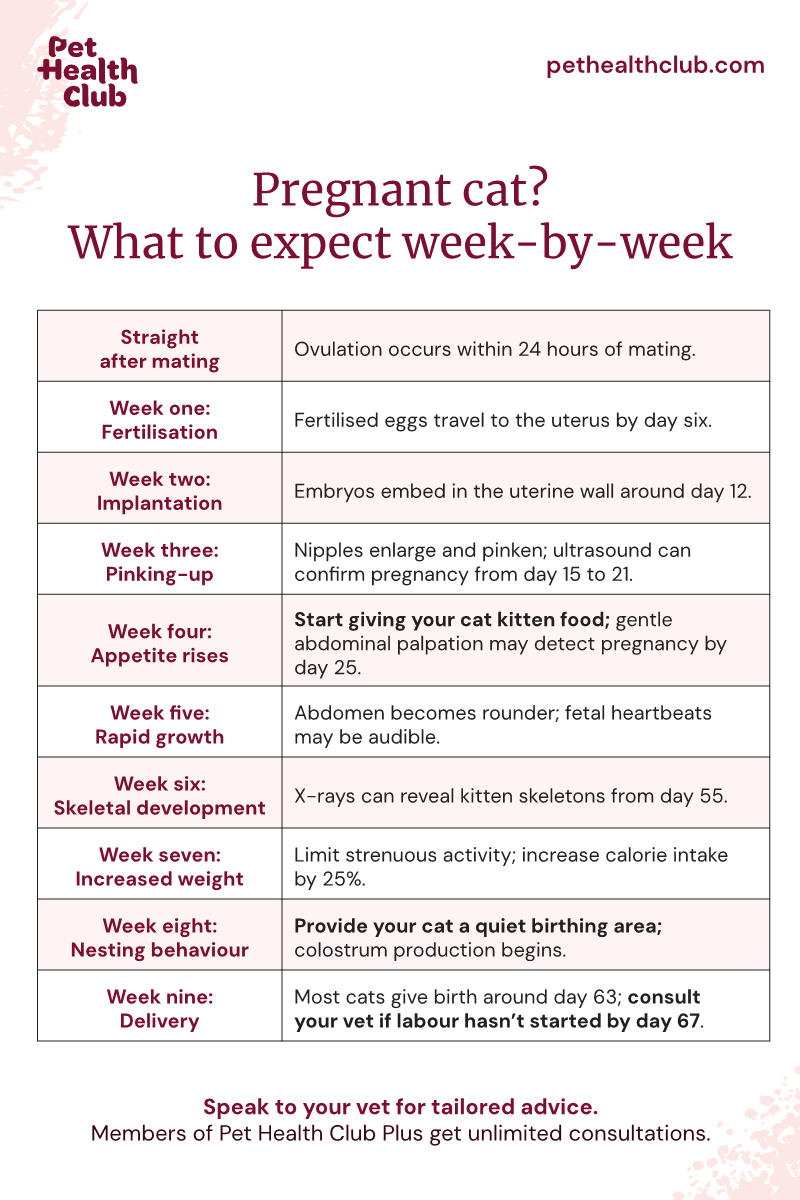
Cats usually carry their kittens for about 63 to 65 days after mating. This is roughly nine weeks, but it can vary slightly depending on the individual cat. Most cat owners notice that the pregnancy lasts between 58 and 70 days, so a little flexibility is normal.
During this time, you’ll see changes in your cat’s behavior and body. Her appetite may increase, and she might start nesting as the due date approaches. Keeping track of when she mated helps you estimate the birth date and know when to expect the kittens.
Factors Affecting Pregnancy Length
Several things can influence how long a cat remains pregnant. Age plays a role; younger cats might have shorter pregnancies, while older cats could carry kittens a bit longer. The number of kittens also matters—larger litters sometimes cause a shorter gestation.
Stress and health status are other important factors. A stressed or unhealthy cat may experience changes in pregnancy length. Have you noticed how your cat’s environment or health affected her before? That can be a clue for what to expect now.
- Breed differences:Some breeds tend to have longer or shorter pregnancies.
- Nutrition:Well-fed cats usually have smoother pregnancies.
- Previous pregnancies:Experienced mothers often have more predictable gestation periods.
By monitoring these factors, you can better prepare for your cat’s pregnancy and provide the care she needs. How closely have you observed your cat’s changes after mating? Your attention can make a big difference in her comfort and the kittens’ health.
Credit: www.pethealthclub.com
Confirming Cat Pregnancy
Confirming pregnancy in cats requires patience and careful observation. Changes may not appear immediately after mating. Early detection helps prepare for the new kittens and ensures proper care for the mother cat. Understanding the signs and using veterinary tests aids in confirming pregnancy accurately.
Physical Changes To Watch
Look for subtle changes in your cat’s body and behavior. Nipples may become pinker and swell around 15 to 18 days after mating. The cat might gain weight gradually as the pregnancy progresses. Appetite changes are common; your cat may eat more or less. Notice if she becomes more affectionate or seeks solitude. Abdominal swelling usually appears after three weeks. These signs help indicate pregnancy but are not always certain alone.
Veterinary Pregnancy Tests
Veterinarians use tests to confirm pregnancy with certainty. Ultrasound scans can detect kittens as early as 15 days after mating. This method shows fetal heartbeats and development. X-rays are useful later, usually after 40 days, to count the number of kittens. Blood tests can measure hormone levels linked to pregnancy. Visiting a vet ensures proper diagnosis and health checks for the mother cat. Early veterinary care supports a safe pregnancy for both cat and kittens.
Care For Pregnant Cats
Pregnant cats need special care to stay healthy. Their body changes fast during pregnancy. Proper care helps both mother and kittens grow strong. Pay close attention to her needs and environment. This support makes pregnancy smoother and safer.
Nutrition Needs
Pregnant cats need more calories and nutrients. Feed high-quality kitten food. It has more protein and fat than adult cat food. Offer small, frequent meals to keep energy steady. Fresh water should always be available. Avoid giving treats that lack nutrition. Supplements are only for vet advice.
Safe Environment Setup
Prepare a quiet, warm space for the mother cat. Use soft bedding that is easy to clean. Keep the area free from loud noises and other pets. Limit her movement to prevent injuries. Make sure the spot is private but accessible for care. Check regularly for safety hazards or drafts.
Common Pregnancy Complications
Pregnant cats may face several health challenges during their pregnancy. Knowing common complications helps in protecting both the mother and kittens. These issues can affect the pregnancy’s success and the cat’s wellbeing. Early awareness can prevent serious problems.
Signs Of Trouble
- Loss of appetite or sudden refusal to eat
- Excessive vomiting or diarrhea
- Unusual discharge or bleeding from the vagina
- Swelling or redness around the belly
- Weakness or difficulty moving
- Labored or painful breathing
- Fever or shivering
- Sudden weight loss or lack of weight gain
When To Seek Help
Contact a veterinarian immediately if you notice any signs of trouble. Quick action can save the mother and kittens. Regular check-ups during pregnancy are important. A vet can detect problems early and provide treatment. Never ignore changes in your cat’s behavior or health. Professional care ensures a safer pregnancy and delivery.
Credit: www.pethealthclub.com
Frequently Asked Questions
How Soon After Mating Do Cats Get Pregnant?
Cats typically become pregnant within 24 to 48 hours after mating. Fertilization occurs quickly once the eggs are released. Early pregnancy signs may not be visible immediately. A vet can confirm pregnancy after about three weeks.
How Long Is A Cat’s Pregnancy Duration?
A cat’s pregnancy usually lasts about 63 to 65 days. This is roughly nine weeks from conception. Variations can occur depending on the cat’s breed and health. Proper care during this time is essential for a healthy litter.
Can Cats Get Pregnant From One Mating Session?
Yes, cats can get pregnant from just one mating. Female cats are induced ovulators, meaning mating triggers egg release. Even a single encounter can result in pregnancy. Multiple matings increase chances but aren’t necessary.
What Are Early Signs Of Pregnancy In Cats?
Early signs include behavioral changes, appetite increase, and mild weight gain. Nipples may become pinker and more prominent after two weeks. Some cats become more affectionate or seek solitude. A vet visit can confirm pregnancy with tests or ultrasound.
Conclusion
Cats usually get pregnant about one to two weeks after mating. This short time can surprise many cat owners. Knowing this helps you care better for your cat. Watch for signs of pregnancy to prepare well. Early care can keep both mother and kittens healthy.
Remember, each cat is different, so timing may change a bit. Stay patient and observant during this special time. Your cat’s health depends on your attention and care.

Lily Purrington is the founder of MyKittyPicks.com, a cozy corner of the web dedicated to helping cat lovers discover the best cat products, furniture, toys, and home decor ideas.
A lifelong cat enthusiast, Lily shares trusted tips, honest product recommendations, and stylish inspiration designed to keep kitties happy and homes beautiful.
Her mission is simple: to bring together practical advice and purr-fect picks that make life better for cats and the people who love them.


