

Is your cat suddenly urinating everywhere and leaving you frustrated and confused? You’re not alone.
When your furry friend starts peeing outside the litter box, it can feel overwhelming and stressful. But don’t worry—understanding why this happens is the first step to solving the problem. You’ll discover the common reasons behind this behavior and learn practical tips to help your cat feel comfortable and happy again.
Keep reading to find out how you can bring peace back to your home and protect your bond with your beloved pet.

Credit: www.reddit.com
Common Reasons Cats Urinate Outside The Litter Box
When your cat starts urinating outside the litter box, it can be frustrating and confusing. Understanding the common reasons behind this behavior can help you address the issue effectively. Often, the cause is tied to health, environment, or emotional factors that your cat is trying to communicate.
Medical Issues
Health problems are a major cause of inappropriate urination. Urinary tract infections, bladder stones, and kidney disease can make it painful or difficult for your cat to use the litter box.
If your cat suddenly starts urinating everywhere, a visit to the vet is essential. Untreated medical conditions not only cause discomfort but can also lead to more serious complications.
Stress And Anxiety
Cats are sensitive creatures, and changes in their environment can trigger stress. New pets, moving to a new home, or loud noises can make your cat anxious, leading to urination outside the box.
Have you noticed your cat hiding more or acting restless? These signs often accompany stress-related urination. Providing a calm and secure environment helps reduce anxiety and unwanted accidents.
Territorial Marking
Marking territory is a natural behavior, especially in unneutered males. Your cat might urinate around the house to claim their space or respond to other animals nearby.
Spotting small amounts of urine on vertical surfaces is a clue that marking is happening. Neutering or spaying can reduce this behavior, along with using pheromone sprays to calm your cat.
Litter Box Problems
Your cat’s litter box might be the problem. Cats are picky about cleanliness, litter type, and box location. If the box is dirty, too small, or placed in a noisy area, your cat may avoid it.
Try cleaning the box daily and experimenting with different litter materials. Adding extra boxes in quiet, accessible spots can also encourage proper use.
Identifying Medical Causes
When your cat starts urinating outside the litter box, medical issues may be the cause. Identifying these health problems is crucial to help your cat feel better. Medical conditions often cause discomfort, leading to changes in urination habits. Early detection can prevent serious complications and improve your cat’s quality of life.
Urinary Tract Infections
Urinary tract infections (UTIs) happen when bacteria enter your cat’s urinary system. This causes pain and frequent urination. Cats with UTIs may strain or cry while urinating. Blood in the urine is a common sign. UTIs need prompt veterinary care and antibiotics to clear the infection.
Bladder Stones
Bladder stones are hard mineral deposits inside the bladder. These stones irritate the bladder lining and block urine flow. Cats with bladder stones may urinate small amounts often or have accidents outside the litter box. A vet can diagnose bladder stones through X-rays or ultrasound. Treatment may include special diets or surgery.
Kidney Disease
Kidney disease affects how well the kidneys filter waste. Cats with kidney problems may drink and urinate more than usual. Urinating outside the litter box can happen if the cat cannot control its bladder. Kidney disease requires veterinary testing and long-term management. Early care can slow disease progression and ease symptoms.
Behavioral Triggers
Behavioral triggers often play a major role in why your cat might start urinating outside the litter box. Unlike medical issues, these triggers come from changes in your cat’s daily life or surroundings. Understanding these can help you address the root cause and restore peace in your home.
Changes In Environment
Cats are creatures of habit and thrive on routine. Even small changes like moving furniture or new smells can unsettle them. Have you noticed your cat avoiding the usual spots after rearranging a room? Such changes can make your cat feel insecure and lead to urinating in unusual places as a way to mark territory or seek comfort.
New Pets Or Family Members
Introducing a new pet or family member can throw your cat off balance. Your cat might feel threatened or stressed by the newcomer’s presence. This stress can cause your cat to urinate outside the litter box to communicate discomfort or establish dominance.
Observe how your cat interacts with the new arrival. Are there signs of anxiety like hiding or aggressive behavior? Addressing these feelings early by providing safe spaces and gradual introductions can reduce this behavior.
Inadequate Litter Box Setup
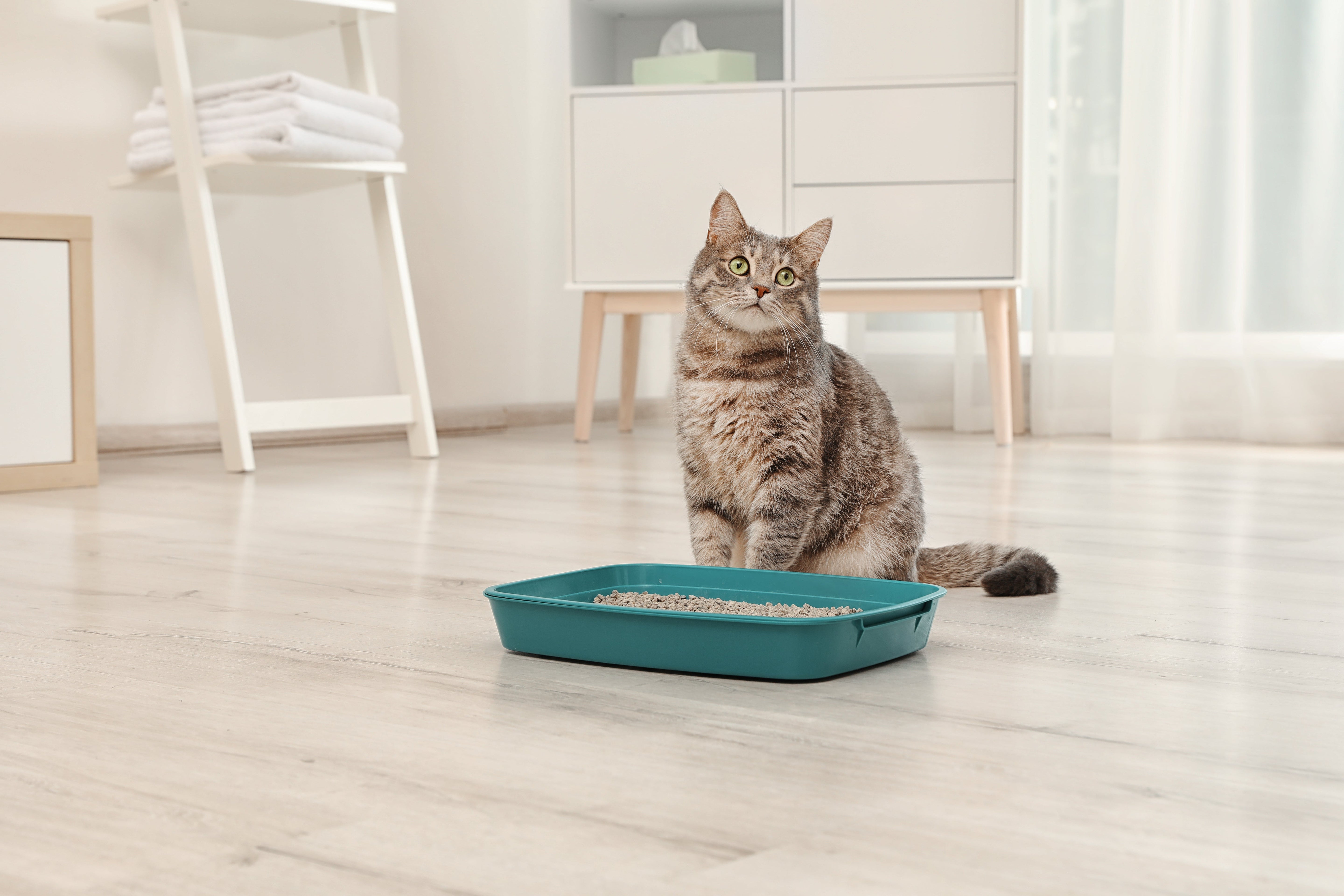
Your cat’s litter box setup matters more than you might think. If the box is too small, dirty, or placed in a noisy area, your cat might avoid it entirely. Have you checked if the litter type or box location suits your cat’s preferences?
Try these simple adjustments:
- Clean the litter box daily to keep it fresh
- Place the box in a quiet, low-traffic area
- Offer multiple litter boxes if you have more than one cat
- Experiment with different types of litter to find what your cat likes
These changes can make a big difference in encouraging your cat to use the litter box consistently.
Credit: animoetc.com
Effective Cleaning Techniques
Dealing with cat urine stains can be frustrating, especially when your feline friend chooses the same spot repeatedly. Effective cleaning techniques are essential not only for hygiene but also to discourage your cat from returning to the same place. Cleaning properly means removing every trace of odor and choosing products that work well without harming surfaces or your pet.
Removing Odors Completely
Cat urine odor is strong and persistent because of compounds like ammonia and pheromones. If you don’t eliminate these completely, your cat will likely mark the spot again. Using plain water or regular cleaning agents often won’t cut it.
Try using enzymatic cleaners specifically designed for pet urine. These break down the urine molecules instead of just masking the smell. I once tried regular bleach on my carpet, and the smell returned within hours, but switching to an enzymatic cleaner stopped repeat accidents.
Another tip: after cleaning, ventilate the area well. Fresh air helps dissipate lingering smells that your nose might miss but your cat can detect clearly. Have you noticed how your cat reacts when you clean with just water versus a specialized cleaner?
Choosing The Right Cleaning Products
Not all cleaning products are safe or effective for cat urine. Avoid ammonia-based cleaners since they smell similar to cat urine and can encourage more marking. Bleach and harsh chemicals can irritate your cat’s nose or skin, causing stress or avoidance.
Look for products labeled “pet-safe” or designed for organic waste. These are gentler and work well on various surfaces like carpets, hardwood floors, and upholstery. A mix of white vinegar and water can also be a natural alternative that neutralizes odor.
Remember to test any product on a small hidden area first to check for discoloration or damage. What cleaning product has worked best for you when tackling stubborn pet stains?
Quick Fixes To Stop Unwanted Urination
Unwanted urination can be frustrating, but some quick fixes might help you regain control and peace in your home. Often, small changes in your cat’s environment or routine make a big difference. You don’t have to overhaul everything at once—start with simple adjustments and observe your cat’s response.
Adjusting Litter Box Location
Is your cat avoiding the litter box? Its location might be the issue. Cats prefer quiet, private spots away from loud appliances or busy areas.
Try moving the litter box to a calm corner where your cat feels safe. Avoid placing it near their food or water bowls, as cats dislike mixing these areas. Sometimes, even shifting the box a few feet can encourage proper use.
Increasing Litter Box Quantity
Do you have enough litter boxes? The general rule is one box per cat plus one extra. If you have one cat, two boxes are better; if you have two cats, aim for three boxes.
More boxes reduce competition and stress, which often lead to accidents. Place the boxes in different rooms or floors to give your cat options and prevent territorial disputes.
Using Calming Sprays Or Diffusers
Stress can trigger urination problems. Calming sprays or diffusers with pheromones can help your cat feel more relaxed. These products mimic natural feline facial pheromones, which promote a sense of security.
Place a diffuser in common areas or spray the litter box area to create a calming environment. Have you noticed how your cat behaves differently in stressful situations? These calming aids may help reduce anxiety-driven urination.
When To See A Veterinarian
Frequent urination outside the litter box may signal health issues or stress in your cat. Persistent changes in behavior deserve a vet’s evaluation to find the cause and provide relief. Prompt attention helps prevent serious problems and keeps your cat comfortable.
When your cat begins urinating outside the litter box, it can be both frustrating and concerning. While some behavioral issues can be addressed at home, there are times when you need to consult a veterinarian. Understanding when it’s essential to seek professional help can make a significant difference in your cat’s health and happiness.Symptoms Requiring Immediate Attention
Certain symptoms should prompt a prompt visit to the vet. If your cat shows signs of pain while urinating, like crying or straining, don’t wait. Blood in the urine or increased frequency of urination are also red flags. Cats are masters at hiding discomfort. Pay attention if your cat is lethargic or suddenly refuses to eat. These behaviors, combined with inappropriate urination, can signal a serious health issue.Preparing For The Vet Visit
Gather as much information as possible before your visit. Note any changes in your cat’s diet, behavior, and environment. This information will help the vet diagnose the issue more accurately. Consider bringing a sample of your cat’s urine. This can provide valuable insights into any underlying medical conditions. Your vet will likely ask detailed questions. Be ready to discuss your cat’s habits and any recent changes in their routine. Preparing in advance can make the appointment more effective and less stressful for both you and your cat. Are you ready to take action for your feline friend? Your attentive care can make all the difference.
Credit: ourpetshealth.com
Frequently Asked Questions
Why Is My Cat Urinating Outside The Litter Box?
Cats may urinate outside the litter box due to stress, medical issues, or dirty litter. Behavioral problems or changes in the environment can also cause this behavior. Identifying the root cause helps address the problem effectively.
Can Medical Problems Cause My Cat To Urinate Everywhere?
Yes, urinary tract infections, bladder stones, or kidney disease can cause frequent urination. A vet checkup is essential to rule out or treat medical issues promptly.
How Does Stress Affect My Cat’s Urination Habits?
Stress can trigger inappropriate urination as cats mark territory or express anxiety. Changes like new pets, moving, or loud noises often increase stress and cause this behavior.
What Should I Do If My Cat Urinates Everywhere?
First, visit a vet to exclude health problems. Keep the litter box clean, provide multiple boxes, and reduce stressors. Use enzymatic cleaners to remove urine odors thoroughly.
Conclusion
Cats urinating everywhere can signal health or stress problems. Catching the issue early helps your cat feel better. Clean the spots well to stop repeat accidents. Give your cat a calm and safe space to relax. Visit the vet to rule out medical issues.
Remember, patience is key during this process. Your cat needs your care and attention now more than ever. Small changes can lead to big improvements in behavior. Keep observing and helping your cat every day.

Lily Purrington is the founder of MyKittyPicks.com, a cozy corner of the web dedicated to helping cat lovers discover the best cat products, furniture, toys, and home decor ideas.
A lifelong cat enthusiast, Lily shares trusted tips, honest product recommendations, and stylish inspiration designed to keep kitties happy and homes beautiful.
Her mission is simple: to bring together practical advice and purr-fect picks that make life better for cats and the people who love them.


