

Have you ever noticed a strange smell or spots around your home and wondered if your female cat is marking her territory? You might be surprised to learn that female cats do use urine to mark their space, just like male cats.
Understanding why your cat does this can help you manage the behavior and keep your home fresh. Keep reading to discover the reasons behind this habit and what you can do about it.
Credit: littlevictories.org
Female Cat Territory Behavior
Understanding female cat territory behavior can help you manage your pet’s actions better. Female cats do mark their territory, but their behavior can differ from males. Observing their patterns gives insight into their needs and feelings.
What Is Territorial Marking
Territorial marking is how cats communicate ownership of their space. It tells other animals to stay away without a fight. Female cats use this behavior to protect their safe areas, especially if they feel threatened or stressed.
Unlike male cats, female cats may mark less aggressively. Their marking often relates to reproductive cycles or changes in their environment. Have you noticed your female cat rubbing or scratching in certain spots repeatedly? That’s a form of marking too.
Common Marking Methods
Female cats use several ways to mark their territory:
- Urine Spraying:Though less common than in males, some females spray urine to mark boundaries.
- Rubbing:They rub their face and body against objects, leaving scent from glands around their cheeks.
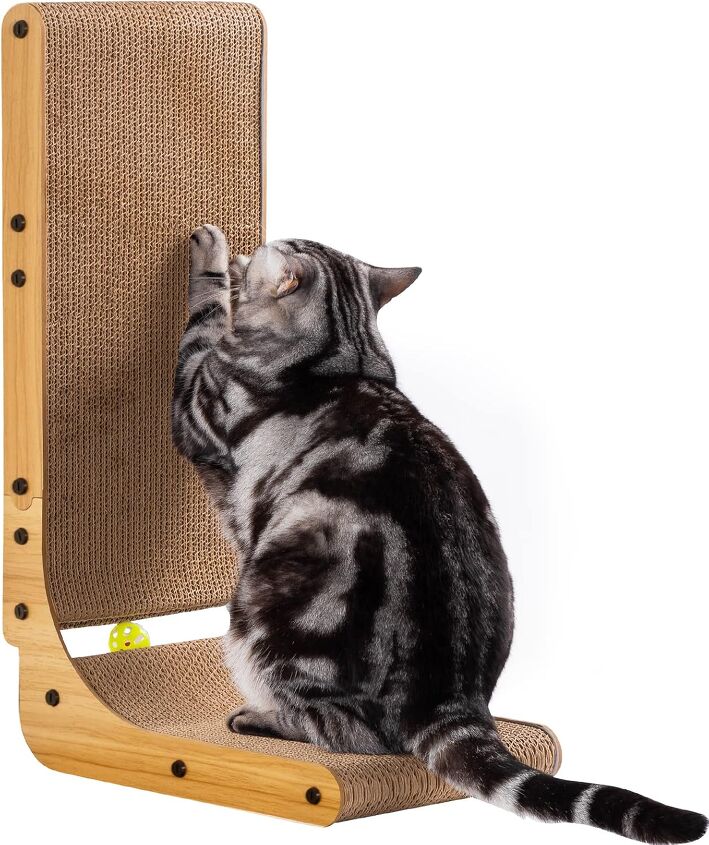
- Scratching:Scratching surfaces deposits scent from their paws and creates visual marks.
These methods send clear signals to other cats or animals. If your female cat starts spraying suddenly, consider if there’s a new cat nearby or any stress factor. You can reduce marking by providing more playtime and a calm environment.
Urine Marking In Female Cats
Female cats can mark their territory using urine, just like males. This behavior is a natural way to communicate with other cats. It helps them establish boundaries and express feelings. Understanding urine marking in female cats can help owners manage this sometimes confusing behavior.
Frequency Of Urine Marking
Female cats usually mark less often than male cats. The frequency depends on their environment and stress levels. Unspayed females may mark more during their heat cycle. Stress from new pets or changes in the home can also increase marking. Spaying often reduces this behavior.
Reasons Behind Urine Marking
- To claim territory and warn other cats
- To attract mates during heat
- To express stress or anxiety
- To communicate with other cats in the area
Marking helps female cats feel secure in their space. It serves as a message to other cats to stay away or to signal availability.
Differences From Male Cats
Male cats mark more frequently and with stronger scent. They usually spray higher on vertical surfaces. Female cats tend to leave smaller marks. Males use marking to compete for mates and territory. Female marking is often linked more to stress or reproductive cycles.
Hormones And Marking Patterns
Female cats can mark their territory with urine, but it happens less often than in males. Hormones influence this behavior, especially in unspayed females. Marking helps cats communicate boundaries and reproductive status to others nearby.
Hormones play a significant role in the marking patterns of female cats. Understanding these patterns can help you manage your cat's behavior effectively. Female cats, like their male counterparts, may mark their territory with urine, often due to hormonal changes.Impact Of Spaying
Spaying your cat can significantly reduce or eliminate urine marking. When a female cat is spayed, her hormonal levels drop, which often leads to a decrease in territorial behaviors. Many cat owners have found that spayed cats are calmer and less likely to engage in marking. If your cat hasn’t been spayed yet, consider discussing the benefits with your vet. This simple procedure can lead to a more harmonious home environment. Have you noticed a change in your cat’s behavior after spaying?Hormonal Influence On Behavior
Hormones can drive female cats to mark, especially during heat cycles. During these times, a cat may feel the need to signal potential mates, leading to increased marking. Even indoor cats can exhibit this behavior, which can be surprising for owners. Observing your cat’s behavior can provide clues about hormonal changes. Are there specific times when your cat seems more prone to marking? Understanding these patterns can help you address and manage the behavior effectively.Signs Of Territorial Marking
Recognizing the signs of territorial marking in female cats can help you understand their behavior better. Female cats do mark their space, and urine is one way they communicate boundaries. Knowing what to look for can save you from unwanted surprises and help maintain harmony at home.
Identifying Urine Spots
Urine marking by female cats usually appears as small, concentrated spots rather than large puddles. These spots are often found on vertical surfaces like walls, furniture legs, or doors. You might notice a strong ammonia-like smell near these spots, which is a clear giveaway.
If you’ve ever caught a faint yellow stain in places your cat shouldn’t go, that’s likely a sign of marking. Check hidden or less obvious areas like behind sofas or near windows. Regular cleaning can sometimes mask the smell but won’t stop the behavior.
Other Marking Indicators
Besides urine, female cats use scratching to mark territory. Look for scratch marks on walls, furniture, or scratching posts. These marks release scent from glands in their paws, sending a visual and olfactory message.
Additionally, your cat may rub her face or body against objects or people. This deposits pheromones from facial glands, signaling ownership. Have you noticed your cat rubbing on your legs or a favorite chair repeatedly? That’s her way of claiming her space.
Pay attention to changes in your cat’s behavior too. Increased vocalizing or restlessness near certain spots may hint at territorial marking. Understanding these signs helps you respond appropriately and keeps your cat comfortable.
Preventing Unwanted Marking
Preventing unwanted marking in female cats requires patience and consistency. Understanding your cat’s environment and behavior plays a key role. Small changes can help reduce stress and stop marking habits.
Environmental Adjustments
Keep your cat’s litter box clean and in a quiet place. Provide enough litter boxes if you have multiple cats. Use unscented, clumping litter to encourage use. Remove any strong odors with enzyme cleaners to erase previous marks. Create safe hiding spots for your cat to reduce anxiety.
Behavioral Training Tips
Distract your cat with toys and playtime to reduce stress. Reward good behavior with treats or praise immediately. Avoid punishment as it may increase anxiety and marking. Use pheromone sprays or diffusers to calm your cat. Establish a regular feeding and play schedule for stability.
When To Consult A Vet
Visit a vet if marking starts suddenly or increases. Urinary tract infections or other health problems can cause marking. Your vet can check for medical issues affecting behavior. Ask about spaying if your cat is not yet spayed. A vet’s advice helps create a proper treatment plan.

Credit: www.petguide.com
Surprising Facts About Female Cats
Many people assume that only male cats mark their territory with urine, but female cats have their own surprising ways of communicating and establishing boundaries. Understanding these behaviors can help you better care for your feline friend and address any marking issues effectively. Let’s explore some surprising facts about female cats that might change how you see them.
Unique Social Structures
Female cats often live in tight-knit social groups, especially in feral colonies. Unlike males, they tend to cooperate more with each other, sharing resources like food and shelter. This social behavior reduces the need for aggressive territorial marking.
Have you noticed how your female cat interacts with other cats or animals? These interactions can reveal a lot about her social instincts and how she balances friendliness with boundary-setting.
Less Aggressive Marking Habits
Female cats do mark their territory with urine, but they usually do it less aggressively than males. Their urine marking is often more about communication within their social group rather than warding off outsiders.
If you catch your female cat scratching or rubbing her face on furniture, she’s likely using scent glands to mark territory in a less intrusive way. These subtle behaviors are her way of saying, “This is my space” without causing conflict.
Does your female cat ever spray? It’s less common, but if it happens, stress or changes in environment are often the triggers. Keeping her environment stable can prevent unwanted marking.
Credit: www.petguide.com
Frequently Asked Questions
Do Female Cats Use Urine To Mark Territory?
Yes, female cats can mark their territory using urine. This behavior is more common in unspayed females. It helps communicate their presence to other cats and establish boundaries.
Why Do Female Cats Spray Urine Indoors?
Female cats spray urine indoors due to stress, mating instincts, or territory disputes. It is a natural behavior to signal ownership or attract mates. Spaying often reduces this habit.
How To Stop Female Cats From Urine Marking?
To stop urine marking, spay your female cat and reduce stress factors. Clean marked areas thoroughly and provide enough litter boxes. Behavioral training and vet advice can also help.
Is Urine Marking In Female Cats A Sign Of Illness?
Urine marking can sometimes indicate urinary tract infections or health issues. If marking is sudden or excessive, consult a vet to rule out medical problems.
Conclusion
Female cats do mark their territory with urine sometimes. This behavior helps them feel safe and protect their space. Not all female cats spray, but many use scent to communicate. Understanding this can help you manage your cat’s behavior better.
Watching your cat closely reveals why she marks certain spots. Taking steps early can prevent unwanted spraying in your home. Keep your cat calm and comfortable to reduce marking. Knowing these facts makes living with your cat easier and more peaceful.

Lily Purrington is the founder of MyKittyPicks.com, a cozy corner of the web dedicated to helping cat lovers discover the best cat products, furniture, toys, and home decor ideas.
A lifelong cat enthusiast, Lily shares trusted tips, honest product recommendations, and stylish inspiration designed to keep kitties happy and homes beautiful.
Her mission is simple: to bring together practical advice and purr-fect picks that make life better for cats and the people who love them.


