

Have you ever wondered why cat urine smells so bad, no matter how much you clean? If you share your home with a feline friend, you know this smell can be stubborn and unpleasant.
Understanding the reason behind this strong odor can help you tackle it more effectively and keep your living space fresh. You’ll discover what makes cat urine so pungent and learn practical tips to get rid of the smell for good.
Keep reading—you’ll thank yourself later!
The Science Behind Cat Urine Odor
Have you ever wondered why cat urine has such a strong and unpleasant smell? The answer lies deep in its chemical makeup and how your cat’s body processes waste. Understanding the science behind cat urine odor can help you manage and reduce the smell more effectively.
Chemical Composition Of Cat Urine
Cat urine contains a unique mix of chemicals that set it apart from other animals. It is rich in proteins, nitrogenous waste, and various organic compounds. These substances break down over time, releasing powerful odors that are hard to ignore.
One key compound is felinine, an amino acid found almost exclusively in cat urine. Felinine breaks down into sulfur-containing substances, which produce that distinctive sharp smell. This makes cat urine smell much stronger and more pungent than urine from dogs or humans.
Role Of Ammonia And Urea
Ammonia is a major player in the strong smell of cat urine. It forms when urea, a waste product in urine, breaks down due to bacteria. The higher the concentration of ammonia, the more intense the odor you’ll notice.
Urea itself is odorless, but once it decomposes, the ammonia it releases can irritate your nose and eyes. This reaction accelerates in warm or moist environments, which is why a neglected litter box quickly becomes unbearable.
Influence Of Diet And Health
Your cat’s diet directly affects the smell of its urine. High-protein diets tend to increase the nitrogen content in urine, leading to stronger odors. If you’ve ever switched your cat to a different food and noticed a change in the litter box smell, this is why.
Health issues can also alter urine odor. Infections, dehydration, or kidney problems can make the smell sharper or unusual. If the odor suddenly changes, it might be time to consult your vet to rule out any health concerns.
Factors Intensifying The Smell
The strong, unpleasant odor of cat urine can catch you off guard, even if you’ve dealt with it before. Several factors make the smell worse, turning a minor inconvenience into a household challenge. Understanding these factors helps you tackle the issue more effectively and keep your home fresh.
Concentration And Age Of Urine
Fresh cat urine already has a strong smell, but as it dries and ages, the odor intensifies dramatically. The longer urine sits, the more concentrated the ammonia and other compounds become, increasing the sharpness of the smell.
Think about a spot your cat marked yesterday versus one from a week ago. The older stain will almost always smell worse, making early cleanup crucial. Have you noticed how a tiny spot can turn into a stinky problem if ignored?
Effect Of Bacterial Growth
Bacteria play a big role in worsening the smell. When urine is left on a surface, bacteria break down its components, releasing even stronger-smelling chemicals like ammonia and sulfur compounds.
This bacterial activity creates a cycle where the odor grows over time, especially in warm, damp places. It’s why a forgotten accident on carpet or upholstery smells far worse than one on a hard floor you can wipe clean.
Impact Of Litter Box Conditions
The state of your cat’s litter box directly affects urine odor. Dirty or poorly maintained litter boxes allow urine to sit and mix with feces, creating a concentrated smell that quickly fills the room.
- Using clumping litter helps isolate urine, making it easier to remove.
- Regular scooping prevents urine buildup and bacterial growth.
- Keeping the litter box in a well-ventilated area helps reduce lingering odors.
Have you ever walked into a room and felt the odor hit you before you saw the litter box? That’s a sign the box needs your attention.
Behavioral Causes Of Frequent Urination
Cats often urinate frequently due to behavioral reasons. This behavior can be frustrating for pet owners. Understanding these causes can help manage the issue. Let’s explore some behavioral reasons for frequent urination in cats.
Territorial Marking
Cats are territorial animals. They mark their space by urinating. This behavior is more common in multi-cat households. Urine marking is a way to communicate with other cats. It’s a natural instinct, not a litter box problem. Neutering or spaying can reduce this behavior.
Stress And Anxiety
Changes in a cat’s environment can cause stress. New furniture, moving, or guests can trigger anxiety. Cats might urinate more frequently when stressed. Providing a calm environment helps reduce stress-related urination.
Medical Issues
Frequent urination can indicate health problems. Conditions like urinary tract infections or kidney disease are common in cats. These issues need immediate attention from a vet. Always rule out medical causes before addressing behavioral issues.

Credit: smart.dhgate.com
Challenges In Removing Cat Urine Odor
Removing cat urine odor poses many challenges. The smell is strong and lingers long. It seeps deep into surfaces, making cleaning tough. Ordinary cleaning often fails to clear the odor. Special care and products become necessary to fully eliminate the smell.
Penetration Into Surfaces
Cat urine quickly soaks into carpets, fabrics, and wood. It reaches beneath the surface layers. This deep penetration traps the odor inside materials. The smell stays even after surface cleaning. Hard-to-reach areas hold onto urine particles and crystals.
Limitations Of Common Cleaning Methods
Regular soaps and detergents cannot break down urine compounds. They only mask the smell temporarily. Water alone spreads the urine deeper into materials. Bleach can harm surfaces and irritate pets. Many cleaners fail to remove the source of the odor completely.
Importance Of Enzymatic Cleaners
Enzymatic cleaners use natural enzymes to break down urine molecules. They digest the odor-causing compounds at their source. These cleaners reach deep into fibers and surfaces. They prevent cats from re-marking the same spots. Using enzymatic cleaners is key to lasting odor removal.
Preventing And Managing Odor
Dealing with the strong smell of cat urine can be frustrating. Fortunately, managing and preventing that odor is possible with some focused actions. You don’t have to accept the unpleasant smell as a permanent part of living with your feline friend.
Proper Litter Box Maintenance
Keeping your cat’s litter box clean is the first line of defense against odor. Scoop the box at least once a day and change the litter fully every week.
Choose a high-quality, clumping litter that locks in moisture and odor. Consider using baking soda or specialized deodorizing products safe for cats to reduce smells further.
Have you noticed how a clean litter box encourages your cat to use it more consistently? This simple habit cuts down on accidents and persistent odors around your home.
Dietary Adjustments
Your cat’s diet can influence how strong their urine smells. Foods high in certain proteins and minerals tend to make the urine more pungent.
Switching to a balanced diet with high-quality ingredients can reduce odor. Some cat foods are specially formulated to promote urinary health and reduce ammonia smell.
Watch your cat’s response carefully; sudden diet changes should be done gradually. Have you ever tried adjusting your cat’s food to see if it helps with the smell?
Behavioral Training And Medical Care
Sometimes, the smell is worse because your cat is urinating outside the litter box. Behavioral training can help redirect your cat back to proper bathroom habits.
Medical issues like urinary tract infections or kidney problems also cause stronger urine odor. Regular vet check-ups can catch these issues early.
If you notice a sudden increase in smell or unusual urination habits, consult your vet immediately. How often do you check your cat’s health to prevent odor-related problems?
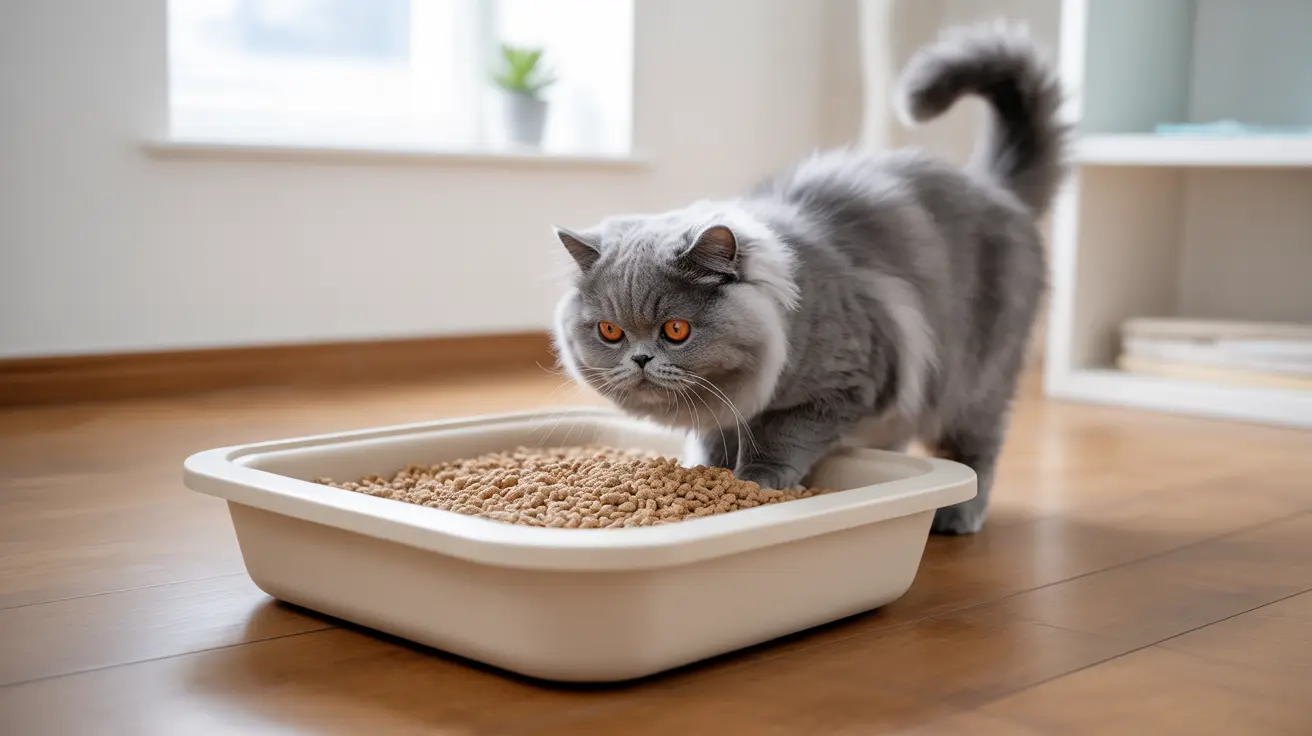
Credit: www.petscare.com

Credit: www.outdoorbengal.com
Frequently Asked Questions
Why Does Cat Urine Have A Strong Odor?
Cat urine contains high levels of ammonia and sulfur compounds. These chemicals create a powerful, unpleasant smell that is hard to eliminate. The strong odor helps cats mark their territory in the wild. This natural function makes the smell particularly potent in domestic settings.
How Long Does Cat Urine Smell Last?
The smell of cat urine can last for weeks or months if untreated. It seeps into carpets, furniture, and fabrics, making it difficult to remove. Proper cleaning with enzymatic cleaners is essential to break down odor-causing molecules and reduce the smell quickly.
Can Diet Affect The Smell Of Cat Urine?
Yes, a cat’s diet influences urine odor. High-protein diets increase ammonia levels, intensifying the smell. Poor hydration also concentrates urine, making the odor stronger. Feeding a balanced diet and encouraging water intake can help reduce urine odor.
Why Is Cat Urine Smell Worse In Older Cats?
Older cats may have stronger urine odor due to health issues like kidney disease or infections. These conditions change urine composition, increasing odor intensity. Regular vet check-ups can help detect problems early and manage the smell effectively.
Conclusion
Cat urine smells strong because of chemicals like ammonia. These chemicals come from how cats break down food and waste. The smell stays long because it sticks to surfaces. Cleaning quickly helps stop the smell from spreading. Using special cleaners can remove the odor better.
Understanding why cat urine smells bad helps you keep your home fresh. Simple steps make a big difference in controlling the odor. Taking care of this problem keeps both you and your cat happy.

Lily Purrington is the founder of MyKittyPicks.com, a cozy corner of the web dedicated to helping cat lovers discover the best cat products, furniture, toys, and home decor ideas.
A lifelong cat enthusiast, Lily shares trusted tips, honest product recommendations, and stylish inspiration designed to keep kitties happy and homes beautiful.
Her mission is simple: to bring together practical advice and purr-fect picks that make life better for cats and the people who love them.


