

If you’ve ever walked into a room and been hit by a strong, unpleasant smell from your cat’s litter box, you know how frustrating it can be. That stubborn cat urine odor doesn’t just vanish on its own, and it can make your home feel less fresh and inviting.
But don’t worry—you’re not stuck with that smell forever. You’ll discover simple, effective ways to eliminate cat urine odor in your litter box for good. Keep reading, and you’ll learn how to keep your home smelling clean and fresh, making both you and your cat much happier.
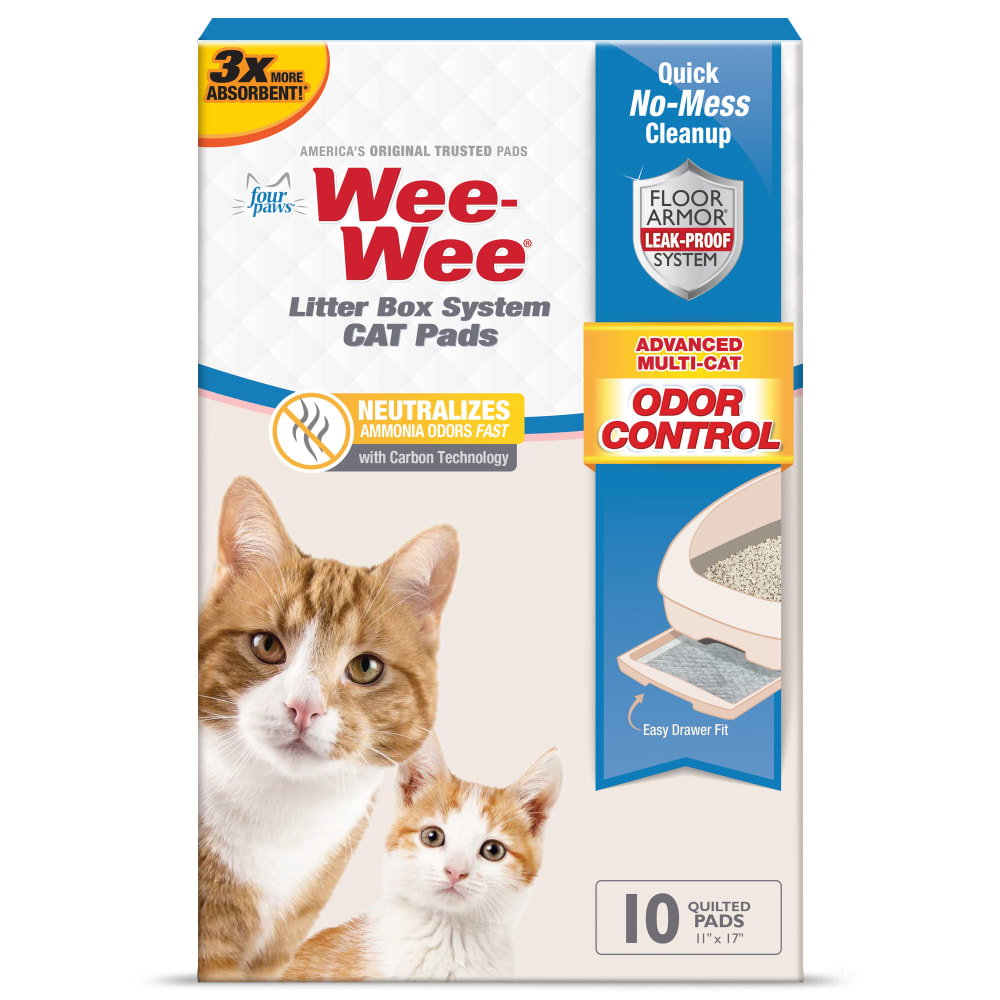
Credit: www.fourpaws.com
Causes Of Cat Urine Odor
Understanding the causes of cat urine odor is key to tackling the problem effectively. The smell often feels overwhelming and persistent, but knowing why it happens can help you find the right solution. Let’s break down what makes cat urine so pungent and how factors like diet and health play a role.
Why Urine Smells Strong
Cat urine contains ammonia and other nitrogen compounds that create a sharp, unpleasant odor. When urine dries, these compounds become more concentrated, making the smell even stronger. This is why old or dried urine stains often cause the most noticeable odor.
Another reason is that cats mark territory with urine, which contains specific proteins and pheromones. These substances are designed to send signals to other cats, and they contribute to the unique and strong scent. Have you noticed how the smell lingers more in certain spots? That’s because of these concentrated markers.
Impact Of Diet And Health
Your cat’s diet directly affects the smell of their urine. High-protein diets or certain fish-based foods can make urine smell stronger. Adding more water to their diet can dilute urine and reduce odor.
Health conditions like urinary tract infections or kidney problems also influence urine odor. If your cat’s urine suddenly smells stronger or changes in color, it might be a sign to visit the vet. Paying attention to these changes can save you from bigger problems and help control odor at home.
Choosing The Right Litter
Choosing the right litter plays a big role in reducing cat urine odor. The litter type affects absorption and smell control. Picking a good litter helps keep your home fresh and your cat happy.
Different litters have unique qualities. Some clump tightly, trapping urine well. Others absorb moisture quickly or contain natural odor blockers. Understanding these options helps you make the best choice.
Types Of Cat Litter
- Clumping clay litter:Forms solid clumps for easy scooping. Controls odor fairly well.
- Non-clumping clay litter:Absorbs moisture but does not clump. Needs frequent changing.
- Silica gel litter:Absorbs liquid and traps odors with crystals. Lasts longer between changes.
- Natural litters:Made from corn, wheat, or pine. Biodegradable and often scented.
- Recycled paper litter:Soft and dust-free. Less effective at odor control.
Litter With Odor Control
Many litters include odor control ingredients. Baking soda is a common additive to neutralize smells. Some use activated charcoal or natural enzymes to break down odor-causing compounds.
Fragranced litters mask odor but may bother sensitive cats. Unscented litters with odor control offer a balance. Choose based on your cat’s preference and your home’s needs.
Cleaning The Litter Box
Regularly scooping and changing litter helps keep the box fresh and odor-free. Using baking soda or special cleaners removes stubborn cat urine smells effectively. Proper cleaning prevents bad odors and keeps your home smelling clean.
Cleaning the litter box is a crucial task if you want to keep your home smelling fresh and free from the unmistakable odor of cat urine. It might feel like a mundane chore, but adopting effective cleaning habits can make a world of difference. Think of it as a small investment of time for a huge payoff in ambiance and cleanliness. Ready to transform your cat’s litter box into a pleasant space for both you and your furry friend? Let’s dive into the techniques that can help you achieve just that.Daily Scooping Techniques
Daily scooping is essential to control odor. Make it a habit to scoop out waste at least once a day. Consider using a sturdy scoop with slits to sift through the litter effectively. This will help you remove all the clumps without wasting clean litter. If you’re tight on time, set a reminder on your phone. This simple act can save you from future nose-pinching situations.Deep Cleaning Methods
A weekly deep clean is as important as your daily routine. Start by emptying the entire litter box and disposing of the old litter. Use a mild soap and hot water to scrub the box thoroughly. Avoid strong chemicals as they can repel your cat. Rinse well and allow the box to air dry. Once dry, sprinkle a thin layer of baking soda before adding fresh litter. This layer acts as a natural deodorizer, keeping the smell at bay longer. Remember, a clean litter box not only benefits you but also ensures your cat’s health and happiness. Wouldn’t you agree that a happy cat means a happy home?Using Natural Odor Absorbers
Using natural odor absorbers is a safe and effective way to keep your cat’s litter box smelling fresh. These options help neutralize bad smells without harsh chemicals. They work well with regular cleaning to control odors and create a more pleasant space for your cat and home.
Baking Soda Benefits
Baking soda is a popular and affordable odor absorber. It neutralizes acids and traps smells inside its crystals. Sprinkle a thin layer of baking soda at the bottom of the litter box before adding litter. This helps absorb urine odors quickly and keeps the box fresher longer.
- Non-toxic and safe for cats
- Easy to find in stores
- Works without masking odors
- Helps control moisture
Replace the baking soda with every litter change. Avoid using too much to keep the litter texture comfortable for your cat.
Activated Charcoal Options
Activated charcoal is another natural odor absorber. It traps gases and moisture through its porous surface. Place a small pouch of activated charcoal near the litter box or inside the box itself if it is safe and sealed. This helps reduce ammonia and other strong smells.
- Highly effective at removing odors
- Long-lasting compared to baking soda
- Natural and chemical-free
- Can be reused after drying
Choose charcoal products made specifically for pet odor control. Keep them out of reach from cats to avoid chewing.
Preventing Future Odors
Preventing future odors in your cat’s litter box keeps your home fresh and clean. It saves time spent on deep cleaning and reduces unpleasant smells. Simple habits and smart choices help stop odors before they start. Focus on key areas like where you place the box and your cat’s health. These steps create a better environment for your cat and you.
Proper Litter Box Placement
Choose a quiet, well-ventilated spot for the litter box. Avoid areas with strong smells or humidity. Place the box away from your cat’s food and water bowls. This prevents contamination and keeps smells separate. Use a location easy to clean and check daily. Good placement helps air flow and reduces trapped odors.
Maintaining Cat’s Health
Healthy cats produce less smelly urine. Watch for signs of urinary tract infections or other health issues. Regular vet visits catch problems early. Feed your cat a balanced diet and provide plenty of water. Hydration dilutes urine and lowers odor strength. A healthy cat means a fresher litter box.

Credit: www.skoutshonor.com
When To Replace The Litter Box
Knowing when to replace your cat’s litter box is key to keeping your home odor-free and your cat happy. Over time, even the best-maintained litter boxes can harbor stubborn smells that cleaning alone can’t fix. Replacing the box at the right moment can stop those odors from becoming a constant problem.
Signs Of Wear And Tear
Check your litter box regularly for cracks, scratches, or discoloration. These small damages can trap urine and bacteria, making odors linger despite frequent cleaning. If you notice a strong, persistent smell that doesn’t go away after scrubbing, it’s a clear sign the box is worn out.
Also, pay attention to your cat’s behavior. If your feline friend starts avoiding the box, it might be because the surface feels unpleasant or smells bad. A damaged box can make your cat uncomfortable, so don’t ignore these signals.
Choosing A New Box
When it’s time to get a new litter box, consider your cat’s size and habits. A bigger box gives your cat more room to move and helps reduce spills and messes. Covered boxes can trap odors but may not suit every cat’s preference, so observe what your cat likes.
Material matters too. Look for boxes made from durable, non-porous plastic that’s easy to clean. Some come with antimicrobial coatings, which can help keep smells down longer. Think about your cleaning routine and pick a box that fits your lifestyle and your cat’s needs.

Credit: www.skoutshonor.com
Frequently Asked Questions
How Can I Remove Cat Urine Odor From The Litter Box?
Use enzymatic cleaners specifically designed for pet urine. Clean the litter box regularly and replace the litter frequently to prevent odors.
What Causes Persistent Cat Urine Smell In Litter Boxes?
Persistent odors often result from infrequent cleaning or using non-absorbent litter. Urine residues soak into the box if not cleaned well.
Is Vinegar Effective For Eliminating Cat Urine Odor?
Yes, diluted white vinegar neutralizes urine odors. Use it to clean the litter box, but rinse thoroughly to avoid harming your cat.
How Often Should I Clean My Cat’s Litter Box?
Clean the litter box daily and fully replace the litter weekly. Regular cleaning reduces odor and keeps your cat healthy.
Conclusion
Keeping the litter box clean stops bad smells fast. Use baking soda or special cleaners to remove odors. Change the litter often to keep it fresh. Wash the box regularly with warm water. Choose clumping litter to trap urine better.
Good habits make your home smell nice again. Your cat will be happier, too. Small steps lead to big changes in odor control. Clean spaces feel better for everyone. Try these tips and enjoy a fresh-smelling home.

Lily Purrington is the founder of MyKittyPicks.com, a cozy corner of the web dedicated to helping cat lovers discover the best cat products, furniture, toys, and home decor ideas.
A lifelong cat enthusiast, Lily shares trusted tips, honest product recommendations, and stylish inspiration designed to keep kitties happy and homes beautiful.
Her mission is simple: to bring together practical advice and purr-fect picks that make life better for cats and the people who love them.


