
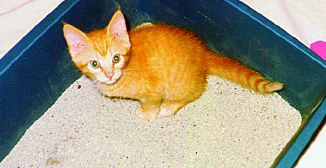
Have you ever wondered why your cat instinctively heads to the litter box every time? Understanding why cats use litter isn’t just about keeping your home clean—it reveals a lot about your cat’s natural behavior and needs.
If you want to create a happier, healthier environment for your furry friend, knowing the reasons behind this habit is key. Keep reading, and you’ll discover surprising facts that will change how you think about your cat’s litter box forever.

Credit: www.tippaws.com
Cat’s Natural Instincts
Cats rely heavily on their natural instincts to guide their behavior, even in domestic settings. Understanding these instincts helps explain why your cat uses a litter box consistently. Their habits are not random but rooted in survival strategies developed over thousands of years.
Burial Behavior In The Wild
Wild cats often bury their waste to hide their scent from predators and prey. This behavior reduces the chance of attracting unwanted attention, keeping them safe. Your cat’s use of a litter box mimics this instinct to cover and hide their waste.
Have you noticed your cat scratching around the litter after using it? This action reflects their natural urge to bury their waste, even when there’s no real threat nearby. Recognizing this can help you choose the right kind of litter that feels natural and comfortable to your cat.
Territory Marking Habits
Cats are territorial animals. They use scent marking to communicate with other cats and establish boundaries. Urine and feces carry important information, so managing where and how they deposit waste is vital for their sense of control.
Your cat’s consistent use of a litter box helps them maintain clear boundaries within your home. It’s a way of marking their territory in a controlled, hygienic spot. If a cat avoids the litter box, it might signal stress or confusion about their environment.
Credit: vetic.in
Benefits Of Using Litter
Using litter provides many benefits for both cats and their owners. It helps keep the home clean and the cat comfortable. Cats instinctively bury their waste, so litter boxes meet their natural needs. This makes life easier and more pleasant for everyone involved.
Hygiene And Cleanliness
Litter boxes help contain cat waste in one place. This prevents smells from spreading around the house. Using litter also reduces the chance of bacteria and germs growing. Cleaning the litter box regularly keeps the home fresh and safe. It protects both the cat and the family from illness.
Comfort And Safety
Cats feel secure using litter boxes. The soft texture of the litter mimics natural soil. This gives cats a private spot to do their business. A clean litter box reduces stress and promotes healthy habits. It also stops cats from using other areas of the house as a bathroom.
How Cats Choose Their Litter
Cats use litter because it feels natural and helps keep their space clean. They choose litter that is soft and easy to dig in. The smell and texture also guide their choice.
Choosing the right litter for your cat can feel like deciphering a secret code. Cats, with their quirky personalities, have specific preferences that might surprise you. Understanding these preferences can make the difference between a happy kitty and a messy litter box situation. Cats are discerning creatures, and their choice of litter often boils down to a few key factors. Let’s explore the two main aspects that influence their decision: texture and scent.Texture Preferences
The feel of the litter beneath their paws is crucial for many cats. Some prefer fine, sand-like granules that mimic the texture of outdoor soil. Others may favor coarser materials. Imagine stepping barefoot onto different surfaces—some are comforting, others not so much. Your cat’s paws are sensitive, and the wrong texture can be off-putting. Try offering different textures to see which your cat gravitates towards. Pay attention to their behavior in the litter box. Are they comfortable, or do they seem hesitant?Scent Sensitivity
Cats have a keen sense of smell, much stronger than humans. A litter that’s too fragrant can be overwhelming to them. While some litters are marketed with floral or citrus scents, these may not be appealing to your feline friend. Instead, unscented or lightly scented options often work best. Observe your cat’s reactions to different litters. A sudden avoidance of the litter box might be due to a scent change. By tuning into your cat’s preferences, you can ensure their litter box is a welcoming place. What types of litter has your cat enjoyed or rejected? Understanding their unique likes can prevent litter box issues and keep your home harmonious.Litter Training In Kittens
Kittens learn how to use litter naturally and with some help. Litter training starts early in their lives. It is a key skill for their hygiene and comfort. Understanding how kittens learn this skill helps owners support them better.
Learning From Mother Cats
Mother cats teach kittens to use the litter area. They often dig and cover their waste. Kittens watch and imitate these actions closely. This natural learning helps kittens know where to go. It builds a strong habit early on.
Human Guidance
Humans play a big role in litter training kittens. Placing kittens in the litter box after meals helps. Praise or gentle petting encourages them to use it again. Keeping the litter box clean makes kittens want to use it. Consistency and patience make training easier and faster.
Common Issues With Litter Usage
Cats usually use litter boxes without problems. Still, some cats face issues that confuse their owners. These problems can affect the cat’s comfort and cleanliness at home. Understanding common litter issues helps solve them quickly. It also keeps cats happy and healthy.
Avoidance And Refusal
Some cats avoid their litter box. They might refuse to use it at all. Causes include:
- Dirty litter or box
- Uncomfortable location
- Type of litter not preferred
- Stress or changes in the home
- Negative past experience with the box
Cleaning the box daily and placing it in a quiet area helps. Trying different litters may also work. Watch your cat’s behavior to find the cause.
Health Concerns
Health issues can affect litter use. Cats may urinate outside the box if they feel pain. Common health problems include:
- Urinary tract infections
- Bladder stones
- Kidney disease
- Constipation or diarrhea
Changes in litter habits often signal health troubles. A vet visit is necessary to check your cat’s health. Early treatment prevents serious problems and keeps your cat comfortable.
Tips To Encourage Proper Litter Use
Encouraging your cat to use the litter box properly can save you from many headaches and keep your home fresh. Small changes in the environment and care routines can make a big difference in your cat’s behavior. Let’s look at practical tips that help your feline friend stick to good litter habits.
Choosing The Right Litter Box
Size matters. Your cat needs enough space to turn around and dig comfortably. If you have a large cat, a small box won’t cut it.
Consider the box’s entry height too. Older or arthritic cats may struggle with high sides. A low-entry box can make the difference between use and avoidance.
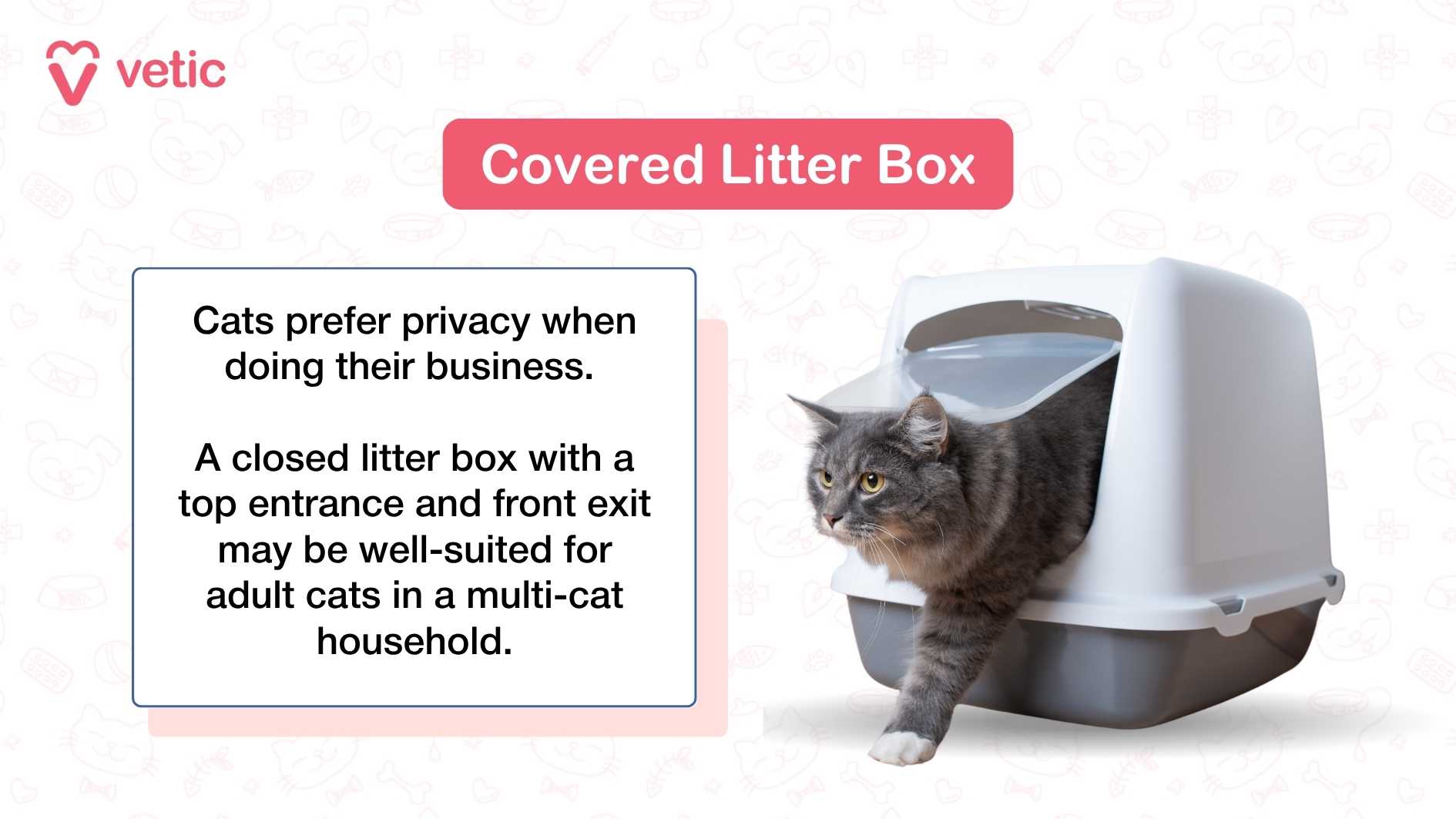
Some cats prefer covered boxes for privacy, while others feel trapped and avoid them. Watch your cat’s behavior and try different types to find the best fit.
Maintaining Cleanliness
Cleanliness is non-negotiable. Cats are naturally clean animals and won’t use a dirty box.
Scoop waste at least once a day. A fresh box encourages regular use and prevents odors.
Wash the litter box with mild soap weekly. Avoid strong chemicals that may repel your cat.
Have you noticed your cat avoiding the litter box after you skip cleaning? This simple habit can directly affect their comfort and health.

Credit: us.feliway.com
Frequently Asked Questions
Why Do Cats Prefer Using Litter Boxes?
Cats use litter boxes because they instinctively bury their waste. This behavior helps them hide their scent from predators. Litter boxes provide a clean, convenient place for cats to eliminate indoors. They also offer privacy and comfort, which cats naturally seek during elimination.
How Does Litter Benefit A Cat’s Hygiene?
Litter helps absorb moisture and controls odor effectively. It keeps the environment clean and reduces the risk of infections. Proper litter use encourages cats to maintain good hygiene habits. It also prevents waste from spreading around the house, ensuring a healthier living space.
Can Litter Training Improve A Cat’s Behavior?
Yes, litter training promotes good bathroom habits and reduces accidents. It provides cats with a consistent place to relieve themselves. This training helps prevent stress and confusion, especially in new environments. Well-trained cats are generally happier and more comfortable indoors.
What Types Of Litter Do Cats Prefer Most?
Cats usually prefer unscented, clumping, and fine-grained litter. These types mimic natural soil and are gentle on their paws. Avoid strong fragrances or rough textures, which may deter use. Choosing the right litter type encourages consistent use and reduces litter box avoidance.
Conclusion
Cats use litter because it feels safe and clean to them. It helps keep their space tidy and free from smells. Using litter also makes it easier for owners to care for their pets. Understanding this behavior helps build a better bond with your cat.
Providing a good litter box shows you care about their comfort. Simple habits like these keep cats happy and healthy at home. It’s a small effort with big benefits for both you and your cat.

Lily Purrington is the founder of MyKittyPicks.com, a cozy corner of the web dedicated to helping cat lovers discover the best cat products, furniture, toys, and home decor ideas.
A lifelong cat enthusiast, Lily shares trusted tips, honest product recommendations, and stylish inspiration designed to keep kitties happy and homes beautiful.
Her mission is simple: to bring together practical advice and purr-fect picks that make life better for cats and the people who love them.


