

Changing your cat’s litter might seem like a simple task, but doing it the right way can make a big difference for both you and your furry friend. If you want to keep your home fresh and your cat happy, knowing the best steps to change cat litter is key.
You’ll discover easy tips and tricks that save you time, reduce odors, and create a cleaner space for your pet. Keep reading to learn how to make this chore quick and hassle-free—your cat will thank you!

Credit: www.petplan.co.uk
Choosing The Right Litter
Choosing the right cat litter can make a huge difference in both your cat’s comfort and your cleaning routine. It’s not just about odor control or clumping ability; the litter you pick affects your cat’s health and your home’s cleanliness. Understanding your options helps you find the best fit for your lifestyle and your cat’s preferences.
Types Of Cat Litter
There are several types of cat litter available, each with unique qualities. Clay-based litters are popular because they clump well and are easy to scoop. However, they can be dusty and heavier to handle.
Silica gel litters absorb moisture and control odor effectively but can be pricier. Natural litters, like those made from wood, corn, or wheat, are biodegradable and often dust-free, which can be gentler on your cat’s paws.
Factors To Consider
Think about your cat’s preferences first. Some cats dislike strong scents or the texture of certain litters, which might lead to accidents outside the box. Your own priorities matter too—do you want low dust, easy cleanup, or strong odor control?
Budget is another key factor. High-end litters can save time but might cost more upfront. Also, consider if your cat has any health issues like respiratory problems, which can be affected by dusty litters.
Eco-friendly Options
Are you concerned about the environment? Eco-friendly litters made from recycled paper, pine, or corn break down naturally and reduce landfill waste. They often produce less dust and are compostable, which helps you reduce your carbon footprint.
Switching to an eco-friendly litter might take some patience; your cat may need time to adjust. Have you tried making a gradual change by mixing the new litter with the old one to help your cat adapt?
Gathering Supplies
Gathering the right supplies makes changing cat litter easier and less messy. Having everything on hand before you start saves time and reduces stress for both you and your cat. It also helps you stay organized and clean during the process.
Essential Tools
- Litter Scoop:A sturdy scoop with slotted holes is a must for removing clumps efficiently.
- Trash Bag or Container:Use a durable bag or bin to dispose of used litter safely.
- Fresh Cat Litter:Choose the type your cat prefers, whether clay, clumping, or natural.
- Gloves:Disposable or reusable gloves protect your hands from germs and odors.
- Mask:Optional but helpful if you’re sensitive to dust or strong smells.
Without a good scoop, you’ll spend more time digging and less time actually cleaning. Have you noticed how a worn scoop makes the job harder? Investing in a quality one changes the entire experience.
Optional Accessories
- Liner for Litter Box:Helps keep the box itself clean and reduces odor buildup.
- Disinfectant Wipes or Spray:Use these to wipe down the litter box when changing litter.
- Deodorizer:Sprinkle a bit into the box to control smell between changes.
- Small Brush and Dustpan:Handy for cleaning up any spills around the box.
- Storage Container:Keeps extra litter dry and easy to reach.
Have you ever wished for a quicker cleanup after spills? A small brush nearby can save you a lot of hassle. These extras aren’t necessary but can make your routine smoother and your cat’s space more pleasant.
Preparing The Litter Box
Empty the old litter completely and clean the box with mild soap and water. Dry it well before adding fresh litter to keep your cat comfortable. Use enough litter to cover the bottom about two to three inches deep.
Preparing the Litter Box Transforming the litter box into a comfortable haven for your cat starts with preparation. This crucial step not only ensures a clean environment but also encourages your feline friend to use the litter box consistently. Let’s dive into the essential stages of preparing your cat's litter box.Removing Old Litter
Begin by gently scooping out the old litter. Dispose of it in a trash bag, ensuring you avoid flushing it down the toilet as this can cause plumbing issues. You might notice a peculiar smell lingering; this is a sign that it’s time for a thorough clean.Cleaning The Box
Once the old litter is out, grab a mild detergent and warm water to scrub the box. Pay extra attention to the corners where residue often clings. Rinse thoroughly to make sure no soap remains, as cats can be sensitive to cleaning agents.Drying And Inspecting
After cleaning, dry the litter box with a towel or let it air-dry completely. This prevents clumping of new litter. As you dry, inspect the box for any cracks or wear that might need attention or replacement. A sturdy, well-maintained box is a small investment in your cat’s comfort and hygiene. Are you ready to transform your cat's litter box? Every step you take improves your pet’s experience, making it more inviting and comfortable. So, how often do you refresh your cat’s space?Adding Fresh Litter
Adding fresh litter is a key part of keeping your cat’s box clean and comfortable. It helps absorb moisture and control odors. Fresh litter also encourages your cat to use the box regularly. Knowing how much litter to add and how to spread it evenly makes a big difference. This section explains the best litter depth and offers tips to level it properly.
Recommended Litter Depth
Most cats prefer litter that is about 2 to 3 inches deep. This depth allows them to dig and cover their waste easily. Too little litter may not absorb well and can cause odors. Too much litter can be wasteful and difficult for your cat to move around in. Adjust the depth based on your cat’s size and preference. Smaller cats might like less, while larger cats may need more.
Leveling Tips
After pouring fresh litter, spread it evenly across the box. Use your hand or a small scoop to smooth the surface. Avoid pressing too hard; the litter should stay fluffy. A level surface helps your cat dig and cover waste better. Check the box daily and stir the litter to keep it fresh. This simple step keeps the box inviting and clean for your cat.
Maintaining Cleanliness
Maintaining cleanliness in your cat’s litter area is essential for both your cat’s health and your home’s comfort. A clean litter box encourages your cat to use it consistently, preventing accidents elsewhere in your home. Plus, it helps keep unpleasant odors at bay, making your living space more enjoyable for everyone.
Daily Scooping Routine
Make it a habit to scoop your cat’s litter box at least once a day. Removing clumps and waste promptly stops odors from building up and keeps the litter fresh. You’ll notice your cat appreciates the clean space and is more likely to use the box regularly.
Try to scoop at the same time each day—this creates a simple routine you won’t forget. Use a sturdy scoop with wide slots to catch clumps but let clean litter fall back into the box. If you have multiple cats, consider scooping twice daily to keep up with the extra waste.
Regular Deep Cleaning
Even with daily scooping, your litter box needs a thorough cleaning every week. Empty all the litter and wash the box with warm water and mild soap to remove any residue or bacteria. Avoid harsh chemicals that could irritate your cat’s paws or nose.
Dry the box completely before adding fresh litter to prevent clumping issues. If you’ve noticed your cat avoiding the box, a deep clean might solve the problem. Sometimes, even a small leftover smell can put your cat off.
Odor Control Strategies
Managing odors is key to keeping your home smelling fresh. Try using unscented clumping litter, which traps smells without overwhelming your cat’s sensitive nose. Adding a thin layer of baking soda under the litter can also help neutralize odors.
Consider placing the litter box in a well-ventilated area to reduce lingering smells. Do you notice strong odors despite regular cleaning? It might be time to replace the litter box entirely—plastic boxes can absorb odors over time. What changes can you make today to keep your cat’s litter area fresher?

Credit: www.amazon.ca
Tips For A Smooth Transition
Changing your cat’s litter can feel tricky, especially if your feline friend is particular about their bathroom habits. A smooth transition helps avoid accidents and keeps your cat comfortable. Here are practical tips to guide you through the process without stress for you or your pet.
Introducing New Litter
Start by mixing the new litter with the old one. Use a ratio of about 25% new litter to 75% old litter at first. This lets your cat get used to the smell and texture gradually.
Place the mixed litter in the box and observe your cat’s reaction. If they avoid the box, slow down the transition. Give them more time with a gentler mix before increasing the new litter’s proportion.
Remember, sudden changes can lead to litter box avoidance. Have you noticed your cat sniffing the box but not using it? This often means they’re unsure about the new litter. Patience pays off here.
Handling Cat Preferences
Not all cats like the same type of litter. Some prefer clumping, others non-clumping. Some like scented litter, while others avoid it.
Watch your cat’s behavior closely. If your cat scratches vigorously or seems hesitant, it might be a sign they dislike the new litter texture or smell. Try offering a few options side-by-side to see which one they prefer.
Also, consider the litter box location. Cats can be picky about privacy and quiet. Moving the box to a more secluded spot may encourage better acceptance during the transition.
- Keep the litter box clean to encourage use.
- Use unscented litter if your cat has allergies or sensitivities.
- Check litter depth—too much or too little can be off-putting.
How do you know when your cat is fully adjusted? When they confidently use the box without hesitation and show no signs of stress around it. Your patience and attention to their preferences will make all the difference.
Common Mistakes To Avoid
Changing cat litter seems simple but often goes wrong. These common mistakes can cause odor, mess, and unhappy cats. Avoid them to keep your cat’s box clean and fresh.
Overfilling The Box
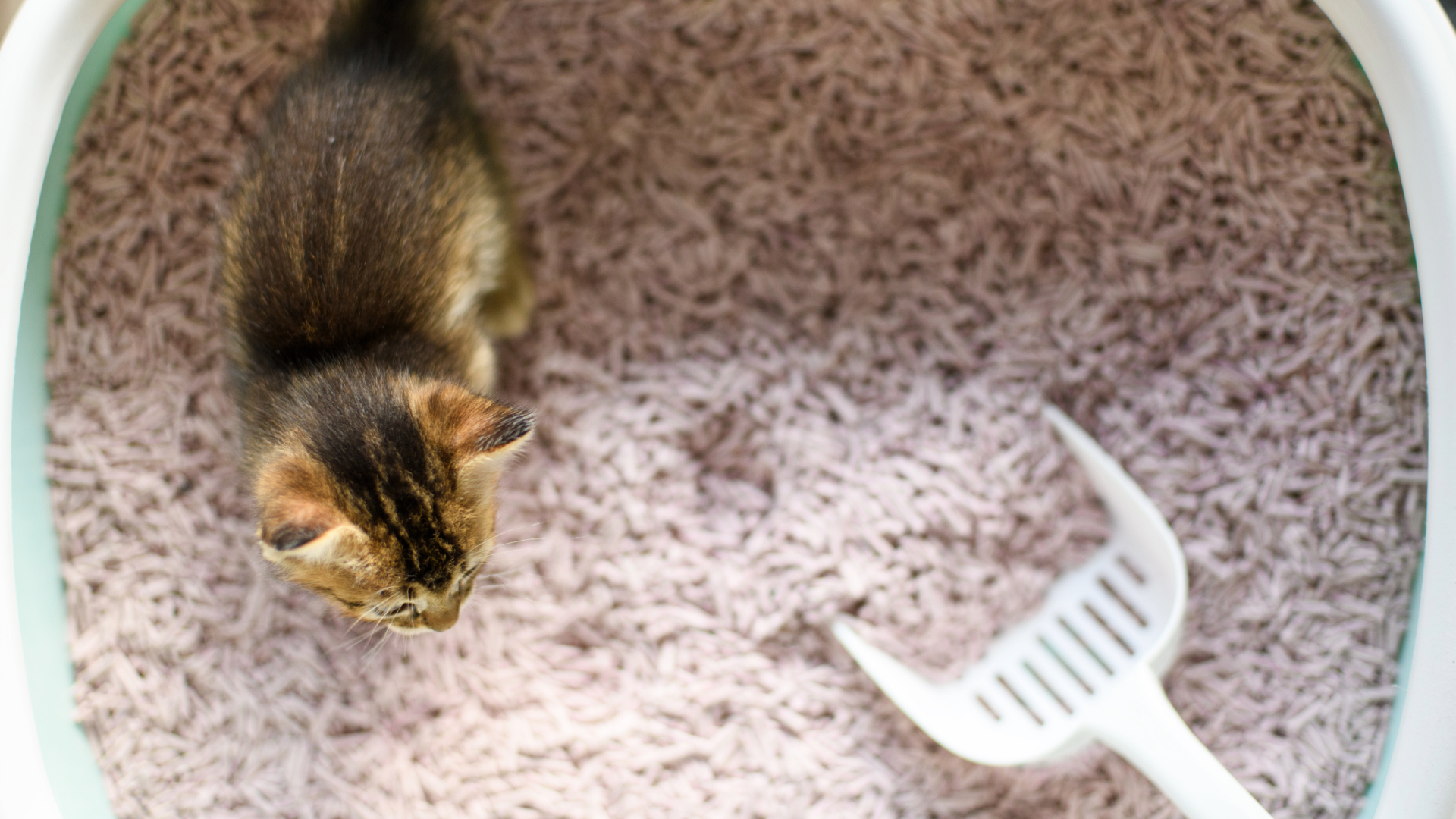
Too much litter makes scooping hard. Cats prefer just enough litter to cover waste. Overfilling can cause litter to spill outside the box. Keep the litter level about 2-3 inches deep for best results.
Ignoring Cleaning Schedule
Waiting too long to clean leads to bad smells and bacteria build-up. Cats may refuse a dirty box. Scoop daily and change all litter at least once a week. Regular cleaning keeps the box fresh and your cat healthy.
Using Harsh Cleaners
Strong chemicals can harm your cat and damage the box. Avoid bleach and ammonia-based cleaners. Use mild soap and warm water instead. Rinse well to remove any residue before adding fresh litter.
Credit: www.petsradar.com
Frequently Asked Questions
How Often Should I Change Cat Litter Completely?
Change cat litter entirely at least once a week. Regular full changes prevent odor buildup and keep your cat healthy. Some cats may need more frequent changes depending on litter type and usage. Always scoop daily to maintain cleanliness between full changes.
What Is The Best Way To Clean The Litter Box?
Empty the old litter and wash the box with warm water and mild soap. Avoid harsh chemicals that may harm cats. Rinse thoroughly and dry completely before adding fresh litter. Regular cleaning prevents bacteria and odors.
Can I Mix Old And New Cat Litter?
Mixing old and new litter is okay when topping off. However, avoid mixing too much old litter to prevent odor and clumping issues. Completely replace litter regularly for hygiene and freshness.
How Do I Prevent Dust When Changing Cat Litter?
Choose low-dust or dust-free litter varieties to reduce airborne particles. Pour litter gently and scoop carefully to minimize dust. Proper ventilation during litter changes also helps keep the air clean.
Conclusion
Changing cat litter is simple and important for your pet’s health. Clean litter boxes help keep your cat happy and your home fresh. Regular scooping and full changes prevent smells and mess. Choose the right litter type for your cat’s comfort.
Keep a routine to make the task quick and easy. Small efforts make a big difference in your cat’s life. Your cat will thank you with better health and mood. A clean litter box means a cleaner, healthier home for all.

Lily Purrington is the founder of MyKittyPicks.com, a cozy corner of the web dedicated to helping cat lovers discover the best cat products, furniture, toys, and home decor ideas.
A lifelong cat enthusiast, Lily shares trusted tips, honest product recommendations, and stylish inspiration designed to keep kitties happy and homes beautiful.
Her mission is simple: to bring together practical advice and purr-fect picks that make life better for cats and the people who love them.


