
Have you ever wondered why your cat suddenly seems less energetic or drinks more water than usual? These subtle changes might be signs of kidney disease, a common but serious condition in cats.
Understanding why cats develop kidney disease can help you spot the warning signs early and take action to protect your furry friend. You’ll discover the key reasons behind this illness and what you can do to keep your cat healthy and happy for years to come.
Keep reading—your cat’s well-being depends on it.
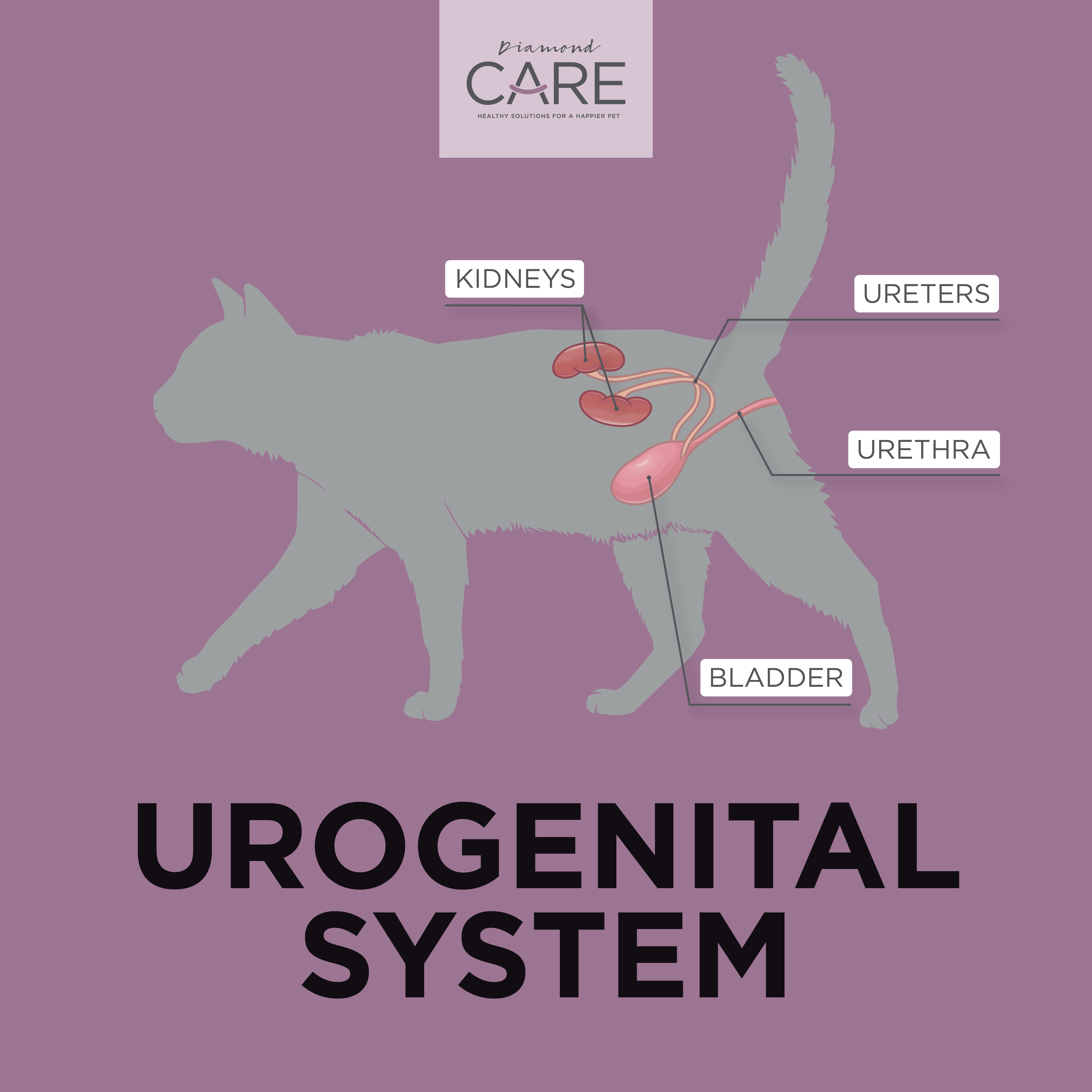
Credit: www.diamondpet.com
Common Causes Of Kidney Disease In Cats
Kidney disease is a frequent health problem in cats. It often develops slowly over time. Understanding the causes helps in early detection and care.
Several factors can lead to kidney damage in cats. These include age, genetics, and infections that last a long time.
Age-related Factors
As cats grow older, their kidneys work less efficiently. Kidney cells can become damaged and die. This natural aging process increases the risk of kidney disease.
- Reduced kidney filtration rate
- Less blood flow to the kidneys
- Higher chance of toxins building up
- Decreased ability to balance fluids
Genetic Predispositions
Some cat breeds have genes that make kidney disease more likely. These inherited traits can cause kidney problems at a younger age. Knowing your cat’s breed helps in monitoring their health.
| Breed | Risk Level | Common Kidney Issue |
| Persian | High | Polycystic kidney disease |
| Russian Blue | Medium | Chronic kidney failure |
| Maine Coon | Medium | Renal fibrosis |
| Domestic Shorthair | Low | Varies |
Chronic Infections
Long-lasting infections can harm the kidneys. Bacteria or viruses may cause inflammation. This damage reduces kidney function and leads to disease.
Common chronic infections include:
- Urinary tract infections
- Feline infectious peritonitis (FIP)
- Leptospirosis
- Chronic pyelonephritis
Diet And Lifestyle Influences
Cats can develop kidney disease due to many factors. Diet and lifestyle play a big role.
Understanding these influences helps protect your cat’s kidney health.
Impact Of Hydration Levels
Water is key for healthy kidneys. Cats who drink little water risk kidney problems.
Dry food diets may reduce water intake. This can lead to dehydration and kidney stress.
- Dehydration lowers blood flow to kidneys
- Low water can cause toxin buildup
- Wet food helps increase hydration
Role Of Nutrition
Balanced nutrition supports kidney health. Too much protein or minerals can harm kidneys.
Some diets are designed to reduce kidney strain by controlling nutrients.
- Excess protein forces kidneys to work harder
- High phosphorus levels damage kidney tissue
- Omega-3 fatty acids may protect kidney cells
Environmental Stressors
Stress affects a cat’s body and kidneys. Loud noises and changes can increase stress.
Chronic stress may cause high blood pressure, which harms kidney function over time.
- Stress raises blood pressure in cats
- High blood pressure damages kidney filters
- Safe, calm spaces reduce stress risks
Toxins And Medications
Cats can develop kidney disease from harmful toxins and some medicines. These substances can damage their kidneys over time.
Understanding what causes kidney problems helps pet owners keep cats safe and healthy.
Exposure To Harmful Substances
Some everyday substances are toxic to cats and can harm their kidneys. These include household chemicals, plants, and human foods.
When cats swallow or touch these toxins, their kidneys work harder to remove the poisons, which can cause damage.
- Antifreeze and other automotive fluids
- Cleaning products like bleach and detergents
- Certain plants like lilies and chrysanthemums
- Human foods such as onions and garlic
- Heavy metals like lead or mercury
Side Effects Of Common Drugs
Some medicines can harm cat kidneys if not used carefully. This damage may occur after long use or high doses.
Drugs like painkillers and antibiotics sometimes cause kidney problems. Always follow your vet’s instructions to avoid risks.
- Non-steroidal anti-inflammatory drugs (NSAIDs)
- Some antibiotics like aminoglycosides
- Certain chemotherapy medicines
- Diuretics that affect kidney function
- High doses of vitamin D supplements
Credit: justcatsclinic.com
Underlying Health Conditions
Kidney disease in cats often starts from other health problems. These conditions can harm the kidneys over time. Understanding these causes helps protect your cat’s health.
Some diseases make the kidneys work harder or get damaged. This can lead to kidney disease. Below are common health issues linked to this problem.
High Blood Pressure Effects
High blood pressure can harm a cat’s kidneys. It strains blood vessels, reducing blood flow. This damage lowers kidney function and causes disease.
- Damages small blood vessels in the kidneys
- Reduces oxygen and nutrients to kidney cells
- Leads to scarring and loss of kidney tissue
- Increases risk of kidney failure
Diabetes And Kidney Health
Diabetes causes high sugar levels in the blood. This harms kidney filters and causes leaks. Over time, kidneys lose their ability to clean blood well.
| Effect | Impact on Kidneys |
| High blood sugar | Damages kidney filters |
| Protein leakage | Causes kidney scarring |
| Fluid imbalances | Leads to kidney stress |
| Increased waste buildup | Reduces kidney function |
Urinary Tract Issues
Problems in the urinary tract can affect kidney health. Infections or blockages make kidneys work harder. This stress can cause inflammation and damage.
Common urinary tract issues include:
- Urinary tract infections (UTIs)
- Bladder stones blocking urine flow
- Inflammation causing pain and swelling
- Backflow of urine to kidneys (reflux)
Preventive Measures And Early Detection
Cats can develop kidney disease due to age, genetics, or infections. Early detection helps manage the illness better.
Preventive care supports your cat’s kidney health and slows disease progress. Watch for signs and keep up with care.
Regular Veterinary Checkups
Take your cat to the vet at least once a year. Older cats need checkups more often to spot kidney problems early.
Blood and urine tests help find kidney issues before symptoms appear. Early treatment can protect kidney function.
- Schedule yearly exams for young cats
- Test kidney function for cats over seven years old
- Follow vet advice on treatment and care
Monitoring Symptoms
Watch your cat closely for changes in behavior or health. Kidney disease signs can be subtle at first.
Early symptoms include increased thirst, more urination, and less appetite. Report these signs to your vet quickly.
- Notice if your cat drinks water more often
- Check for frequent urination or accidents
- Observe if your cat loses weight or seems tired
Dietary Adjustments
Feeding your cat a kidney-friendly diet can slow disease progress. Lower protein and phosphorus help protect kidneys.
Ask your vet about special kidney diets or supplements. Keep fresh water available to support kidney health.
- Use vet-recommended low-protein cat food
- Limit phosphorus and salt in meals
- Provide clean, fresh water at all times

Credit: m.youtube.com
Frequently Asked Questions
What Causes Kidney Disease In Cats?
Kidney disease in cats often results from aging, genetic factors, infections, or toxins. Poor diet and dehydration also contribute. Early detection and proper care can slow disease progression and improve quality of life for affected cats.
How Can I Recognize Kidney Disease Symptoms In Cats?
Common symptoms include increased thirst, frequent urination, weight loss, and lethargy. Bad breath or vomiting may also appear. Early veterinary diagnosis is crucial for effective treatment and management.
Can Diet Affect A Cat’s Kidney Health?
Yes, diet plays a vital role. Feeding low-protein, low-phosphorus diets helps reduce kidney stress. Proper hydration and balanced nutrition support kidney function and delay disease progression in cats.
Is Kidney Disease In Cats Preventable?
While not always preventable, regular vet check-ups and proper diet reduce risks. Avoiding toxins and ensuring hydration also help. Early intervention improves outcomes and extends a cat’s lifespan.
Conclusion
Cats can develop kidney disease for many reasons. Age and genetics often play a role. Poor diet and dehydration increase the risk. Early signs may be hard to spot. Regular vet visits help catch problems early. Feeding cats clean water and balanced food supports kidney health.
Watching for changes in behavior is important. Caring for your cat’s kidneys can extend their life. Stay informed and act quickly if you notice symptoms. Keeping cats healthy means understanding why kidney disease happens. Simple steps can make a big difference every day.

Lily Purrington is the founder of MyKittyPicks.com, a cozy corner of the web dedicated to helping cat lovers discover the best cat products, furniture, toys, and home decor ideas.
A lifelong cat enthusiast, Lily shares trusted tips, honest product recommendations, and stylish inspiration designed to keep kitties happy and homes beautiful.
Her mission is simple: to bring together practical advice and purr-fect picks that make life better for cats and the people who love them.


