

If you’ve just had your cat neutered or are planning to, you’re probably wondering where exactly the incision is made. Knowing this can help you keep an eye on the healing process and spot any signs of trouble early.
You want to make sure your furry friend recovers quickly and comfortably. You’ll discover exactly where the incision is on a neutered cat, what it looks like, and how to care for it at home. Keep reading to learn everything you need to know to support your cat’s health after surgery.
Incision Location For Male Cats
The incision for neutering a male cat is small and placed in a specific area. This placement helps the wound heal quickly and reduces discomfort. Understanding where the cut is made can help you check your cat’s recovery.
Typical Placement
The incision is usually just in front of the scrotum. It is a tiny cut, often less than one inch long. Vets make this cut on the midline of the cat’s lower belly. This spot gives easy access to the testicles. The location also keeps the wound safe from dirt and licking.
Size And Appearance
The cut is very small and neat. It looks like a thin line or a tiny slit. Most cats have stitches or surgical glue to close the wound. The area around the incision may be shaved, so the skin looks smooth. Over time, the cut fades and becomes less visible.

Credit: www.reddit.com
Incision Location For Female Cats
Understanding where the incision is made on a female cat during neutering can help you monitor healing and spot any signs of trouble early. The location is specific to female anatomy and differs quite a bit from male cats. Knowing what to expect can ease your worries and help you care better for your pet after surgery.
Common Site
The incision for a female cat is usually made on the lower abdomen, just below the belly button. This spot gives the vet access to the uterus and ovaries, which need to be removed during the spaying procedure.
The incision is typically small, about one to two inches long. You might notice shaved fur around the area, which helps keep the site clean and reduces infection risks.
Have you checked your cat’s incision daily? Keeping an eye on this specific spot helps catch redness, swelling, or discharge early—signs that something may need veterinary attention.
Differences From Male Incisions
Unlike female cats, male cats have their incision made near the scrotum, often between the anus and penis. This difference is because the neutering process for males involves removing the testicles, which are outside the body.
The male incision is usually smaller and less invasive since it doesn’t require opening the abdominal cavity. This often leads to quicker healing times compared to females.
Knowing these differences can help you understand why your female cat’s incision may look more prominent or take longer to heal than a male cat’s. Are you prepared to provide the extra care she might need?
Surgical Techniques And Variations
Understanding the surgical techniques used for neutering cats helps you recognize what to expect during and after the procedure. Different vets may choose different incision locations and styles based on their training and the cat’s specific needs. Knowing these variations can ease your concerns and help you care for your pet better.
Traditional Incision Methods
Traditional neutering usually involves a small incision made on the scrotum or just in front of it. This cut is typically around 1 to 2 centimeters long, enough to remove the testicles safely. After the procedure, the incision may be left open to heal naturally or closed with a few stitches.
I once observed a vet using a scrotal incision on a calm cat. The recovery was quick, and the cat barely showed discomfort. Have you noticed how some cats heal faster with less fuss? This method often causes minimal pain and allows for quick recovery.
- Incision location: scrotal or just in front
- Size: small, about 1-2 cm
- Closure: sometimes stitched, sometimes left open
Minimally Invasive Approaches
Some vets now use minimally invasive techniques, making even smaller incisions or using specialized tools. These methods reduce tissue damage and often result in less swelling and quicker healing. In certain cases, the incision can be so tiny that stitches aren’t needed at all.
Imagine your cat coming home looking almost unbothered by surgery—that’s the benefit of these approaches. Have you wondered if less invasive surgery means fewer complications? Many pet owners report smoother recoveries and less stress for their cats.
- Very small incisions, sometimes under 1 cm
- Use of fine instruments or special clamps
- Often no stitches required

Credit: www.reddit.com
Post-surgery Healing Process
The days following a cat’s neutering are crucial for healing. During this time, the incision site requires special attention. Cats usually bounce back quickly, but monitoring is key. Understanding what to expect aids in ensuring a smooth recovery.
Normal Healing Signs
After surgery, expect some swelling around the incision. This is normal. The area may also appear slightly red. Scabs might form as the wound heals. This is part of the natural healing process. A small amount of discharge is typical. It should be clear or slightly pink. Monitor the incision daily for changes.
When To Contact A Vet
Contact a vet if the incision looks very red or swollen. This could indicate infection. If there’s green or yellow discharge, seek advice. A foul odor from the incision is a red flag. If your cat shows signs of excessive pain, consult your vet. Lethargy or not eating are also concerning signs. Quick action can prevent complications.
Caring For The Incision Site
Caring for the incision site after neutering is vital for your cat’s healing. Proper care helps avoid pain and complications. It also speeds up recovery and keeps your cat comfortable. Pay close attention to the area and watch for any changes. Gentle care supports your pet’s health and well-being.
Cleaning Tips
Keep the incision site clean and dry. Use a soft cloth or gauze with warm water. Avoid using soaps, chemicals, or alcohol on the wound. Pat the area gently without rubbing. Check the site daily for dirt or discharge. Do not bathe your cat until the vet says it is safe. Prevent your cat from licking the incision by using a cone or collar.
Preventing Infection
- Limit your cat’s activity to prevent strain on the wound.
- Keep your cat indoors to avoid dirt and germs.
- Watch for redness, swelling, or discharge around the incision.
- Contact the vet if you notice foul smell or pus.
- Follow the vet’s instructions on medication and follow-up visits.
Common Complications At Incision
After a cat is neutered, the incision site needs careful attention. Problems can happen at the incision area, affecting healing. Recognizing these issues early can prevent serious complications. Common problems include infection and wound opening. Knowing the signs helps you act fast and keep your cat safe.
Infection Symptoms
An infection can cause redness and swelling around the cut. The area may feel warm to touch. Your cat might lick or bite the spot more than usual. Pus or a bad smell can appear at the incision. Sometimes, your cat may seem tired or lose appetite. Watch closely for these signs to catch infection early.
Dehiscence And Other Issues
Dehiscence means the wound opens after surgery. It can happen if your cat scratches or bites the area. The stitches may come loose or fall out. This can lead to bleeding or expose internal tissue. Other problems include swelling or bruising near the cut. Any unusual lumps or fluid buildup should be checked by a vet immediately.
Faqs About Neutering Incisions
Neutering is a common surgery for cats, and many pet owners have questions about the incision. Knowing what to expect helps you care for your cat better. This section answers common questions about the neutering incision and its care.
Pain And Discomfort
Your cat may feel some pain after surgery. The incision area might be tender or swollen. Mild discomfort is normal for a few days. Watch for signs like excessive licking, biting, or hiding. These could mean more pain or infection. Your vet can suggest safe pain relief options. Keep the area clean and dry to help healing.
Activity Restrictions
Limit your cat’s activity after neutering. Avoid jumping, running, or rough play for at least 7 to 10 days. Too much movement can open the incision. Use a quiet room or crate if needed. Prevent your cat from scratching or licking the wound. An Elizabethan collar may help. Follow your vet’s advice on when to resume normal activities.
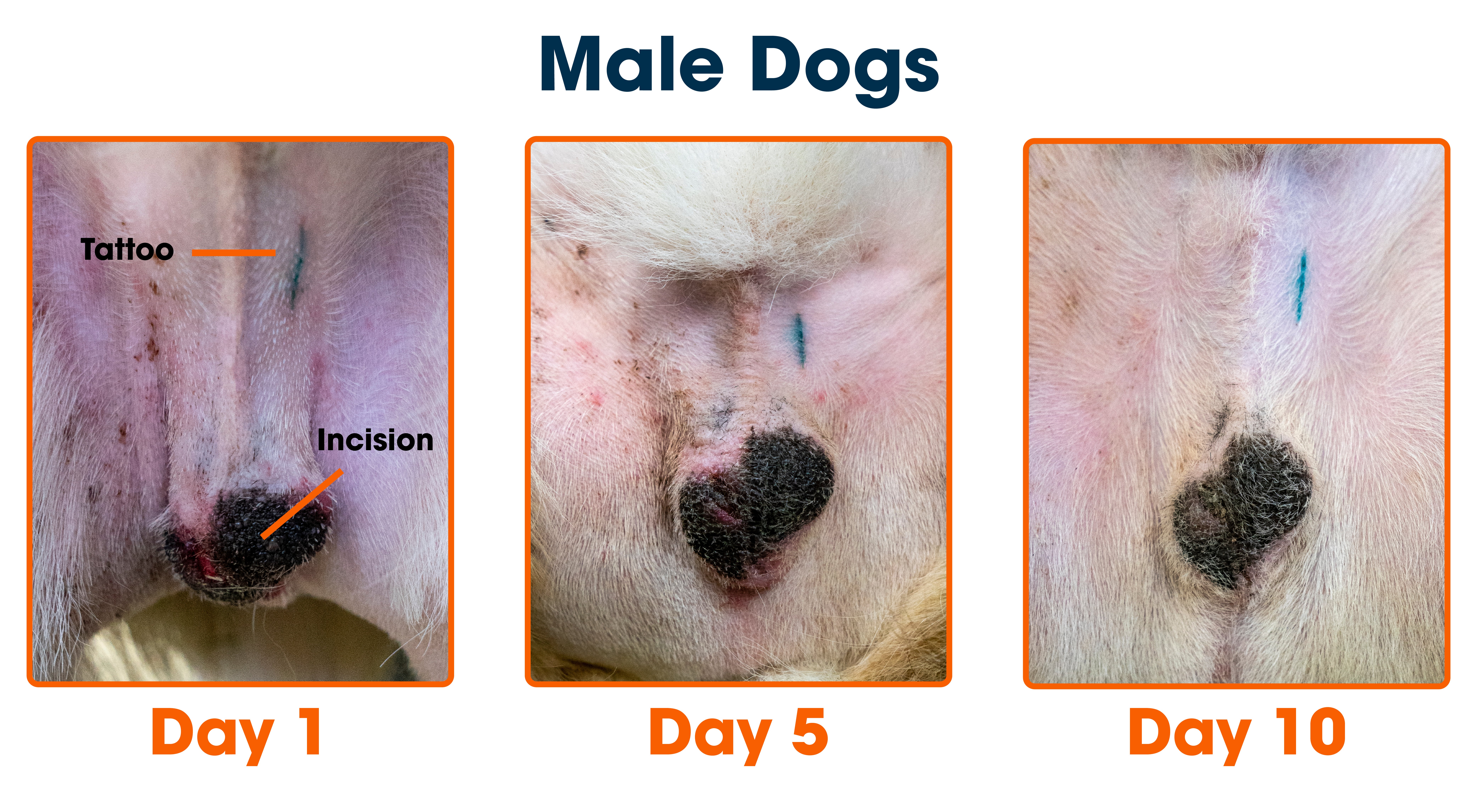
Credit: www.aspca.org
Frequently Asked Questions
Where Is The Incision Located On A Neutered Male Cat?
The incision on a neutered male cat is usually made just below the scrotum. It is small and located centrally on the lower abdomen. This placement helps minimize discomfort and allows for easy healing after the procedure.
How Long Does The Neuter Incision Take To Heal?
Typically, the neuter incision heals within 10 to 14 days. During this time, the cat should avoid excessive activity. Proper care and monitoring prevent infection and ensure smooth recovery.
Can I See The Incision After Neutering My Cat?
Usually, the incision is small and may be hard to see. The fur around the area might cover it well. Over time, the site heals and leaves minimal scarring.
What Signs Indicate Infection At The Neuter Incision Site?
Signs of infection include redness, swelling, discharge, or foul odor. If your cat shows excessive licking or discomfort, consult a vet immediately. Early detection prevents complications.
Conclusion
The incision on a neutered cat is usually small and located on the lower abdomen. It heals quickly with proper care and attention. Watch for signs of redness or swelling near the cut. Keep your cat calm and avoid letting it lick the area.
Knowing where the incision is helps you spot any problems early. This care supports your cat’s fast recovery and comfort. Always follow your vet’s advice for the best results. Your cat will be healthy and happy soon.

Lily Purrington is the founder of MyKittyPicks.com, a cozy corner of the web dedicated to helping cat lovers discover the best cat products, furniture, toys, and home decor ideas.
A lifelong cat enthusiast, Lily shares trusted tips, honest product recommendations, and stylish inspiration designed to keep kitties happy and homes beautiful.
Her mission is simple: to bring together practical advice and purr-fect picks that make life better for cats and the people who love them.


