

Have you ever wondered what a neutered female cat is called? If you’re a cat owner or just curious about feline terms, this question might have crossed your mind.
Knowing the right word helps you understand your pet better and communicate clearly with vets or fellow cat lovers. You’ll discover the exact term for a neutered female cat and why it matters for your furry friend’s health and behavior.
Keep reading—you’ll be surprised by what you learn!

Credit: bestfriends.org
Terminology For Neutered Female Cats
Understanding the right terms for neutered female cats helps pet owners communicate clearly. Many people get confused about the correct names and procedures. This section explains the terminology used for female cats after they undergo surgery to prevent reproduction.
Spaying Vs Neutering
Spaying refers to the surgery done on female cats. It removes the ovaries and usually the uterus. This stops the cat from having kittens and heat cycles.
Neutering is a general word for sterilizing pets. It applies to both males and females but often means castration in males. For females, spaying is the precise term.
Common Names
After spaying, female cats are often called “spayed cats.” This is the most accurate term.
Some people also say “fixed female cat” or just “fixed cat.” These are informal but widely understood.
- Spayed cat
- Fixed female cat
- Fixed cat
Using the correct term helps avoid confusion about your pet’s health and care needs.
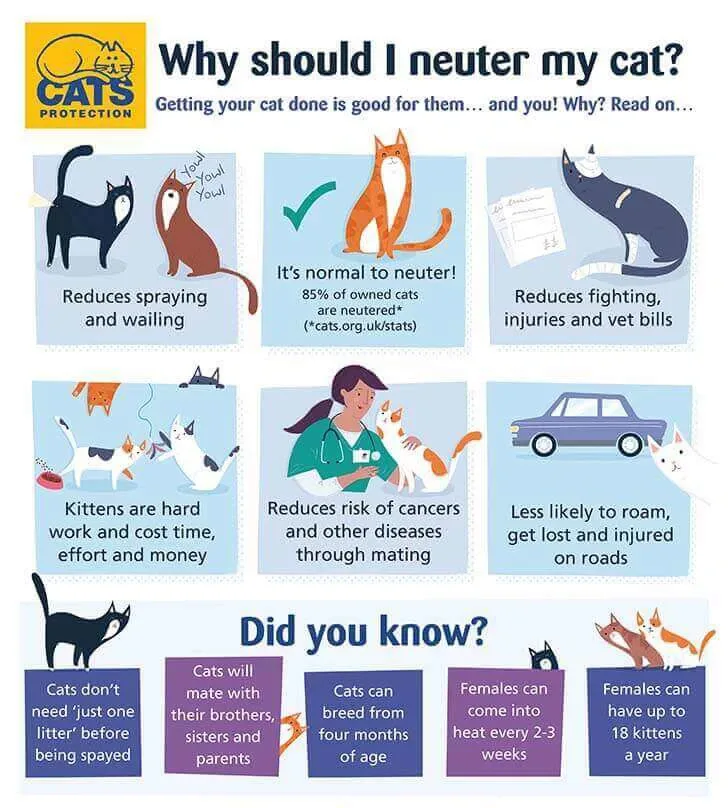
Credit: gawa.org.uk
Reasons For Spaying Female Cats
Spaying female cats is a common and responsible choice for pet owners. It involves removing the cat’s reproductive organs to prevent pregnancy. This procedure offers several important benefits for both the cat and the community. Understanding these reasons helps make informed decisions for your pet’s health and well-being.
Health Benefits
Spaying reduces the risk of serious diseases in female cats. It prevents uterine infections and breast tumors. These tumors are often malignant or cancerous. Spaying before the first heat greatly lowers these risks. It also eliminates the chance of ovarian and uterine cancers. Overall, spayed cats tend to live longer, healthier lives.
Behavioral Changes
Female cats that are spayed show fewer unwanted behaviors. They do not go into heat, so they avoid yowling and restlessness. Spaying reduces the urge to roam and seek mates. This means less chance of fights with other cats. It also stops the spraying of strong-smelling urine inside the house. Spayed cats are usually calmer and more affectionate pets.
Population Control
Spaying female cats helps control the pet population. One cat can produce many kittens in a year. Many of these kittens may end up homeless or in shelters. Spaying reduces the number of unwanted litters. This lowers the chance of overcrowded shelters and stray cats. Responsible pet owners help keep the community safer and cleaner by spaying their cats.
Surgical Procedure Overview
Spaying is a common surgical procedure for female cats. It stops them from having kittens and helps control pet populations. The surgery removes the ovaries and usually the uterus. This prevents heat cycles and unwanted pregnancies. The process is safe and done by a vet. Knowing what happens during and after the surgery helps owners prepare.
How Spaying Is Done
The cat is first given anesthesia to sleep deeply. The vet makes a small cut in the abdomen. Through this opening, the ovaries and uterus are removed. The vet then closes the cut with stitches or surgical glue. The whole procedure usually takes about 20 to 30 minutes. The cat wakes up slowly as the anesthesia wears off.
Recovery Process
After surgery, the cat needs rest and quiet. Keep her indoors away from other pets. Watch for signs of swelling or redness near the cut. The vet may give pain medicine to ease discomfort. Most cats heal in 7 to 10 days. Avoid bathing or letting her lick the stitches during this time. Follow the vet’s instructions for a smooth recovery.
Effects On Cat’s Behavior And Health
Neutering a female cat, also called spaying, often calms her behavior and reduces roaming. Health improves as risks of certain diseases drop. Many cats become more affectionate and less aggressive after the surgery.
Neutering a female cat, often referred to as spaying, is a common procedure with numerous benefits for both the cat and the owner. While the primary reason for spaying is to prevent unwanted litters, it also has significant effects on your cat’s behavior and health. Understanding these effects can help you make informed decisions about your pet’s care and well-being.Long-term Health Impacts
Spaying your female cat can lead to several positive long-term health benefits. One of the most significant advantages is the reduction in the risk of uterine infections and breast tumors, which are malignant in about 90% of cats. Spaying before her first heat offers the best protection from these diseases. Additionally, spaying eliminates the risk of ovarian cancer. This gives your cat a better chance at living a longer, healthier life. The procedure can also prevent certain behavioral issues associated with hormonal changes.Changes In Temperament
Many cat owners notice changes in their cat’s temperament after spaying. Cats often become more affectionate and less aggressive. This is particularly beneficial if your cat previously exhibited territorial or aggressive behaviors. Spayed cats are less likely to roam, which reduces the risk of accidents and fights with other animals. This can make for a more content and calm household environment. However, it’s important to monitor your cat’s weight, as a decrease in activity levels can lead to obesity. Have you noticed any changes in your own cat’s behavior after spaying? Observing your pet and staying informed can ensure that she remains happy and healthy throughout her life.Myths About Neutered Female Cats
Neutering female cats often comes with many misunderstandings. These myths can confuse pet owners and affect decisions about their cat’s health. Let’s clear up some common myths and offer facts that help you understand what neutering truly means for your female cat.
Common Misconceptions
- Neutered female cats become overweight and lazy:Many believe that spaying causes cats to gain excessive weight and lose energy. While metabolism can slow down a bit, proper diet and exercise keep your cat fit.
- Spayed cats lose their personality:Some think neutering changes a cat’s behavior drastically. In reality, your cat’s unique personality usually stays the same, just calmer without the stress of heat cycles.
- Neutered females can still get pregnant:This is a dangerous myth. Once spayed, a female cat cannot get pregnant because her reproductive organs are removed.
- Spaying is painful and harmful:While surgery involves some recovery, the procedure is routine and safe. Pain management and veterinary care help your cat heal comfortably.
Clarifying Facts
Spaying your female cat prevents unwanted litters and reduces health risks like uterine infections and certain cancers. It also eliminates heat behaviors such as yowling and restlessness, making your home quieter and more peaceful.
I once had a cat named Luna who became calmer and more affectionate after being spayed. She didn’t lose her spark but was happier without the stress of going into heat. This experience showed me how neutering benefits both cats and their owners.
Consider this: How might your cat’s life improve without the challenges of heat cycles? Understanding these facts helps you make the best choice for your cat’s well-being.

Credit: www.whiskas.me
Care Tips For Spayed Female Cats
Spaying a female cat is a vital step in responsible pet care. After the surgery, specific care helps your cat heal well and stay healthy. Paying attention to her needs during recovery supports her comfort and prevents complications. Proper diet and exercise keep her weight in check and promote overall wellness.
Post-surgery Care
Keep your cat in a quiet, safe space after surgery. Limit her movement to avoid stress on the incision. Check the surgery site daily for redness, swelling, or discharge. Prevent her from licking or biting the wound by using an Elizabethan collar if needed. Give all prescribed medications exactly as directed by the vet. Watch for signs of pain or unusual behavior and contact the vet if needed. Avoid bathing your cat until the vet confirms the incision has healed.
Diet And Exercise
Spayed cats may have a slower metabolism. Adjust her diet to prevent weight gain. Choose a high-quality, balanced cat food recommended by your vet. Feed measured portions and avoid free feeding. Encourage gentle play to keep her active. Use toys or interactive games to stimulate movement. Monitor her weight regularly to catch any changes early. Maintaining a healthy weight supports her long-term health after spaying.
Frequently Asked Questions
What Is A Neutered Female Cat Called?
A neutered female cat is called a spayed cat. Spaying involves removing the ovaries and uterus to prevent pregnancy. This procedure reduces certain health risks and unwanted behaviors. Spayed cats tend to live longer and healthier lives.
How Does Spaying Affect A Female Cat’s Behavior?
Spaying reduces heat cycles, making cats calmer and less vocal. It also decreases roaming and aggressive behaviors. Spayed cats are less likely to spray urine to mark territory. Overall, spaying helps maintain a more relaxed and affectionate pet.
When Is The Best Age To Spay A Female Cat?
The ideal age to spay a female cat is around 5 to 6 months. Early spaying before the first heat cycle offers health benefits. However, veterinarians may perform the surgery earlier or later depending on the cat’s health.
Can Spayed Female Cats Still Get Pregnant?
No, spayed female cats cannot get pregnant. The surgery removes reproductive organs necessary for pregnancy. This effectively prevents any chance of breeding or heat cycles. Spaying is a permanent method of contraception for female cats.
Conclusion
A neutered female cat is called a spayed cat. Spaying means the cat cannot have kittens. It helps keep cats healthy and calm. Many pet owners choose spaying to avoid unwanted litters. Spayed cats often live longer, happier lives. Knowing this term helps you understand pet care better.
Caring for a spayed cat is easier and safer. Remember, spaying is a responsible choice for all cat owners.

Lily Purrington is the founder of MyKittyPicks.com, a cozy corner of the web dedicated to helping cat lovers discover the best cat products, furniture, toys, and home decor ideas.
A lifelong cat enthusiast, Lily shares trusted tips, honest product recommendations, and stylish inspiration designed to keep kitties happy and homes beautiful.
Her mission is simple: to bring together practical advice and purr-fect picks that make life better for cats and the people who love them.


