

Neutering your cat is a big step toward keeping them healthy and happy. But what happens after the surgery?
You might be wondering how your furry friend will feel, what care they’ll need, and how to spot any problems early. Understanding what to expect after neutering can help you prepare and make the recovery smoother for both of you.
Keep reading to discover the key signs to watch for and simple tips to help your cat bounce back quickly. Your cat’s comfort and safety come first, and knowing what’s ahead will give you peace of mind.
Immediate Effects Post-neutering
Right after your cat’s neutering surgery, you might notice some immediate changes that can help you understand how your pet is recovering. These effects range from behavioral shifts to physical symptoms and signs of pain. Knowing what to expect can make you feel more prepared and confident in providing the best care during this critical time.
Behavior Changes
Your cat might seem quieter or less active than usual. This is normal as the anesthesia wears off and your cat starts to feel the effects of surgery.
Some cats become clingier and seek more attention, while others may hide or act a bit grumpy. Have you noticed your cat’s usual playful energy replaced by a need for rest?
Keep an eye on changes in appetite too. A slight decrease in eating or drinking is common but should improve within a day or two.
Physical Symptoms
Swelling or redness around the surgical site is expected. It’s your cat’s body reacting to the incision and beginning the healing process.
You might spot a small amount of clear or slightly bloody discharge. This is normal, but if you see heavy bleeding or pus, contact your vet immediately.
Also, watch for excessive licking or scratching near the area. This can cause irritation or infection, so a protective collar might be necessary.
Pain And Discomfort Signs
It’s normal for your cat to show some signs of pain after neutering, like limping, shaking, or vocalizing more than usual.
Look for subtle signs like restlessness, hiding, or reluctance to jump or climb. These behaviors often indicate discomfort.
Your vet usually provides pain medication—make sure to follow the dosage instructions closely. How well you manage your cat’s pain directly affects their recovery speed.

Credit: www.reddit.com
Home Care Essentials
After your cat’s neutering surgery, proper home care is crucial for a smooth recovery. You’ll want to create an environment that supports healing and minimizes stress. Paying attention to simple details can make a big difference in how comfortable your cat feels and how quickly they bounce back.
Creating A Comfortable Space
Set up a quiet, warm area where your cat can rest undisturbed. Avoid high-traffic zones or places with lots of noise and activity. Soft bedding and easy access to their favorite spots will help them feel secure.
Have you noticed how cats often seek cozy corners when they’re not feeling well? Mimic that instinct by providing a snug hideaway. This can reduce anxiety and encourage rest, which is vital for healing.
Monitoring Food And Water Intake
Keep a close eye on how much your cat eats and drinks after surgery. Loss of appetite or dehydration can signal complications. Offer small, frequent meals and fresh water to encourage intake.
If your cat seems reluctant to eat, try tempting them with their favorite treats or warming up wet food slightly. Sometimes, a little extra effort here can prevent bigger issues later.
Keeping The Incision Clean
Check the surgery site daily for signs of redness, swelling, or discharge. Avoid touching the area unnecessarily to prevent infection. Your cat may lick the incision, so consider an Elizabethan collar if needed.
Have you ever seen how persistent cats can be about grooming? Protecting the incision is essential to avoid reopening the wound. If you spot anything unusual, contact your vet promptly.
Activity Restrictions
After neutering, your cat needs rest to heal properly. Activity restrictions help avoid injury and reduce swelling. Limiting your cat's movement supports quick recovery and comfort. Following these guidelines keeps your pet safe and healthy.
Limiting Movement
Keep your cat in a small, quiet room for a few days. Avoid allowing it to roam freely around the house. This limits strain on the surgery site and helps reduce pain. Provide a soft bed and easy access to food and water.
Avoiding Jumping And Running
Jumping and running can open wounds or cause bleeding. Discourage your cat from sudden movements or play that involves jumping. Use gentle toys to keep your cat calm and entertained. Monitor closely and redirect if it tries to jump on furniture.
Supervising Outdoor Access
Keep your cat indoors during the healing phase. Outdoor access increases risks of infection and injury. If your cat must go outside, supervise every step. Use a harness and leash to control its movements carefully.

Credit: independenceveterinaryclinic.com
Recognizing Complications
Watch for swelling, redness, or bleeding around the surgery site. Unusual behavior like lethargy or loss of appetite may signal problems. Contact your vet if any signs of infection or pain appear.
Recognizing complications after your cat's neutering surgery can help ensure a smooth recovery process. While most cats heal without issues, it’s crucial to keep an eye out for signs that might require a vet’s attention. Understanding what to watch for can make all the difference in your cat’s health and well-being.Signs Of Infection
Infections can develop at the surgery site, and recognizing them early is vital. Look for redness, warmth, or a discharge that has an unusual color or odor. If your cat starts to run a fever or seems overly lethargic, it’s time to consult your veterinarian.Unusual Swelling Or Bleeding
Some swelling is normal, but excessive swelling or any bleeding is not. If you notice a significant lump or if the area seems to be bleeding more than a tiny amount, it could indicate a problem. Keep an eye on these symptoms and reach out to your vet if they don’t improve or worsen.Behavioral Red Flags
Behavioral changes can sometimes signal complications. If your usually active cat becomes withdrawn or if they show signs of pain like excessive licking of the surgery site, there might be an issue. Have you noticed your cat hiding more or refusing to eat? These are red flags that should prompt a conversation with your vet. Monitoring your cat closely after surgery is essential. Have you prepared a checklist of these signs to ease your mind? Taking proactive steps can ensure your furry friend’s swift return to their playful self.Follow-up Care
Follow-up care after neutering a cat is essential for a smooth recovery. Proper attention helps prevent complications and ensures your cat stays healthy. Monitoring your cat’s condition and following the vet’s advice supports healing.
Scheduling Vet Visits
Plan a vet visit within 7 to 10 days after surgery. The vet will check the incision site and overall health. Timely visits catch any infections or issues early. Keep all scheduled appointments for the best care.
Medication Guidelines
Follow the medication instructions exactly as the vet prescribes. Pain relief and antibiotics may be part of the treatment. Give the full course of medicine even if your cat seems better. Never skip doses or stop medication without advice.
Long-term Health Benefits
Neutering reduces risks of certain cancers and infections. It also helps control the cat population. Your cat may become calmer and less likely to roam. Regular check-ups keep your cat healthy for years ahead.
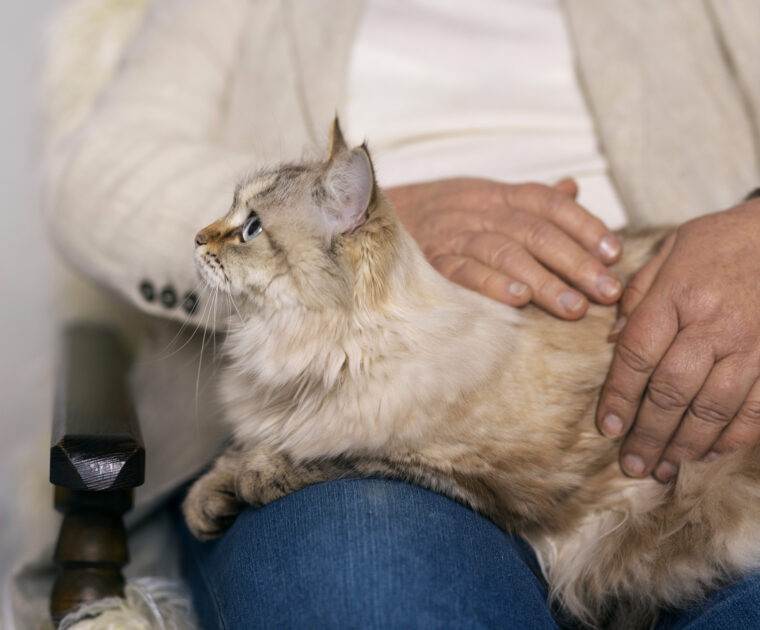
Credit: sandiegovets.com
Frequently Asked Questions
How Long Does Recovery Take After Neutering A Cat?
Recovery typically takes 7 to 10 days. Your cat may be sleepy and less active initially. Monitor the incision site for swelling or discharge. Keep your cat indoors and avoid vigorous play during this period to ensure proper healing.
What Behavior Changes Occur After Neutering?
Neutered cats often become calmer and less aggressive. They may show reduced territorial marking and spraying. Some cats gain weight more easily, so monitor their diet. Overall, neutering helps reduce unwanted behaviors linked to mating instincts.
Are There Common Side Effects After Neutering A Cat?
Mild swelling, bruising, or tenderness at the surgery site is normal. Some cats might experience temporary appetite loss or slight lethargy. Serious side effects are rare but include excessive bleeding or infection. Contact your vet if symptoms worsen or persist beyond a few days.
When Can My Cat Resume Normal Activities Post-neutering?
Most cats can resume gentle play within 5 to 7 days. Avoid jumping or rough activities until the incision fully heals. Your vet will provide specific guidelines based on your cat’s recovery progress. Follow all instructions to prevent complications.
Conclusion
Neutering your cat helps improve their health and behavior. Expect some tiredness and mild swelling after surgery. Keep your cat calm and watch for any unusual signs. Most cats recover quickly with proper care at home. This procedure can reduce risks of certain diseases and unwanted kittens.
Your pet will likely feel better and calmer over time. Caring for your cat after neutering is simple and rewarding. Stay patient and gentle during their healing process. Your cat will thank you with a happier life.

Lily Purrington is the founder of MyKittyPicks.com, a cozy corner of the web dedicated to helping cat lovers discover the best cat products, furniture, toys, and home decor ideas.
A lifelong cat enthusiast, Lily shares trusted tips, honest product recommendations, and stylish inspiration designed to keep kitties happy and homes beautiful.
Her mission is simple: to bring together practical advice and purr-fect picks that make life better for cats and the people who love them.


