

Have you ever wondered when your male cat might start breeding? Understanding the breeding timeline of male cats is crucial for any pet owner.
You might think it’s a matter that only concerns breeders, but if you’re a cat owner, it’s something you’ll want to know too. This knowledge can help you make better decisions about your pet’s health and well-being. It can also prevent unexpected litters, which can be both a surprise and a responsibility.
So, when exactly do male cats start breeding, and what should you be aware of? Keep reading to discover the key signs and stages of your feline friend’s journey into maturity. This information could be more vital than you think!
Early Signs Of Maturity
Male cats typically begin breeding at around six months of age. This is when they start displaying mating behaviors, such as increased vocalizations and marking territory. Observing these early signs can indicate readiness for breeding.
Understanding the early signs of maturity in male cats is essential for any cat owner. These signs can help you prepare for changes in your cat’s behavior and needs. Recognizing these signals early can also assist in making informed decisions about your pet’s health and lifestyle.Physical Changes
As male cats approach sexual maturity, you might notice some physical changes. Testicles begin to develop, which is one of the most obvious signs. You may also observe a slight increase in body size and muscle mass.Behavioral Shifts
Behavioral changes are often the first indicators of maturity. Your usually calm cat might become more restless or assertive. This change is often due to the surge of hormones in their bodies.Spraying And Marking
One of the more challenging behaviors to manage is spraying. Male cats might start marking their territory with a pungent-smelling urine. This behavior is natural but can be managed with early neutering.Increased Vocalization
Has your cat started meowing more than usual? This could be a sign of maturity. Increased vocalization is a way for male cats to communicate their readiness to mate.Heightened Interest In Females
A mature male cat will show a heightened interest in female cats. This can include more frequent attempts to escape the house in search of a mate. Keeping a close eye on your cat during this period is crucial to prevent any unwanted escapades.Playful Aggression
Playful aggression might escalate as maturity approaches. Your cat might become more rough during playtime. It’s important to channel this energy into positive outlets like toys or interactive games. Recognizing these signs allows you to plan accordingly. Have you noticed any of these changes in your cat? Understanding your pet’s needs during this time can ensure a smoother transition into adulthood.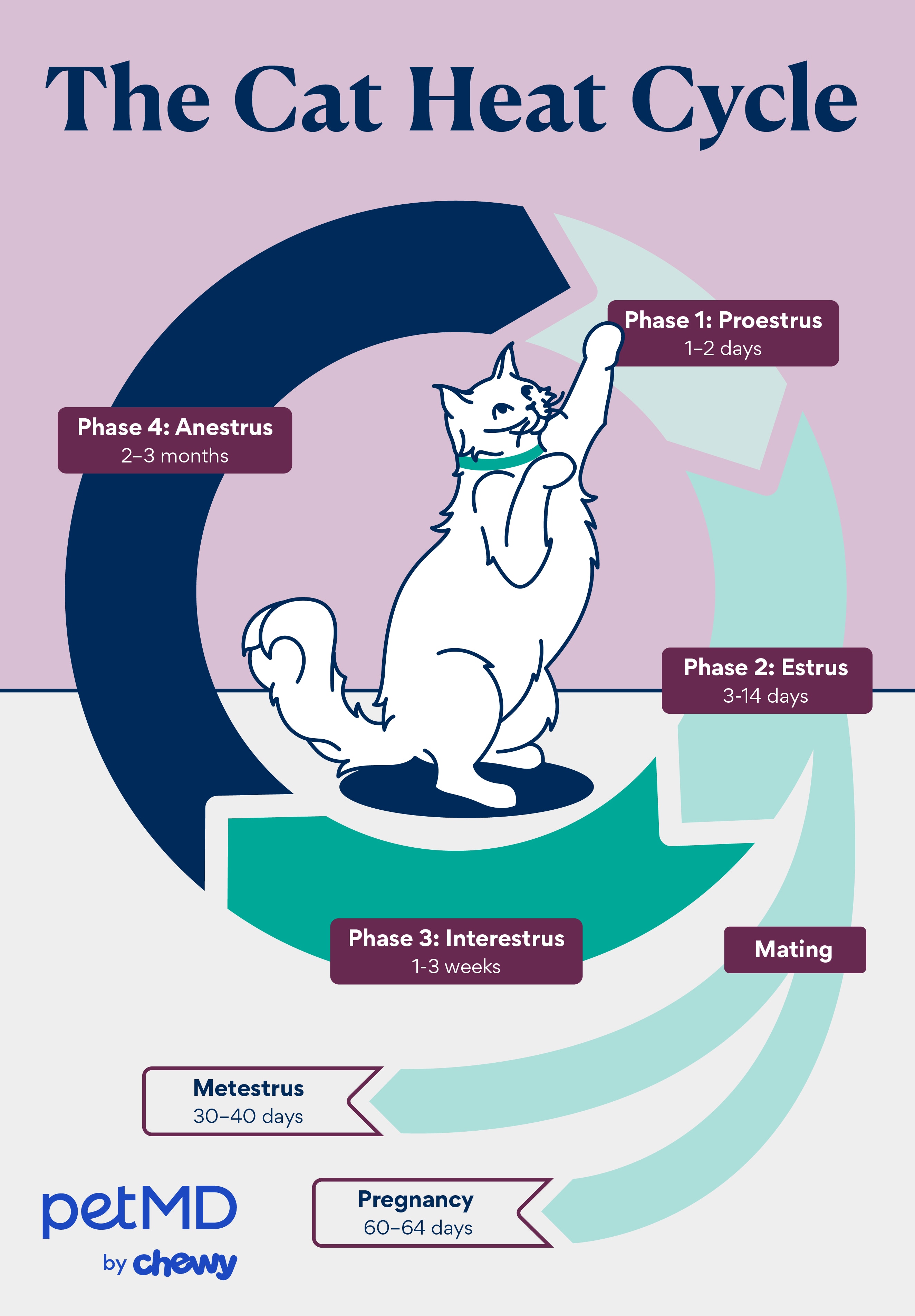
Credit: www.petmd.com
Typical Breeding Age
Male cats typically begin breeding around 6 to 12 months of age. This is when they reach sexual maturity. Early maturity can lead to increased territorial behavior and mating instincts.
When it comes to understanding the breeding habits of male cats, one critical aspect is their typical breeding age. Knowing when your feline friend is ready to start breeding can help you make informed decisions about their care and well-being. This information is particularly useful if you’re considering breeding or simply want to prevent unexpected litters.Understanding The Age Of Sexual Maturity
Male cats generally reach sexual maturity between 6 and 12 months of age. This is the time when they start showing interest in mating. You might notice changes in their behavior, such as increased roaming and marking territory. It’s a natural phase that signifies they are ready to breed.Influence Of Breed On Breeding Age
Different breeds can mature at slightly different rates. Siamese cats, for example, are known to mature a bit earlier than other breeds. If you have a specific breed, it’s wise to research their typical breeding age. This ensures you’re prepared for any behavioral changes.The Role Of Environment
A cat’s environment can affect its breeding age. Cats in stimulating environments may reach maturity faster. If your cat is exposed to other mature cats, they might develop breeding behaviors earlier. Consider their surroundings and social interactions as key factors.Health Factors And Breeding Readiness
Health plays a significant role in determining when a male cat is ready to breed. A well-nourished and healthy cat is more likely to reach maturity on schedule. Regular vet check-ups can help you monitor their health and readiness for breeding.How Behavioral Changes Signal Breeding Age
Behavioral changes are clear indicators of breeding readiness. Increased aggression, vocalization, and restlessness are common signs. These behaviors can be challenging but are part of their natural development. Recognizing these signs can help you manage your cat’s needs effectively.Deciding On Neutering
Given the potential for unexpected litters, consider neutering your cat. Neutering can prevent unwanted behaviors and reduce health risks. It’s a responsible choice that benefits both you and your pet. Have you thought about the implications of not neutering your cat? Understanding the typical breeding age of male cats is essential for any cat owner. It helps you anticipate changes and make informed decisions. By observing your cat and considering various factors, you can ensure their well-being during this pivotal stage.Factors Influencing Breeding Age
Understanding the breeding age of male cats helps in their care. Various factors influence when male cats start breeding. These include genetic makeup, environment, and health. Each plays a vital role in their development.
Genetic Factors
Genetics decide a cat’s growth pace. Some breeds mature faster than others. For instance, Siamese cats often mature earlier. Genetics also impact hormonal changes. These changes trigger breeding behaviors. Knowing the breed helps predict maturity.
Environmental Influences
The surroundings affect a cat’s maturity. Stressful environments delay breeding age. Calm settings promote quicker maturity. Interaction with other cats speeds up development. Exposure to different stimuli aids growth. A safe space encourages early breeding.
Health And Nutrition
Good health speeds up maturity. Proper nutrition supports hormonal balance. Malnutrition can delay breeding age. A balanced diet boosts physical growth. Regular vet visits ensure good health. Healthy cats breed at the right age.
Behavioral Changes
Understanding the behavioral changes in male cats as they reach breeding age can help you better manage their needs and maintain a peaceful household. As male cats mature, they exhibit certain behaviors that indicate their readiness to breed. Being aware of these changes can help you anticipate and address potential challenges, ensuring a harmonious environment for both you and your feline friend.
Aggression And Territoriality
As male cats mature, they may become more aggressive and territorial. You might notice your once-docile kitty engaging in territorial disputes with other cats, even those he once peacefully coexisted with. This behavior often includes marking territory with urine, scratching furniture, or even getting into physical altercations with other cats.
My own cat, Max, suddenly became the boss of the block, asserting dominance over neighboring cats. He would patrol his territory, making sure no intruders dared to cross his path. This change in behavior can be challenging but is a natural part of his development.
Vocalization Patterns
Male cats tend to become more vocal as they reach breeding age. You might find your cat meowing more frequently, loudly, and persistently, especially at night. This is often an attempt to attract a mate or deter rival males.
When Max started his midnight serenades, it was a clear sign he had reached breeding maturity. His increased vocalizations were a way to communicate with potential mates in the area. Have you noticed your own cat’s vocal patterns changing? It might be time to consider how you want to manage this new phase.
Recognizing these behavioral changes can help you decide on the best course of action, whether it’s considering neutering or finding ways to manage your cat’s natural instincts. How will you handle your cat’s transition into this new stage of life?
Health Considerations
Male cats usually begin breeding around 6 to 12 months of age. Health checks ensure your cat is ready for breeding. Proper nutrition and vaccinations play a crucial role in maintaining their well-being.
When male cats start breeding, their health becomes crucial. Good health ensures successful breeding and healthy offspring. Owners should focus on their cat’s well-being during this phase.Common Health Issues
Male cats may face several health problems during breeding. Urinary tract infections are common. These infections can cause discomfort and affect breeding ability. Another issue is obesity. Overweight cats may have reduced fertility. Parasites like fleas and ticks also pose threats. They can lead to anemia and other complications. Dental problems can impact their overall health. Bad dental health affects eating and energy levels.Preventive Measures
Regular vet check-ups help in early detection of problems. A balanced diet keeps cats healthy and energetic. Proper nutrition supports their reproductive health. Exercise prevents obesity and keeps them active. Flea prevention methods are essential. They protect against parasites and related diseases. Dental care is important too. Regular cleaning maintains oral health. Vaccinations protect against common diseases. They are crucial for long-term health.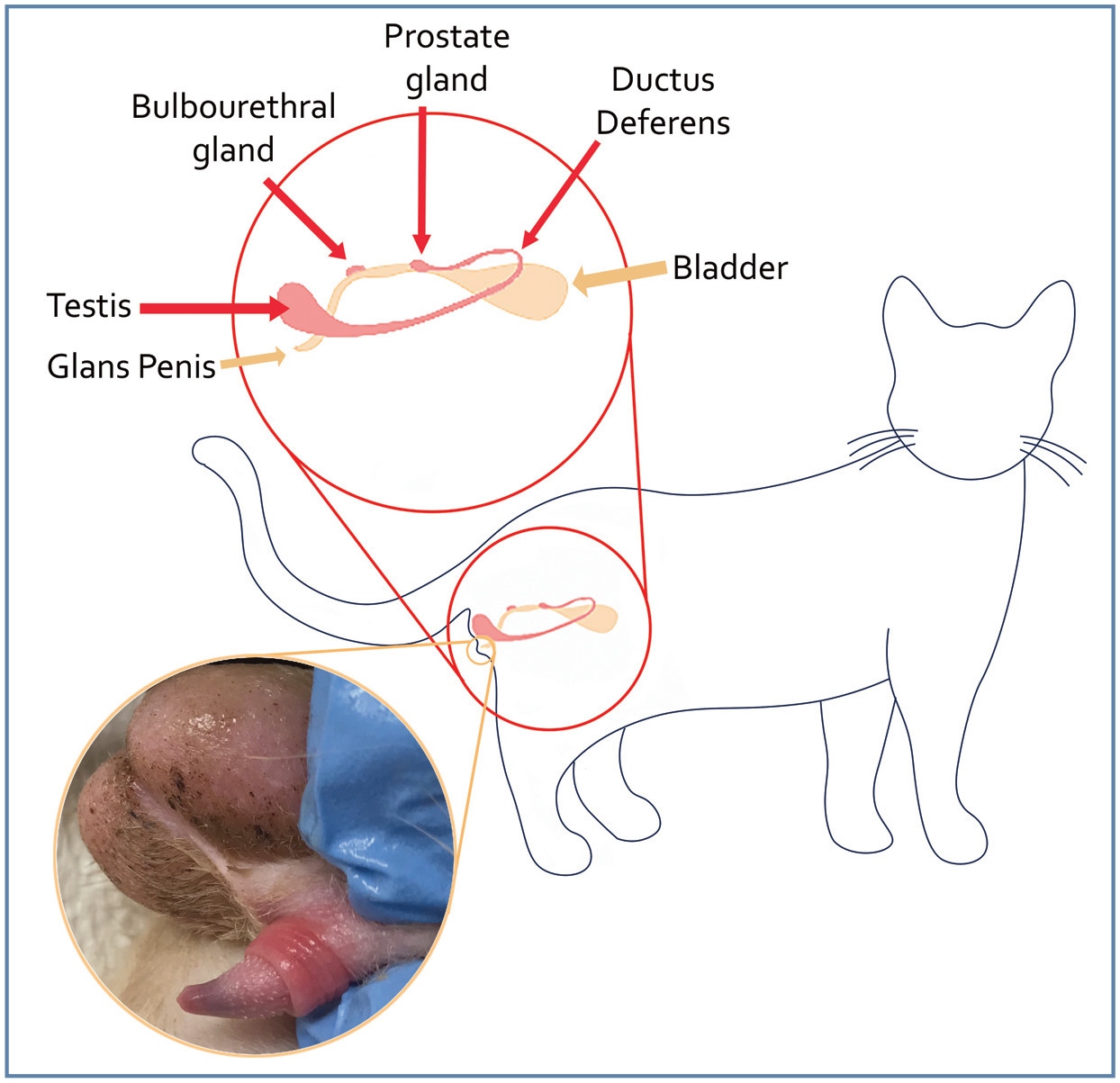
Credit: www.pashudhanpraharee.com
Impact Of Neutering
Neutering male cats greatly affects their breeding behavior. It is a common procedure that involves removing the cat’s testicles. This simple surgery has profound impacts on their health and behavior. By neutering, you help control the cat population. It prevents unwanted litters and reduces the number of homeless cats. Neutering also minimizes aggressive behavior in male cats. They become less territorial and more friendly. This procedure is beneficial for both the cat and the owner.
Benefits Of Neutering
Neutering offers many benefits for male cats. It reduces the risk of certain diseases. Testicular cancer is one of them. Neutered cats are less likely to roam. This reduces the chance of injuries from fights or accidents. They tend to be more relaxed and calm. The spraying of urine to mark territory decreases. This makes your home cleaner and more pleasant. Neutering also helps in controlling the stray cat population. Less strays mean fewer animals in shelters.
Timing For Neutering
The timing for neutering is crucial. Most veterinarians suggest neutering before sexual maturity. This usually happens at 4 to 6 months old. Early neutering ensures the cat does not develop mating behaviors. If done too late, some habits may persist. Discuss with your vet the best time for your cat. Every cat is unique, so timing may vary. Neutering at the right age helps your cat lead a healthier life.
Breeding Management Tips
Male cats begin breeding at around 6 to 12 months old. Their behavior changes, becoming more territorial and vocal. Proper management involves monitoring their health and ensuring they have suitable mates.
When managing the breeding of male cats, it’s crucial to understand the intricacies involved in ensuring the health and well-being of your feline friend. Breeding management isn’t just about allowing nature to take its course; it’s about taking an active role in ensuring responsible practices and proper care. Whether you’re a seasoned breeder or new to the world of feline reproduction, these tips will guide you in making informed decisions that benefit both your cat and future generations.Proper Care During Breeding
During the breeding period, you need to prioritize your male cat’s health. Ensure he receives a balanced diet rich in vitamins and minerals to support his reproductive system. Regular vet check-ups are essential to monitor his health and detect any issues early. Stress can negatively impact breeding success. Create a calm environment by minimizing loud noises and disruptions. You might notice that your cat needs more attention or affection during this time; don’t hesitate to give him the comfort he seeks.Responsible Breeding Practices
Responsible breeding goes beyond just producing kittens. It’s about considering the genetic health of the offspring. Before breeding, evaluate the pedigree and health records of both the male and the female cats. This helps prevent hereditary diseases that could affect the kittens. Ask yourself: Are you prepared for the responsibility of finding homes for the kittens? Breeding should never be done on a whim. Ensure you have a plan for the kittens’ future, including potential homes and their care requirements. Remember, breeding should contribute positively to the feline community. Avoid overbreeding and consider the population dynamics in your area. Responsible breeders focus on quality over quantity, aiming to improve the breed’s health and characteristics. By focusing on these aspects, you’ll not only ensure the well-being of your male cat but also contribute to the betterment of the feline population.:strip_icc()/will-heat-cycle-end-after-mating-554846-0287b41fab614446a08cf8eea4c6dbd6.jpg)
Credit: www.thesprucepets.com
Frequently Asked Questions
At What Age Do Male Cats Breed?
Male cats typically start breeding at around six months of age. Puberty varies, but most become sexually mature by this time. It’s crucial to consider neutering to prevent unwanted litters and aggressive behavior. Consult a vet for the best time to neuter your cat.
Do Male Cats Breed All Year Round?
Male cats can breed throughout the year, but peak activity occurs during spring. Hormonal changes in females often trigger mating behaviors in males. It’s essential to monitor your male cat’s behavior and ensure he doesn’t wander excessively during mating seasons.
How Can I Tell If My Cat Is Ready?
Signs your male cat is ready to breed include increased roaming and spraying. Vocalization can also indicate readiness. These behaviors are often driven by hormonal changes. Neutering can help manage these behaviors and prevent territorial aggression.
Does Breeding Affect A Cat’s Health?
Breeding can impact a male cat’s health, leading to stress and aggression. Wandering can also increase risks of injury or disease. Neutering reduces these risks and contributes to a healthier, more relaxed pet. Always consult a vet for health concerns related to breeding.
Conclusion
Male cats usually start breeding around six months old. Their behavior changes. They become more vocal and restless. Owners should consider neutering. This helps control the cat population. It also reduces unwanted behaviors. Always consult a vet for advice. They can provide guidance on health care.
Good preparation ensures a happy, healthy pet. Understanding breeding signs is important. It keeps your cat safe and content. Remember, each cat is unique. Their development may vary. Observing your cat’s behavior is key. This helps in making informed decisions.

Lily Purrington is the founder of MyKittyPicks.com, a cozy corner of the web dedicated to helping cat lovers discover the best cat products, furniture, toys, and home decor ideas.
A lifelong cat enthusiast, Lily shares trusted tips, honest product recommendations, and stylish inspiration designed to keep kitties happy and homes beautiful.
Her mission is simple: to bring together practical advice and purr-fect picks that make life better for cats and the people who love them.


