
Have you ever walked into a room and caught a sharp, unpleasant smell that instantly reminded you of cat urine? You might be wondering, “What smells like cat urine?” That strong, lingering odor can come from surprising places, not just your feline friend.
Understanding where this smell comes from and how to identify it can save you a lot of frustration and help keep your home fresh. Keep reading, and you’ll learn the common sources of this smell and simple ways to tackle it for good.
Common Sources Of Cat Urine Smell
The unmistakable smell of cat urine can quickly take over your living space, leaving you puzzled about its source. Understanding where this odor comes from is the first step to tackling it effectively. Often, the smell isn’t just from one obvious spot but can linger in unexpected places around your home.
Litter Box Issues
Your cat’s litter box is the most common source of that strong urine smell. If the box isn’t cleaned regularly, urine builds up and creates a potent odor that spreads throughout the room.
Choosing the right type of litter and scooping daily can reduce these smells significantly. Have you checked if your litter box is in a well-ventilated area? Poor airflow can trap odors and make them harder to eliminate.
Pet Accidents Indoors
Sometimes cats urinate outside their litter box due to stress, illness, or territorial behavior. These accidents can happen on floors, in corners, or near doorways, often unnoticed until the smell becomes strong.
Spotting these areas early helps prevent the odor from setting into your home. Using enzymatic cleaners immediately can stop the smell from returning and discourage repeat accidents.
Hidden Stains On Carpets And Furniture
Urine can soak deep into carpets, upholstery, and even wood, hiding beneath the surface where it’s hard to detect. Even if the stain is invisible, the smell can linger and worsen over time.
Have you tried using a blacklight to find hidden urine stains? This simple tool can reveal spots you might have missed, allowing you to clean more thoroughly and finally get rid of that persistent odor.
Non-cat Causes Mimicking Cat Urine Odor
Sometimes, a smell like cat urine comes from places other than cats. These odors can confuse anyone trying to find the source. Understanding what else causes this smell helps solve the problem quickly. Various factors in homes or buildings create smells that mimic cat urine. Identifying these causes stops unnecessary stress and prevents mistakes.
Mold And Mildew
Mold and mildew grow in damp, dark places. They produce a strong, musty smell that can resemble cat urine. Bathrooms, basements, and areas with water leaks are common spots. These fungi release spores that create unpleasant odors. Removing mold and fixing leaks reduces the smell fast.
Certain Household Chemicals
Some cleaning products and chemicals emit odors similar to cat urine. Ammonia-based cleaners are the main offenders. Their sharp, pungent scent can be mistaken for pet urine. Using these products in enclosed spaces makes the smell stronger. Always ventilate rooms and store chemicals properly to avoid confusion.
Rodent Infestations
Rodents like mice and rats leave urine that smells like cat urine. Their nests and droppings often hide in walls or attics. This odor can spread through vents and cracks in the house. Rodent urine contains strong-smelling compounds that are hard to ignore. Pest control and sealing entry points stop the smell and infestation.
Detecting The Odor’s Origin
Pinpointing the source of a cat urine smell helps control the odor faster. Check hidden spots like carpets, furniture, and corners where pets might mark. Using a blacklight can reveal stains not easily seen by the eye.
Detecting the source of a cat urine odor can be challenging. This smell often lingers, making it hard to pinpoint. Identifying the exact location helps in effectively eliminating the odor. Let’s explore ways to detect where the smell originates.Using Blacklight For Stain Detection
A blacklight is a useful tool for finding urine stains. It reveals spots invisible to the naked eye. Walk around with the light in a dark room. Look for glowing spots on carpets, walls, or furniture. These are likely the areas where the odor is strongest.Identifying Areas With Strongest Smell
Sniff around your home to find the strongest odor. Pay attention to corners and hidden spaces. Furniture, curtains, and rugs are common culprits. Sometimes, getting close to the ground helps. Your nose is a powerful tool in this search.Checking Plumbing And Drains
Sometimes, the smell may come from plumbing issues. Check all drains and pipes for leaks or clogs. Bathrooms and kitchens are key areas to inspect. Make sure traps in sinks are not dry, which can let odors escape. This can sometimes mimic the scent of cat urine.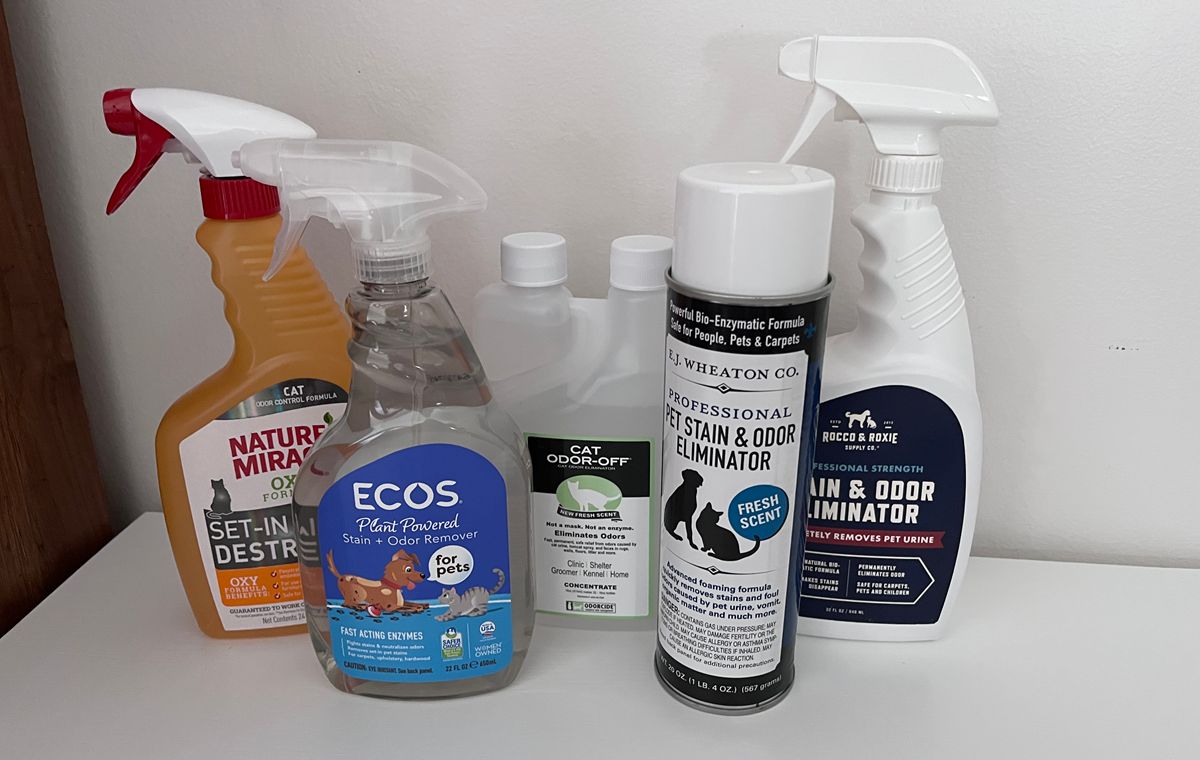
Credit: cats.com
Effective Cleaning Techniques
Effective cleaning techniques are essential to remove the smell of cat urine completely. Simple cleaning often leaves behind odors because the urine seeps deep into surfaces. Proper methods target the source of the smell, not just the surface. Using the right products and approaches helps eliminate the odor and prevents pets from marking again.
Enzymatic Cleaners For Urine Removal
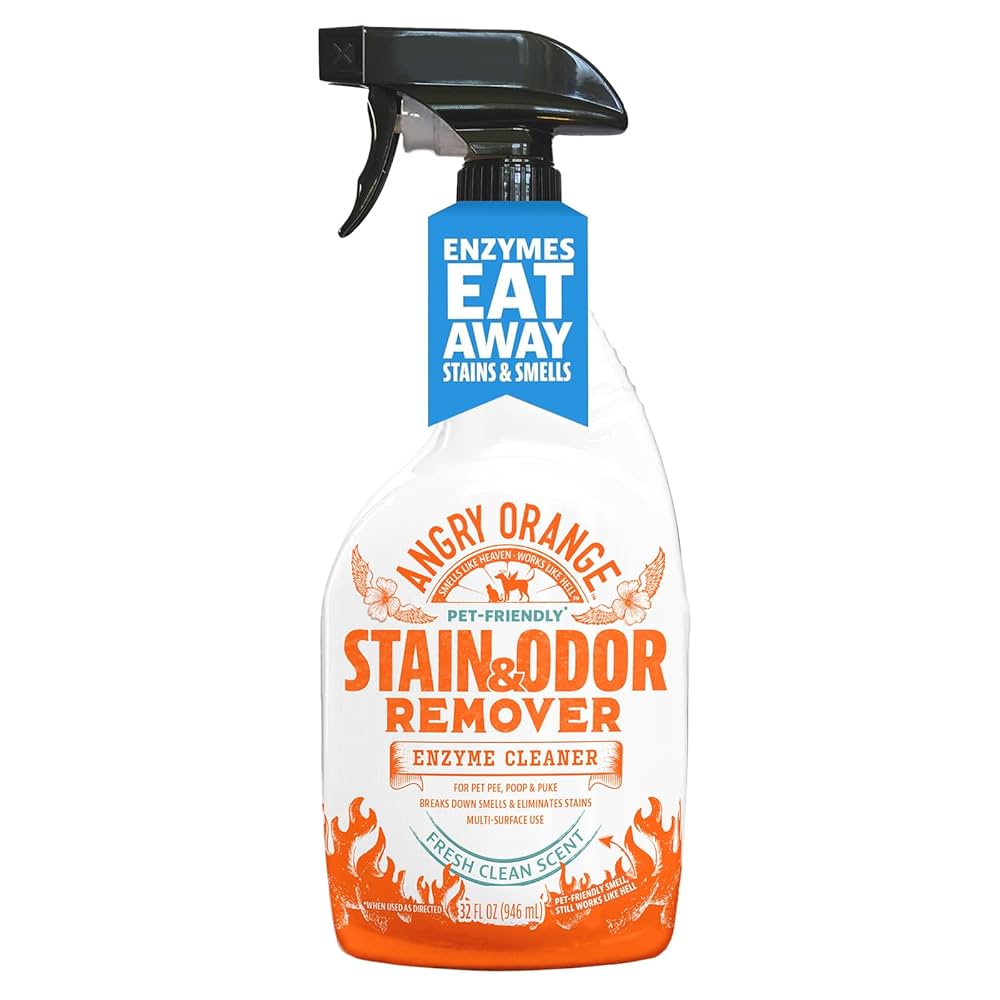
Enzymatic cleaners break down the proteins in cat urine. They digest the urine molecules that cause the strong odor. These cleaners work well on carpets, upholstery, and hard floors. Apply the cleaner generously and let it sit for at least 10-15 minutes. This allows enzymes to work deeply and neutralize the smell. Avoid rinsing immediately to keep enzymes active.
Diy Cleaning Solutions
Homemade solutions can also help remove cat urine odors. A mix of white vinegar and water neutralizes the smell effectively. Use a 50/50 ratio for best results. Baking soda works well to absorb odors on carpets and fabrics. Sprinkle it over the affected area and leave for several hours before vacuuming. These simple ingredients are safe and affordable for regular use.
Avoiding Masking Agents
Avoid using air fresheners or strong-smelling cleaners to cover up the odor. Masking agents do not eliminate the urine smell and can make it worse. Cats may continue to mark the same spot if the real odor remains. Focus on deep cleaning rather than hiding the problem. True odor removal stops repeated accidents and keeps your home fresh.
Preventing Recurring Odors
Stopping cat urine odors from coming back is key for a fresh home. Persistent smells often mean hidden problems or habits that need change. Taking simple steps can keep your space clean and your cat happy.
Proper Litter Box Maintenance
Clean the litter box every day to reduce odors. Remove clumps and waste at least once daily. Use a scoop with fine holes to catch small particles. Replace all the litter and wash the box weekly with mild soap. Avoid strong-smelling cleaners that can irritate cats. Consider litter that controls odor well. Keep the box in a quiet, accessible spot to encourage use.
Training And Behavior Tips For Cats
Watch your cat’s habits closely. Some cats avoid dirty boxes or dislike certain litter types. Try different litters if your cat refuses to use the box. Reward your cat with treats for using the box correctly. Clean any accidents immediately with enzyme cleaners. This stops your cat from returning to the same spot. Stress can cause urination outside the box. Provide toys and quiet areas to reduce anxiety.
Home Repairs And Ventilation Improvements
Check walls, floors, and carpets for hidden urine stains. Urine can soak into materials and cause lasting smells. Use an enzyme cleaner designed for pet urine on all affected areas. Replace damaged materials if the smell persists. Improve air flow with fans or open windows. Ventilation helps remove odors and freshen the air. Use air purifiers with carbon filters for extra odor control. Regularly wash curtains, bedding, and cushions where cats spend time.

Credit: www.amazon.com
When To Seek Professional Help
Noticing a persistent smell like cat urine in your home can be frustrating and confusing. Sometimes, the source isn’t obvious, and your own attempts to fix the problem might not work. Knowing when to bring in professionals can save you time, stress, and even protect your health.
Pet Behavior Specialists
If you have pets and the smell keeps returning, it might signal a behavioral issue rather than just a cleaning problem. A pet behavior specialist can help identify why your cat or other pets are marking territory or urinating outside the litter box.
Have you noticed changes in your pet’s routine or stress levels? Specialists use their expertise to recommend solutions that reduce unwanted urination, improving your home environment and your pet’s well-being.
Professional Cleaning Services
Sometimes the odor lingers because of deep stains that regular cleaning can’t reach. Professional cleaning services use specialized equipment and enzymatic cleaners that break down urine molecules effectively.
If you’ve tried everything and the smell persists, hiring experts can remove hidden residues from carpets, upholstery, or walls that you might not even see. They can also offer advice on preventing future issues.
Pest Control Experts
Oddly enough, some pests like rodents or certain insects can produce odors that smell similar to cat urine. If you suspect your home might have an infestation, a pest control expert can identify and eliminate the problem.
Ignoring pest-related smells can lead to bigger health risks and structural damage. Would you rather tackle the issue early with professional help or deal with costly repairs later?

Credit: smart.dhgate.com
Frequently Asked Questions
What Common Household Items Smell Like Cat Urine?
Certain cleaning products, mildew, and some mold types can smell like cat urine. Dirty litter boxes and spoiled food may also cause similar odors. Identifying the source helps in proper cleaning and odor removal.
Can Mold Cause A Smell Like Cat Urine?
Yes, some molds produce ammonia-like odors resembling cat urine. Mold thrives in damp, dark areas. Removing mold and fixing moisture issues stops the smell.
Why Does Cat Urine Have A Strong Smell?
Cat urine contains high levels of ammonia and pheromones, causing a strong odor. Male cats’ urine is especially pungent. Prompt cleaning prevents lingering smells.
How To Remove Cat Urine Smell Effectively?
Use enzymatic cleaners designed for pet odors. These break down urine compounds. Avoid ammonia-based products as they worsen the smell. Regular cleaning and ventilation help too.
Conclusion
Cat urine smell can come from many sources, not just cats. Mold, mildew, and some plants may smell similar. Cleaning spills quickly helps stop the odor. Using proper cleaners removes the smell better than water. Keep your home dry and well-ventilated to prevent smells.
Watch for signs of pests or leaks that cause odors. Knowing what causes the smell helps you fix it fast. Stay alert and act quickly for a fresh, clean space.

Lily Purrington is the founder of MyKittyPicks.com, a cozy corner of the web dedicated to helping cat lovers discover the best cat products, furniture, toys, and home decor ideas.
A lifelong cat enthusiast, Lily shares trusted tips, honest product recommendations, and stylish inspiration designed to keep kitties happy and homes beautiful.
Her mission is simple: to bring together practical advice and purr-fect picks that make life better for cats and the people who love them.


