
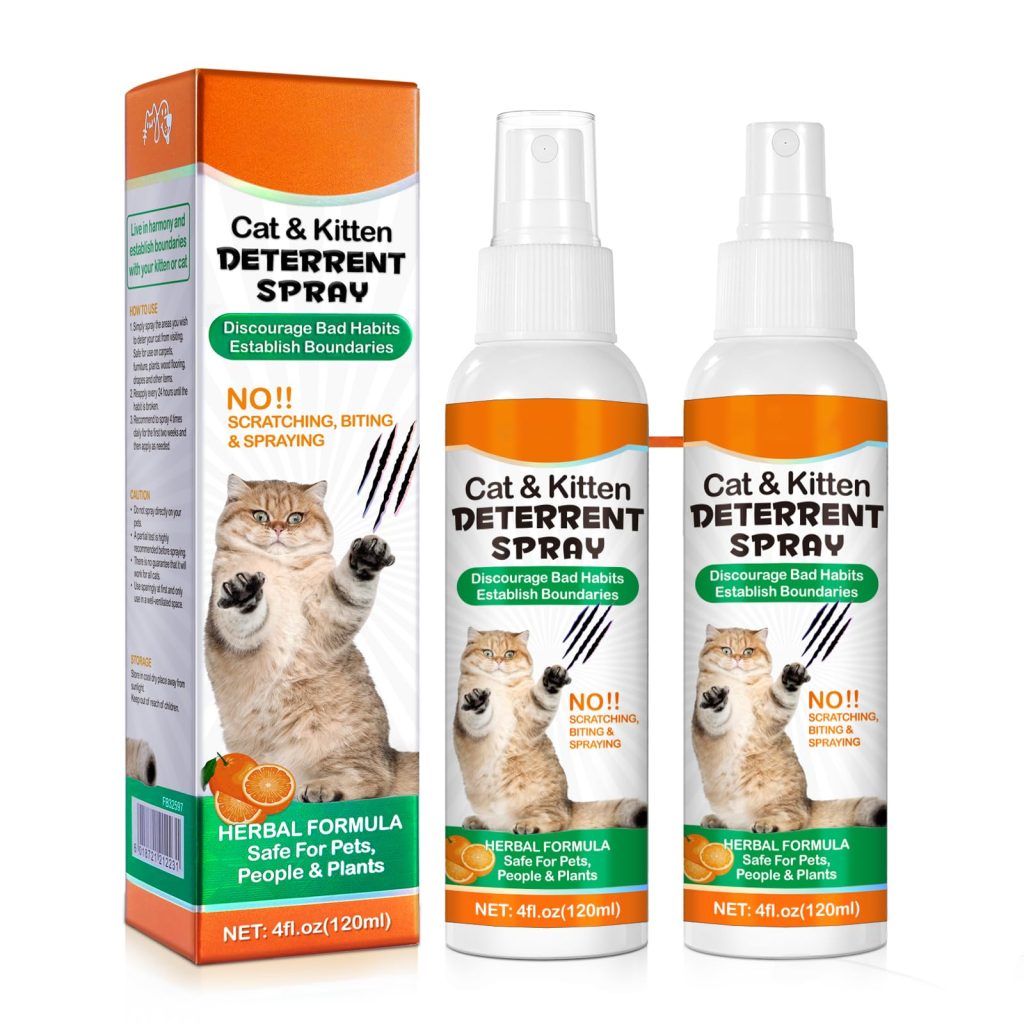
Are you tired of finding unwanted cat urine spots around your home? You’re not alone.
Many pet owners struggle with this frustrating problem. But what if you could use a simple smell to keep cats away from peeing where they shouldn’t? Understanding which scents deter cats from urinating can save you time, money, and stress.
Keep reading to discover effective smells that work and how you can use them to protect your space.
Credit: www.walmart.com
Why Cats Urinate Indoors
Understanding why cats urinate indoors is key to solving this frustrating problem. It’s not always about laziness or bad behavior. Often, there are clear reasons behind this action that your cat is trying to communicate.
Behavioral Causes
Cats may urinate inside due to stress or changes in their environment. Moving to a new home, new pets, or even rearranged furniture can unsettle them. You might notice your cat avoiding the litter box if it’s dirty or placed in a noisy area.
Have you ever felt uncomfortable using a bathroom that’s not clean? Cats feel the same. Keep their litter box clean and in a quiet, accessible spot to encourage use.
Medical Issues
Sometimes, indoor urination signals a health problem. Urinary tract infections, bladder stones, or kidney issues can make it painful for your cat to use the litter box properly. If your cat suddenly starts peeing indoors, a vet visit is essential.
Ignoring medical causes can worsen your cat’s discomfort and increase accidents. Early diagnosis can save your cat from pain and prevent long-term problems.
Territorial Marking
Cats use urine to mark their territory, especially if they feel threatened by other animals. If you have multiple cats or notice outdoor cats nearby, your cat might mark to assert dominance. This behavior can be triggered by changes in the household or the presence of new animals outside.
Consider whether your cat feels secure in its environment. Using calming sprays or pheromone diffusers can reduce marking behavior. Have you noticed if certain triggers, like other neighborhood cats, cause your cat to mark more?

Credit: www.amazon.ca
Scents Cats Avoid
Cats have a sensitive sense of smell. Certain scents can repel them and stop unwanted urination. Knowing these scents helps keep your home clean and fresh. Cats dislike strong, sharp, or bitter smells. Using these scents can guide cats away from specific spots.
Citrus Aromas
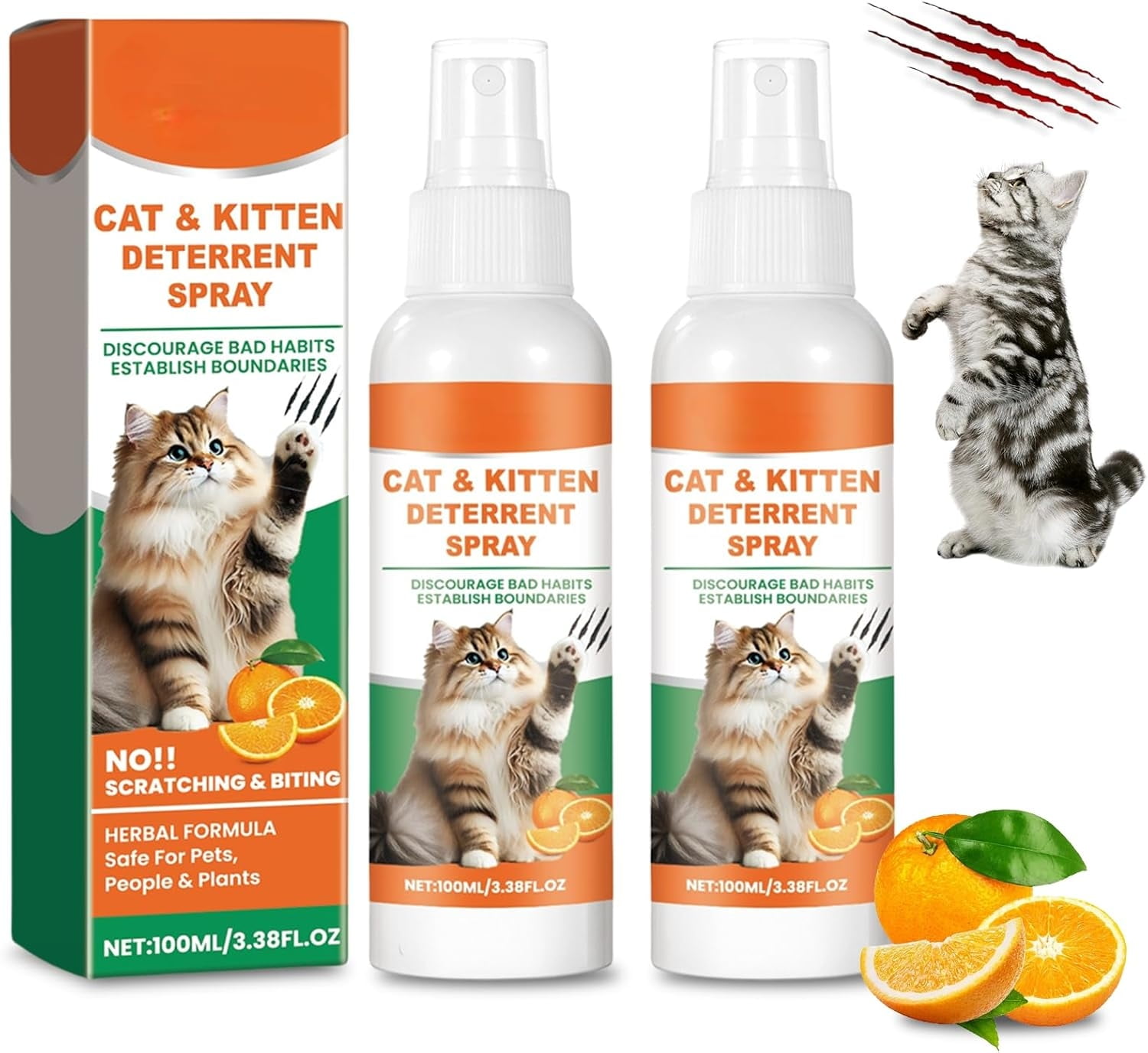
Cats avoid the smell of citrus fruits like lemon, orange, and lime. The strong, tangy scent irritates their noses. Sprinkling citrus peels or using citrus-scented sprays can keep cats away. Citrus aromas are natural and safe to use around pets.
Herbal Extracts
Some herbs have scents that cats dislike. Rosemary, lavender, and rue are common examples. These herbs release a sharp smell that cats find unpleasant. Placing dried herbs or herbal sachets near problem areas can help deter cats.
Essential Oils
Essential oils like eucalyptus, peppermint, and citronella repel cats. Their strong, penetrating scents make cats uncomfortable. Use essential oils carefully and dilute them properly. Avoid direct contact to keep cats safe while repelling them effectively.
Proven Natural Repellents
Certain natural smells like citrus, lavender, and eucalyptus keep cats away from urinating. These scents are safe and effective for deterring cats. Using proven natural repellents helps protect your home without harsh chemicals.
Having a cat as a pet can be a delightful experience, but dealing with unexpected urination indoors is less than pleasant. If you’re tired of cleaning up after your feline friend, natural repellents might be the answer. These proven methods can help deter cats from urinating where they shouldn’t, using scents they naturally avoid. Let’s dive into some effective options.Lemon And Orange Peels
Cats generally dislike citrus scents, making lemon and orange peels an effective deterrent. Simply place fresh peels in areas where you want to prevent your cat from urinating. The strong smell is usually enough to keep them at bay. Have you ever tried placing a bowl of fresh citrus on your kitchen counter and noticed your cat steering clear? It’s the same principle here. Plus, as a bonus, your home will smell fresh and zesty!Vinegar Solutions
Vinegar is not only a fantastic cleaning agent but also a natural cat repellent. Mix equal parts of vinegar and water in a spray bottle and apply it to areas prone to urination. The pungent smell of vinegar is generally repulsive to cats. Have you ever wondered why your cat makes a face when they sniff vinegar? It’s because they find the scent overwhelming. Regularly spraying this solution can help create a no-go zone for your pet.Lavender And Rosemary
While humans often find lavender and rosemary pleasant, cats do not share this sentiment. These aromatic herbs can be strategically placed in sachets around your home. Alternatively, you could use essential oils diluted in water as a spray. Imagine your home filled with the calming scent of lavender and rosemary, all while keeping your cat’s urination habits in check. It’s a win-win situation! Have you considered using dried herbs in your garden too? This can extend the deterrent effect outdoors. These natural methods not only help maintain cleanliness but also ensure a harmonious living environment for both you and your feline companion. Which of these options will you try first?Commercial Cat Repellents
Commercial cat repellents offer practical solutions to stop cats from urinating in unwanted areas. These products use specific smells or sounds that cats dislike. They help protect your home and garden without harm to the animals.
Sprays And Powders
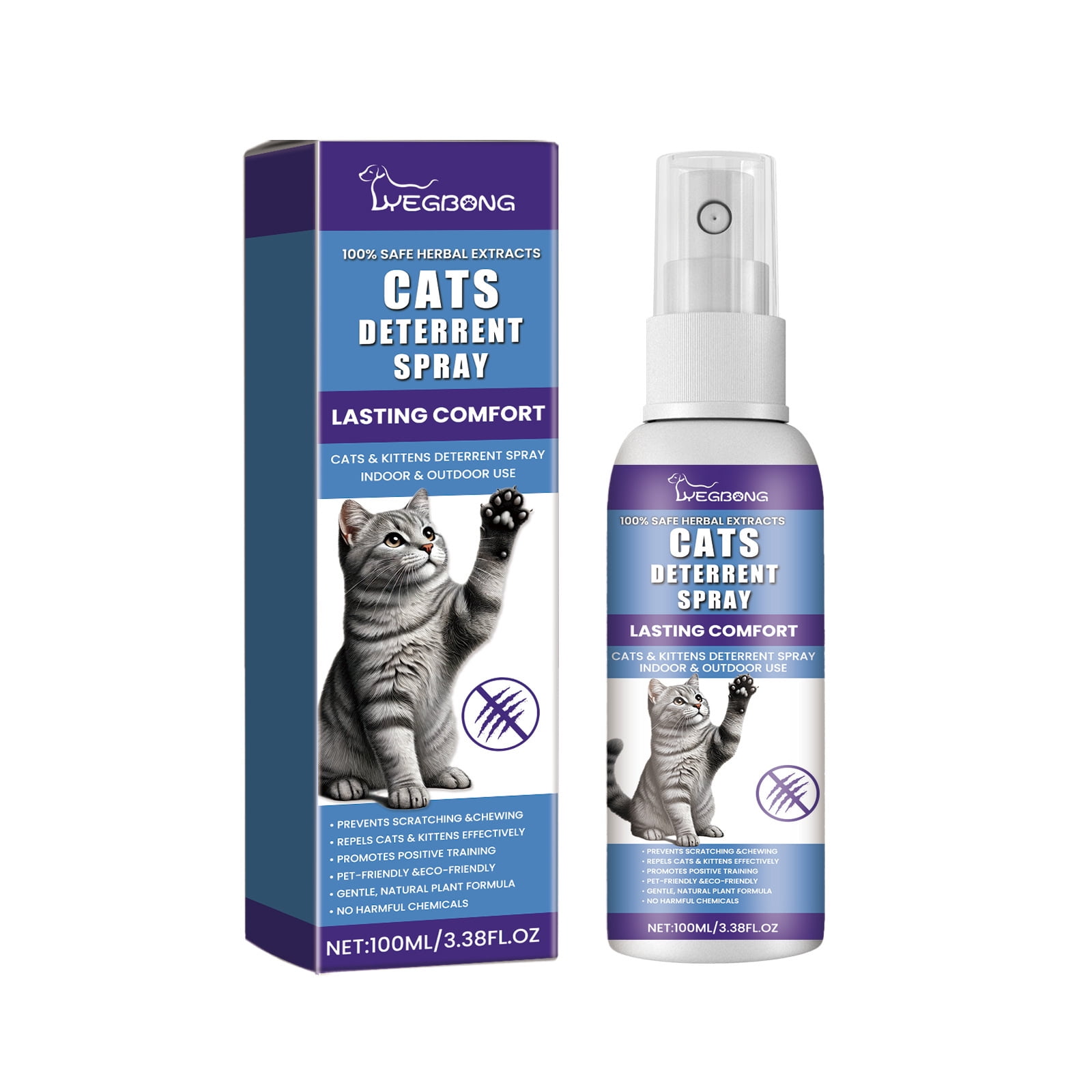
Sprays and powders are popular cat repellent options. They contain smells cats avoid, such as citrus, eucalyptus, or lavender. Apply sprays directly to areas where cats urinate. Powders can be sprinkled around plants or furniture.
These repellents work by creating an unpleasant scent barrier. Cats sense the smell and stay away. Sprays may need reapplying after rain or cleaning. Powders offer longer-lasting protection but can be messy.
Ultrasonic Devices
Ultrasonic devices emit high-frequency sounds. Humans cannot hear them, but cats find them irritating. These devices activate when a cat approaches. The sound discourages cats from entering the area.
Ultrasonic repellents are safe and easy to use. They cover yards, patios, or indoor spaces. Some models have motion sensors for energy saving. The devices work without chemicals or odors.
Repellent Mats
Repellent mats use textures or mild vibrations to deter cats. Some mats release a scent cats dislike. Others create a slight discomfort when stepped on. Cats learn to avoid the mats and stay away.
Place mats near entrances or favorite urinating spots. They are reusable and easy to clean. Repellent mats offer a physical and sensory barrier. They are a non-toxic way to keep cats off surfaces.
How To Apply Repellents Effectively
Applying cat repellents effectively can make a huge difference in preventing unwanted urination. The key is not just choosing the right smell but also knowing how to use it properly around your home. You might have noticed that some repellents lose their power quickly—this often comes down to placement and how often you refresh them.
Safe Placement Tips
Place repellents where your cat usually urinates or near entry points they use. Avoid areas where children or pets can accidentally touch or ingest the repellent. Sprays work well on carpets, corners, and near furniture legs, but always test a small spot first to check for damage.
Think about airflow too—repellents lose strength if exposed to strong winds or direct sunlight. A hidden corner behind a couch or along baseboards often keeps the smell strong and effective longer.
Frequency Of Application
Most natural repellents fade within a few days, especially if your cat is persistent. Refresh sprays every 3 to 5 days to maintain a strong deterrent. If you use essential oils, reapply more often since they evaporate quickly.
Watch your cat’s behavior—if they start approaching the area again, it’s time to reapply. Consistency is key, so don’t wait until you find a new mess to act.
Combining Repellents
Using more than one type of repellent can boost your success rate. For example, pairing citrus peels with a commercial spray creates a multi-layered barrier your cat finds unpleasant. This combo often confuses their senses and keeps them away longer.
However, avoid mixing strong scents like vinegar and essential oils directly, as this can irritate your cat or damage surfaces. Instead, rotate different repellents in the same spot or use separate methods side by side.
Credit: www.walmart.com
Other Strategies To Prevent Indoor Urination
Dealing with indoor urination by cats can be frustrating, but there are several effective strategies beyond just relying on smells. Managing your cat’s environment and habits plays a big role in preventing accidents. Let’s look at some practical steps you can take to keep your home clean and your cat happy.
Litter Box Management
Sometimes, cats avoid the litter box because it’s dirty or not to their liking. Make sure to scoop the litter box at least once a day to keep it fresh. Consider the type of litter you use—some cats prefer unscented, fine-grain litter over clumping or scented varieties.
Placement is just as important. Keep the litter box in a quiet, low-traffic area where your cat feels safe. If you have multiple cats, provide one litter box per cat plus one extra to reduce competition and stress.
Cleaning Urine Spots
Cleaning previous urine spots thoroughly is crucial. Cats tend to return to the same spot if they can still smell their urine. Use enzyme-based cleaners designed specifically to break down urine molecules instead of regular household cleaners.
Avoid ammonia-based cleaners because they can smell similar to urine and confuse your cat. After cleaning, let the area dry completely before allowing your cat access again.
Behavioral Training
Addressing the root cause of inappropriate urination often involves behavioral training. Observe if your cat is stressed or anxious, which can trigger indoor urination. Try to identify and eliminate stressors like changes in routine, new pets, or loud noises.
Reward your cat with treats and affection when it uses the litter box correctly. You can also gently redirect them if you catch them about to urinate outside the box. Patience and consistency are key—are you ready to invest time in understanding your cat’s behavior?
Frequently Asked Questions
What Smell Keeps Cats From Urinating Indoors?
Citrus scents, like lemon and orange, effectively deter cats from urinating indoors. Cats dislike strong, tangy smells, making these scents ideal for discouraging unwanted marking.
Can Vinegar Prevent Cats From Urinating In Certain Areas?
Yes, vinegar’s strong acetic acid smell repels cats and discourages urination. It’s a natural, safe option to keep cats away from specific spots.
Does Lavender Scent Stop Cats From Urinating?
Lavender has a strong fragrance that many cats find unpleasant. Using lavender essential oil or sachets can help deter cats from urinating nearby.
Are Commercial Cat Repellents Based On Smell Effective?
Most commercial repellents use odors cats dislike, like citrus or eucalyptus. They work well to prevent urination when applied consistently to problem areas.
Conclusion
Cats avoid certain smells because they find them unpleasant. Scents like citrus, vinegar, and lavender often keep cats away from unwanted spots. Using these smells can help stop cats from urinating in the house. Always choose safe and natural products to protect your pet.
Keeping your home clean and smelling fresh also helps. Understanding what smells deter cats can save your furniture and floors. Try different scents to see what works best for your cat. This simple step can make a big difference in your home’s comfort.

Lily Purrington is the founder of MyKittyPicks.com, a cozy corner of the web dedicated to helping cat lovers discover the best cat products, furniture, toys, and home decor ideas.
A lifelong cat enthusiast, Lily shares trusted tips, honest product recommendations, and stylish inspiration designed to keep kitties happy and homes beautiful.
Her mission is simple: to bring together practical advice and purr-fect picks that make life better for cats and the people who love them.


