
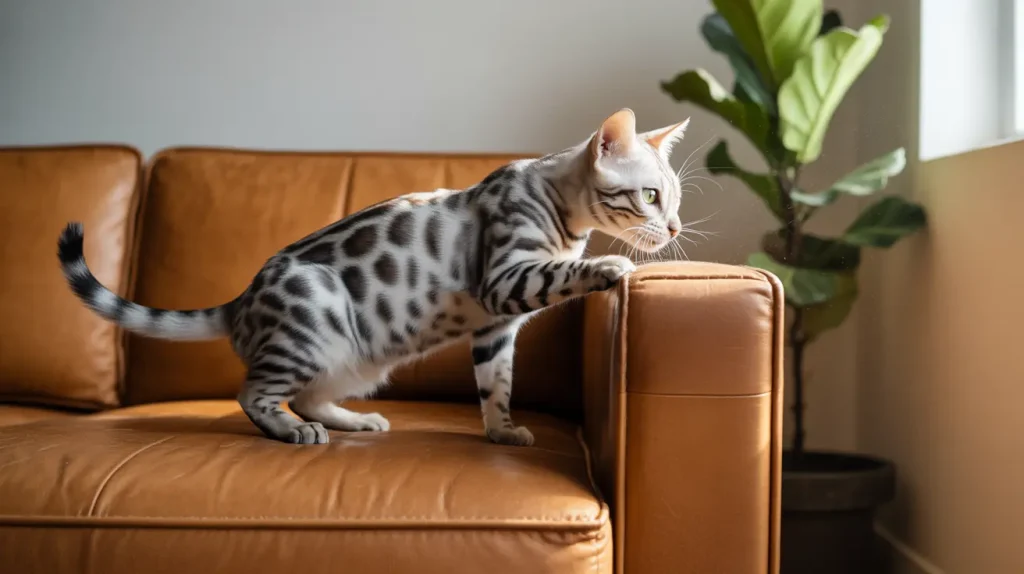
You love your leather furniture, but when your cat leaves an unexpected mess, it can feel like a nightmare. Cat urine on leather isn’t just unpleasant—it can cause stains, odors, and even damage the material if not treated right away.
You might be wondering how to clean it without making things worse. The good news? You can fix this, and your leather can look and smell fresh again. Keep reading, and you’ll discover simple, effective steps to get cat urine out of leather quickly and safely.
Your furniture—and your nose—will thank you.
Credit: www.petscare.com
Causes Of Cat Urine On Leather
Cat urine on leather can be frustrating and hard to clean. Understanding why cats urinate on leather helps prevent future accidents. Some reasons are linked to the cat’s behavior and health. Others depend on the type of leather and how it reacts to odors.
Why Cats Urinate On Leather
Cats may urinate on leather due to stress or anxiety. Changes in their environment can cause them to mark territory. Cats also use urine to communicate with other animals.
Some cats have medical issues like urinary tract infections. This causes them to urinate outside the litter box. Leather furniture often smells strong to cats. It may attract them to mark it.
Types Of Leather Affected
Not all leather reacts the same to cat urine. Aniline leather absorbs liquids deeply, making stains harder to remove. Semi-aniline leather has a protective coating. It resists urine better but still can get damaged.
Corrected leather is treated to hide imperfections and resists stains well. Bonded leather, made from scraps, absorbs urine quickly. It damages easily and retains odors.
- Aniline leather: Very absorbent, stains quickly
- Semi-aniline leather: Moderate protection, some absorption
- Corrected leather: Strong protection, less absorbent
- Bonded leather: Poor protection, absorbs urine fast
Immediate Steps To Take
Act fast to stop cat urine from soaking into leather. Quick action helps protect the leather and prevents lasting damage. Follow these immediate steps to clean the area and reduce odors.
Blotting The Urine
Use a clean, dry cloth or paper towel to blot the urine. Press gently to absorb as much liquid as possible. Avoid rubbing, which can spread the stain and push urine deeper. Change cloths often to keep soaking up moisture. Continue until no more urine transfers to the cloth.
Avoiding Common Mistakes
- Do not use water right away; it can make the stain worse.
- Avoid harsh cleaners that damage leather’s surface.
- Never rub or scrub, which can harm the leather texture.
- Do not let urine sit; longer contact causes permanent stains.
- Skip heat sources like hair dryers; they dry urine inside, making odor worse.
Cleaning Solutions For Leather
Cleaning cat urine from leather can be challenging. It’s important to use the right solutions to avoid damage. Leather requires gentle care to maintain its texture and appearance. Below, we explore different cleaning solutions for leather.
Homemade Remedies
Homemade solutions can be effective for cleaning leather. Try using a mixture of water and white vinegar. Mix equal parts in a bowl. Dampen a cloth with the solution. Gently blot the stained area. Avoid rubbing hard. It may damage the leather.
Baking soda is another option. Sprinkle a little on the stained area. Let it sit overnight. It will absorb the odor. Wipe it off with a damp cloth. Always test these remedies on a hidden area first.
Commercial Leather Cleaners
Commercial cleaners are designed for leather care. They can be more effective. Look for products labeled safe for leather. Follow the instructions carefully. Apply with a soft cloth. Gently rub the stained area. These cleaners help maintain the leather’s quality.
Some products also condition the leather. This keeps it soft and supple. Check for any harsh chemicals. They might harm your leather. Always choose trusted brands.

Credit: www.visapoint.travel
Step-by-step Cleaning Process
Cleaning cat urine from leather requires careful attention to protect the material. Follow a clear process to remove stains and odors effectively. Acting quickly helps prevent permanent damage.
This step-by-step guide covers applying cleaner, removing odors, and drying with conditioning. Each part ensures your leather stays clean and soft.
Applying The Cleaner
Start by blotting the urine with a clean cloth. Do not rub, to avoid spreading the stain. Use a leather-safe cleaner or a mix of mild soap and water. Dampen a soft cloth with the cleaner and gently wipe the stained area. Work in small circles to lift the urine from the leather. Avoid soaking the leather, as too much moisture can cause damage. After cleaning, use a dry cloth to remove any excess liquid.
Removing Odors
Odor removal is key to stopping your cat from returning to the same spot. Use a leather-safe enzymatic cleaner designed to break down urine molecules. Apply it according to the product instructions. Let it sit for the recommended time to neutralize smells. Avoid harsh chemicals like bleach or ammonia, which can harm leather. Fresh air helps too. Open windows or use a fan to speed up odor removal.
Drying And Conditioning
Allow the leather to dry naturally at room temperature. Keep it away from direct heat or sunlight, which may cause cracking. Once dry, apply a leather conditioner to restore moisture. Use a soft cloth and apply conditioner evenly over the area. Conditioning keeps leather soft and prevents stiffness. Repeat this process regularly to maintain your leather’s look and feel.
Dealing With Stubborn Stains
Stubborn cat urine stains on leather can be tough to remove. These stains often soak deep into the material, causing odors and discoloration. Treating them quickly helps protect your leather and keeps it looking good.
Simple cleaning may not work well on old or strong stains. Special methods and products can help break down the urine and its smell. Proper care restores your leather without damage.
Using Enzyme Cleaners
Enzyme cleaners break down urine proteins and neutralize odors. They work better than regular soaps or detergents. Choose a cleaner made for pet stains and safe for leather.
- Test the cleaner on a small leather area first.
- Apply it gently with a soft cloth or sponge.
- Let it sit for 10 to 15 minutes to work deeply.
- Wipe away with a damp cloth and dry immediately.
- Repeat if needed, but avoid soaking the leather.
Enzyme cleaners not only remove stains but stop pets from returning to the same spot.
Professional Cleaning Options
Professional leather cleaners have tools and products that are not available to consumers. They can treat deep stains without harming the leather. Experts also repair any damage caused by urine.
Consider professional cleaning when:
- Stains are large or very old.
- Odor remains after home cleaning.
- You want to protect expensive or delicate leather items.
Professionals ensure your leather looks fresh and lasts longer. This option saves time and effort while giving better results.
Preventing Future Incidents
Preventing future cat urine stains on leather saves time and protects your furniture. Cats may urinate outside the litter box for many reasons. Understanding these reasons helps stop repeat accidents. Teaching your cat good habits and caring for your leather properly makes a big difference.
Training Your Cat
Training your cat to use the litter box is key. Keep the box clean and in a quiet spot. Place it away from food and water bowls. Reward your cat with treats or praise after using the box.
Watch for signs your cat needs the box. Gently guide your cat there when you see these signs. Avoid punishment; it can cause stress and more accidents. If problems continue, check with a vet for health issues.
Protective Leather Care Tips
Protect your leather to reduce damage from accidents. Use a leather conditioner regularly to keep the surface strong. It creates a barrier against moisture and stains.
Cover leather furniture with washable throws or slipcovers. This adds a layer of protection. Clean spills immediately using a soft cloth and mild soap. Avoid harsh chemicals that can damage leather.
- Keep leather away from direct sunlight to prevent drying.
- Use pet-safe sprays that deter cats from certain areas.
- Trim your cat’s nails to reduce scratching damage.

Credit: enviro-clean.co.uk
Frequently Asked Questions
How Can I Remove Cat Urine From Leather Furniture?
Blot the urine immediately with a clean cloth. Use a leather cleaner mixed with water. Gently scrub and wipe dry. Avoid harsh chemicals to prevent damage. Repeat if needed and condition the leather afterward.
What Household Products Are Safe For Cleaning Leather Urine Stains?
Mild soap and water or a vinegar-water solution work well. Avoid bleach, ammonia, or alcohol-based cleaners. These can discolor or damage leather. Always test on a small area first to ensure safety.
How Do I Neutralize Cat Urine Odor On Leather?
Apply a mixture of equal parts water and white vinegar. Let it sit for 10 minutes, then blot dry. Use a leather-safe odor neutralizer or enzymatic cleaner for persistent smells. Proper ventilation helps odors fade faster.
Can I Use Enzymatic Cleaners On Leather For Urine Stains?
Yes, enzymatic cleaners break down urine proteins effectively. Choose a product labeled safe for leather. Test on a hidden spot first. Follow instructions carefully to avoid leather damage.
Conclusion
Cleaning cat urine from leather takes patience and care. Act quickly to prevent stains and smells. Use gentle cleaners made for leather to avoid damage. Always test on a small spot first. Dry the area naturally, away from heat. Repeat cleaning if the smell stays.
Regular maintenance helps keep leather fresh. Your efforts protect your furniture and home. Small steps make a big difference in odor removal. Keep your leather looking and smelling its best.

Lily Purrington is the founder of MyKittyPicks.com, a cozy corner of the web dedicated to helping cat lovers discover the best cat products, furniture, toys, and home decor ideas.
A lifelong cat enthusiast, Lily shares trusted tips, honest product recommendations, and stylish inspiration designed to keep kitties happy and homes beautiful.
Her mission is simple: to bring together practical advice and purr-fect picks that make life better for cats and the people who love them.


