
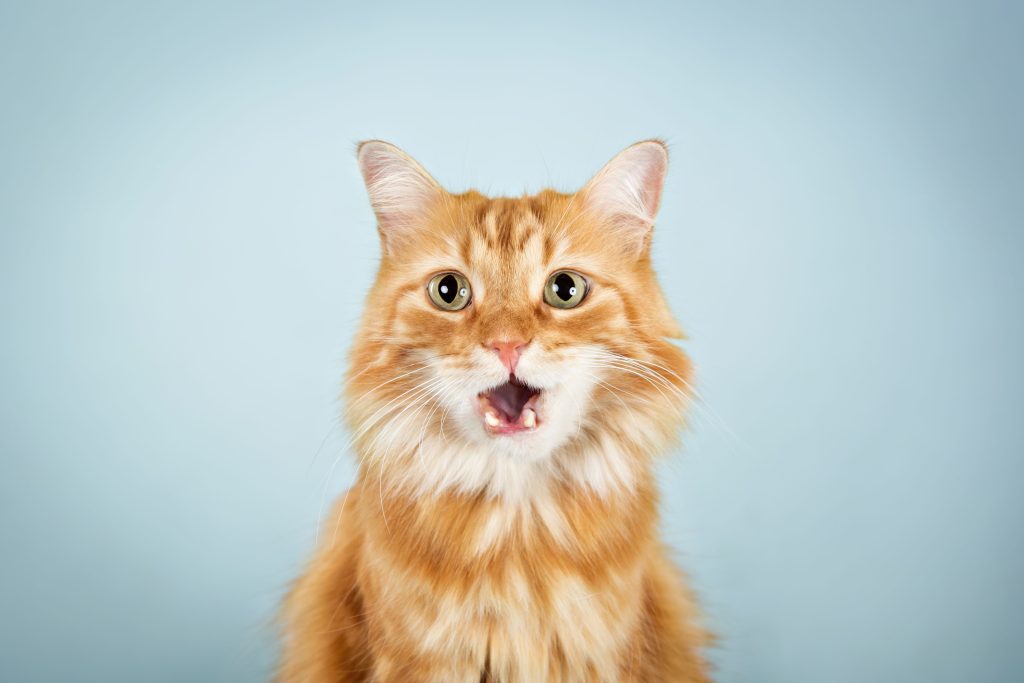
Have you ever wondered why orange cats seem to have such unique personalities? If you’ve spent time around these sunny-colored felines, you might have noticed their playful antics, curious nature, or even their special way of showing affection.
Understanding orange cat behavior can help you connect with your furry friend on a deeper level. You’ll discover the surprising traits that make orange cats stand out and learn how to better care for and enjoy your vibrant companion. Keep reading—you’re about to unlock the secrets behind those charming orange whiskers!
Common Traits Of Orange Cats
Orange cats are known for their unique and charming traits. Their behavior often reflects their bright coat color. These cats can be friendly, playful, and full of life. Understanding their common traits helps owners bond better with their pets.
Temperament And Personality
Orange cats tend to be affectionate and loving. They often enjoy human company and seek attention. Many show a calm and gentle nature. Some can be quite vocal, expressing their needs clearly. They usually adapt well to family life and children.
Social Behavior
These cats often like social interactions. They may get along well with other pets. Orange cats can be curious and enjoy exploring their environment. They often follow their owners around the house. Their friendly nature makes them good companions.
Activity Levels
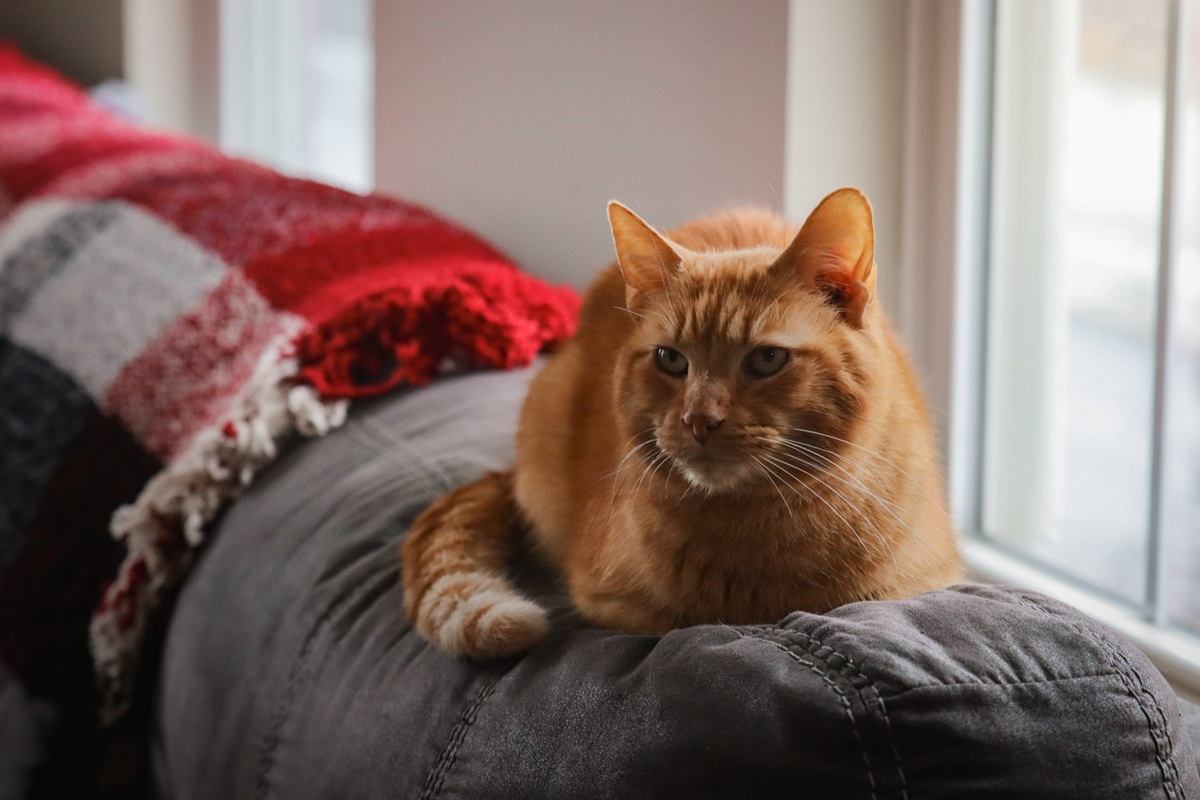
Orange cats have moderate energy levels. They enjoy playtime but also love resting. Many like chasing toys and climbing. They need regular mental and physical stimulation. Balanced activity helps keep them healthy and happy.
Credit: cats.com
Unique Habits Of Orange Cats
Orange cats have habits that make them stand out from other cats. Their unique behavior shows in how they play, communicate, and show love. Understanding these traits helps owners connect better with their orange feline friends.
Playfulness And Curiosity
Orange cats love to explore their environment. They enjoy chasing toys and investigating new objects. Their playful nature keeps them active and entertained. Curiosity often leads them to unexpected places in the house.
Communication Styles
These cats use a variety of sounds to express themselves. They might purr loudly or meow with different tones. Body language, like tail flicks and ear positions, also plays a key role. Orange cats often seek attention through vocal cues.
Affection Patterns
Orange cats show love in gentle and warm ways. They often sit close or curl up on laps. Many enjoy being petted and will nuzzle their owners. Their affectionate nature builds strong bonds with people around them.
Orange Cats And Their Intelligence
Orange cats often show playful and curious behavior, making them seem smart and alert. Their friendly nature helps them learn new things quickly and enjoy exploring their surroundings.
Orange Cats and Their Intelligence Orange cats are often adored for their striking color and charming personalities. Yet, there is more to these felines than meets the eye. Their intelligence is a fascinating aspect that captivates many cat enthusiasts.Problem-solving Skills
Orange cats are known for their exceptional problem-solving skills. They can open doors, find hidden treats, and navigate complex environments with ease. If you’ve ever watched your orange cat figure out how to open a cabinet, you know just how clever they can be. These cats often enjoy puzzle toys that challenge their minds. Providing them with engaging activities can keep them stimulated and happy. Have you noticed your orange cat solving problems in unexpected ways?Learning Abilities
The learning abilities of orange cats are equally impressive. They quickly pick up on commands, tricks, and routines. Training an orange cat to sit or fetch is not only possible but often quite rewarding. A consistent routine can enhance their learning. Using positive reinforcement with treats or affection can encourage their progress. What new trick will you teach your orange cat today? Understanding the intelligence of orange cats can deepen your relationship with them. Their cleverness adds to their charm, making them delightful companions. Have you experienced the wit of an orange cat in your life?Health And Behavior Links
Understanding the connection between your orange cat’s health and behavior can give you valuable clues about their well-being. Changes in mood or actions might be more than just personality quirks; they can signal underlying health issues. Paying close attention to these signs helps you act quickly and keep your furry friend happy and healthy.
Common Health Issues
Orange cats, like all felines, can face health challenges that affect their behavior. Some common problems include:
- Dental disease:Pain from tooth problems can make your cat irritable or withdrawn.
- Hyperthyroidism:This condition often causes increased activity or restlessness.
- Obesity:Overweight cats may become less playful and more lethargic.
- Urinary tract infections:These can lead to frequent litter box visits and signs of discomfort.
Have you noticed your orange cat acting differently after a vet visit? Sometimes early signs slip under the radar but show up clearly in behavior.
Impact On Behavior
Health problems often directly change how your cat behaves. For example, a normally social orange cat might suddenly hide or hiss if in pain.
Behavior shifts can also be subtle. Your cat might groom less or lose interest in play because something feels off physically.
Watching these changes gives you a chance to catch illnesses early. Don’t ignore small signs like decreased appetite or unusual aggression—they could be cries for help.
Myths And Facts About Orange Cats
Orange cats have a special place in many pet lovers’ hearts. Their bright coats and playful nature spark many stories. Some stories are true. Others are just myths. Separating fact from fiction helps us understand these cats better. It also helps owners care for them in the best way.
Color And Gender Myths
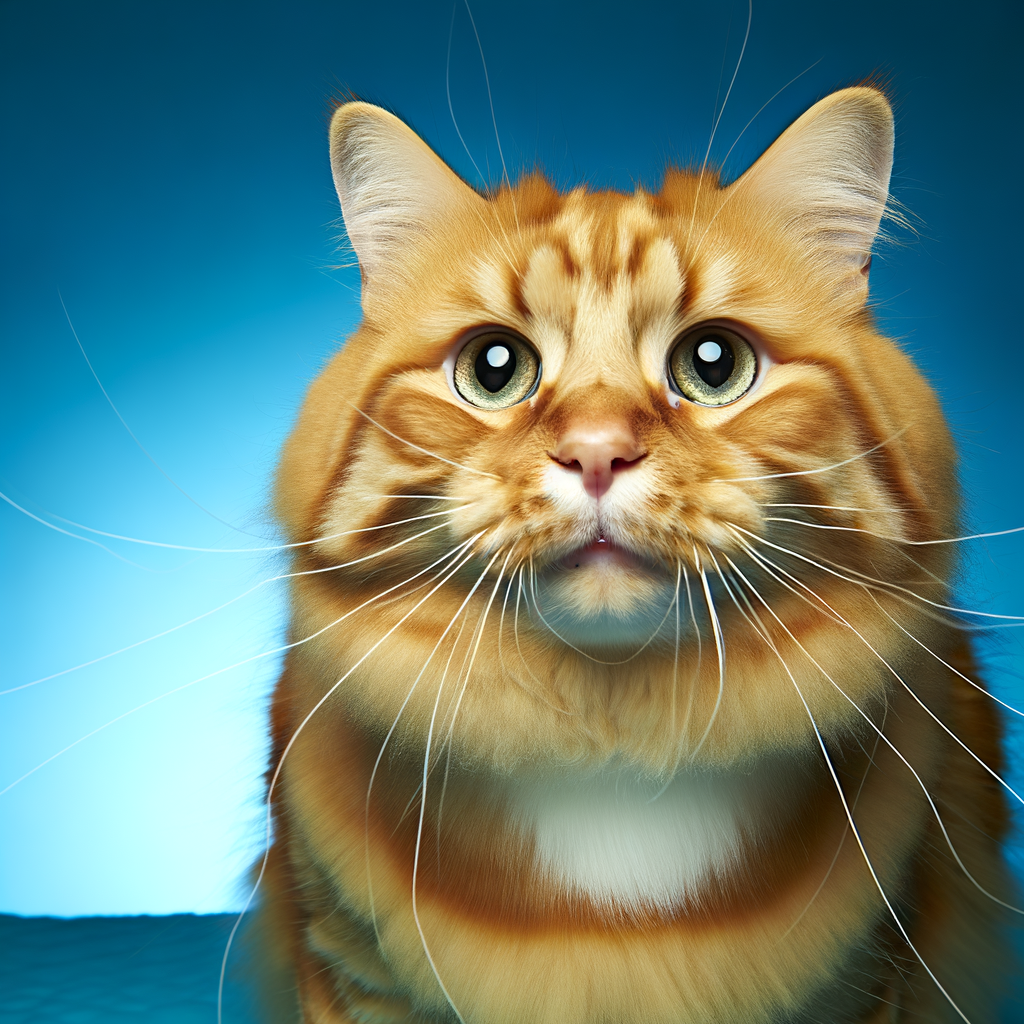
Many believe orange cats are mostly male. This is mostly true. About 80% of orange cats are male due to genetics. But female orange cats do exist. Another myth says all orange cats have the same personality. Color does not decide a cat’s character. Each cat is unique, regardless of coat color.
Behavioral Stereotypes
Orange cats are often called friendly and outgoing. Many owners report their orange cats are social and loving. Yet, some orange cats can be shy or independent. Behavior depends on upbringing, environment, and genetics. Not every orange cat fits the stereotype. Treat each cat as an individual, not a label.
Credit: greatergood.com
Tips For Living With An Orange Cat
Living with an orange cat can be a joyful experience, but understanding their unique behavior helps you create a happy home for both of you. Orange cats are often known for their lively and affectionate personalities, but they also need guidance and stimulation to thrive. Here are practical tips to help you train, engage, and bond with your vibrant feline friend.
Training Techniques
Orange cats respond well to positive reinforcement. Use treats and praise to encourage good behavior, like using the litter box or scratching posts.
Keep training sessions short and consistent. Cats have short attention spans, so five-minute sessions work best.
Try clicker training to mark desired actions clearly. This can speed up learning and make the process fun for your cat.
Enrichment Ideas
Orange cats are curious and energetic. Provide toys that challenge their hunting instincts, such as feather wands or laser pointers.
- Rotate toys regularly to keep their interest high.
- Create a vertical space with cat trees or shelves for climbing.
- Offer puzzle feeders to stimulate their mind during mealtime.
Have you noticed your cat’s behavior change when they get bored? Adding new activities can make a big difference in their mood and health.
Building A Strong Bond
Spend quality time with your orange cat every day. Gentle petting and talking to them builds trust and comfort.
Respect their mood—sometimes they want affection, other times they need space. Observing these cues strengthens your relationship.
Try engaging in interactive play before bedtime. It helps release energy and promotes better sleep for both of you.

Credit: m.youtube.com
Frequently Asked Questions
What Are Common Traits Of Orange Cat Behavior?
Orange cats are often friendly, social, and affectionate. They tend to be playful and curious, showing strong bonds with their owners. These cats are also known for their confidence and vocal nature, making them engaging and interactive pets.
Why Do Orange Cats Seem More Affectionate?
Orange cats often have a genetic predisposition toward sociability. Their friendly nature leads to frequent seeking of attention and cuddling. This affectionate behavior makes them popular among cat lovers, as they easily form close connections with humans.
How Do Orange Cats Communicate With Their Owners?
Orange cats use vocalizations, body language, and purring to express feelings. They often meow to seek attention or indicate needs. Tail position and ear movements also reveal their mood, helping owners understand their emotions clearly.
Are Orange Cats More Playful Than Other Cats?
Yes, orange cats are typically energetic and playful. They enjoy interactive toys and games that stimulate their curiosity. Their playful behavior helps them stay active and mentally engaged, contributing to their overall well-being.
Conclusion
Orange cats have unique and friendly behaviors to enjoy. They often show affection and curiosity. Their playful nature makes them great companions. Understanding their habits helps build a strong bond. Each orange cat has its own personality. Watching them closely reveals their special traits.
Caring for them with love brings happiness. Orange cat behavior adds joy to any home. Keep learning about these charming pets every day.

Lily Purrington is the founder of MyKittyPicks.com, a cozy corner of the web dedicated to helping cat lovers discover the best cat products, furniture, toys, and home decor ideas.
A lifelong cat enthusiast, Lily shares trusted tips, honest product recommendations, and stylish inspiration designed to keep kitties happy and homes beautiful.
Her mission is simple: to bring together practical advice and purr-fect picks that make life better for cats and the people who love them.


