
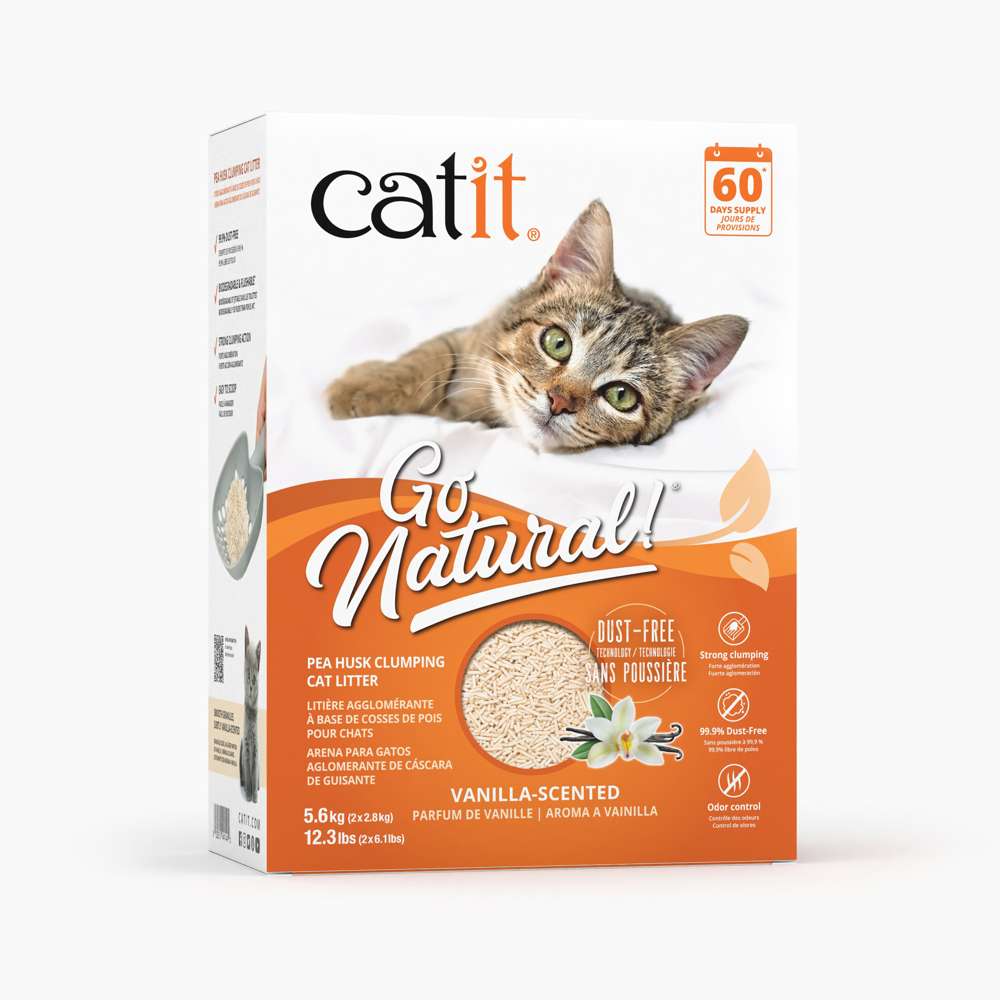
Have you ever wondered what a cat litter really is and why it matters so much to your feline friend’s happiness? If you have a cat, choosing the right litter isn’t just a small detail—it can make a big difference in your home’s cleanliness and your pet’s comfort.
You’ll discover exactly what cat litter is, how it works, and why picking the right type can save you time, money, and frustration. Keep reading, because understanding this simple product will change the way you care for your cat every day.

Credit: catit.us
Types Of Cat Litter
Choosing the right type of cat litter is key to keeping your home fresh and your cat happy. Different litters work better for different cats and owners, depending on factors like odor control, dust levels, and environmental impact. Here’s a breakdown of the main types to help you decide what fits your needs.
Clumping Clay Litter
Clumping clay litter is made from bentonite clay, which forms solid clumps when it contacts moisture. This makes cleaning easier because you can scoop out just the clumps, leaving the rest of the litter intact.
Many cat owners prefer this type because it controls odor well and simplifies daily maintenance. However, it can create dust and is not biodegradable, so it might not suit sensitive cats or eco-conscious households.
Non-clumping Clay Litter
Non-clumping clay litter absorbs moisture but doesn’t form solid clumps. It tends to be less expensive but requires more frequent complete litter changes to prevent odor buildup.
Some cats prefer this texture, and it produces less dust compared to clumping clay litter. The downside is it’s less convenient for scooping and still isn’t environmentally friendly.
Silica Gel Litter
Silica gel litter consists of tiny crystals that absorb moisture and trap odors effectively. This type usually lasts longer between changes, which can save time and effort.
It’s low dust and controls odor well, but some cats dislike the texture, and it can be more expensive than clay options. Have you noticed your cat’s preference for softer or harder litter textures?
Biodegradable Litter
Biodegradable litters are made from natural materials like corn, wheat, pine, or recycled paper. These litters break down naturally, making them a great choice if you want to reduce your environmental impact.
They vary in clumping ability and odor control, so you might need to try a few to find what works best for your cat. Plus, they often produce less dust and are generally safer if your cat tends to nibble on litter.
Factors To Consider When Choosing
Choosing the right cat litter isn’t just about picking a brand off the shelf. You need to think about several important factors that affect both your cat’s comfort and your daily routine. Understanding what matters most can save you time, money, and keep your home smelling fresh.
Odor Control
Odor control is a top priority for many cat owners. Some litters have strong scents that mask smells, while others use natural materials to neutralize odors. Have you noticed how certain litters keep your home fresher longer? That’s the difference good odor control makes.
Dust Levels
Dust can be more than an annoyance—it can affect your cat’s respiratory health and create messes around the house. Low-dust litters help keep the air clean and reduce tracking outside the box. If your cat sneezes or coughs near the litter, dust level might be the first thing to check.
Absorbency
How well a litter absorbs moisture directly impacts how often you need to change it. High absorbency means clumps form quickly, making scooping easier and keeping the box dryer. Think about your schedule—would a highly absorbent litter make cleaning less of a chore for you?
Ease Of Cleaning
Some litters clump tightly, while others can be crumbly or stick to the box. A litter that cleans easily saves you effort and keeps the box hygienic. If you find yourself scrubbing more than scooping, it might be time to try a different type.
Environmental Impact
More cat owners are asking if their litter is eco-friendly. Biodegradable litters made from natural materials break down faster and reduce landfill waste. Could switching to a greener option make a positive difference for your household and the planet?
Cost
Cost is often the deciding factor but shouldn’t be the only one. A cheaper litter might need more frequent changes, adding up over time. Consider your budget alongside how long the litter lasts and how it fits your cat’s needs.
Health And Safety Aspects
Cat litter helps keep your home clean by absorbing waste and reducing odors. Proper use prevents bacteria spread and protects your pet’s health. Choosing safe litter materials is key for a healthy environment.
Understanding the health and safety aspects of cat litter is crucial for both your feline friend and your household. The type of litter you choose can influence not just your cat’s well-being, but also the overall health environment in your home. It’s important to be aware of potential allergies, toxicity, and respiratory concerns when selecting the right cat litter.Allergies And Sensitivities
Cats, like humans, can develop allergies to certain substances. Some litters contain perfumes or chemicals that might trigger allergic reactions in sensitive cats. If you notice your cat sneezing or scratching more than usual, it might be time to consider switching to an unscented or hypoallergenic option. Have you ever considered how the dust from clay-based litters can irritate both your cat’s and your own respiratory system? Opting for a low-dust variety could make a significant difference.Toxicity Concerns
Some cat litters contain ingredients that can be toxic if ingested. Clumping litters, for instance, often contain sodium bentonite, which can cause serious health issues if your cat ingests it. Be cautious if you have a young kitten or a cat that likes to chew on things. Choosing a natural litter made from corn or wheat could be a safer option. Isn’t peace of mind worth choosing a litter that aligns with your values regarding safety and health?Impact On Respiratory Health
The dust from certain litters can pose a risk to your and your cat’s respiratory health. Cats with asthma or other respiratory conditions might struggle with dust-heavy litters. Even for healthy cats, prolonged exposure to dusty environments can lead to respiratory irritation. Why not look for litter specifically labeled as dust-free to help maintain a clean and healthy air quality in your home? Taking this simple step could improve everyone’s breathing comfort.
Credit: www.amazon.com
Tips For Transitioning Between Litters
Switching your cat’s litter can be tricky. Cats are creatures of habit and may resist change. Careful transitioning helps your cat adjust smoothly. This reduces stress and keeps the litter box clean and inviting.
Gradual Mixing
Start by mixing a small amount of new litter with the old one. Slowly increase the new litter’s share over several days. This helps your cat get used to the new texture and smell. Avoid a sudden full change to prevent refusal to use the box.
Monitoring Cat Behavior
Watch your cat closely during the transition. Look for signs like avoiding the box or scratching outside it. Early detection of issues helps you adjust the process. Praise your cat when it uses the box correctly to encourage good habits.
Managing Litter Box Setup
Keep the litter box in the same quiet spot. Ensure it is clean and comfortable. Avoid moving or changing the box itself during the transition. Provide enough litter depth and scoop regularly. This creates a familiar and inviting environment for your cat.
Popular Brands And Products
Choosing the right cat litter can make a huge difference in your daily routine and your cat’s comfort. Popular brands and products offer a variety of options tailored to different needs. Whether you want something that clumps well, is kind to the environment, or fits your budget, there’s a product for you.
Top Rated Clumping Litters
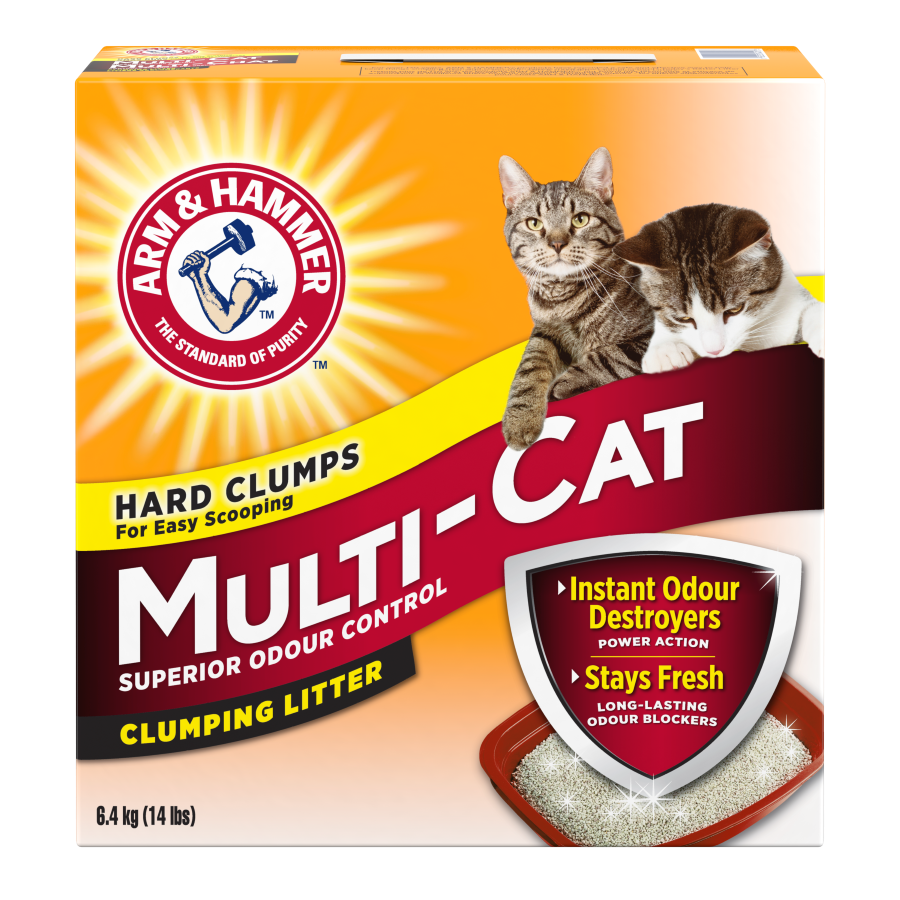
Clumping litters are favorites because they make cleaning easier and help control odors. Brands like Dr. Elsey’sand Arm & Hammerhave earned great reviews for their strong clumping ability and dust-free formulas.
If you want a litter that quickly forms hard clumps for easy scooping, these are worth trying. Many cat owners find that these litters reduce the frequency of complete litter box changes. Have you noticed how less scooping time means more time to spend with your cat?
Best Eco-friendly Options
Eco-conscious cat owners often look for biodegradable or natural litters. World’s Best Cat Litterand Ökocatuse corn, wood, or paper materials that break down naturally.
These litters typically produce less dust and reduce environmental impact. Switching to eco-friendly litter might also improve your home’s air quality, a bonus for sensitive noses. Could a greener litter be the change your home needs?
Budget-friendly Choices
Not every great litter needs to cost a lot. Brands like Fresh Stepand Arm & Hammeroffer affordable options that still perform well.
These litters balance price with odor control and clumping, making them popular among many cat owners. Saving money without compromising on quality can be a relief for your wallet. Have you found a budget litter that surprised you with its performance?
Credit: www.armandhammer.com
Frequently Asked Questions
What Is Cat Litter Made Of?
Cat litter is typically made from clay, silica gel, or natural materials like wood, corn, or paper. Each type absorbs moisture and controls odor differently, providing a clean environment for cats and their owners.
How Does Cat Litter Control Odor?
Cat litter controls odor by absorbing moisture and trapping ammonia from cat urine. Some litters include deodorizing agents or fragrances to keep the litter box smelling fresh longer.
Which Type Of Cat Litter Is Best?
The best cat litter depends on your cat’s preferences and your lifestyle. Clumping clay litter is popular for easy cleaning, while natural litters are eco-friendly and biodegradable.
How Often Should Cat Litter Be Changed?
Cat litter should be scooped daily and fully changed every 1 to 2 weeks. Regular maintenance keeps the litter box hygienic and reduces odors effectively.
Conclusion
Choosing the right cat litter makes a big difference for you and your cat. It keeps your home clean and your cat happy. Different types suit different needs and preferences. Think about what works best for your cat’s comfort and your cleaning ease.
Regular cleaning helps avoid bad smells and keeps your cat healthy. A small effort daily brings a fresh and pleasant home. Cat litter might seem simple, but it plays an important role in your pet’s life and your home’s hygiene.

Lily Purrington is the founder of MyKittyPicks.com, a cozy corner of the web dedicated to helping cat lovers discover the best cat products, furniture, toys, and home decor ideas.
A lifelong cat enthusiast, Lily shares trusted tips, honest product recommendations, and stylish inspiration designed to keep kitties happy and homes beautiful.
Her mission is simple: to bring together practical advice and purr-fect picks that make life better for cats and the people who love them.


