

Have you ever wondered what risks stray cats might bring to your health? While these animals can seem harmless or even charming, they can carry diseases that affect you and your loved ones.
Understanding the potential dangers is key to staying safe. You’ll discover the most common illnesses you can catch from stray cats and learn how to protect yourself. Keep reading—your health might depend on it.
Common Diseases From Stray Cats
Stray cats can carry diseases that spread to humans. It is important to know about these diseases for safety.
Contact with stray cats can cause health risks. Understanding common diseases helps prevent infection.
Cat Scratch Disease
Cat Scratch Disease is an infection from bacteria called Bartonella henselae. It spreads when a cat scratches or bites a person.
Symptoms include swollen lymph nodes, fever, and tiredness. Usually, it is not serious but needs medical care.
Toxoplasmosis
Toxoplasmosis is caused by a parasite named Toxoplasma gondii. Cats spread it through their feces.
People can get sick by touching contaminated soil or cat litter. It may cause flu-like symptoms or no symptoms at all.
Ringworm Infection
Ringworm is a fungal infection, not a worm. It causes red, itchy patches on the skin.
Stray cats often carry ringworm on their fur. The infection spreads by direct contact with the cat.
- Red circular rashes
- Itching and hair loss
- Spreads easily to other people and pets
Rabies Virus
Rabies is a deadly virus that affects the brain. Stray cats can carry and spread rabies through bites.
Symptoms include fever, headache, and confusion. Rabies is fatal if not treated quickly after exposure.
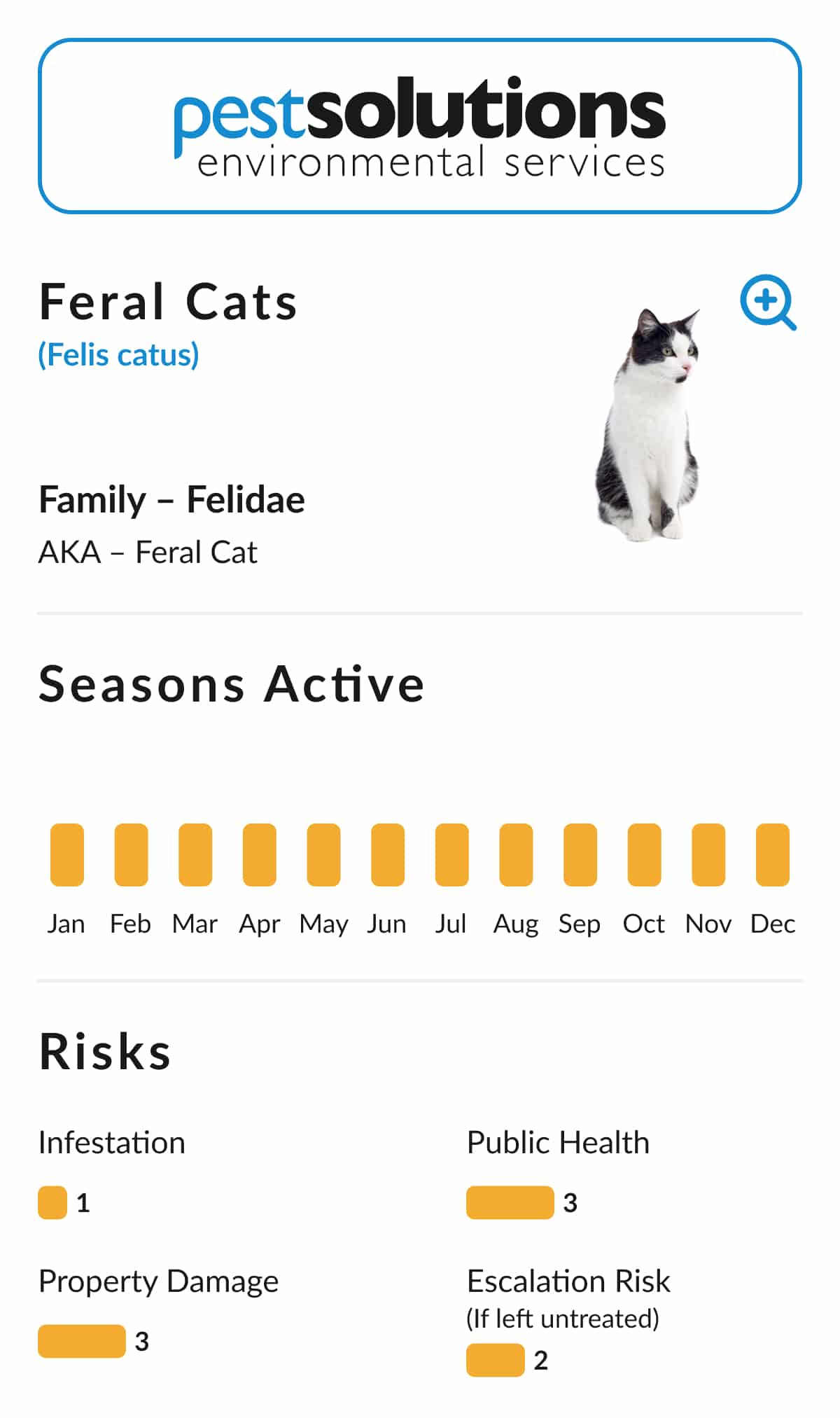
Credit: www.pestsolutions.co.uk
How Diseases Spread From Stray Cats
Stray cats can carry many diseases that spread to humans. These diseases often pass through bites, scratches, or contact with their waste.
Understanding how these diseases spread helps you stay safe around stray cats and protect your health.
Bites And Scratches
Bites and scratches from stray cats can cause infections. The cat’s mouth and claws may carry harmful bacteria and viruses.
- Bartonella henselae causes cat scratch disease.
- Pasteurella bacteria can cause skin infections.
- Rabies virus spreads through bites.
- Tetanus bacteria enter wounds from scratches.
Contact With Feces
Stray cats often leave feces in gardens or sandboxes. Touching or accidentally ingesting this waste can lead to illness.
| Disease | How It Spreads | Symptoms |
| Toxoplasmosis | Contact with cat feces | Fever, muscle pain |
| Roundworms | Soil contaminated by feces | Abdominal pain, cough |
| Hookworms | Skin contact with feces | Itchy rash, anemia |
Fleas And Parasites
Fleas and parasites on stray cats can carry diseases. They move from cats to people by biting or contact.
Common flea and parasite diseases include:
- Plague, spread by infected fleas
- Murine typhus, passed through flea bites
- Tapeworms, caught from flea ingestion
Symptoms To Watch For
Stray cats can carry diseases that affect humans. Knowing the symptoms helps you seek quick treatment.
Watch for signs on your skin, flu-like symptoms, and changes in your nervous system.
Skin Irritations
Stray cats may carry parasites or bacteria causing skin problems. You might get rashes or red bumps.
Common symptoms include itching, swelling, and open sores near scratches or bites.
- Red, itchy patches
- Small bumps or blisters
- Swelling around bite or scratch
- Open wounds that do not heal
Flu-like Signs
You can catch infections causing fever and tiredness from stray cats. These feel like the flu.
Look for chills, muscle aches, and headaches after contact with a stray cat.
- Fever and chills
- Body aches and headaches
- Fatigue and weakness
- Sore throat or cough
Neurological Symptoms
Some diseases from stray cats affect the brain and nerves. These need fast medical care.
You might feel confused, have trouble moving, or notice shaking.
- Confusion or trouble thinking
- Muscle weakness or twitching
- Headaches that get worse
- Seizures or loss of balance
High-risk Groups
Stray cats can carry diseases that may spread to humans. Some groups face higher risks from these infections. Understanding who is more vulnerable helps in taking proper precautions.
This article explains which groups are at greater risk and why they need extra care when near stray cats.
Children And Elderly
Children and elderly people often have weaker immune systems. They may get seriously ill from diseases spread by stray cats. Common infections include ringworm and cat scratch disease.
- Children may touch cats and then put their hands in their mouths.
- Elderly persons may have chronic health problems making infections worse.
- Both groups should avoid direct contact with stray cats.
Immunocompromised Individuals
People with weak immune systems are at high risk. This group includes those with HIV, cancer patients, and organ transplant recipients. They can catch serious diseases from cats like toxoplasmosis and cat scratch fever.
| Disease | Risk to Immunocompromised |
|---|---|
| Toxoplasmosis | Can cause severe brain and eye problems |
| Cat Scratch Disease | May lead to prolonged fever and swollen lymph nodes |
| Ringworm | Skin infection that spreads easily |
Pet Owners And Animal Handlers
People who care for animals or handle stray cats face higher exposure. They can get diseases through scratches, bites, or contact with cat feces. It is important to use protective gear and wash hands well.
- Wear gloves when touching stray cats.
- Clean wounds immediately to prevent infection.
- Keep cats vaccinated and regularly checked by a vet.
- Wash hands after handling cats or cleaning litter boxes.
Preventive Measures
Stray cats can carry diseases that affect humans. It is important to take preventive steps to keep safe.
Learning how to handle stray cats safely can help you avoid health risks. Follow these tips to stay healthy.
Safe Handling Practices
Handle stray cats with care to avoid bites and scratches. These can transmit infections.
- Wear gloves when touching stray cats
- Avoid sudden movements to prevent cat from feeling threatened
- Use a towel to pick up the cat if needed
Vaccinations And Treatments
Vaccinations can protect you and your pets from diseases carried by stray cats. Ensure your pets are up-to-date on their shots.
If you are scratched or bitten, seek medical advice. Early treatment can prevent infections.
Hygiene Tips
Good hygiene helps prevent the spread of diseases. Keep yourself and your environment clean.
- Wash hands thoroughly after handling stray cats
- Clean any wounds with soap and water immediately
- Disinfect surfaces where stray cats have been

Credit: www.reddit.com
When To Seek Medical Help
Stray cats can carry diseases that may harm humans. Knowing when to get medical help is very important.
This guide explains signs and situations to watch for after contact with stray cats.
After A Cat Bite Or Scratch
Bites and scratches from stray cats can cause infections. Clean the wound right away with soap and water.
See a doctor if the wound:
- Is deep or bleeding heavily
- Becomes red, swollen, or warm
- Starts to drain pus or fluid
- Causes severe pain or fever
Persistent Symptoms
Some illnesses from stray cats cause symptoms that last a long time. Watch for these signs.
- Fever that does not go away
- Swollen lymph nodes
- Headache or stiff neck
- Muscle aches or tiredness
- Skin rashes or sores
If you have any of these symptoms, seek medical advice to get a proper diagnosis.
Exposure Concerns
Contact with stray cats can spread diseases like rabies, toxoplasmosis, and cat scratch fever.
Get medical help if you:
- Were bitten or scratched deeply by a stray cat
- Had contact with cat saliva near your eyes or mouth
- Have a weakened immune system and touched a stray cat
- Were exposed to cat feces and feel ill

Credit: justcatsclinic.com
Frequently Asked Questions
What Diseases Can Stray Cats Transmit To Humans?
Stray cats can transmit diseases like toxoplasmosis, cat scratch fever, ringworm, and rabies. These infections spread through bites, scratches, or contact with cat feces. Proper hygiene and avoiding contact with stray cats reduce risks significantly.
How Does Toxoplasmosis Spread From Stray Cats?
Toxoplasmosis spreads through contact with infected cat feces, especially in litter boxes or soil. Stray cats often carry the parasite Toxoplasma gondii. Washing hands after handling cats or soil helps prevent infection.
Can Stray Cats Cause Cat Scratch Disease?
Yes, stray cats can carry Bartonella henselae bacteria causing cat scratch disease. Scratches or bites from infected cats can transmit the bacteria to humans. Cleaning wounds and avoiding stray cat scratches lower infection chances.
Is Rabies Common In Stray Cats?
Stray cats can carry rabies, a deadly virus transmitted through bites. Although less common than in wildlife, rabies in stray cats poses a serious health risk. Vaccination and avoiding bites are essential preventive measures.
Conclusion
Stray cats can carry several diseases that affect humans. Some illnesses spread through bites, scratches, or contact with their waste. Staying cautious around stray cats helps reduce health risks. Always wash your hands after any contact with animals. Seek medical advice if bitten or scratched by a stray cat.
Being informed keeps you and your family safe. Taking simple steps can prevent many infections. Respect animals but protect your health first.

Lily Purrington is the founder of MyKittyPicks.com, a cozy corner of the web dedicated to helping cat lovers discover the best cat products, furniture, toys, and home decor ideas.
A lifelong cat enthusiast, Lily shares trusted tips, honest product recommendations, and stylish inspiration designed to keep kitties happy and homes beautiful.
Her mission is simple: to bring together practical advice and purr-fect picks that make life better for cats and the people who love them.


