

Have you ever wondered if the cat hair floating around your home could be more than just a nuisance? You might be surprised to learn that those tiny strands could affect your health in ways you never expected.
If you’re a cat owner or thinking about becoming one, it’s important to know the facts about cat hair and the risks it might carry. Keep reading to discover how cat hair can impact your well-being—and what simple steps you can take to protect yourself and your loved ones.
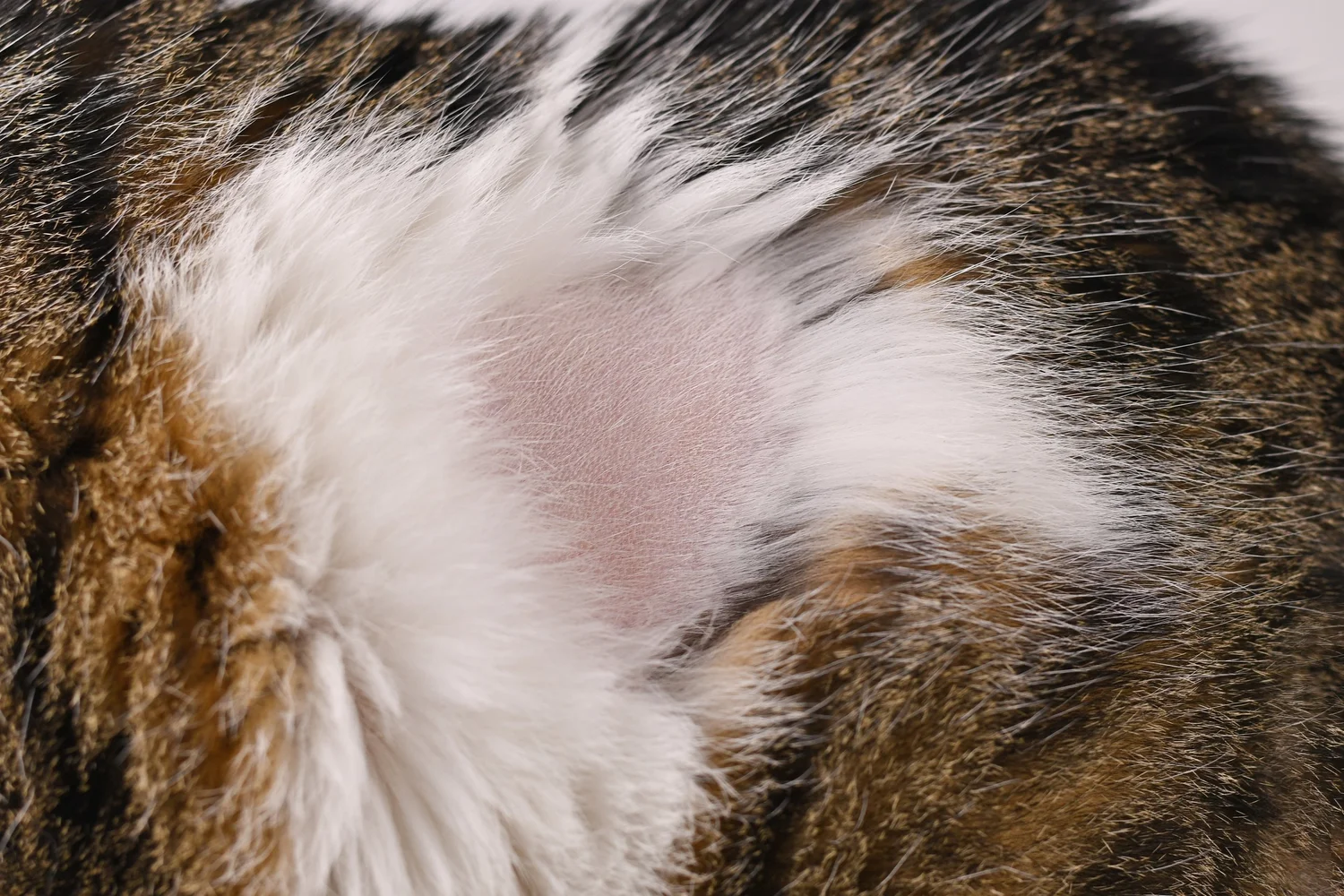
Credit: www.animalcareclinicjc.com
Cat Hair And Allergies
Many people love cats but worry about allergies. Cat hair can cause allergic reactions in some individuals.
Allergies linked to cats come from proteins on their hair and skin. These proteins spread through shedding and dander.
Common Allergic Reactions
Cat hair can cause several allergic reactions. These reactions happen when the immune system reacts to cat proteins.
- Sneezing and runny nose
- Itchy, watery eyes
- Coughing and wheezing
- Skin rashes or hives
- Asthma attacks in some cases
Symptoms Triggered By Cat Hair
Symptoms can appear soon after exposure to cat hair or dander. They often affect the nose, eyes, and skin.
Breathing problems may happen if allergens enter the lungs. Symptoms may be mild or severe depending on the person.
- Sneezing and congestion
- Red, itchy eyes
- Hives or skin irritation
- Shortness of breath or wheezing
- Chest tightness or coughing
Who Is Most At Risk
People with allergies or asthma are most at risk from cat hair. Children and older adults may also be more sensitive.
Those who live with cats or visit homes with cats often face higher exposure. People with weak immune systems may react strongly.
- People with a history of allergies
- Asthma patients
- Young children and elderly
- Those living with cats
- People with weakened immune systems
Bacterial Infections Linked To Cat Hair
Cat hair can carry bacteria that cause infections in humans. These bacteria live on the fur and skin of cats. People who touch or pet cats may come into contact with these germs.
Understanding the types of bacteria and how they spread helps to prevent illness. Good hygiene and care lower the risk of infection from cat hair.
Types Of Bacteria Found On Cat Fur
Several types of bacteria can be found on cat fur. Some are harmless, but others may cause health problems for people. The most common bacteria include:
- Staphylococcus aureus:Can cause skin infections and wounds.
- Pasteurella multocida:Linked to bite and scratch infections.
- Clostridium tetani:Causes tetanus if it enters wounds.
- Salmonella:May cause food poisoning and digestive illness.
How Bacteria Spread To Humans
Bacteria from cat hair can transfer to humans in different ways. These include direct contact, scratches, and bites. Germs can also spread when touching cat fur and then touching the face or mouth.
| Method of Spread | Explanation |
| Scratches and Bites | Bacteria enter through broken skin causing infections. |
| Direct Contact | Touching cat fur can transfer bacteria to hands. |
| Touching Face | Bacteria enter through eyes, nose, or mouth. |
| Contaminated Surfaces | Bacteria on fur can spread to furniture or clothing. |
Preventing Infection From Cat Hair
Preventing infection means limiting contact with bacteria on cat hair. Simple steps can reduce the risk of illness for cat owners and others.
- Wash hands after petting cats.
- Keep cats clean with regular grooming.
- Avoid touching your face after contact with cats.
- Clean scratches or bites with soap and water immediately.
- Seek medical help for deep wounds or signs of infection.
Parasites And Cat Hair
Cat hair can carry parasites that affect human health. These parasites can cling to the fur and spread easily.
Understanding the parasites and risks helps keep you and your pets safe from disease.
Common Parasites Transmitted By Cats
Cats can carry several parasites that may spread through their hair. These include:
- Toxoplasma gondii – a parasite that causes toxoplasmosis
- Fleas – insects that bite and irritate skin
- Roundworms – worms that can infect humans
- Hookworms – parasites that can enter through the skin
- Cat mites – tiny bugs causing itching and skin problems
Risks Of Parasite Exposure
Parasites on cat hair can cause health risks, especially for children and people with weak immune systems.
| Risk | Details |
| Allergic Reactions | Parasites may trigger skin rashes and itching. |
| Infections | Parasites can cause diseases like toxoplasmosis and worm infections. |
| Transmission | Parasites spread through contact with cat fur or contaminated areas. |
Signs Of Parasite-related Illness
Watch for these signs if you have been exposed to parasites from cat hair:
- Itchy skin or rash
- Unusual tiredness or weakness
- Digestive problems like diarrhea
- Fever and muscle pain
- Swollen lymph nodes
Respiratory Issues Caused By Cat Hair
Cat hair can carry tiny particles called allergens. These allergens can harm the lungs and breathing. Many people worry about how cat hair affects respiratory health.
Understanding the risks helps people manage their health better around cats. Some conditions get worse because of cat hair and its allergens.
Asthma And Cat Hair
Cat hair can trigger asthma attacks in people who have asthma. The tiny proteins in cat hair cause the airways to swell and tighten. This makes it hard to breathe.
Asthma symptoms from cat hair include coughing, wheezing, and shortness of breath. Avoiding contact with cat hair can help reduce these attacks.
Chronic Respiratory Conditions
Long-term exposure to cat hair allergens may worsen chronic respiratory problems. These include bronchitis and chronic obstructive pulmonary disease (COPD).
| Condition | Effect of Cat Hair |
| Bronchitis | Increases mucus and coughing |
| COPD | Worsens breathing difficulties |
| Asthma | Triggers airway inflammation |
Managing Respiratory Risks
People can take simple steps to lower risks from cat hair. These actions help keep the air clean and reduce allergens indoors.
- Brush your cat regularly outside the home
- Use air purifiers to remove allergens
- Clean floors and furniture often
- Keep cats out of bedrooms and sleeping areas
- Wash hands after touching cats
Cat Hair And Skin Problems
Cat hair can sometimes cause skin problems for people. Some people may get itchy or red skin after touching cat hair.
It is important to know how cat hair affects the skin and what can be done to reduce problems.
Contact Dermatitis And Irritation
Contact dermatitis happens when the skin reacts to cat hair or dander. The skin may become red, itchy, or swollen.
People with sensitive skin or allergies often have more irritation from cat hair. Scratching can make the skin worse.
Fungal Infections From Cat Hair
Cat hair can carry fungi that cause infections on the skin. One common infection is ringworm, which is not a worm but a fungus.
Fungal infections cause round, itchy patches on the skin. They can spread if not treated early.
Treatment Options
Treat skin problems caused by cat hair by cleaning the skin and avoiding scratching. Use creams or medicines if needed.
- Wash skin gently with soap and water
- Apply antifungal creams for infections
- Use moisturizers to reduce dryness
- Keep nails trimmed to avoid skin damage
- Consult a doctor if symptoms get worse
Reducing Health Risks From Cat Hair
Cat hair can be a concern for health, especially for sensitive individuals. Reducing risks involves simple steps.
Understanding and applying effective cleaning and grooming practices are key to maintaining a healthy environment.
Effective Cleaning Practices
Regular cleaning helps reduce cat hair in your home. This keeps allergens low and air quality high.
- Vacuum carpets and furniture weekly
- Use a lint roller on clothing and surfaces
- Wash pet bedding frequently
Grooming Tips For Cats
Grooming your cat minimizes shedding and keeps their coat healthy. It also reduces the amount of hair in your home.
Brush your cat regularly to remove loose hair. This keeps both your cat and home cleaner.
Protective Measures For Sensitive Individuals
Those with allergies can take extra steps to reduce exposure to cat hair. Simple changes can improve comfort.
Consider using air purifiers to capture hair and dander. This helps maintain clean air in your home.
| Protective Measure | Benefit |
| Air Purifiers | Improves air quality |
| Hypoallergenic Bedding | Reduces allergens |
| HEPA Filters | Captures fine particles |
When To Seek Medical Help
Cat hair is everywhere if you have a furry friend. It can sometimes cause allergies and other problems. Knowing when to see a doctor is important.
Not all symptoms are serious, but some need medical attention. Let’s explore when to visit a healthcare professional.
Recognizing Serious Symptoms
Some symptoms might need a doctor’s visit. If you have trouble breathing, it could be serious. Pay attention to signs that don’t go away.
Watch for these symptoms if you are around cats often. Don’t ignore them if they persist.
- Severe itching or rash
- Persistent cough
- Difficulty breathing
- Swelling of the face or throat
Consulting Healthcare Professionals
Doctors can help if you have symptoms from cat hair. They can check for allergies or other issues. It’s better to be safe than sorry.
Doctors can suggest tests or treatments. They are trained to help with these issues.
- Allergy tests
- Prescribed medications
- Advice on reducing exposure
Preventive Checkups
Regular checkups can help catch problems early. Doctors can offer advice on living with cats safely. It’s helpful for long-term health.
These checkups are not just for when you’re sick. They can prevent issues before they start.
- Yearly health exams
- Discussing any new symptoms
- Getting updated on vaccines

Credit: www.reddit.com

Credit: www.reddit.com
Frequently Asked Questions
Can Cat Hair Cause Allergies In Humans?
Yes, cat hair can trigger allergies in sensitive individuals. Allergens stick to the hair and skin flakes, causing sneezing, itching, and watery eyes.
Is Cat Hair Linked To Respiratory Diseases?
Cat hair itself doesn’t cause respiratory diseases. However, allergens on the hair can worsen asthma or other breathing problems in some people.
How To Prevent Diseases From Cat Hair Exposure?
Regular grooming and cleaning reduce cat hair and allergens at home. Washing hands after petting cats also helps prevent potential health issues.
Can Cat Hair Transmit Infections To Humans?
Cat hair rarely transmits infections. But bacteria or fungi on the hair can occasionally cause skin irritations or infections if hygiene is poor.
Conclusion
Cat hair itself rarely causes disease. Most health issues come from allergies or germs on fur. Regular cleaning helps reduce risks. Washing hands after petting cats protects you. Keep your home clean to limit hair buildup. Pay attention to any breathing or skin problems.
Visit a doctor if symptoms appear. Enjoy your cat safely by staying informed and careful. Simple steps keep both you and your pet healthy. Cat hair is not a big threat when managed well.

Lily Purrington is the founder of MyKittyPicks.com, a cozy corner of the web dedicated to helping cat lovers discover the best cat products, furniture, toys, and home decor ideas.
A lifelong cat enthusiast, Lily shares trusted tips, honest product recommendations, and stylish inspiration designed to keep kitties happy and homes beautiful.
Her mission is simple: to bring together practical advice and purr-fect picks that make life better for cats and the people who love them.


