

Have you ever wondered if your cat could pass a disease to your dog? If you have both pets at home, this question is important for keeping them healthy and safe.
Some illnesses can jump from cats to dogs without you realizing it. Knowing which diseases to watch out for helps you protect your furry friends and avoid costly vet visits. You’ll discover the common diseases cats can pass to dogs and what signs to look for.
Keep reading to learn how to keep both your cat and dog happy and healthy together.
Credit: www.boehringer-ingelheim.com
Common Infectious Diseases
Cats and dogs can share some diseases. These illnesses spread through bites, scratches, or close contact. Knowing these diseases helps keep pets safe and healthy.
This guide covers bacterial, viral, and parasitic infections that cats can pass to dogs. Each type has different risks and symptoms.
Bacterial Infections
Cats can carry bacteria that infect dogs. One common example is Bartonella henselae, which causes cat scratch disease. Dogs may get fever, swollen lymph nodes, or lethargy from this bacteria.
- Bartonella henselae (Cat scratch disease)
- Pasteurella multocida (found in cat bites)
- Salmonella (from contaminated environments)
These bacteria spread through scratches, bites, or shared living spaces. Quick treatment with antibiotics helps dogs recover well.
Viral Infections
Viruses that infect cats can sometimes affect dogs. One such virus is the rabies virus. Rabies spreads through saliva by bites. It is deadly without prompt treatment.
| Virus | Transmission | Symptoms in Dogs |
| Rabies | Bite from infected cat | Behavior change, paralysis, death |
| Feline Calicivirus | Rarely passes to dogs | May cause mild respiratory signs |
Vaccination protects dogs from serious viral diseases like rabies. Always seek veterinary care if exposure occurs.
Parasitic Infections
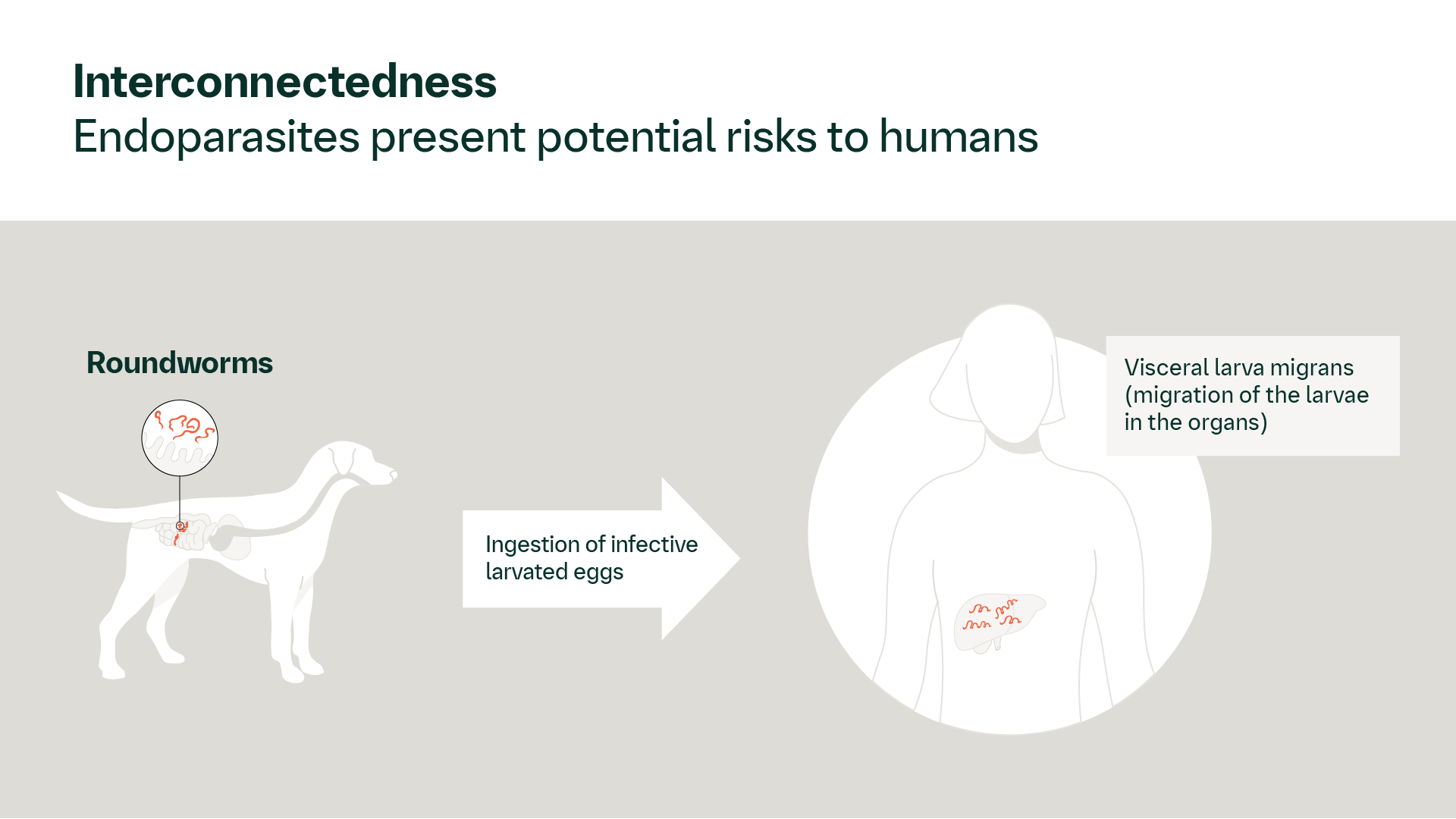
Parasites from cats may infect dogs through fleas, ticks, or worms. These parasites cause health problems if untreated.
- Fleas can carry tapeworms between cats and dogs.
- Ticks spread Lyme disease and other infections.
- Roundworms and hookworms may pass in shared areas.
Using parasite control helps stop the spread. Keep pets clean and check them regularly for pests.
Zoonotic Diseases Affecting Dogs
Cats and dogs can share some diseases. These illnesses can pass from cats to dogs and cause health problems. It is important to know which diseases can spread between them.
Zoonotic diseases are infections that spread from animals to other animals or humans. Some diseases cats carry can affect dogs too. Learning about these helps protect your pets.
Ringworm
Ringworm is a fungal infection. It affects the skin, hair, and nails of animals. Cats often carry ringworm without showing signs. Dogs can catch it from contact with infected cats.
Ringworm causes hair loss, redness, and itching. It spreads through direct contact or shared items like bedding. Treatment includes antifungal medicines and cleaning the environment.
- Caused by fungus, not a worm
- Highly contagious between cats and dogs
- Causes skin sores and hair loss
- Needs veterinary treatment
Toxoplasmosis
Toxoplasmosis is caused by a parasite called Toxoplasma gondii. Cats can spread this parasite through their feces. Dogs may get infected by touching or eating contaminated soil or litter.
Most dogs show no symptoms. Sometimes they get fever, weakness, or breathing problems. Keeping litter boxes clean and preventing dogs from eating cat feces helps stop the spread.
- Caused by a parasite from cat feces
- Can infect dogs through contaminated soil
- Often no symptoms in dogs
- Good hygiene reduces risk
Cat Scratch Disease
Cat Scratch Disease is caused by bacteria called Bartonella henselae. Cats carry this bacteria in their claws and saliva. Dogs can get infected by scratches or bites from cats.
Infected dogs may have swollen lymph nodes, fever, and tiredness. This disease is rare in dogs but possible. Avoid rough play and scratches from cats to protect dogs.
- Caused by bacteria from cat scratches or bites
- Can cause fever and swollen lymph nodes in dogs
- Rare but possible in dogs
- Avoid rough contact with cats
Symptoms To Watch For In Dogs
Cats and dogs can share certain diseases. It’s important to know the symptoms in dogs. This helps catch any issues early.
Watch your dog for any unusual signs. Knowing what to look for can help keep your dog healthy and safe.
Respiratory Signs
Respiratory issues can be a sign of disease. Dogs may show symptoms that are easy to notice.
- Coughing
- Difficulty breathing
- Nasal discharge
Gastrointestinal Issues
Gastrointestinal problems are another concern. These can affect your dog’s stomach and digestion.
Signs of gastrointestinal issues can include:
- Vomiting
- Diarrhea
- Loss of appetite
Skin And Coat Changes
Changes in the skin and coat may indicate a problem. It is important to keep an eye on your dog’s appearance.
| Symptom | Possible Cause |
| Itching | Allergies or parasites |
| Hair loss | Infections or stress |
| Redness | Skin irritation |

Credit: www.goodrx.com
Transmission Methods Between Cats And Dogs
Cats and dogs can share some diseases. These diseases spread in many ways. Understanding how is important to keep pets healthy.
This guide covers how diseases move between cats and dogs. It looks at contact, parasites, and the environment.
Direct Contact
Direct contact happens when cats and dogs touch each other. This can spread diseases through bites, scratches, or licking wounds.
Some infections pass by saliva or blood. Pets that fight or play rough have higher risk. Close contact inside the home also helps spread germs.
Fleas And Parasite Vectors
Fleas and other parasites carry germs from cats to dogs. These tiny bugs bite and pass diseases like tapeworms and bacterial infections.
- Fleas move easily between pets
- Ticks can also infect both cats and dogs
- Parasites live on pets and in their fur
- Controlling parasites reduces disease risk
Environmental Contamination
Diseases spread through shared environments. Cats and dogs use the same places for food, water, and rest. Germs in these spots can infect both animals.
| Source | Risk of Transmission | Common Diseases |
| Shared food and water bowls | High | Salmonella, Giardia |
| Bedding and resting areas | Medium | Ringworm, Mange |
| Outdoor spaces and soil | Variable | Leptospirosis, Hookworms |
Prevention Strategies
Cats and dogs can share some diseases. Preventing these illnesses helps keep both pets healthy.
Good care and simple habits reduce the chance of passing infections between cats and dogs.
Vaccinations And Regular Vet Checks
Vaccines protect your pets from many common diseases. Take your cat and dog to the vet often for check-ups.
- Keep vaccines up to date for both pets.
- Ask the vet about diseases that spread between cats and dogs.
- Check pets for signs of illness regularly.
- Isolate any sick pet until cleared by a vet.
Hygiene And Cleanliness
Clean areas where pets eat and sleep. Wash their bedding and toys often.
| Area | Cleaning Tips |
| Food Bowls | Wash daily with hot, soapy water. |
| Bedding | Wash weekly in hot water. |
| Toys | Clean with pet-safe disinfectant regularly. |
| Litter Boxes | Change litter daily and clean box weekly. |
Parasite Control
Parasites like fleas and ticks can move between cats and dogs. Use parasite control products recommended by your vet.
- Use flea and tick preventatives on all pets.
- Check pets’ fur often for signs of parasites.
- Keep your yard clean to reduce parasite habitats.
- Consult your vet if you find parasites or signs of infection.
Treatment Options For Infections
Cats can pass several infections to dogs. Treating these infections quickly helps keep pets healthy. Different treatments work for different infections.
Veterinarians choose treatments based on the infection type. They use medicines to fight bacteria, viruses, or parasites. Supportive care also helps dogs recover well.
Antibiotics And Antivirals
Antibiotics fight infections caused by bacteria. They stop bacteria from growing or kill them. Dogs get antibiotics through pills, injections, or liquids.
Antiviral drugs help control infections caused by viruses. These drugs reduce virus activity but do not always cure the infection. Early treatment improves success.
- Common antibiotics include amoxicillin and doxycycline
- Antivirals like famciclovir treat certain viral infections
- Always follow the vet’s instructions for dosage and duration
Antiparasitic Medications
Parasites from cats can infect dogs. Antiparasitic medicines kill or remove these parasites. They treat fleas, ticks, worms, and mites.
These drugs come in many forms like tablets, spot-ons, or injections. Regular use helps prevent parasite infections in dogs exposed to cats.
- Flea and tick preventives such as fipronil or selamectin
- Worm treatments including praziquantel and fenbendazole
- Follow vet advice for correct treatment and timing
Supportive Care
Supportive care helps dogs feel better during infection. It includes fluids, nutrition, and rest. This care supports the dog’s immune system.
Sometimes dogs need oxygen or pain relief. Cleaning wounds or keeping dogs warm also helps recovery. Supportive care is important alongside medicines.
- Provide fresh water and balanced food
- Keep your dog calm and comfortable
- Follow vet instructions on home care steps
When To Consult A Veterinarian
Diseases can pass between cats and dogs. Knowing when to consult a veterinarian is important. Cats and dogs can share some illnesses, so watch for signs.
Early detection helps keep your pets healthy. Learn the symptoms and when to seek help.
Recognizing Urgent Symptoms
Some symptoms need immediate attention. Look for changes in behavior or appetite. Breathing issues or high fever are also serious.
- Difficulty breathing
- Severe vomiting or diarrhea
- Unusual lethargy
- High fever
Routine Health Monitoring
Regular check-ups help catch problems early. A vet can perform tests to detect diseases. Keep your pet’s vaccinations up-to-date.
Monitor your pet’s weight and energy levels. A sudden drop might indicate an issue.
Follow-up Care
After a vet visit, follow their advice closely. This ensures your pet recovers well. Some illnesses may need ongoing treatment.
Keep a record of all treatments and medications. This helps the vet track your pet’s health.
| Visit Type | Recommended Frequency |
| Regular Check-Up | Once a year |
| Follow-Up Visit | As advised by vet |
Credit: www.advancedpetcareclinic.com
Frequently Asked Questions
Can Cats Transmit Diseases To Dogs?
Yes, cats can pass certain diseases to dogs. Common ones include ringworm, toxoplasmosis, and cat scratch fever. Close contact or shared environments increase transmission risks. Regular vet check-ups and good hygiene reduce infection chances between pets.
What Symptoms Show If Dogs Catch Cat Diseases?
Dogs infected by cat diseases may show symptoms like itching, skin lesions, fever, lethargy, or digestive issues. Symptoms vary by disease type. Early veterinary diagnosis and treatment are crucial for recovery and preventing spread.
How To Prevent Disease Transfer From Cats To Dogs?
Prevent disease transfer by keeping cats and dogs clean and vaccinated. Avoid shared food or water bowls. Regular vet visits and parasite control also help. Minimizing close contact during illness reduces transmission risks effectively.
Are Zoonotic Diseases From Cats Dangerous To Dogs?
Some zoonotic diseases from cats can harm dogs but are usually treatable. Ringworm and parasites may cause discomfort. Prompt vet care prevents complications. Maintaining pet health and hygiene is key to safety.
Conclusion
Cats can pass some diseases to dogs, so watch them closely. Keep your pets healthy with regular vet visits and good care. Clean their living spaces often to lower infection risks. Watch for unusual signs like coughing or itching on your dog.
Early action helps stop diseases from spreading between cats and dogs. Protect both pets by knowing the risks and staying alert. Healthy pets mean a happy home for everyone.

Lily Purrington is the founder of MyKittyPicks.com, a cozy corner of the web dedicated to helping cat lovers discover the best cat products, furniture, toys, and home decor ideas.
A lifelong cat enthusiast, Lily shares trusted tips, honest product recommendations, and stylish inspiration designed to keep kitties happy and homes beautiful.
Her mission is simple: to bring together practical advice and purr-fect picks that make life better for cats and the people who love them.


