
Have you ever wondered if your cat can catch diseases from your dog? If you share your home with both pets, this question is important for keeping them safe and healthy.
Some illnesses can jump from dogs to cats, putting your furry friends at risk without you even realizing it. You’ll discover which diseases you need to watch out for and how to protect your pets. Keep reading to learn what signs to look for and how to keep your cat and dog healthy together.
Credit: www.cvcavets.com
Common Cross-species Diseases
Cats and dogs can share some diseases. These diseases pass from one species to another. It is important to know which illnesses can spread.
Understanding these diseases helps pet owners protect their animals. This guide covers bacterial, viral, and parasitic infections.
Bacterial Infections
Bacteria can move between dogs and cats. Some infections cause skin problems or more serious issues. Both pets can show signs like fever or wounds.
Common bacterial infections include:
- Pasteurella infection, which can cause skin and respiratory problems
- Salmonella, leading to diarrhea and vomiting
- Leptospirosis, affecting kidneys and liver
Viral Diseases
Viruses usually target one species but some can infect both cats and dogs. These diseases spread through bites or close contact.
Examples of viral diseases include:
- Rabies, a serious disease affecting the nervous system
- Influenza virus, causing respiratory illness
- Calicivirus in cats and canine parvovirus in dogs do not cross, but monitoring is important
Parasitic Conditions
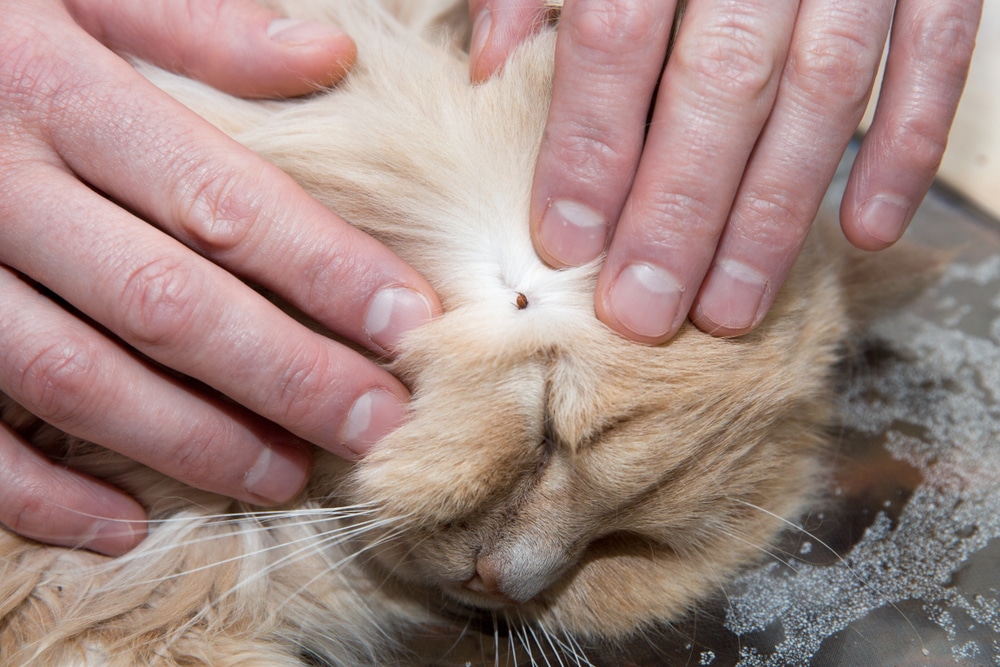
Parasites can infest both dogs and cats. Fleas, ticks, and mites may live on either animal. These parasites carry diseases too.
Common parasites that affect both species include:
- Fleas, which cause itching and spread tapeworms
- Ticks, which carry Lyme disease and other infections
- Mites, causing mange and skin irritation

Credit: justcatsclinic.com
Bacterial Threats From Dogs To Cats
Dogs can carry bacteria that may infect cats. Some diseases spread through bites, scratches, or close contact. It is important to know which bacterial infections cats can catch from dogs.
These infections can cause health problems in cats. Early detection and treatment help keep cats safe and healthy.
Bartonellosis (cat Scratch Disease)
Bartonellosis is caused by Bartonella bacteria. Dogs can carry this bacteria and pass it to cats. Cats usually get infected through flea bites or scratches from infected dogs.
Infected cats may have fever, swollen lymph nodes, and weak appetite. This disease can also affect humans, so it is important to watch for symptoms.
Leptospirosis
Leptospirosis is a bacterial disease spread by contact with dog urine or water contaminated by it. Cats can catch it if they walk in the same areas or drink the same water.
Symptoms in cats include fever, vomiting, and weakness. If untreated, it can cause kidney or liver damage. Preventing contact with contaminated water helps reduce risk.
Salmonella Infections
Salmonella bacteria live in the intestines of dogs and cats. Cats can get infected by eating contaminated food or contact with dog feces. This bacteria causes stomach problems.
Infected cats may have diarrhea, vomiting, and fever. Good hygiene and keeping cats away from dog waste reduce the chance of infection.
Viral Risks Passed Between Dogs And Cats
Dogs and cats can sometimes share viral diseases. It’s important to know which viruses can spread between these pets.
Understanding these risks helps keep both your dog and cat healthy. Here are some diseases that can pass between them.
Rabies Transmission
Rabies is a serious virus that affects the brain. Both dogs and cats can catch rabies from bites of infected animals.
To prevent rabies, vaccinate your pets. This helps stop the virus from spreading in your home and neighborhood.
Canine Parvovirus And Cats
Canine Parvovirus is mostly a dog virus. However, cats can catch a similar virus called Feline Panleukopenia.
Vaccination is key for both dogs and cats. Keeping vaccines updated protects them from these viruses.
Feline Leukemia Virus Concerns
Feline Leukemia Virus (FeLV) affects cats, not dogs. However, an infected cat can spread it to other cats.
FeLV weakens a cat's immune system. Regular check-ups and testing can help manage this virus in cats.
Parasites Shared By Dogs And Cats
Dogs and cats can share many parasites. These parasites can cause health problems in both pets. It is important to know about these parasites to keep your pets safe.
Parasites can live on your pet’s skin or inside their body. Some parasites spread easily from dogs to cats and vice versa. We will look at some common shared parasites.
Fleas And Ticks
Fleas and ticks are common external parasites that affect both dogs and cats. Fleas bite and cause itching and skin problems. Ticks attach to the skin and can spread diseases.
Both pets can catch fleas and ticks from each other or from the environment. Regular checks and treatments help control these parasites.
- Fleas cause itching, hair loss, and allergic reactions.
- Ticks can spread Lyme disease and other infections.
- Fleas and ticks often hide in pet bedding and yard.
- Use vet-recommended flea and tick preventatives for both pets.
Roundworms And Hookworms
Roundworms and hookworms are common intestinal parasites in dogs and cats. These worms can infect both species and cause health issues. Pets get infected by swallowing worm eggs or larvae.
Infections can cause diarrhea, weight loss, and poor growth. Worms can spread through contact with feces or contaminated soil.
- Roundworms look like spaghetti and live in the intestines.
- Hookworms attach to the gut wall and suck blood.
- Both worms can infect young pets more easily.
- Regular deworming helps protect dogs and cats from these parasites.
Ear Mites
Ear mites are tiny parasites that live in the ear canals of dogs and cats. They cause itching, redness, and ear infections. Both pets can spread ear mites by close contact.
Ear mites are very contagious and can cause discomfort for your pet. Cleaning ears and using treatments prescribed by a vet can clear the infection.
- Ear mites cause dark, crumbly ear discharge.
- Pets scratch ears and shake their heads a lot.
- Close contact spreads ear mites between pets.
- Vet treatment is needed to remove ear mites completely.
Symptoms To Watch In Cats
Cats can catch certain diseases from dogs. It is important to notice early signs. This helps in giving quick care.
Watch your cat’s behavior and health closely if it has been near a sick dog. Some symptoms need a vet’s attention fast.
Behavioral Changes
Changes in behavior often show the first signs of illness. Watch for these signs in your cat:
- Loss of appetite or refusal to eat
- Unusual hiding or withdrawal
- Increased aggression or irritability
- Excessive sleeping or lethargy
- Restlessness or pacing
- Excessive grooming or scratching
Physical Signs Of Infection
Physical symptoms may appear if a cat catches a disease from a dog. These signs include changes to the body and skin.
| Symptom | Description |
| Runny Nose | Clear or colored discharge from nostrils |
| Coughing or Sneezing | Frequent cough or sneezing fits |
| Swollen Lymph Nodes | Visible or felt lumps under the skin |
| Fever | Warm ears and paws; shivering |
| Vomiting or Diarrhea | Digestive upset or sudden changes in stool |
When To Visit The Vet
It is important to know when to seek medical help. A vet can diagnose and treat infections caught from dogs.
- If your cat shows any of the above symptoms for more than two days.
- If your cat stops eating or drinking for 24 hours.
- If you notice sudden weight loss or weakness.
- If your cat has difficulty breathing or persistent coughing.
- If the cat’s behavior changes quickly and severely.

Credit: www.goodrx.com
Preventive Measures
Cats can catch some diseases from dogs, so taking precautions is important. Preventive measures help keep both pets healthy and safe.
Simple actions like vaccinations, hygiene, and health checks reduce the risk of infections spreading between pets.
Vaccination Protocols
Vaccines protect cats and dogs from many contagious diseases. Follow your vet’s advice on vaccination schedules for both pets.
- Keep your cat’s vaccines up to date, including rabies and feline distemper.
- Vaccinate dogs against common diseases like parvovirus and kennel cough.
- Isolate new pets until they are fully vaccinated.
- Consult your vet about any additional vaccines based on your pets’ environment.
Hygiene Practices
Good hygiene lowers the chance of disease spread between cats and dogs. Clean living areas and personal items regularly.
| Hygiene Task | Frequency |
|---|---|
| Wash pet bedding and toys | Weekly |
| Clean food and water bowls | Daily |
| Brush and bathe pets as needed | Every 2-4 weeks |
| Disinfect shared areas | Weekly |
Regular Health Checks
Routine vet visits help detect illnesses early. Check both pets for signs like coughing, sneezing, or unusual behavior.
- Schedule annual vet exams for cats and dogs.
- Watch for symptoms such as lethargy or loss of appetite.
- Isolate sick pets to prevent disease spread.
- Keep parasite control treatments current.
Treatment Options For Infected Cats
Cats can catch diseases from dogs, requiring specific treatments. Knowing treatment options helps in managing infections effectively.
Timely treatment is crucial to ensure the health of your cat. Various methods can help combat infections.
Antibiotics And Antivirals
Antibiotics and antivirals help fight bacterial and viral infections in cats. These medications are often prescribed by veterinarians.
- Antibiotics for bacterial infections
- Antivirals for viral infections
- Follow vet instructions carefully
Parasite Control
Parasites can easily spread between pets. Controlling parasites is important to prevent further health issues in cats.
- Flea treatments
- Worm medications
- Regular grooming
Supportive Care
Supportive care aids recovery by ensuring your cat is comfortable. It involves proper nutrition and hydration.
| Care Aspect | Description |
| Nutrition | Provide balanced diet |
| Hydration | Ensure fresh water availability |
| Rest | Allow plenty of rest |
Coexisting Safely: Dogs And Cats At Home
Many families have both dogs and cats. They can live together happily. But some diseases can pass between them.
Knowing how to keep them safe helps prevent illness. Careful actions make sharing a home easier for pets.
Managing Close Contact
Dogs and cats may share toys and bedding. This close contact can spread germs. Watch their interactions carefully.
Keep an eye on rough play. Avoid letting pets lick each other’s wounds or faces. This lowers disease risk.
- Supervise pets during playtime
- Separate pets if one seems sick
- Do not share food or water bowls
Environmental Cleaning Tips
Clean shared spaces often to kill germs. Use pet-safe cleaners for floors and surfaces. Clean bedding weekly.
Wash food and water bowls daily. Remove waste quickly to prevent bacteria growth. A clean home protects pets’ health.
- Disinfect toys regularly
- Vacuum floors and furniture
- Keep litter boxes clean
Monitoring Health Regularly
Watch pets for signs of illness like coughing or sneezing. Check their skin and eyes for problems. Early detection helps treatment.
Schedule regular vet visits for both dogs and cats. Keep vaccinations up to date. Healthy pets are less likely to share diseases.
- Look for changes in eating or behavior
- Report symptoms to your vet quickly
- Follow vet advice on treatments and care
Frequently Asked Questions
Can Cats Catch Diseases Directly From Dogs?
Yes, some diseases can transmit from dogs to cats through close contact. Examples include parasites, bacterial infections, and viruses like rabies. However, many diseases are species-specific and less likely to transfer. Proper hygiene and vaccinations reduce transmission risks between pets.
What Common Diseases Can Dogs Transmit To Cats?
Common diseases include ringworm, fleas, ticks, and certain parasites like roundworms. Dogs can also transmit bacterial infections such as Bordetella. These diseases affect both species and can spread via shared environments or direct contact.
How Can I Prevent Disease Transmission Between My Dog And Cat?
Keep both pets vaccinated and regularly check for parasites. Maintain cleanliness in shared spaces and avoid direct contact if either pet is sick. Regular veterinary check-ups help detect and prevent cross-species infections early.
Are Zoonotic Diseases From Dogs Harmful To Cats?
Zoonotic diseases can affect both pets and humans. Some, like rabies and leptospirosis, are serious and require immediate veterinary care. Early diagnosis and treatment minimize health risks for cats exposed to dog-borne zoonotic diseases.
Conclusion
Cats and dogs can share some diseases, but not all. Keeping their spaces clean helps stop germs. Watch for unusual signs in your pets. Regular vet visits catch problems early. Protect both animals by keeping them healthy. Understanding risks helps you care better.
A safe home means happy pets. Simple steps can prevent many illnesses. Stay informed to keep your pets safe.

Lily Purrington is the founder of MyKittyPicks.com, a cozy corner of the web dedicated to helping cat lovers discover the best cat products, furniture, toys, and home decor ideas.
A lifelong cat enthusiast, Lily shares trusted tips, honest product recommendations, and stylish inspiration designed to keep kitties happy and homes beautiful.
Her mission is simple: to bring together practical advice and purr-fect picks that make life better for cats and the people who love them.


