
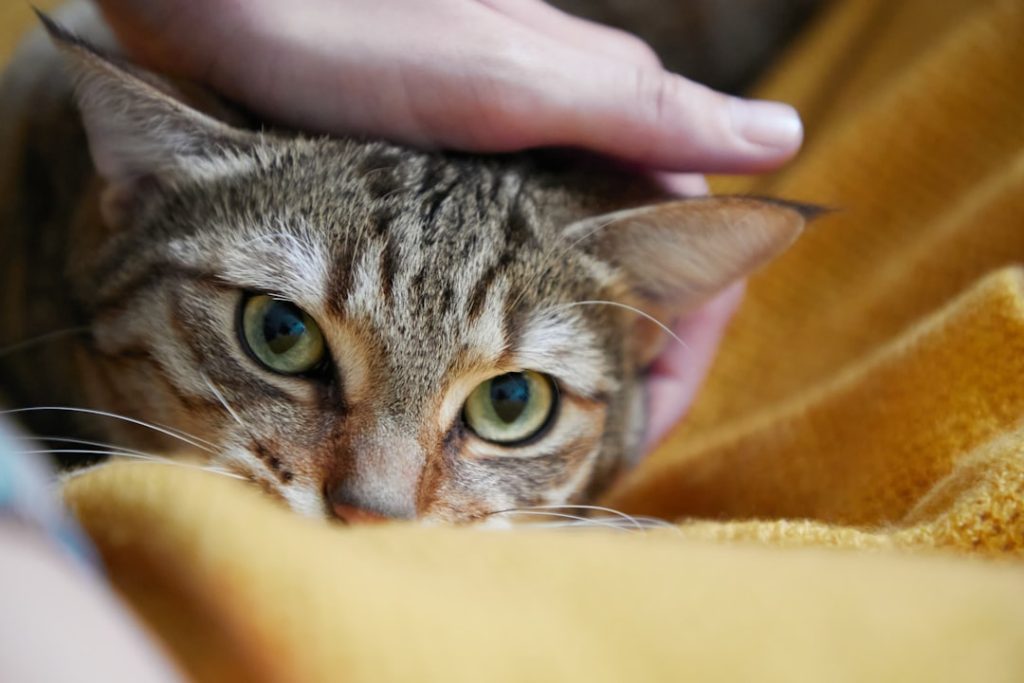
Is your cat acting restless, hiding more than usual, or showing signs of stress? You’re not alone—many cats experience anxiety just like people do.
But what can you give cats for anxiety to help them feel calm and safe again? Finding the right solution can be tricky, and you want what’s best for your furry friend without causing any harm. You’ll discover simple, effective ways to ease your cat’s anxiety and bring peace back into your home.
Keep reading to learn how you can make a real difference in your cat’s well-being.

Credit: www.amazon.com
Common Causes Of Cat Anxiety
Understanding what causes anxiety in cats helps in managing their stress better. Anxiety in cats can show through hiding, excessive grooming, or loud meowing. Identifying triggers is the first step to help calm your feline friend.
Environmental Triggers
Cats are sensitive to their surroundings. Loud noises like fireworks or vacuum cleaners can scare them. New smells or visitors may make cats feel uneasy. Changes in their environment often lead to stress and anxiety.
Health-related Factors
Illness or pain can cause anxiety in cats. Conditions like arthritis or dental problems affect their mood. Sometimes, anxiety is a sign of underlying health issues. Regular vet visits help catch these problems early.
Changes In Routine
Cats thrive on routine and predictability. Moving to a new home or changing feeding times can upset them. Even small changes in daily life can cause anxiety. Keeping a consistent schedule helps cats feel safe and calm.
Signs Of Anxiety In Cats
Recognizing anxiety in your cat can be tricky, but it’s crucial for helping them feel safe and calm. Cats don’t always show stress the way dogs or humans do, so you need to watch closely for subtle signs. Identifying these signals early allows you to provide the right care and prevent anxiety from worsening.
Behavioral Changes
Notice if your cat suddenly hides more often or avoids their favorite spots. Anxiety can make them less social, even with people they trust.
Some cats may become aggressive or restless, pacing around or scratching furniture they usually ignore. Have you seen your cat acting out of character lately?
Changes in eating or grooming habits also point to anxiety. A cat that stops eating or over-grooms until their fur thins is trying to cope with stress.
Physical Symptoms
Stress affects the body as well as behavior. Look for signs like dilated pupils, trembling, or a tucked tail—these indicate fear or discomfort.
Sometimes anxiety causes digestive problems, such as vomiting or diarrhea. If your cat frequently vomits without a clear cause, anxiety might be behind it.
Excessive shedding or bald patches from over-grooming are physical red flags. These symptoms show your cat is under more stress than usual.
Vocalization Patterns
Listen to how your cat sounds. Anxious cats often meow, yowl, or cry more than usual, especially at night.
Sometimes the tone changes—a cat that normally purrs softly may start making loud, urgent noises. This can be their way of asking for help or expressing distress.
Does your cat’s vocalizing seem out of place or more frequent? Tracking these changes helps you understand their emotional state better.
Natural Remedies For Cat Anxiety
Many cats experience anxiety, which can affect their daily life. Natural remedies offer a gentle way to help them relax. These remedies are often easy to find and use. They can create a calming environment for your feline friend. Here, we explore some natural options to ease your cat’s anxiety.
Herbal Supplements
Herbal supplements can soothe your anxious cat. Chamomile and valerian root are popular choices. They have calming properties that can reduce stress. Always consult your vet before introducing new supplements.
Pheromone Products
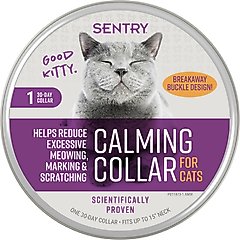
Pheromone products mimic natural cat scents. These help create a sense of security for your pet. You can find them in sprays, diffusers, or collars. They are a simple way to ease tension in your home.
Calming Treats
Calming treats are tasty and effective. They often contain L-theanine or tryptophan. These ingredients promote relaxation. Most cats enjoy these treats, making them an easy solution.
Credit: www.petmd.com
Dietary Options To Reduce Anxiety
Diet plays a key role in managing anxiety in cats. Certain foods and nutrients can calm their nerves and improve mood. Careful selection of diet supports emotional health naturally. Understanding the right dietary options helps cat owners ease anxiety symptoms.
Specialized Cat Foods
Specialized cat foods often contain ingredients to reduce stress. These diets include natural calming agents like L-theanine or tryptophan. Such foods can help balance brain chemicals linked to anxiety. Some brands design formulas specifically for anxious cats. Feeding these foods may promote relaxation and lower nervousness.
Omega-3 Fatty Acids
Omega-3 fatty acids support brain health and reduce inflammation. They have calming effects on pets, including cats. Fish oil supplements or foods rich in omega-3 can ease anxiety symptoms. These fats improve communication between brain cells. Regular omega-3 intake helps maintain a calm temperament.
Balanced Nutrition
A balanced diet provides essential vitamins and minerals for mental well-being. Lack of nutrients can worsen anxiety and stress responses. Protein, vitamins B and E, and minerals like zinc help regulate mood. Feeding high-quality, balanced meals strengthens overall health. Proper nutrition builds resilience against anxiety triggers.
Medications For Severe Anxiety
Severe anxiety in cats can be distressing for both you and your furry friend. When natural remedies aren’t enough, medications may provide the relief your cat needs. These treatments target intense anxiety symptoms and help your cat regain calmness and comfort in stressful situations.
Prescription Drugs
Veterinarians often prescribe medications like fluoxetine, clomipramine, or buspirone to manage severe anxiety in cats. These drugs work by balancing brain chemicals that influence mood and stress levels. Unlike over-the-counter options, prescription drugs offer targeted relief for serious anxiety issues.
It’s important to understand that these medications can take several weeks to show effects. You might notice small changes in your cat’s behavior before they become more relaxed and less fearful.
Consulting A Veterinarian
Before giving any medication, talk to your veterinarian about your cat’s anxiety symptoms. They can diagnose the severity and recommend the best treatment plan. Self-medicating your cat without professional guidance can do more harm than good.
Your vet will also monitor your cat’s progress and adjust dosages if needed. This ensures your pet stays safe while receiving the most effective care.
Potential Side Effects
Like any medication, anxiety drugs can have side effects. Some cats might experience sleepiness, loss of appetite, or mild digestive upset. It’s crucial to watch for unusual behaviors or reactions after starting medication.
Have you noticed your cat acting differently after a dose? Contact your vet immediately if side effects seem severe or persistent. Remember, the goal is to improve your cat’s quality of life, not create new challenges.

Credit: www.petnaturals.com
Behavioral Techniques To Calm Cats
Helping a cat manage anxiety without medication often means adjusting their environment and daily habits. Behavioral techniques can ease stress by making your cat feel safer and more engaged. These approaches focus on reducing triggers and boosting positive experiences in your cat’s life.
Environmental Enrichment
Your cat’s surroundings have a huge impact on their mood. Adding things like scratching posts, climbing shelves, or cozy hiding spots gives them outlets for natural behaviors. This keeps their mind busy and reduces feelings of boredom or frustration.
Try placing a perch by a window so your cat can watch birds or squirrels. This simple change can provide mental stimulation and calmness. Have you noticed how cats often relax when they have a good view of the outdoors?
Routine And Consistency
Cats thrive on predictability. Feeding, playtime, and bedtime happening around the same times every day create a comforting rhythm. Sudden changes can spike anxiety, so keeping a steady routine helps your cat feel in control.
Think about your own day—don’t you feel more relaxed when things go as expected? Your cat is no different. Consistent interaction builds trust and lowers stress levels.
Interactive Play
Engaging your cat in active play channels nervous energy into fun and exercise. Use toys that mimic prey, like feather wands or laser pointers, to tap into their hunting instincts. This not only distracts from anxiety but also strengthens your bond.
Short, frequent play sessions work best. Have you tried turning playtime into a daily ritual? It can transform your cat’s mood and behavior in noticeable ways.
Creating A Safe Space For Cats
Creating a safe space for your cat is essential in reducing anxiety and helping them feel secure. Cats thrive when they have a predictable environment where they can retreat and relax. You can make a significant difference by adjusting your home to meet their comfort needs.
Comfort Zones
Comfort zones are specific areas where your cat feels calm and at ease. These spots often have their favorite bedding or blankets with familiar scents. You might notice your cat returning to the same place after a stressful event, showing their need for a personal safe zone.
Try setting up multiple comfort zones around your home, especially in rooms where your cat spends most of their time. Adding soft cushions and keeping the area tidy can encourage your cat to use these zones regularly.
Quiet Areas
Noise can heighten your cat’s anxiety. Providing a quiet area away from loud sounds like televisions, vacuum cleaners, or busy family spaces helps your cat relax. This doesn’t have to be a large space; even a corner in a low-traffic room works well.
Think about your cat’s favorite hiding spots and try to create a quiet environment around them. You could use white noise machines or calming music designed for pets to mask sudden noises that might startle your cat.
Use Of Hiding Spots
Hiding spots are crucial for anxious cats—they offer a retreat when your pet feels overwhelmed. Boxes, cat tunnels, or covered beds give your cat control over their environment, which can lower stress levels.
Place hiding spots in different parts of your home so your cat can choose depending on their mood. Have you ever noticed your cat disappearing under the couch or behind furniture? Those are natural hiding instincts that you can support with dedicated spots.
When To Seek Professional Help
Knowing when to seek professional help for your cat’s anxiety is crucial. Sometimes, home remedies and over-the-counter options are not enough. Recognizing the signs that your cat needs expert care can save them from prolonged distress and improve their quality of life.
Signs Anxiety Is Worsening
Watch closely for changes in behavior that suggest your cat’s anxiety is getting worse. These include increased hiding, aggression, excessive grooming, or loss of appetite. If your cat starts having accidents outside the litter box or shows signs of panic during normal activities, it’s time to act.
Have you noticed your cat’s anxiety triggers becoming more frequent or intense? This could mean their coping mechanisms are failing. Don’t wait until the problem escalates—early intervention can make a big difference.
Veterinary Behaviorists
Veterinary behaviorists are specialists trained to diagnose and treat animal behavioral issues. They can provide tailored treatment plans that go beyond basic advice. If your cat’s anxiety is severe or persistent, consulting a veterinary behaviorist might be the best step.
These experts can recommend therapies such as prescription medications, behavior modification techniques, or environmental changes. Their guidance ensures your cat receives care designed specifically for their needs.
Long-term Management Plans
Anxiety in cats often requires ongoing management rather than a quick fix. A professional can help you create a long-term plan that combines medication, training, and lifestyle adjustments. This might include setting up safe spaces, using calming products, and establishing consistent routines.
Think about what daily changes you can make to support your cat’s mental health. Are you ready to commit to a plan that helps your cat feel secure every day? Professional input can guide you in making choices that work long-term.
Frequently Asked Questions
What Are Natural Remedies For Cat Anxiety?
Natural remedies include pheromone diffusers, calming collars, and herbal supplements like valerian and chamomile. These methods help reduce stress safely and gently.
Can I Give My Cat Cbd For Anxiety?
CBD oil may help ease cat anxiety, but consult a vet first. Dosage and product quality are crucial for safety and effectiveness.
Are Prescription Medications Safe For Anxious Cats?
Yes, prescription meds can be safe under vet guidance. They help manage severe anxiety but require proper monitoring for side effects.
How Do Calming Treats Help Anxious Cats?
Calming treats contain ingredients like L-theanine and tryptophan. They promote relaxation and reduce stress symptoms in cats naturally.
Conclusion
Cats can feel anxious just like people do. Giving them safe and gentle help makes a big difference. Natural remedies, calming treats, and a quiet space all ease their stress. Always check with a vet before trying new products. Watching your cat’s behavior helps you know what works best.
With patience and care, you can help your cat feel calm and happy again. Small steps create a peaceful life for your furry friend.

Lily Purrington is the founder of MyKittyPicks.com, a cozy corner of the web dedicated to helping cat lovers discover the best cat products, furniture, toys, and home decor ideas.
A lifelong cat enthusiast, Lily shares trusted tips, honest product recommendations, and stylish inspiration designed to keep kitties happy and homes beautiful.
Her mission is simple: to bring together practical advice and purr-fect picks that make life better for cats and the people who love them.


